
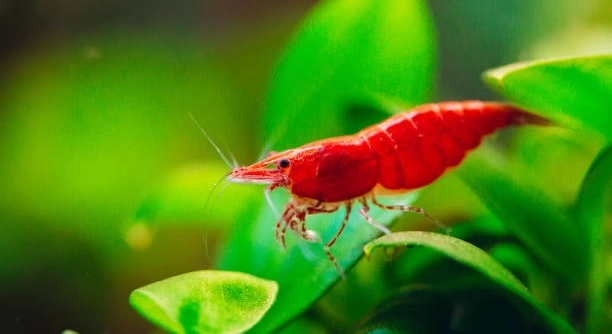
Do you ever find yourself noticing your cherry shrimp leaving their favorite hiding spots without warning, creating small shifts in your tank that feel unexpected and slightly puzzling as you watch their gentle movements daily.
Cherry shrimp often abandon a hiding spot due to changes in water conditions, shifting tank dynamics, or instinctive behaviors linked to safety. These factors influence their comfort levels, prompting movement toward more suitable areas within their environment at all times.
This shift in behavior provides helpful insight into their surroundings, allowing you to recognize what supports their comfort and care.
Common Reasons They Move
Cherry shrimp can shift between hiding spots when small changes occur in their surroundings, even if those changes seem subtle to us. They respond quickly to variations in lighting, water parameters, and overall movement in the tank, making their behavior feel sensitive and sometimes unpredictable. When their usual shelter no longer feels secure or comfortable, they explore nearby areas to find a place that matches their needs more closely. This kind of movement can also happen when other tank inhabitants get too close or become slightly disruptive, prompting the shrimp to retreat elsewhere. I’ve noticed these shifts often happen after feeding times or maintenance sessions, when the environment feels a little different for a short while. Their instincts guide them toward spaces that offer stability, gentle flow, and peace, giving them a sense of safety. Paying close attention to these patterns helps you understand how they respond to changes subtle.
Their movement often reflects their immediate comfort, so noticing when they switch spots gives you a clearer picture of what feels safe for them. Small disruptions can push them toward calmer areas, making their behavior an indicator of the tank’s balance and overall conditions in their daily aquatic routine environment.
Understanding these shifts helps you create a space that supports their comfort without unnecessary stress. Cherry shrimp react strongly to the smallest changes around them, so maintaining stability encourages them to feel secure. Gentle filtration, consistent lighting, and balanced parameters help them settle comfortably into preferred areas. When their space feels predictable, they tend to explore peacefully rather than relocate due to discomfort. I often find that small adjustments like reducing sudden movement near the tank or spacing out maintenance tasks keep them calmer. These choices build an environment where your shrimp feel steady and confident, supporting stable behavior overall.
How to Support Their Comfort
Small shifts in water quality can influence how safe your shrimp feel, so keeping parameters consistent plays a major role in their comfort. Stable temperature, gentle flow, and clean conditions help them remain settled without sudden movements toward new hiding areas that feel more suitable for their daily needs overall.
Supporting your cherry shrimp begins with maintaining a tank that feels steady and predictable for them. They react to light, movement, and water changes more than many keepers expect, so creating a calm space reduces unnecessary shifting. Start by keeping the water parameters within a stable range, avoiding sudden drops or spikes that may disrupt their comfort. Use gentle filtration that provides movement without creating harsh currents, allowing them to rest and forage without stress. Adding a good mix of plants, moss, and shelters gives them natural areas to explore and settle into at their own pace. These features offer both security and shade, which helps them feel grounded. Regular maintenance should be done with care, spacing out tasks to prevent overwhelming them with too many changes at once. Take note of how they respond to routine tank care, adjusting your approach based on their behavior. When their surroundings stay predictable, they tend to remain in their preferred spots and show calmer, consistent activity. This thoughtful approach supports their overall wellbeing and encourages steady, relaxed behavior throughout the tank. With patience and steady care, their color, activity, and comfort become more noticeable, helping you maintain a peaceful and balanced environment.
Environmental Factors That Influence Their Behavior
Cherry shrimp react strongly to sudden shifts in their surroundings, so keeping their environment steady helps reduce unnecessary movement. Small changes in temperature or lighting can make them feel unsafe, pushing them to explore new spots that feel calmer and more suitable for their comfort each day.
Tank conditions play a major role in how settled your shrimp feel, especially when changes happen too quickly. A slight temperature fluctuation or a short period of bright lighting can encourage them to leave their favorite hiding spaces. They rely on steady, predictable surroundings, so maintaining consistency helps them stay relaxed. I’ve noticed that even simple things like leaving a room light on longer than usual can make them more active than expected. When you keep their water parameters stable and avoid abrupt changes, they’re more likely to remain in familiar hiding areas without feeling the need to relocate for comfort.
Cleanliness also shapes their behavior, especially in tanks where debris builds up over time. If a hiding spot becomes clogged with waste or feels stagnant, shrimp may move elsewhere to find a space with cleaner flow. Regular maintenance helps prevent this kind of discomfort and keeps their chosen areas inviting. I find that gentle vacuuming and consistent filter care make a noticeable difference in how relaxed they appear. Their comfort often reflects the overall condition of the tank, so keeping things clean and balanced goes a long way toward supporting stable behavior. With steady care, they can focus on foraging peacefully rather than seeking a better environment.
Social Dynamics and Tank Mates
Cherry shrimp often shift hiding spots when other tank inhabitants become too active or slightly disruptive. Even peaceful fish can create enough movement to make them retreat. Giving them quiet corners and plant-heavy areas helps them feel secure and reduces unnecessary movement caused by stress or competition.
How other creatures behave around them affects their comfort every day. Shrimp naturally avoid anything that feels unpredictable, so fast swimmers or curious tank mates can make them leave their usual hiding areas. Adding dense plants or moss helps block sudden movements and creates gentle pockets of calm. I’ve seen shrimp settle more easily when they have multiple hiding layers instead of just one. It also helps to avoid overcrowding, since limited space can make them feel pressured. When you choose tank mates carefully and create enough cover, your shrimp can relax without feeling pushed out of their preferred spots. This balance keeps them steady, confident, and more at ease in their environment.
How Lighting Affects Their Comfort
Bright or sudden lighting changes can make cherry shrimp feel exposed, causing them to leave their hiding places. Soft, consistent lighting helps them stay calm, and giving them shaded areas allows them to choose the level of light that feels comfortable throughout the day.
Shrimp often respond quickly when a tank light turns on too abruptly or stays too bright. They prefer gradual transitions and gentle illumination that doesn’t overwhelm them. Adding floating plants or tall stems creates natural shade and reduces sharp contrasts. When the lighting feels steady, they remain relaxed in their chosen spots.
When Food Encourages Movement
Feeding time often pulls shrimp out of hiding as they search for small bits of food scattered across the tank. They follow scent and movement, so they may leave familiar areas to explore. Providing a balanced diet in consistent spots helps them feel more secure during feeding.
Seasonal or Room Changes
Shifts in room temperature or noise can influence their behavior, especially when these changes happen repeatedly. Keeping their surroundings steady encourages them to feel grounded.
FAQ
Why do my cherry shrimp leave a hiding spot they usually love?
Cherry shrimp often move when something in their environment shifts. Even small changes in temperature, lighting, or water quality can make them feel slightly uneasy. Their instincts guide them toward areas that feel stable, shaded, and calm. When a hiding place no longer meets these needs, they simply explore until they find somewhere that feels better. I’ve noticed that when my tank feels a bit warmer than usual or the flow slightly increases, they immediately begin searching for a quieter, cooler area. This kind of movement is normal and reflects how sensitive they are to their surroundings.
Can changes in water quality make them abandon a hiding spot?
Yes, cherry shrimp react strongly to even minor water parameter changes. A subtle shift in ammonia, nitrite, nitrate, or pH can make their usual shelter feel uncomfortable. They instinctively avoid areas that no longer feel safe. Keeping water parameters stable helps them remain settled in one place for longer periods. Simple habits like regular testing, gentle water changes, and avoiding sudden adjustments make a noticeable difference. When the tank remains stable, they tend to stay in familiar spots without wandering as often.
Do tank mates influence their decision to relocate?
Absolutely. Even peaceful fish can cause enough movement or activity to make shrimp withdraw from their favorite spaces. Shrimp prefer calm zones where they don’t feel chased or crowded. When tank mates are active near a hiding place, shrimp often shift to quieter sections. Adding more plants, moss, and layered hiding areas gives them multiple safe options. I’ve seen shrimp relax much more when they have several sheltered areas instead of relying on one main spot.
Can lighting cause them to move between hiding areas?
Lighting plays a big role in their comfort. Sudden brightness or lights turning on quickly can startle them and push them to new hiding places. Soft, consistent lighting helps them remain calm. Floating plants or tall stems create natural shade, giving shrimp options based on what feels most comfortable. When the lighting feels gentle, they tend to stay put.
Is it normal for them to leave hiding spots during feeding time?
Yes, this is completely normal. Food encourages movement because shrimp follow scent trails and search for tiny pieces around the tank. They may leave their usual hiding area during feeding, then return once they’re done foraging. Feeding in consistent spots helps them feel safer during mealtime.
Can debris buildup affect whether they stay in one spot?
Debris definitely impacts their comfort. If waste accumulates in a hiding area, the water flow can become stagnant, making it unpleasant for shrimp. They prefer clean, oxygenated pockets where they can rest without irritation. Gentle vacuuming and steady filter maintenance help keep these areas inviting.
Do room changes outside the tank affect their comfort?
Yes, the environment around the tank influences their behavior. Sudden noises, temperature changes, or frequent movement nearby can unsettle them. Shrimp pick up on these small disturbances. When the room stays calm, they tend to settle into their chosen hiding spaces more consistently.
How can I encourage them to stay in one spot longer?
Keeping their environment stable makes the biggest difference. Focus on consistent water parameters, gentle lighting, clean hiding areas, and quiet surroundings. Add plenty of plants and moss to create shaded, layered spaces they can retreat into at any time. When their tank feels predictable and calm, they naturally stay in their preferred spots with more confidence.
Final Thoughts
Caring for cherry shrimp becomes easier when you understand how sensitive they are to the details of their surroundings. Their constant movement and shifting behavior can seem unpredictable at first, but over time it becomes clear that their choices are guided by comfort, stability, and instinct. They rely on the environment you create for them, so even small decisions influence how safe they feel from day to day. When you keep their tank predictable, they settle into a calm rhythm that makes their behavior feel more steady and reassuring. I’ve noticed that when things stay consistent, they display brighter colors, steady activity, and peaceful foraging patterns that show they trust their environment. Observing these small changes helps you recognize what encourages them to stay relaxed and confident in the spaces they choose. Over time, this awareness allows you to create a tank that supports their natural behaviors without unnecessary stress.
Maintaining this kind of environment means paying attention to the tiny shifts that might go unnoticed at first. Cherry shrimp respond quickly to lighting changes, water movement, and even noise in the room where their tank sits. When any of these elements feel too intense or inconsistent, they instinctively move around to find a place that feels more suitable. This behavior is not a sign of trouble on its own. It often reflects their desire for gentle flow, clean water, and sheltered spaces. By learning what creates these stable conditions, you gradually shape a tank that aligns with their needs. This includes keeping the water parameters steady, choosing quiet filtration, and arranging plant life in ways that give them layered spaces to explore. I’ve learned that small adjustments, like soft lighting or extra moss, make a noticeable difference. These details help them feel grounded, and that sense of calm becomes clear in how they move through the tank.
Your care plays a meaningful role in their comfort. When you prioritize balance and consistency, you create an environment where cherry shrimp feel protected enough to explore without constantly seeking new hiding places. It becomes easier to understand their patterns once you know what brings them comfort and what disrupts it. Their movements tell you how they feel long before anything becomes a real concern. When they remain in familiar spots, it usually means their surroundings support their natural instincts. When they shift around, it often signals that something needs attention. Staying mindful of these signals helps you adjust their environment in ways that keep them settled and healthy. With steady care and thoughtful choices, you create a space where they can thrive peacefully. Their behavior becomes clearer, their activity more predictable, and their presence more enjoyable to watch each day.

Hello,
If you enjoy the content that we create, please consider saying a "Thank You!" by leaving a tip.
Every little bit helps us continue crafting quality advice that supports the health, happiness, and well-being of pets around the world, for pets of all shapes, sizes, and species.
We really appreciate the kindness and support that you show us!