
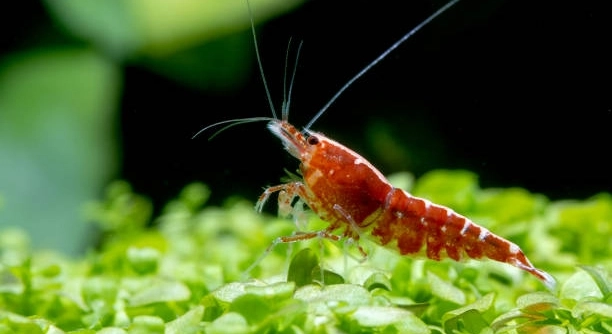
Have you ever noticed your cherry shrimp floating at the water’s surface, seemingly listless or struggling? This behavior can be worrying for any aquarist who wants their shrimp healthy and thriving in a well-maintained tank.
Cherry shrimp floating on the surface is usually caused by environmental stressors, poor water quality, inadequate oxygen levels, overfeeding, disease, molting complications, or exposure to harmful chemicals. Each factor can directly impact their buoyancy and overall health.
Understanding these causes can help you address the problem early and maintain a healthier environment for your shrimp. Proper care and attention make a significant difference in their wellbeing.
Poor Water Quality
Poor water quality is one of the most common reasons cherry shrimp float at the surface. Ammonia, nitrite, or nitrate levels that are too high can stress shrimp and affect their buoyancy. Tap water with chlorine or heavy metals can also harm their delicate bodies. Even small changes in pH, hardness, or temperature may disrupt their normal behavior. Keeping the tank clean with regular water changes and using a proper filtration system can help prevent these issues. Testing water regularly ensures that parameters remain within safe ranges, giving shrimp a stable environment to thrive. Overfeeding can worsen water quality, as uneaten food decomposes and releases harmful chemicals. Avoid crowding the tank, as too many shrimp can lead to faster waste buildup. Observing your shrimp closely for unusual behavior can provide early warnings about water problems before they become serious. Maintaining consistent water conditions is essential for their health and activity levels.
Maintaining stable water conditions, performing routine testing, and frequent partial water changes are essential for preventing floating caused by poor water quality.
Regular attention to water quality not only prevents floating but supports shrimp growth, coloration, and successful molting. Small, consistent adjustments make a big difference in their overall health.
Low Oxygen Levels
Low oxygen levels in the tank can cause shrimp to gather at the surface where oxygen is higher.
Oxygen deficiency often occurs in overstocked tanks or when water movement is minimal. Warmer water holds less oxygen, so tanks without proper aeration may experience this problem. Air stones, gentle water flow, and live plants can improve oxygenation. Observing shrimp movement is important; sluggish shrimp or those gasping at the surface often signal low oxygen. Keeping the tank lightly aerated and avoiding stagnant water helps maintain proper oxygen levels. Additionally, excessive algae or decaying plant matter can reduce available oxygen, so removing debris is important. Proper tank placement away from direct sunlight can prevent temperature spikes that lower oxygen further. Maintaining healthy oxygen levels ensures shrimp remain active, feed normally, and exhibit natural behaviors. By creating a well-oxygenated environment, floating caused by oxygen stress can often be prevented before it becomes harmful to the shrimp’s health.
Overfeeding
Overfeeding cherry shrimp can lead to floating as uneaten food decomposes and pollutes the water. Excess food increases ammonia and nitrate levels, creating a stressful environment that affects shrimp buoyancy and overall health.
Shrimp are small and require only tiny amounts of food. Feeding too much can overwhelm the tank’s filtration system, allowing harmful waste to build up quickly. Decomposing food reduces water quality and can also encourage harmful bacteria and algae growth. Floating at the surface often occurs when shrimp struggle to cope with these changes. Portioning food carefully and removing leftovers after a few hours can prevent these problems. Observing shrimp during feeding helps gauge how much they actually eat, reducing waste and maintaining a healthier tank environment. Feeding less often but in controlled amounts promotes stable water conditions and healthier shrimp behavior.
Proper feeding practices involve small, measured portions given only as much as shrimp can consume in a short time. Monitoring leftover food prevents water contamination and keeps shrimp healthy.
Disease and Parasites
Diseases and parasites can cause cherry shrimp to float abnormally or remain at the surface. Infections affect their energy, buoyancy, and general behavior.
Bacterial, fungal, or protozoan infections may result from poor water quality, stress, or contact with infected animals. Parasites such as Vorticella attach to shrimp bodies, impairing movement and making them float. Symptoms often include lethargy, discoloration, or unusual swimming patterns. Quarantining new shrimp and inspecting them for visible signs of disease before adding them to the main tank reduces the risk of outbreaks. Maintaining clean water and avoiding sudden changes in tank conditions helps prevent infections. Treating affected shrimp promptly with appropriate remedies is crucial, but some infections may be fatal if left unchecked. Observing shrimp regularly and isolating any that display abnormal behavior helps protect the rest of the colony.
Preventive measures, such as maintaining hygiene, quarantining new additions, and monitoring health, reduce disease-related floating and support a thriving shrimp population.
Molting Problems
Molting is a critical process for cherry shrimp, and complications can cause them to float or struggle at the surface. Stress, poor water quality, or lack of minerals can interfere with successful molts.
Providing calcium-rich foods and maintaining stable water parameters helps shrimp molt safely. Inadequate conditions can lead to incomplete molts, making shrimp weak and unable to swim properly. Observing shrimp during and after molting ensures they recover well and reduces the chance of floating caused by molting stress.
Sudden Temperature Changes
Rapid temperature shifts can shock cherry shrimp and affect their buoyancy. Even a few degrees’ change can cause stress, making them float at the surface.
Maintaining a stable tank temperature is essential for shrimp health. Using a reliable heater, thermometer, and avoiding exposure to drafts or direct sunlight helps prevent temperature-induced floating. Gradual adjustments are better when changes are needed.
Exposure to Chemicals
Chemicals in tap water, cleaning agents, or medications can harm shrimp, making them float or appear lethargic. Avoid using soaps, detergents, or unconditioned water in the tank.
FAQ
Why are my cherry shrimp floating at the surface?
Cherry shrimp float at the surface mainly due to stress, poor water quality, low oxygen, overfeeding, disease, molting problems, or chemical exposure. Any sudden change in water conditions or environment can cause this behavior, and observing the tank closely helps identify the cause.
How can I improve oxygen levels in my tank?
Adding an air stone, increasing gentle water flow, or including live plants can improve oxygen levels. Avoid overcrowding and remove decaying plants or algae to maintain a well-oxygenated environment. Stable temperatures also help, as warmer water holds less oxygen.
Could poor water quality cause floating?
Yes. Ammonia, nitrite, and nitrate spikes can stress shrimp and affect their buoyancy. Regular testing, partial water changes, and using a proper filtration system help maintain safe water parameters and prevent floating caused by poor water quality.
How often should I feed cherry shrimp?
Feed small portions once or twice a day, only as much as they can consume in a few hours. Overfeeding leads to decaying food, ammonia spikes, and stress, which can cause floating. Removing leftover food prevents water contamination and keeps shrimp healthy.
What signs indicate disease or parasites?
Lethargy, discoloration, unusual swimming patterns, or floating at the surface can signal disease. Visible parasites like Vorticella may appear as fuzzy growths. Quarantining new shrimp and keeping the tank clean help reduce the risk of infections.
How do I prevent molting problems?
Stable water conditions and providing calcium-rich foods are key. Stress, poor water quality, or mineral deficiencies can cause incomplete molts, leading to floating or weakness. Observing shrimp during molting ensures they recover properly.
Can temperature changes affect shrimp behavior?
Yes, sudden temperature changes can shock shrimp and make them float. Maintain a stable tank temperature using a heater and thermometer. Gradual adjustments are better than sudden changes, and avoid placing tanks in direct sunlight or near drafts.
Are chemicals in the water harmful?
Tap water, cleaning agents, or medications can harm shrimp. Always use water conditioners for tap water, avoid soaps or detergents, and follow treatment instructions carefully to prevent floating or stress.
Is tank overcrowding a problem?
Yes. Too many shrimp increase waste production, reduce oxygen, and can stress the colony. Maintaining a balanced population with adequate space helps prevent floating and supports healthy behavior.
What should I do if shrimp keep floating despite good care?
Check water parameters, oxygen levels, diet, and temperature first. Isolate any sick shrimp, remove leftover food, and observe closely. Sometimes floating occurs temporarily during molting or minor stress, but persistent problems may need adjustments or consultation with experienced aquarists.
Can live plants help prevent floating?
Yes. Live plants improve oxygen levels, absorb excess nutrients, and provide hiding places, reducing stress. Healthy plants support overall tank stability and shrimp wellbeing, which decreases floating caused by environmental stress.
How quickly should I act if shrimp are floating?
Immediate action is recommended. Identify possible causes and address water quality, oxygen, temperature, or feeding issues. Early intervention prevents serious health problems and increases the chances of recovery.
Can over-cleaning the tank harm shrimp?
Yes. Removing too much beneficial bacteria during cleaning can affect water quality. Perform regular partial water changes and clean surfaces carefully to maintain balance without stressing shrimp.
Do shrimp recover from floating behavior?
If the underlying cause is corrected, shrimp usually recover. Stabilizing water conditions, providing proper food, ensuring oxygen, and treating any disease allow them to return to normal swimming and feeding patterns over time.
How can I monitor shrimp health effectively?
Observe swimming behavior, feeding habits, coloration, and molting patterns. Regularly test water and watch for early signs of stress. Quick attention to changes helps prevent floating and other health problems.
Are there signs that floating is temporary versus serious?
Temporary floating often occurs during molting or minor stress and resolves in a few hours. Persistent floating, lethargy, or unusual swimming combined with other symptoms indicates a more serious issue requiring intervention.
Can substrate and tank decorations affect floating?
Yes. Uneven substrate, lack of hiding places, or poor tank layout can stress shrimp. Providing hiding spots and a stable environment reduces stress and supports normal swimming behavior.
Is it safe to mix shrimp with other tank animals?
Some tank mates can stress or harm shrimp, causing floating. Choose peaceful species and avoid aggressive or fast-moving fish that may intimidate shrimp or compete for food. Proper planning ensures a balanced tank community.
How long does it take for shrimp to recover after addressing floating causes?
Recovery can take hours to several days depending on the cause. Correcting water quality, oxygen, diet, and stress factors generally leads to noticeable improvement within a day, with full recovery over a few days.
Should I remove floating shrimp from the tank?
Only if they appear sick or weak. Isolating affected shrimp in a quarantine tank helps prevent disease spread and allows closer monitoring while addressing the underlying problem.
Cherry shrimp are delicate creatures, and their behavior can tell a lot about the condition of their tank. Floating at the surface is a clear sign that something in their environment may not be ideal. This behavior can result from several factors, including poor water quality, low oxygen, temperature fluctuations, overfeeding, disease, molting issues, or exposure to chemicals. Each of these factors affects shrimp differently, but all can impact their ability to swim and maintain normal activity. Paying attention to these signs early is crucial because minor adjustments can prevent more serious health problems. Observing the shrimp regularly allows you to notice subtle changes in their behavior, which can indicate stress before it becomes severe.
Maintaining a stable tank environment is essential for preventing floating behavior. Clean water with balanced parameters, proper oxygenation, and stable temperature are fundamental to shrimp health. Partial water changes and careful testing help keep water conditions consistent. Feeding practices also play a role; small, controlled portions reduce waste buildup that can affect water quality. Including live plants can improve oxygen levels and provide hiding spaces, which lowers stress. Stress is a common trigger for floating, so keeping the tank calm, avoiding sudden changes, and reducing overcrowding is important. By managing these basic aspects consistently, most causes of floating can be addressed before they worsen.
Even with careful attention, some issues may still arise, like disease or molting complications. In these cases, observing shrimp closely and acting promptly is necessary. Quarantining new or affected shrimp and treating infections early can prevent problems from spreading to the entire tank. Understanding the causes of floating behavior allows you to take preventive measures and respond effectively. Recovery is possible when the environment is corrected and stressors are minimized. With patience and careful monitoring, cherry shrimp can thrive, swim normally, and display their natural behaviors. Consistent care and attention are the keys to maintaining a healthy, stable tank where shrimp remain active and happy.

Hello,
If you enjoy the content that we create, please consider saying a "Thank You!" by leaving a tip.
Every little bit helps us continue crafting quality advice that supports the health, happiness, and well-being of pets around the world, for pets of all shapes, sizes, and species.
We really appreciate the kindness and support that you show us!