
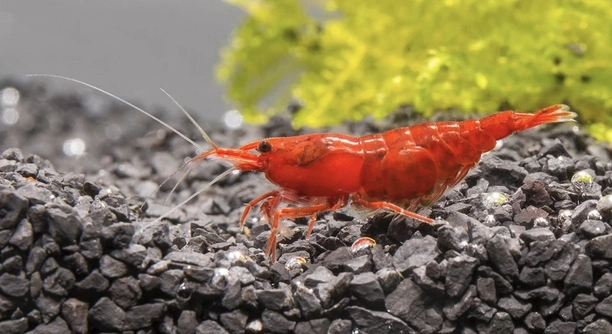
Have you ever noticed how shrimp in home or commercial ponds sometimes grow slowly despite careful care? Many shrimp keepers want a natural approach that promotes healthy growth without relying on artificial additives or supplements.
The best natural foods for shrimp growth include protein-rich options such as algae, plankton, and small aquatic invertebrates, alongside plant-based sources like spirulina, vegetable scraps, and bioflocs. These foods provide essential nutrients supporting molting, immunity, and overall development.
Providing a balanced combination of these natural foods can improve shrimp size, survival, and vitality in any aquatic environment.
Algae
Algae is one of the most natural and beneficial foods for shrimp. It grows in almost every freshwater habitat and provides shrimp with essential nutrients like protein, vitamins, and minerals. Many shrimp species graze on algae constantly, and it supports molting and overall health. Including algae in their diet helps improve coloration and energy levels. While some types of algae grow naturally in tanks, growers often supplement with powdered or dried algae to ensure consistency. It can be added directly to the water, and shrimp will feed on it at their own pace. Algae also encourages natural foraging behavior, keeping shrimp active and healthy.
Algae is simple to provide and widely accepted by most shrimp species. Its nutrient profile makes it an excellent foundation for growth.
Regularly feeding algae alongside other natural foods can create a balanced diet for shrimp. It is a reliable, low-maintenance option that supports healthy development, keeps shrimp active, and reduces stress in captivity. Algae helps maintain water quality while offering essential nutrients naturally, making it a core component of shrimp feeding strategies.
Plankton
Plankton provides shrimp with small, digestible particles rich in nutrients. Most shrimp actively filter-feed on plankton in their environment.
Supplementing with plankton ensures shrimp receive enough protein and fatty acids to support growth. Freshwater zooplankton like Daphnia or rotifers are particularly beneficial. These tiny organisms are easy to culture at home or buy commercially. Including plankton in feeding routines stimulates natural behaviors and helps maintain shrimp health. Regular feeding improves survival rates and strengthens the immune system, reducing disease risks. Shrimp feeding on plankton also tend to show better coloration and activity levels. When combined with other natural foods like algae and vegetables, plankton forms an essential part of a balanced diet. Its small size and high digestibility make it ideal for young shrimp during early growth stages. Using plankton correctly can significantly enhance overall shrimp vitality.
Spirulina
Spirulina is a nutrient-dense algae that supports shrimp growth and coloration. Its high protein content and vitamins make it ideal for daily feeding.
Shrimp respond well to spirulina in powdered or flake form. It improves molting frequency and strengthens immune systems. Its natural pigments enhance the red, orange, and blue shades of many shrimp species, making them more visually striking. Regular spirulina feeding encourages active foraging and supports energy levels, ensuring shrimp stay healthy. Adding small amounts to their diet prevents overfeeding and maintains water quality. Spirulina can be combined with other natural foods for a balanced approach.
Using spirulina consistently contributes to better growth rates and stronger shrimp. Its natural properties reduce stress and improve overall vitality. Feeding in measured amounts ensures shrimp consume nutrients efficiently, avoiding waste. Incorporating spirulina into a varied diet is a practical and effective strategy for achieving healthier, more resilient shrimp over time.
Vegetable Scraps
Vegetable scraps like zucchini, spinach, and cucumber provide fiber and essential nutrients. These foods are easy to prepare and widely accepted by shrimp.
Softened vegetables can be boiled or blanched before feeding to make them easier for shrimp to consume. They supply important minerals and vitamins that support molting and growth. Rotating different vegetable types prevents nutrient deficiencies and keeps shrimp interested in their food. Providing small portions ensures they consume all of it before it decomposes, maintaining tank cleanliness. Vegetables also contribute to a more natural diet by mimicking plant matter shrimp would encounter in their environment.
Including vegetable scraps alongside protein-rich foods creates a balanced feeding regimen. Fiber supports digestion, while vitamins improve immunity and overall development. Observing shrimp preferences helps determine which vegetables are most effective. Regularly offering vegetables strengthens natural foraging behavior and encourages healthier, more active shrimp. It also reduces reliance on artificial feeds, keeping the diet closer to what they would naturally consume. This approach promotes consistent growth, better coloration, and overall well-being.
Bioflocs
Bioflocs are clusters of microorganisms that form naturally in nutrient-rich water. They provide shrimp with protein, vitamins, and essential fatty acids.
Shrimp feed on bioflocs continuously, supporting healthy growth. They also improve water quality by consuming excess nutrients, creating a self-sustaining food source in the tank.
Small Aquatic Invertebrates
Small aquatic invertebrates like Daphnia, copepods, and brine shrimp are excellent protein sources. They encourage natural hunting behaviors and support early growth stages. Regular inclusion of these invertebrates improves shrimp molting, immunity, and overall vitality, ensuring stronger, more active shrimp throughout their development.
Commercial Shrimp Feed
Commercial shrimp feed is formulated to provide balanced nutrition with all essential minerals and vitamins. High-quality pellets complement natural foods, supporting growth and health effectively.
FAQ
What is the best way to feed shrimp naturally?
The best way to feed shrimp naturally is to provide a variety of foods that cover all nutritional needs. Combining algae, spirulina, plankton, vegetable scraps, and small invertebrates ensures shrimp get protein, fiber, vitamins, and minerals. Feed in small portions multiple times a day to prevent overfeeding and maintain water quality. Observing how much they consume helps adjust quantities. Alternating types of food also keeps shrimp active and encourages natural foraging behaviors, which promotes growth and overall health.
How often should I feed my shrimp?
Feeding shrimp 1–3 times per day is usually sufficient. Young shrimp or those in growth stages may require more frequent, smaller feedings. Adult shrimp can thrive with once-daily feeding if the diet is well-balanced. Overfeeding can lead to poor water quality, which negatively impacts growth and health.
Can shrimp survive on only one type of natural food?
Shrimp can survive on a single type of food for short periods, but growth and coloration may be limited. A balanced diet combining protein sources like plankton or invertebrates with plant-based foods like algae and vegetables ensures optimal molting, immunity, and long-term vitality.
Are vegetables safe for all shrimp species?
Most freshwater shrimp species can safely eat vegetables such as zucchini, spinach, cucumber, and lettuce. Always blanch or soften harder vegetables to make them easier to consume. Remove uneaten portions to avoid water contamination. Rotating vegetables ensures shrimp receive a variety of nutrients.
Is it necessary to provide commercial shrimp feed if natural foods are available?
Commercial feed is not strictly necessary if a balanced natural diet is consistently provided, but high-quality pellets can supplement natural foods, ensuring shrimp get all essential vitamins and minerals. Using feed sparingly alongside natural foods can optimize growth and reduce deficiencies.
How can I ensure shrimp get enough protein naturally?
Protein-rich foods such as small aquatic invertebrates, plankton, and spirulina are key. Including these regularly supports molting, tissue repair, and growth. Young shrimp benefit most from protein-rich diets, as they require more nutrients for rapid development. Protein intake should be balanced with plant-based foods to prevent digestive issues.
Can overfeeding natural foods harm shrimp?
Yes, overfeeding can lead to water pollution, increased ammonia levels, and fungal growth. Uneaten food should be removed promptly. Feed in small amounts and monitor shrimp consumption closely. Maintaining a clean tank and controlled feeding schedule prevents negative effects while promoting healthy growth.
How do natural foods affect shrimp coloration?
Certain natural foods, especially spirulina and algae, contain pigments that enhance shrimp coloration. Regularly including these foods in the diet can result in brighter and more vibrant colors. Balanced nutrition also ensures healthy exoskeleton development, making the colors appear more pronounced.
Are there any seasonal considerations for feeding shrimp?
Water temperature can affect shrimp metabolism. In cooler conditions, they eat less and may require smaller portions. In warmer temperatures, feeding may need to increase slightly to support faster metabolism and growth. Observing shrimp behavior and adjusting feeding accordingly ensures optimal health year-round.
Can shrimp get all nutrients from bioflocs alone?
Bioflocs provide protein, vitamins, and essential fatty acids, but relying solely on them may not offer complete nutrition. Combining bioflocs with algae, vegetables, and invertebrates ensures a full range of nutrients, supporting consistent growth, proper molting, and disease resistance.
How do I introduce new natural foods to shrimp?
Introduce new foods gradually in small amounts. Observe shrimp behavior to ensure they accept the food and consume it fully. Slowly increasing portions allows shrimp to adapt without causing water quality issues. Variety keeps them active and supports balanced growth.
Is it necessary to clean uneaten natural food daily?
Yes, removing uneaten food prevents water contamination and reduces harmful bacteria or fungal growth. Clean tanks maintain healthy shrimp and improve growth conditions. Monitoring consumption and adjusting feed portions helps minimize leftover food and maintain a stable environment.
What natural food combinations work best for shrimp growth?
A combination of protein-rich foods (plankton, small invertebrates, spirulina) and plant-based foods (algae, vegetables, bioflocs) works best. Including a variety of textures and nutrients ensures optimal growth, stronger immunity, and better coloration. Rotating these foods keeps shrimp active and encourages natural foraging behaviors.
Can I cultivate my own natural shrimp foods?
Yes, algae, plankton, spirulina, and some vegetables can be cultivated at home. Growing your own food allows control over quality and availability. Culturing in clean conditions ensures shrimp receive fresh, nutrient-rich foods without additives or chemicals.
How long does it take to see growth improvements with natural foods?
Shrimp may show noticeable growth and improved coloration within a few weeks of a balanced diet. Young shrimp respond more quickly, while adult shrimp may show gradual improvements. Consistency and proper feeding quantities are key to achieving long-term benefits.
Do natural foods help prevent shrimp diseases?
Balanced natural diets strengthen immunity, support healthy molting, and reduce stress, all of which help prevent common diseases. Protein, vitamins, and minerals from varied foods improve resilience against infections and environmental stressors. Proper feeding and clean water are essential for disease prevention.
Are there any natural foods to avoid?
Avoid foods high in pesticides, heavy preservatives, or unsuitable for aquatic environments. Certain fruits or human leftovers can decay quickly and harm water quality. Stick to tested vegetables, algae, plankton, and cultured invertebrates to ensure shrimp safety and health.
Can natural foods replace supplements entirely?
In many cases, a well-balanced natural diet can replace supplements. However, occasional supplementation may help if shrimp show signs of nutrient deficiencies. Observing growth, coloration, and molting patterns helps determine if supplements are necessary.
How important is variety in a shrimp diet?
Variety ensures shrimp receive all essential nutrients, supports active foraging behavior, and prevents boredom. Combining multiple natural foods promotes steady growth, stronger exoskeletons, better coloration, and overall vitality, creating a healthier environment for all shrimp in the tank.
What is the easiest way to monitor shrimp feeding?
Observe feeding sessions closely and note how quickly shrimp consume each type of food. Adjust portion sizes to prevent leftovers. Monitoring shrimp behavior daily ensures proper nutrition, prevents overfeeding, and maintains water quality for sustained growth.
Providing shrimp with natural foods is one of the most effective ways to support healthy growth and overall well-being. Using a variety of foods like algae, spirulina, plankton, vegetable scraps, small invertebrates, and bioflocs ensures that shrimp receive the essential nutrients they need. Each type of food contributes something unique. Algae and spirulina supply proteins, vitamins, and pigments that help with growth and coloration. Plankton and small invertebrates offer digestible protein and fatty acids needed for molting and tissue development. Vegetable scraps provide fiber and important minerals, supporting digestion and overall health. Including bioflocs creates a self-sustaining food source that also helps maintain water quality. Together, these foods form a balanced and natural diet that encourages active foraging, reduces stress, and strengthens the immune system. Feeding shrimp a variety of these foods ensures they get all the nutrients needed for healthy development and long-term vitality.
Consistency and careful observation are important when feeding shrimp naturally. It is best to feed small amounts multiple times a day, adjusting quantities based on shrimp consumption and growth. Overfeeding can lead to water pollution, which harms shrimp and slows growth, while underfeeding can limit nutrient intake and weaken immune function. Monitoring shrimp behavior, activity levels, and molting frequency can provide valuable insight into whether the diet is working well. Removing uneaten food promptly prevents water contamination and keeps the tank environment healthy. Rotating foods helps maintain a balanced nutrient profile and prevents shrimp from becoming picky or uninterested in their diet. While natural foods provide many benefits, supplementing with high-quality commercial shrimp feed can also be useful to cover any potential nutritional gaps, especially for young or fast-growing shrimp. Maintaining a clean tank with controlled feeding schedules is just as important as the diet itself, as water quality directly affects shrimp health.
Adopting a natural feeding routine for shrimp not only improves growth but also enhances overall vitality, coloration, and resilience. Shrimp fed a varied and nutrient-rich diet tend to molt more regularly, grow faster, and display stronger, more vibrant colors. They also show more activity and natural foraging behaviors, which are indicators of good health. Using natural foods reduces reliance on artificial additives and chemicals, creating a safer and more sustainable environment. While it may require more planning and observation than simply using commercial feed, the benefits to shrimp health are significant. Over time, consistent natural feeding can lead to healthier populations, fewer disease issues, and a more visually appealing tank. Prioritizing variety, proper feeding amounts, and clean water allows shrimp to thrive naturally. Paying attention to their growth, coloration, and behavior ensures that they receive the nutrients they need to reach their full potential. By focusing on natural foods, shrimp keepers can provide a healthy, balanced, and sustainable diet that promotes long-term well-being and vitality.

Hello,
If you enjoy the content that we create, please consider saying a "Thank You!" by leaving a tip.
Every little bit helps us continue crafting quality advice that supports the health, happiness, and well-being of pets around the world, for pets of all shapes, sizes, and species.
We really appreciate the kindness and support that you show us!