
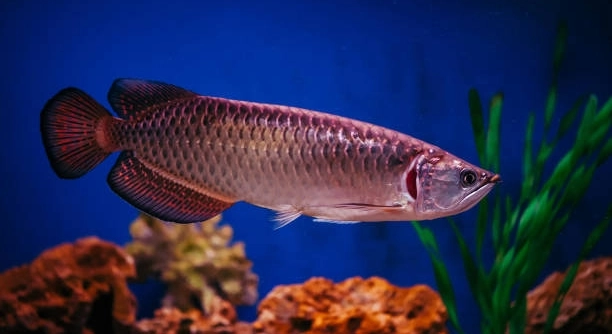
Observing arowanas can be a rewarding experience for any aquarium enthusiast. These elegant fish show distinct behaviors throughout the day, making it important to notice their patterns and daily routines carefully. Watching them can reveal unique habits.
The best times to observe arowana behavior are early morning, mid-morning, late morning, noon, early afternoon, late afternoon, and evening. Each period provides insight into feeding, swimming, resting, and social interactions, offering a complete view of their daily activity cycles.
Knowing these key observation times will improve your understanding of arowanas and help you maintain a healthier, more engaging environment for them.
Early Morning Observation
In the early morning, arowanas tend to be more alert and active. This is often when they first wake up and begin exploring their environment. During this period, you might notice them swimming near the surface or inspecting decorations in the tank. Their movements are usually calm, and feeding behaviors can start to appear as they search for leftover food or insects in the water. Observing at this time helps you understand their natural rhythm and provides a clear view of their health. It is also easier to see any changes in coloration or fin condition because they are fully awake. If you have multiple arowanas, early morning can reveal social dynamics and interactions that may be less noticeable later in the day. This period is crucial for spotting any unusual behavior early.
Early morning is ideal for noticing alertness, feeding readiness, and general health indicators in arowanas before the tank gets busier.
Consistently observing arowanas in the morning can help you track patterns in their swimming speed and interaction with the environment. By paying attention to these behaviors, you can adjust feeding schedules or tank conditions to better suit their needs.
Mid-Morning Observation
During mid-morning, arowanas often show increased exploration. Their swimming becomes more purposeful as they investigate the tank.
This period is key for observing how they interact with tank mates. You can also see hunting or feeding behaviors, which are more energetic than in early morning. Observing at this time provides insight into their natural instincts. Feeding at mid-morning can trigger playful movements and reveal which fish are dominant or more assertive. Noticing how they respond to the environment helps in creating a balanced space that reduces stress. Mid-morning observation also highlights territorial behavior, which is important for managing multiple fish in a tank. By paying attention to these patterns, you can identify preferences for hiding spots, surfaces they favor, and swimming routes. Tracking these behaviors ensures you provide enough stimulation and maintain a comfortable habitat that aligns with their daily activity.
Late Morning Observation
Arowanas are usually more active and confident in the late morning. Swimming patterns become smoother, and interactions with the environment are more deliberate. This period is useful to see dominant behaviors and their preference for certain areas of the tank.
During late morning, feeding behaviors are more pronounced. Arowanas often chase floating food or small insects, showing quick, precise movements. Social interactions become clearer, especially in tanks with multiple fish. Observing at this time can reveal which arowanas establish territory or hierarchy. You may notice patterns such as circling areas, nudging tank mates, or guarding favorite spots. Tracking these behaviors helps maintain harmony and ensures all fish have access to food and resting spaces. It is also easier to spot any health concerns because they are highly active.
Monitoring late morning activity provides insight into energy levels and daily routines. Arowanas often explore their environment more thoroughly, testing boundaries and identifying preferred swimming paths. By noting these behaviors, you can adjust tank layout or feeding schedules to align with their natural activity cycles.
Noon Observation
At noon, arowanas tend to slow down. Swimming becomes less intense, and they may rest near plants or decorations for short periods of inactivity. Observation at this time shows calmer, more measured behavior.
Noon is a critical period for assessing stress levels. Reduced activity may indicate comfort, but sudden lethargy can signal issues. Arowanas may hover near surfaces, gently moving fins, or make short, slow passes around the tank. Observing interactions during this time can highlight compatibility between tank mates. If some fish consistently dominate or isolate others, adjustments may be needed. Tracking these patterns ensures all fish remain healthy and prevents long-term stress. Noon observation also helps identify feeding routines, as some arowanas may still accept food, while others prefer resting. Maintaining a predictable environment during this period supports stability.
Early Afternoon Observation
Arowanas gradually regain energy in the early afternoon. Swimming becomes steady and measured, often near the center of the tank. Observing them now helps identify general activity trends and preferred resting spots.
This period is also suitable for monitoring feeding behavior. Some arowanas remain curious, following food or exploring surfaces. Watching during early afternoon shows which fish are more active after a midday rest. Patterns of swimming, surface inspection, and interaction with tank mates become noticeable. Consistent observation at this time helps maintain feeding routines and tank balance while noting potential stress signs.
Late Afternoon Observation
Late afternoon is often when arowanas display heightened alertness. They patrol the tank more frequently, showing territorial or playful behaviors. Feeding reactions may still occur, but overall movements are slower than mid-morning peaks. Watching during this period reveals social dynamics and hierarchy among tank mates. Observation can highlight dominant individuals, preferred swimming paths, and favorite resting spots. Environmental interactions become clear, and subtle changes in posture, fin movement, or color can indicate health status. This period is valuable for adjusting tank layout, introducing enrichment, or timing supplemental feeding to match natural activity patterns.
Evening Observation
In the evening, arowanas start to slow down, preparing to rest. Swimming becomes minimal, and they often hover near corners or plants.
FAQ
What is the best time to feed arowanas?
The best times to feed arowanas are early morning and mid-morning. During these periods, they are alert and actively exploring the tank, making them more likely to accept food. Feeding in these windows also matches their natural activity cycle, helping digestion and reducing stress. Avoid feeding late at night, as reduced activity can lead to uneaten food and water quality issues.
How can I tell if my arowana is stressed?
Signs of stress include rapid gill movement, hiding excessively, erratic swimming, or color changes. Observing behavior throughout the day, especially during peak activity periods like mid-morning and late afternoon, helps identify stress early. Changes in social behavior, such as aggression or avoidance, also indicate possible stress factors in the tank environment.
Is it normal for arowanas to rest during the day?
Yes, arowanas rest periodically throughout the day, particularly around noon and early afternoon. These resting periods are natural and allow them to conserve energy. Hovering near plants, tank corners, or decorations is typical behavior. Distinguishing between normal rest and lethargy due to illness requires consistent observation over multiple days.
Can I observe arowanas at night?
Arowanas are less active at night, though they may move slowly near the surface. Nighttime observation is useful to check if they are healthy and resting safely. Minimal activity at night is normal, but sudden inactivity or erratic movements could indicate illness or discomfort.
How often should I monitor arowana behavior?
Daily observation is recommended to track patterns in feeding, swimming, and social interactions. Monitoring multiple times throughout the day—early morning, mid-morning, noon, and late afternoon—provides a clear picture of their routines. Regular observation also allows early detection of health or behavioral issues.
Do arowanas have favorite areas in the tank?
Yes, arowanas often prefer specific zones for resting, feeding, or patrolling. Early morning and late afternoon are ideal times to note these preferences. Recognizing their favorite areas can help adjust tank layout, decorations, and hiding spots to reduce stress and encourage natural behavior.
What should I do if arowanas show aggressive behavior?
Aggression can appear during mid-morning and late afternoon when activity peaks. Observe which individuals dominate or defend territory, then adjust tank size or add hiding spaces. Reducing stress through proper feeding, enrichment, and compatible tank mates can also minimize aggressive interactions.
How does lighting affect observation?
Lighting influences arowana activity. Bright daylight enhances visibility of behavior patterns, while dim or uneven light can hide subtle movements. Observing during well-lit periods like mid-morning and late morning ensures accurate assessment of swimming, feeding, and social behaviors. Consistent lighting schedules also support their natural circadian rhythm.
Is it necessary to record behavior daily?
Keeping a brief log of daily behavior helps identify trends, health concerns, or changes in activity. Noting preferred swimming areas, feeding response, and social interactions during early morning, noon, and late afternoon makes it easier to detect problems early and adjust care routines accordingly.
Can observation improve arowana health?
Yes, observing arowanas at different times of day provides insight into their overall well-being. Tracking activity, feeding patterns, and interactions allows for better tank management, timely interventions for stress or illness, and maintenance of a stable, suitable environment for long-term health.
Observing arowanas at different times of the day is an important part of understanding their behavior and needs. Each period—early morning, mid-morning, late morning, noon, early afternoon, late afternoon, and evening—offers unique insights into how these fish interact with their environment and each other. Paying attention to their swimming patterns, feeding habits, and resting behaviors helps you notice subtle changes that may indicate health or stress issues. Regular observation also allows you to see which areas of the tank your arowanas prefer, which can inform how you arrange decorations, hiding spots, or feeding locations to better suit their comfort. Over time, you will become familiar with their natural routines, making it easier to identify when something is out of the ordinary.
Maintaining a consistent observation schedule benefits both the fish and the tank environment. Arowanas are sensitive to changes in lighting, water quality, and tank mates, and observing them throughout the day provides a clear picture of how these factors affect their behavior. Noting patterns in activity can help you time feedings effectively, ensuring that all fish receive proper nutrition and reducing the risk of uneaten food accumulating in the tank. Monitoring social interactions during periods of peak activity, like mid-morning or late afternoon, can also reveal aggressive behaviors or dominance hierarchies. Understanding these dynamics allows you to make adjustments that prevent stress and maintain a peaceful environment. Observation is not only about noticing problems but also about reinforcing positive conditions that promote healthy growth and natural behavior.
Consistent attention to arowana behavior strengthens your ability to provide a supportive environment tailored to their needs. By observing daily routines, resting periods, and responses to feeding or tank changes, you gain practical knowledge that goes beyond general care guidelines. This knowledge helps in maintaining water quality, adjusting tank layouts, and managing feeding schedules, all of which directly influence the fish’s well-being. Arowanas thrive in a stable, predictable environment, and observing them throughout the day is the best way to ensure stability. Taking the time to watch these fish carefully fosters a deeper understanding of their habits and needs. Ultimately, this approach encourages healthier, more active fish and a more harmonious tank, making the experience of keeping arowanas both manageable and rewarding.

Hello,
If you enjoy the content that we create, please consider saying a "Thank You!" by leaving a tip.
Every little bit helps us continue crafting quality advice that supports the health, happiness, and well-being of pets around the world, for pets of all shapes, sizes, and species.
We really appreciate the kindness and support that you show us!