
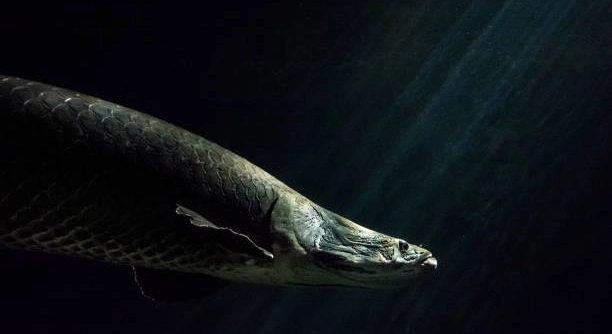
Do you ever find yourself admiring your arowana but wishing its colors were brighter and more vibrant? Many fish owners face this challenge, hoping to see their arowana’s natural beauty fully expressed in its scales and fins.
Enhancing arowana coloration naturally involves a combination of proper nutrition, optimal water conditions, stress reduction, and environmental enrichment. Each factor contributes to pigment development, health, and overall vitality, ensuring the fish displays its most vibrant and visually appealing colors.
Improving your arowana’s color requires consistent care, but small changes can lead to noticeable results in a short time. Simple adjustments can make a significant difference in your fish’s appearance.
Provide a Balanced Diet
Feeding your arowana a balanced diet is one of the most effective ways to enhance its color naturally. Include high-quality pellets, live or frozen foods like shrimp, and occasional treats like worms. Foods rich in carotenoids, such as krill or specially formulated color-enhancing pellets, help bring out red and gold hues. Avoid overfeeding, as excessive food can lead to poor water quality and stress, both of which negatively affect color. Rotating food types also ensures your arowana receives a range of nutrients, supporting overall health and scale vibrancy. Consistency is key, as sudden changes in diet can cause temporary stress and dullness in coloration. Observing your fish while feeding helps you notice changes in appetite or behavior that may signal dietary adjustments are needed. A well-fed arowana not only grows stronger but also displays its full natural coloration, making its presence in the tank more striking and lively.
Balanced nutrition directly impacts your arowana’s coloration and vitality, encouraging healthy growth while preventing color fading.
Introducing variety in diet ensures your arowana receives sufficient carotenoids and vitamins. Live or frozen options stimulate natural hunting behavior, increasing activity levels, which also promotes healthier skin and brighter scales. Color-enhancing pellets can be rotated with natural protein sources, preventing monotony and nutritional gaps. Regular monitoring of feeding habits ensures your arowana is getting enough nutrients without overfeeding. A balanced diet paired with clean water and stable tank conditions creates the optimal environment for your fish to thrive.
Maintain Optimal Water Conditions
Stable water quality is essential for vibrant arowana colors. Regular testing for pH, ammonia, nitrites, and nitrates keeps the environment safe.
Consistent water temperature, proper filtration, and routine water changes reduce stress and allow scales to show their natural brilliance. Avoid sudden fluctuations in temperature or chemical levels.
Ideal water conditions include a temperature between 75–82°F and slightly acidic to neutral pH levels. Use high-quality filtration systems and perform weekly partial water changes to remove waste buildup. Stress from poor water conditions can cause colors to fade and reduce appetite. Proper aeration and circulation ensure oxygen levels remain sufficient, supporting metabolism and coloration. Decorate the tank minimally, avoiding overcrowding and aggressive tank mates that can create tension. Monitoring water clarity, hardness, and chemical composition regularly allows you to adjust parameters before problems arise. Clean water, combined with proper diet and lighting, maximizes your arowana’s color expression. Consistency and attention to detail in maintaining water conditions directly influence the health and vibrancy of your fish, making it appear lively and radiant over time.
Reduce Stress in the Tank
Stress directly affects an arowana’s color. Minimize sudden movements around the tank, avoid overcrowding, and keep aggressive fish away to create a calm environment.
Stress can dull your arowana’s scales and weaken its immune system. Consistent lighting, stable water parameters, and peaceful tank mates help your fish feel secure. Avoid tapping the glass or changing decorations too often, as sudden environmental changes can trigger fear. A calm environment encourages natural behavior, improving appetite and allowing colors to fully develop. Observing your fish regularly helps detect stress early, giving you time to make adjustments before colors fade or health declines.
Providing hiding spots and areas of low activity helps arowanas feel safe, reducing stress levels. Regular tank maintenance without drastic changes keeps their environment predictable. Limiting excessive handling, sudden noises, and overcrowding improves mood and encourages more vibrant colors. Stress management is as important as diet or water quality because a relaxed arowana will display its brightest scales naturally.
Use Proper Lighting
Lighting affects an arowana’s appearance and color intensity. Ensure the tank receives consistent light without overheating the water.
Natural-spectrum LED lights enhance reds and golds, supporting pigment visibility. Avoid placing tanks in direct sunlight, which can overheat water and promote algae growth.
Providing 10–12 hours of daily lighting simulates natural conditions and helps regulate circadian rhythms, supporting metabolism and coloration. Use full-spectrum lights to highlight your arowana’s natural hues. Consistent lighting prevents darkened or dull scales caused by irregular light exposure. Combining lighting with proper water clarity ensures colors remain sharp and noticeable. Observing how your arowana reacts to light can guide adjustments. Gradual changes in intensity or schedule prevent stress. Proper lighting, paired with a balanced diet and clean water, allows your fish to display its full color potential.
Introduce Live Foods
Live foods stimulate natural hunting instincts and improve color vibrancy. Foods like shrimp, small fish, or worms provide nutrients not always found in pellets.
Feeding live foods occasionally encourages activity, reduces boredom, and supports stronger pigmentation. It also provides protein and carotenoids, key for brighter scales.
Maintain Proper Tank Size
Arowanas need ample space to grow and swim freely. Crowded tanks increase stress and hinder color development. Proper tank dimensions allow for full movement, reducing aggression and promoting overall health.
Include Color-Enhancing Supplements
Supplements like carotenoids and astaxanthin can boost red and gold hues. They should complement a balanced diet, not replace natural foods, to ensure healthy and vibrant scales.
Provide Gentle Water Flow
Moderate water flow keeps oxygen levels stable and encourages natural swimming behavior. Gentle currents prevent stagnation while avoiding stress, helping arowanas display their brightest colors consistently.
FAQ
How often should I feed my arowana to improve its color?
Feeding frequency depends on your arowana’s age and size. Juveniles usually require two to three small meals daily, while adults do well with one or two. Overfeeding can harm water quality, reduce activity, and dull color, so portion control is important. Rotating protein sources, pellets, and live foods ensures balanced nutrition and supports vibrant pigmentation over time. Watching your fish’s appetite is key; a healthy, active arowana with a varied diet will naturally show brighter colors without unnecessary stress or overfeeding.
What type of foods enhance red and gold colors the most?
Carotenoid-rich foods are the best for color enhancement. Shrimp, krill, bloodworms, and certain pellets designed for color support red and gold hues. Occasional live foods stimulate natural hunting behavior, promoting activity that indirectly supports brighter scales. Avoid relying solely on processed foods, as live and natural sources provide essential nutrients that improve both overall health and visual appeal.
Can water conditions really change an arowana’s color?
Yes, water quality directly affects pigmentation. Poor water conditions cause stress, weakening immune function and dulling scales. Maintaining stable temperature, pH, ammonia, nitrite, and nitrate levels allows pigments to develop fully. Regular water changes, proper filtration, and monitoring parameters help prevent color fading and ensure your fish remains healthy and vibrant.
Does stress affect arowana coloration?
Stress can significantly dull an arowana’s colors. Overcrowding, aggressive tank mates, sudden lighting changes, or frequent tank disturbances trigger stress responses. A stressed fish may hide, refuse food, or display muted colors. Reducing stress with calm surroundings, minimal handling, and secure hiding spots supports brighter scales and overall health.
Is lighting important for natural color enhancement?
Proper lighting highlights natural pigmentation. Full-spectrum LED lights or daylight-simulating bulbs enhance reds, golds, and metallic shades. Consistent lighting for 10–12 hours daily maintains circadian rhythms and encourages normal behavior. Avoid direct sunlight or extreme brightness, which can cause stress, algae growth, and water temperature spikes, all negatively affecting color.
How does tank size influence coloration?
Arowanas require spacious tanks to swim freely. Crowded conditions increase stress and restrict movement, leading to duller colors and slower growth. Proper tank dimensions allow natural swimming, reduce aggression, and support overall health. More space also lets you arrange decorations strategically, providing comfort and visual appeal.
Can supplements replace a balanced diet?
Supplements like carotenoids and astaxanthin enhance colors but cannot replace a balanced diet. They work best alongside high-quality pellets, live foods, and occasional treats. Over-reliance on supplements may lead to nutritional gaps or imbalances. Proper feeding routines paired with supplements maximize vibrancy without compromising health.
How long does it take to notice color improvements?
Color improvements vary by age, diet, and environment. Juveniles may show changes in a few weeks with proper care, while adults can take months. Consistent feeding, stable water conditions, stress reduction, and appropriate lighting gradually reveal enhanced pigmentation. Patience is key to maintaining natural, vibrant colors.
Do tank decorations affect coloration?
Decorations impact stress levels and color display. Hiding spots or neutral-colored backgrounds reduce stress, allowing colors to appear brighter. Avoid overcrowding with sharp or reflective objects, as excessive disturbances can dull pigmentation. Thoughtful arrangement supports both aesthetics and fish well-being.
Is temperature regulation important for color?
Yes, stable water temperature between 75–82°F supports metabolism and pigment expression. Sudden fluctuations cause stress and may fade colors. Using heaters or chillers, depending on your climate, ensures optimal conditions for vibrant scales. Consistency in temperature promotes health, activity, and natural coloration.
This FAQ covers the main factors affecting arowana color naturally, providing clear guidance for feeding, environment, stress management, and supplemental care. Proper attention to these details ensures your fish maintains a strong, healthy, and vibrant appearance.
Taking care of an arowana and enhancing its color naturally requires patience, attention, and consistency. The health of your fish is closely tied to the environment you provide, the food it receives, and the stress levels it experiences. Each factor contributes to how vibrant and bright your arowana’s scales will appear. By maintaining clean water, feeding a varied and balanced diet, and providing a calm and spacious tank, you give your fish the best chance to show its natural beauty. Proper lighting and gentle water flow also play a role, helping your arowana remain active and healthy. When these factors are combined, the changes in color may be gradual, but they are long-lasting and sustainable. It is important to remember that quick fixes or overuse of supplements cannot replace consistent care. The overall well-being of your arowana is the foundation for vibrant colors, and attention to detail in daily care routines can make a noticeable difference over time.
Consistency in feeding and tank maintenance is one of the most reliable ways to ensure your arowana reaches its full color potential. Using high-quality pellets, live or frozen foods, and occasional color-enhancing supplements helps support natural pigmentation. Rotating foods and maintaining portion control prevents nutritional deficiencies while avoiding overfeeding, which can affect water quality and stress levels. A calm tank environment, free from aggressive tank mates and sudden changes, encourages natural behavior and reduces stress, allowing colors to develop fully. Observing your fish regularly helps you spot early signs of health or environmental issues before they affect coloration. Even small adjustments, such as stabilizing temperature or adjusting lighting duration, can improve your fish’s appearance over weeks or months. With patient and consistent care, you will notice brighter scales and healthier behavior, which reflects the effort you put into maintaining your arowana’s habitat.
It is important to approach color enhancement as part of overall fish care rather than a separate goal. Bright colors are a result of health, activity, and comfort, rather than simply adding supplements or artificial enhancements. Taking the time to monitor water conditions, provide varied nutrition, and reduce stress not only supports coloration but also extends the life and vitality of your arowana. Gradual improvements should be expected, and patience is essential, as forcing changes too quickly can lead to stress or illness. By prioritizing natural care methods, you can enjoy the satisfaction of seeing your arowana thrive in a stable, healthy environment. Over time, the combination of proper diet, clean water, stress reduction, and consistent care will result in a fish that displays its natural colors beautifully, making your tank more lively and visually appealing. Maintaining this balance ensures that your arowana not only looks its best but also remains happy and healthy for years to come.

Hello,
If you enjoy the content that we create, please consider saying a "Thank You!" by leaving a tip.
Every little bit helps us continue crafting quality advice that supports the health, happiness, and well-being of pets around the world, for pets of all shapes, sizes, and species.
We really appreciate the kindness and support that you show us!