
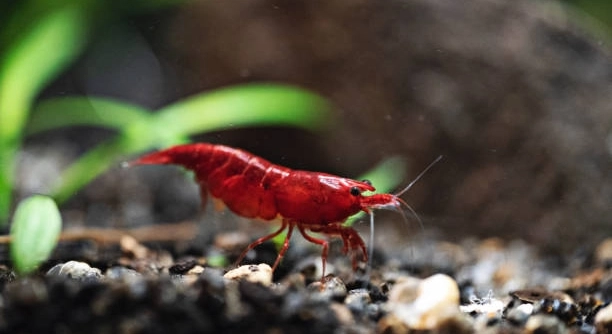
Cherry shrimp are small, colorful freshwater creatures that have become popular in home aquariums. Many hobbyists enjoy watching them move gracefully among plants while maintaining a clean tank environment. Their gentle nature makes them appealing to keep.
Cherry shrimp can breed successfully in a home tank if the water parameters are stable and there is sufficient food and shelter. Proper temperature, pH balance, and hiding spots encourage natural reproduction and survival of the young.
Learning about their breeding habits helps you create the ideal environment. Small adjustments can make a big difference in the health and growth of your shrimp colony.
Understanding Cherry Shrimp Breeding
Breeding cherry shrimp at home is possible, but it requires some attention to their environment. They thrive in tanks with stable water parameters, moderate temperature, and plenty of hiding spots. Plants and moss provide shelter for baby shrimp, known as shrimplets, and also give adults places to graze. Avoid sudden changes in water chemistry, as shrimp are sensitive and stress can prevent breeding. Feeding them a mix of algae, biofilm, and specialized shrimp food ensures they get the nutrients they need for healthy eggs. Observing their behavior can help you notice when females are carrying eggs, which are small and greenish under their tails. A calm, well-maintained tank encourages females to lay eggs regularly, and males will naturally fertilize them. With patience, your population can grow steadily without needing complicated interventions or chemicals.
Breeding cherry shrimp is mostly about maintaining consistency. Stable conditions make reproduction more predictable and healthy.
Even small details, like tank size and plant density, affect breeding success. Crowded tanks or bare setups make shrimp insecure and less likely to reproduce. Adding moss or fine-leaf plants creates ideal microhabitats for shrimplets, which are extremely tiny and vulnerable to being eaten. Water filtration should be gentle to avoid sucking up babies. Regular partial water changes keep the water clean without stressing the shrimp. Temperature between 72 and 78°F is ideal, and pH should be slightly acidic to neutral. Observing shrimp daily allows you to notice changes in behavior, ensuring that eggs are developing properly. Overfeeding can pollute water, so a balanced diet is key. With attention to these factors, even a beginner can successfully maintain a breeding population, seeing new generations thrive over time.
Signs That Your Shrimp Are Ready to Breed
Cherry shrimp ready to breed show specific behaviors. Females appear fuller under the belly, and males often swim more actively.
Eggs are carried under the female’s tail for about 2–3 weeks. Careful observation helps ensure the eggs remain healthy.
Females may hide more often during this time to protect their eggs. Providing plenty of plants and moss gives them security. Avoid disturbing the tank, as stress can cause females to drop eggs. When shrimplets hatch, they are tiny and stay hidden among plants until they are strong enough to swim freely. Regular feeding and maintaining water quality are essential to support both adults and babies. By understanding these signs and adjusting the tank environment, you increase the chances of a successful, self-sustaining shrimp colony that can grow steadily over time.
Water Conditions for Breeding
Stable water conditions are essential for cherry shrimp breeding. Sudden changes in temperature, pH, or hardness can stress shrimp and prevent them from reproducing. Clean, filtered water supports both adult shrimp and shrimplets, helping the colony thrive.
Maintaining the correct temperature between 72 and 78°F is crucial. A pH around 6.5 to 7.5 works best, and soft to moderately hard water is ideal. Avoid adding chemicals unnecessarily, as shrimp are sensitive to medications and water treatments. Regular small water changes help maintain stability while keeping ammonia and nitrites low. A gentle filter prevents disturbing shrimplets, which can be easily sucked in. Observing water clarity and plant health also provides indirect clues about the tank’s balance.
Using natural substrates like sand or fine gravel helps maintain stable conditions. These materials support biofilm growth, which shrimp feed on, and allow waste to settle without creating spikes in ammonia. Plants and moss stabilize water parameters by absorbing excess nutrients. Avoid overcrowding the tank, as too many shrimp can increase stress and degrade water quality. Regular monitoring ensures that the water remains within ideal ranges, supporting both successful breeding and long-term shrimp health.
Feeding and Nutrition
A varied diet ensures shrimp stay healthy and reproduce regularly. Shrimp feed on biofilm, algae, and specialized foods designed for their needs.
High-quality pellets or flakes supplemented with blanched vegetables provide necessary nutrients. Small, frequent feedings prevent water pollution while supporting growth. Protein-rich foods help females develop eggs more effectively, and fiber from plants aids digestion. Observing shrimp during feeding times shows whether all individuals are eating properly. Uneaten food should be removed to maintain water quality and avoid bacterial growth.
Providing live or frozen foods like daphnia or brine shrimp enhances nutrition and encourages natural foraging behaviors. Leaf litter, such as Indian almond leaves, offers both food and shelter for shrimplets. This combination of plant-based and protein-rich foods supports healthy reproduction cycles. Monitoring the shrimp population ensures that everyone gets enough to eat without overfeeding. With proper nutrition, females carry eggs consistently, males remain active, and shrimplets grow strong. Balanced feeding also reduces stress, helping the colony maintain a stable and self-sustaining population over time.
Tank Setup and Space
Cherry shrimp need plenty of hiding spots. Plants, moss, and decorations provide shelter for both adults and shrimplets, reducing stress and encouraging breeding.
Overcrowding can cause stress and slow reproduction. A spacious tank with enough room for each shrimp ensures healthier growth and a higher chance of successful breeding.
Monitoring Egg Development
Females carry eggs under their tails for about 2–3 weeks. Watching for changes in size and color helps track development. Proper water conditions are essential to prevent eggs from falling off or failing to hatch.
Caring for Shrimplets
Shrimplets are tiny and vulnerable after hatching. Providing dense plants and moss gives them safety while they grow. Feeding fine biofilm and powdered shrimp foods supports their early development, helping them survive to adulthood.
Common Breeding Challenges
Shrimp may face obstacles like stress, poor water quality, or aggressive tank mates. Addressing these issues promptly increases breeding success and helps maintain a healthy, thriving colony.
FAQ
How long does it take for cherry shrimp eggs to hatch?
Cherry shrimp eggs usually take about 2–3 weeks to hatch. Temperature affects timing, with warmer water speeding development slightly. During this period, the female carries the eggs under her tail, constantly fanning them to keep them oxygenated and clean.
Can cherry shrimp breed without plants in the tank?
While breeding is possible without plants, it is much harder. Plants and moss provide shelter for shrimplets and give adults safe spaces. Without hiding spots, babies are more likely to be eaten, and adults may feel stressed, reducing reproduction.
Do male and female shrimp look different?
Yes. Females are generally larger, with a rounded belly when carrying eggs, while males are smaller and more slender. Females also often show a lighter or more translucent color on the underbelly when gravid, making it easier to spot egg-carrying shrimp.
How many eggs can a female carry at once?
A healthy female can carry anywhere from 20 to 30 eggs. This number depends on her age, health, and environmental conditions. Providing sufficient food and clean water helps females develop more eggs and increases the chances of healthy hatching.
Will shrimplets survive in a community tank?
Shrimplets can survive in a community tank if there are plenty of plants and moss to hide in. However, small or aggressive tank mates may eat the babies. A species-only tank increases survival rates significantly and reduces stress on both adults and shrimplets.
What should I feed baby shrimp?
Shrimplets feed on biofilm, algae, and powdered shrimp foods. Fine foods are necessary because their tiny mouths cannot handle larger flakes or pellets. Adding leaf litter or Indian almond leaves can provide extra nutrition and shelter at the same time.
Do water changes affect breeding?
Regular small water changes are important, but large sudden changes can stress shrimp and cause females to drop eggs. Maintaining stable water parameters is key, and gentle, partial water changes keep the tank healthy without disrupting breeding.
Can stress stop shrimp from reproducing?
Yes. Stress from poor water quality, aggressive tank mates, overcrowding, or sudden changes can prevent breeding. Shrimp need a calm, stable environment to reproduce successfully. Monitoring water parameters and tank dynamics helps minimize stress and maintain healthy reproduction.
Is it necessary to separate adults and babies?
It’s not always necessary, but separating them can increase survival rates. In a planted or well-structured tank, shrimplets can hide and survive alongside adults. In bare tanks or with predators, separating babies ensures they grow safely.
How often do cherry shrimp breed?
With proper conditions, cherry shrimp can breed continuously throughout the year. Females will carry eggs every few weeks, and new generations grow quickly. Maintaining stable water, proper nutrition, and adequate shelter encourages frequent, healthy breeding cycles.
Do I need special lighting for breeding?
Normal aquarium lighting is sufficient. While plants benefit from light for growth, which indirectly helps shrimp, special lighting is not required for breeding. Consistent day-night cycles help maintain natural behaviors, including reproduction.
What problems are common during breeding?
Common issues include poor water quality, stress from overcrowding, aggressive tank mates, and insufficient food. Females may drop eggs or shrimplets may not survive. Paying attention to tank conditions and addressing problems early increases success.
Can shrimp survive in different water types?
Cherry shrimp prefer soft to moderately hard water with a pH of 6.5–7.5. Extreme hardness, acidity, or sudden changes can stress shrimp and affect breeding. Testing water regularly ensures conditions remain within a safe range for healthy reproduction.
How can I tell if eggs are fertilized?
Fertilized eggs are green or brown and appear firm under the female’s tail. Unfertilized eggs may turn clear or white and can fall off. Healthy eggs require stable water and gentle fanning by the female to develop properly.
Do shrimp need hiding places even if there are no predators?
Yes. Even without predators, hiding spots reduce stress, encourage natural behaviors, and provide safe areas for shrimplets. Dense plants, moss, and decorations support both adult shrimp and babies, making breeding more successful and steady.
How long until shrimplets reach maturity?
Shrimplets typically take 2–3 months to reach maturity. Growth depends on water quality, diet, and tank conditions. Providing steady nutrition and a calm environment ensures they develop healthily and are ready to reproduce in their own time.
Can I use tap water for breeding?
Tap water is fine if properly conditioned to remove chlorine and chloramines. Water should be tested and adjusted for pH, hardness, and temperature. Consistency matters more than the source, so once the water is safe, breeding can proceed successfully.
Is it normal for females to hide when carrying eggs?
Yes. Females often become more reclusive while carrying eggs. Providing plants and moss allows them to feel safe, which reduces stress and increases the chances of successful hatching. Avoid handling the tank during this time to prevent disturbances.
What should I do if eggs don’t hatch?
Check water parameters, temperature, and cleanliness. Stress, poor nutrition, or sudden changes can prevent eggs from developing. Sometimes eggs fail despite good care, but maintaining stable conditions generally increases hatching success over time.
How many generations can I expect in a year?
With ideal conditions, multiple generations are possible. Each female can produce eggs every few weeks, leading to several overlapping generations. Stable water, proper feeding, and plenty of hiding spots help maintain continuous reproduction.
Final Thoughts
Breeding cherry shrimp in a home tank is very doable, but it takes attention and patience. The key is creating a stable environment where shrimp feel safe and healthy. Consistent water temperature, proper pH, and moderate hardness are essential. Sudden changes in the tank can stress the shrimp and prevent reproduction. Plants, moss, and other hiding spots help shrimplets survive and allow adults to feel secure. A calm and clean tank promotes natural behaviors and encourages females to carry eggs regularly.
Nutrition plays a big role in breeding success. Shrimp need a mix of biofilm, algae, and specialized foods to stay healthy. Females require proper nutrients to develop eggs, while males need energy to stay active and fertilize the eggs. Shrimplets feed on very fine particles, so providing powdered shrimp foods or plant material is important for early growth. Overfeeding can pollute the water, which stresses the shrimp and can harm eggs or babies. Small, regular feedings work best to maintain water quality and support healthy development for all shrimp.
Patience is important when breeding cherry shrimp. Observing their behavior and making small adjustments over time helps the colony thrive. Even minor details, like gentle filtration and partial water changes, can improve survival rates for eggs and shrimplets. Avoid overcrowding the tank, as it increases stress and reduces the chances of successful breeding. With careful attention to water quality, nutrition, and shelter, a home tank can support multiple generations of cherry shrimp. Over time, watching the colony grow and observing shrimplets mature can be very rewarding, and the shrimp will continue to reproduce naturally in a healthy, stable environment.

Hello,
If you enjoy the content that we create, please consider saying a "Thank You!" by leaving a tip.
Every little bit helps us continue crafting quality advice that supports the health, happiness, and well-being of pets around the world, for pets of all shapes, sizes, and species.
We really appreciate the kindness and support that you show us!