
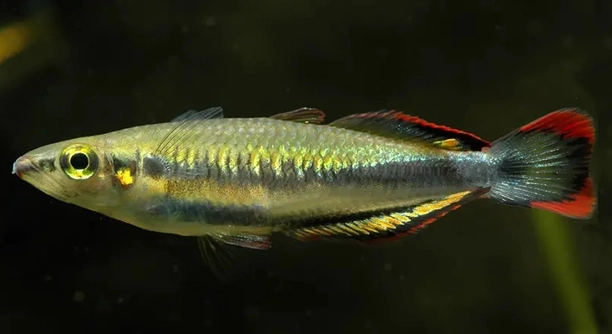
Many aquarium owners enjoy watching their rainbowfish swim gracefully, but sometimes these colorful fish hide or linger in corners of the tank. Their shy behavior can leave owners unsure about the reasons behind it.
Rainbowfish may act shy due to stress, sudden environmental changes, or lack of proper hiding spots. Adjustments in water quality, tank setup, and social interactions can significantly influence their comfort levels and overall behavior.
Recognizing the subtle signs of shyness can help you create a calmer, more welcoming environment for your rainbowfish. Understanding these factors improves both their well-being and your enjoyment of the aquarium.
Common Causes of Shyness in Rainbowfish
Rainbowfish often hide or swim nervously when they feel insecure. Changes in their environment, such as sudden movement near the tank or loud noises, can make them cautious. Poor water conditions, including incorrect pH or temperature, may also trigger shy behavior. In some cases, overcrowding or incompatible tank mates causes stress. Even the absence of plants or decorations can make rainbowfish feel exposed. They naturally prefer areas where they can retreat if threatened, so a bare tank can amplify their hesitation. Observing their daily routine can reveal patterns of shyness, helping to identify the specific triggers. Feeding schedules and sudden changes in diet may also affect their confidence in exploring the tank. Providing consistent care and avoiding sudden disruptions can encourage them to behave more openly. Regular monitoring of tank parameters ensures a stable environment, which is crucial for reducing stress and promoting natural behavior among your rainbowfish.
Adding a few hiding spots often encourages rainbowfish to explore more confidently and reduces nervous behavior.
Even subtle changes can influence their comfort. Decorations, plants, or rocks give them areas to feel safe. Over time, they learn which spaces are secure, and shy fish gradually become more active. Observing their interactions helps fine-tune tank arrangements for better behavior.
Environmental Adjustments That Help
Water quality has a major impact on rainbowfish behavior.
Proper filtration, regular water changes, and maintaining stable temperature reduce stress. Rainbowfish are sensitive to sudden shifts, so consistent conditions are essential. Adjusting lighting to mimic natural cycles encourages natural activity. Plants or floating decorations offer hiding spots and reduce anxiety. Overcrowding should be avoided, as it can intensify nervous behavior and cause competition for space. Tank mates should be compatible in temperament and size to prevent aggression or intimidation. Even the type of substrate can affect comfort levels. A well-thought-out layout with open swimming areas and secure hiding spaces provides balance. Observing the fish after adjustments reveals which changes have the greatest effect. Gradual introductions of new elements prevent overwhelming them. Attention to both physical and social environment helps rainbowfish feel secure. By addressing these factors, shy behavior can be minimized, leading to a healthier and more engaging aquarium experience overall.
Adjusting Feeding Habits
Feeding routines affect rainbowfish behavior. Irregular schedules or sudden changes in food type can make them hesitant. Consistency helps them feel secure and encourages active swimming during feeding times.
Offering small, frequent meals is more effective than one large portion. Rainbowfish may avoid food if it appears unfamiliar or if other fish dominate the feeding area. Observing which foods they prefer can help reduce stress and increase confidence. Live or frozen foods often stimulate natural hunting behavior, encouraging shy fish to come out of hiding. Overfeeding can cause water quality issues, which further impacts their willingness to explore.
Placing food in multiple areas of the tank prevents competition and allows timid fish to feed safely. Gradually introducing new foods in small amounts helps them adapt without triggering fear. Consistent observation ensures all fish receive proper nutrition and reduces anxiety, creating a calmer, more balanced tank environment. Feeding habits are an important factor in shaping behavior and overall well-being.
Social Dynamics in the Tank
Rainbowfish feel safer in groups, but overcrowding can increase stress. Proper stocking levels allow shy individuals to thrive without constant pressure.
Introducing new fish gradually prevents aggression. Each rainbowfish has its own temperament, and some may intimidate others if added suddenly. Observing interactions is key to understanding which combinations work best. Compatible tank mates support confidence and encourage natural schooling behavior. Territorial disputes can be minimized with enough space and hiding spots. Maintaining stable groups reduces stress and allows shy fish to slowly integrate. Over time, social familiarity helps them feel secure and explore more openly.
Creating a balanced community requires monitoring both numbers and temperament. Avoid placing aggressive or very active fish with timid rainbowfish, as this may exacerbate hiding behavior. Providing plants, rocks, and open swimming areas ensures each fish has space to retreat when needed. Regularly checking water quality and tank layout while maintaining a calm environment strengthens social stability. Gradual introductions and consistent care allow shy rainbowfish to develop trust within their group. Over time, this fosters healthier interactions and encourages natural, confident behavior in the tank.
Lighting and Tank Placement
Bright or harsh lighting can make rainbowfish retreat. Dimming lights or using floating plants helps create a calmer environment. Positioning the tank away from constant activity also reduces stress and encourages natural behavior.
Gradual changes in light intensity allow rainbowfish to adjust without panic. Observing how they respond to different lighting setups can help identify the best conditions for a comfortable tank.
Importance of Hiding Spots
Providing multiple hiding places reduces stress and encourages timid rainbowfish to explore. Plants, rocks, and decorations create areas where fish feel safe. A variety of hiding spots allows shy individuals to find comfort while remaining visible enough to swim confidently when ready.
Maintaining Water Quality
Stable water conditions are crucial for rainbowfish behavior. Regular testing of pH, temperature, and ammonia levels prevents stress. Consistent filtration and routine water changes support a healthy, calm environment where fish feel secure and are more likely to be active and social.
Avoiding Sudden Changes
Rainbowfish react negatively to abrupt shifts in their environment. Gradual adjustments in temperature, water chemistry, or tank layout reduce fear. Consistency in daily care routines helps them develop trust and confidence, resulting in more relaxed and natural behavior over time.
FAQ
Why is my rainbowfish hiding most of the time?
Rainbowfish often hide when they feel stressed or unsafe. Common triggers include sudden movements near the tank, loud noises, or aggressive tank mates. Lack of hiding spots or abrupt changes in water conditions can also make them retreat. Providing plants, rocks, or decorations creates secure areas where they can feel protected. Over time, consistent care and a stable environment help them explore more confidently.
How can I encourage shy rainbowfish to come out?
Adding several hiding spots and arranging the tank to balance open swimming areas with secure retreats encourages timid fish to gradually leave their shelters. Feeding them in small, predictable amounts and placing food in different locations reduces competition and helps them feel safer. Avoid sudden changes in lighting or water conditions, and monitor interactions with other fish to ensure they are not being bullied or intimidated.
Can water quality affect rainbowfish behavior?
Yes, water quality is a major factor. Rainbowfish are sensitive to pH changes, ammonia spikes, or temperature fluctuations. Poor water conditions cause stress, making fish hide more often. Regular testing, routine water changes, and stable filtration maintain a healthy environment, promoting calm and active behavior. Keeping water parameters consistent is especially important when introducing new fish or adjusting tank layout.
Do rainbowfish need specific tank mates to feel comfortable?
Rainbowfish are generally peaceful, but social dynamics influence their confidence. Shy individuals may feel intimidated by aggressive or overly active fish. Choosing compatible tank mates and avoiding overcrowding allows timid rainbowfish to swim freely without constant stress. Observing interactions and ensuring enough space for each fish helps maintain a balanced and calm community. Gradual introductions of new fish prevent sudden fear or aggression.
Will lighting impact my rainbowfish’s shyness?
Yes, lighting intensity and placement can affect behavior. Bright or harsh lights can make rainbowfish hide, while soft or diffused lighting provides a sense of security. Floating plants or decorations help diffuse light and offer shaded areas, giving timid fish confidence to explore. Gradually adjusting light levels allows them to acclimate without panic.
How important is the feeding routine for shy rainbowfish?
A consistent feeding schedule reassures rainbowfish and reduces anxiety. Sudden changes in diet or irregular feeding times can make timid fish more reluctant to come out. Offering small, frequent meals and observing which foods they prefer encourages exploration. Spreading food across multiple locations prevents competition and ensures all fish feel safe during feeding.
Can overcrowding make rainbowfish shy?
Overcrowding increases stress and competition for space and food. Timid rainbowfish may retreat more often when there are too many active or aggressive tank mates. Maintaining proper stocking levels and providing enough hiding spots allows all fish to feel secure, promoting natural, confident behavior over time.
How do I know if my rainbowfish is stressed or just naturally shy?
Shy behavior becomes a concern when accompanied by other signs of stress, such as clamped fins, reduced appetite, or erratic swimming. If a fish hides occasionally but still eats, swims normally, and interacts with tank mates, it may simply be naturally cautious. Regular observation helps distinguish between stress and personality.
Can rearranging the tank help shy rainbowfish?
Yes, careful rearrangement can create a more comfortable environment. Adding plants, rocks, and other decorations provides hiding spots and reduces exposure. Avoid frequent, drastic changes, as sudden moves can trigger fear. Gradual adjustments give rainbowfish time to acclimate, helping timid individuals gain confidence and explore more freely.
Is it normal for rainbowfish to hide after being introduced to a new tank?
Yes, new environments are stressful for most rainbowfish. They need time to adapt to water conditions, tank layout, and new tank mates. Providing hiding spots, maintaining stable water quality, and introducing food gradually helps them feel secure. Over days or weeks, most rainbowfish begin to explore more confidently.
How long does it take for shy rainbowfish to become comfortable?
The time varies depending on the fish and environment. Some may adjust in a few days, while others take weeks. Consistent care, stable water conditions, and a calm social environment are key. Patience is essential, as forcing interaction or frequent disruptions can prolong shyness.
Can stress from tank maintenance affect rainbowfish behavior?
Yes, sudden or aggressive maintenance, such as moving decorations or changing large volumes of water, can trigger hiding and fear. Performing gradual water changes, keeping routines predictable, and handling fish carefully minimizes stress. Over time, they become more accustomed to maintenance and behave more confidently.
Do rainbowfish respond to human presence?
They can notice movement and activity outside the tank, but reactions vary. Some may hide initially, while others may become curious. Avoid tapping on the glass or making sudden movements, which increases fear. Calm observation and gentle routines help rainbowfish feel more secure in their environment.
How can I tell if my rainbowfish is happy and relaxed?
Signs of comfort include regular swimming in open areas, interacting with other fish without hiding, and consistent feeding behavior. Fins held naturally and smooth swimming patterns indicate they are stress-free. Shy fish that gradually explore more and respond to food signals are becoming comfortable and confident.
What role does tank temperature play in behavior?
Rainbowfish are sensitive to temperature fluctuations. Water that is too cold or too warm can cause hiding and reduced activity. Maintaining a stable temperature within the species’ preferred range ensures they feel secure and exhibit normal swimming and social behaviors. Temperature stability supports overall health and confidence.
Can decorations alone reduce shyness?
Decorations help, but they work best combined with stable water conditions, proper feeding, and compatible tank mates. Plants, rocks, and caves offer refuge, allowing timid fish to retreat without stress. Multiple hiding spots give them options, encouraging exploration and reducing fear gradually.
Is it normal for rainbowfish to act shy at night?
Yes, rainbowfish often reduce activity or hide during darker periods. Providing gentle, dim lighting or shaded areas allows them to rest comfortably. Shyness at night is natural and typically does not indicate stress unless accompanied by other unusual behaviors.
Do rainbowfish ever fully stop being shy?
Many shy rainbowfish become more confident over time, especially with consistent care and a secure environment. Some individuals remain cautious by nature, but their overall activity and willingness to explore usually improve with patience, stable conditions, and supportive tank arrangements.
How does tank size influence shyness?
Smaller tanks can increase stress due to limited space, making shy fish hide more frequently. Providing a spacious tank with room to swim and adequate hiding spots allows timid rainbowfish to explore freely. Proper tank size supports healthier social interactions and reduces fear-related behavior.
Can adding live plants make a difference?
Yes, live plants create natural hiding areas and improve water quality. Shy rainbowfish feel safer among foliage, which encourages exploration. Plants also reduce light intensity and provide vertical and horizontal structure, helping timid individuals feel secure while maintaining access to open swimming areas.
What is the best approach when introducing new rainbowfish?
Introduce them gradually and monitor interactions carefully. Quarantine new fish when possible to prevent disease. Add them to areas with plenty of hiding spots, maintain stable water parameters, and avoid sudden changes. Gradual introductions reduce fear and help new rainbowfish adapt comfortably to their environment.
How can I reduce fear of aggressive tank mates?
Providing visual barriers, hiding spots, and sufficient space reduces intimidation. Avoid mixing timid rainbowfish with aggressive or overly active species. Monitoring behavior and separating fish temporarily if needed allows shy individuals to regain confidence and feel safe in their surroundings.
Are there any signs of long-term stress in shy rainbowfish?
Persistent hiding, lack of appetite, clamped fins, or faded coloration may indicate long-term stress. Regular observation, stable water conditions, and adjustments to tank layout or social environment can help address these issues. Prompt action ensures overall health and improves behavior over time.
How often should I monitor shy rainbowfish behavior?
Daily observation is best to detect changes in swimming patterns, feeding habits, and interactions. Noticing subtle shifts helps identify stressors early and allows timely adjustments in water quality, tank arrangement, or social dynamics. Consistent monitoring ensures a calm, secure environment for timid rainbowfish.
Can shy rainbowfish affect the behavior of other fish?
Yes, timid individuals may alter school patterns or make bolder fish cautious. Observing the group helps maintain a balanced community and ensures all fish feel comfortable. Providing enough space, hiding spots, and compatible tank mates minimizes negative influences.
Does stress from poor diet increase shyness?
Yes, lack of proper nutrition can cause low energy, reduced activity, and hiding. Offering a varied diet, including live, frozen, or high-quality flakes, supports confidence and activity. Timid fish often respond positively to nutritious food, increasing their willingness to explore.
What is the role of gradual changes in overcoming shyness?
Gradual adjustments in water parameters, lighting, tank layout, and social introductions help timid rainbowfish adapt without panic. Sudden changes trigger fear and retreat, while incremental changes build trust, comfort, and confidence, allowing shy fish to behave naturally over time.
Can shy rainbowfish still breed successfully?
Yes, shy rainbowfish can breed when they feel secure. Providing appropriate hiding spots, a balanced diet, and compatible tank mates encourages mating behavior. A calm, stable environment increases the chances of successful spawning even in naturally timid individuals.
How long should I wait before changing the tank setup again?
After adjustments, allow at least a week to observe how rainbowfish respond. Frequent changes increase stress and may reinforce hiding behavior. Patience and careful observation help ensure that each modification supports comfort, confidence, and natural behavior.
Are there tools or devices that can help reduce stress?
Timers for lights and automatic feeders create predictable routines. Gentle filtration systems reduce turbulence. These tools, combined with hiding spots and stable water quality, provide a consistent environment that helps shy rainbowfish feel safe and explore more confidently.
Can temperature fluctuations at night cause hiding?
Yes, sudden drops in temperature at night can trigger hiding and reduced activity. Maintaining a stable range with a reliable heater or temperature regulator prevents stress and encourages consistent behavior throughout day and night.
How do I balance open space and hiding spots?
A mix of open swimming areas and secure retreats provides both exploration opportunities and safety. Too few hiding spots increase stress, while too many may limit activity. Observing fish behavior helps determine the right balance for a confident, healthy tank.
Is it normal for shy rainbowfish to avoid certain areas of the tank?
Yes, they often avoid exposed or high-traffic areas. Shy fish prefer regions with cover or less disturbance. Over time, they may expand their range as they gain confidence, but it is normal for timid individuals to seek familiar, secure spaces.
Can adjusting tank flow help timid rainbowfish?
Yes, strong currents can make shy fish retreat. Reducing flow or creating calmer zones allows them to swim more comfortably. Timid rainbowfish benefit from areas of gentle movement where they can explore without feeling pressured by strong water flow.
How important is consistency in daily care?
Consistency reduces stress and encourages confidence. Regular feeding, water changes, and light cycles help timid rainbowfish adapt. Predictable routines allow them to learn that the environment is safe, increasing activity and natural behavior over time.
Do rainbowfish ever become fully confident in new tanks?
Most do, given time, stable conditions, and supportive tank arrangements. Some may remain naturally cautious, but consistent care and a secure environment help shy individuals gradually increase activity, explore, and interact with other fish.
Can shy behavior return after improvements?
Yes, sudden changes in water, tank layout, or social dynamics can cause regression. Maintaining stability, monitoring interactions, and avoiding frequent disturbances help prevent shy behavior from recurring.
What is the key to helping rainbowfish overcome shyness?
Patience, consistent care, stable water parameters, proper feeding, and a balanced social environment are essential. Providing hiding spots and observing behavior allows timid rainbowfish to feel safe, gradually building confidence and promoting natural, relaxed activity within the tank.
Can shy rainbowfish thrive in community tanks?
Yes, with careful planning. Adequate space, compatible tank mates, hiding spots, and stable conditions allow timid rainbowfish to integrate successfully. Monitoring interactions ensures they remain comfortable and confident without being intimidated.
How can I tell if my interventions are working?
Signs of improvement include more frequent swimming in open areas, reduced hiding, regular feeding, and relaxed interactions with tank mates. Gradual increases in activity indicate that adjustments to environment, diet, and social setup are effective.
Are there natural behaviors that mimic shyness?
Yes, rainbowfish sometimes pause, hover, or stay near cover as part of normal exploration or schooling. Distinguishing this from stress-related hiding requires observing consistency, appetite, and social interactions.
Do young rainbowfish behave differently than adults?
Juveniles often hide more as they are naturally cautious and vulnerable. Adults may be more confident but can still display shyness in stressful conditions. Providing hiding spots and stable conditions supports healthy behavior at all life stages.
How important is patience when dealing with shy rainbowfish?
Patience is crucial. Timid rainbowfish need time to adjust to new environments, tank mates, or changes. Rushing interactions or making frequent adjustments can increase stress and delay confidence, whereas steady, careful care encourages natural, relaxed behavior.
Can shy rainbowfish eventually school confidently?
Yes, with stable water conditions, supportive tank mates, and enough space, shy rainbowfish gradually join schooling behavior. Over time, they participate more actively, swim in open areas, and interact naturally, reflecting improved confidence and comfort.
Are there environmental cues that reassure shy rainbowfish?
Yes, consistent light cycles, predictable feeding, gentle water flow, and safe hiding spots all provide reassurance. Familiar routines and stable surroundings signal safety, encouraging timid individuals to explore without fear.
Does tank size affect recovery from shyness?
Larger tanks provide more space for hiding and open swimming, helping timid fish gradually gain confidence. Small tanks with limited cover can prolong hiding behavior and increase stress, making it harder for shy rainbowfish to adapt.
How long should I observe changes before adjusting care?
Allow at least a week to monitor behavior after any adjustment. Frequent changes increase stress, whereas giving rainbowfish time to respond helps determine whether interventions are effective and ensures gradual improvement in confidence and activity.
Can shy rainbowfish thrive with minimal decorations?
They can survive but may remain timid. Decorations, plants, and hiding spots significantly improve comfort, reduce stress, and encourage exploration. Even a few well-placed elements make a noticeable difference in behavior.
Is it normal for rainbowfish to retreat after feeding?
Yes, timid individuals often retreat to safe areas after feeding. This behavior is natural and provides a sense of security while they digest and rest.
How does tank traffic affect shy rainbowfish?
Frequent movement around the tank can increase hiding. Positioning the aquarium in a low-traffic area reduces stress and allows timid fish to explore more freely without fear of sudden disturbances.
Can shy rainbowfish recover from prolonged stress?
Yes, with consistent care, stable water conditions, proper feeding, and adequate hiding spots, they gradually regain confidence. Recovery may take time, but most fish eventually display normal behavior when environmental stressors are minimized.
Do rainbowfish communicate fear to others?
Yes, stressed or hiding fish can influence group behavior. Observing interactions and providing enough space helps prevent timid behavior from affecting other tank mates. Creating safe zones supports a balanced, confident community.
Are there signs that shyness is permanent?
Some rainbowfish remain naturally cautious, but permanent extreme shyness is rare if conditions are stable. Most individuals improve with patience, proper tank setup, and supportive social interactions.
Can timid rainbowfish thrive in a mixed-species tank?
Yes, careful selection of peaceful, compatible species and adequate space reduces intimidation. Providing hiding spots and monitoring social dynamics ensures timid rainbowfish can integrate successfully while maintaining natural behavior.
How can I balance feeding for timid and active fish?
Distribute food across multiple areas and feed smaller portions frequently. This prevents competition and allows shy individuals to eat safely while active fish remain engaged, promoting calm and confident behavior for all.
Do shy rainbowfish need special monitoring?
Yes, daily observation helps detect stress, health issues, and behavioral changes. Monitoring ensures timely adjustments in diet, water quality, or tank setup to maintain a secure and comfortable environment.
Can shy behavior indicate illness?
Persistent hiding with loss of appetite, clamped fins, or abnormal swimming may indicate illness. Regular observation, water quality maintenance, and prompt treatment support recovery and reduce stress-related hiding.
Does tank lighting schedule impact long-term shyness?
Yes, consistent light and dark cycles provide predictability and reassurance. Sudden shifts in lighting may trigger hiding, while a steady schedule encourages exploration and natural daily activity patterns.
Are there specific plants that help shy rainbowfish feel secure?
Tall or bushy plants, floating plants, and broad-leaf species provide cover and shaded areas. These allow timid fish to retreat while still accessing open swimming spaces, encouraging gradual exploration.
Can timid rainbowfish become leaders in schooling?
Some may gradually become more confident and take part in leading movements. While naturally cautious, consistent care and a secure environment allow timid individuals to participate in schooling behavior over time.
How do I know if shy rainbowfish are thriving?
Signs include consistent swimming, social interaction, regular feeding, vibrant coloration, and gradual reduction in hiding. Shy fish that explore cautiously while showing these indicators are adapting well and thriving in the tank environment.
Do environmental enrichments reduce shyness?
Yes, adding plants, decorations, varying textures, and gentle currents provides stimulation, reduces stress, and encourages natural behaviors. Enrichment creates a more engaging environment, helping timid fish gain confidence.
What is the biggest factor in overcoming shyness?
A combination of patience, stable water parameters, proper feeding, hiding spots, compatible tank mates, and minimal disturbances is key. Consistent care and observation allow timid rainbowfish to feel secure and gradually express natural behaviors.
How do I manage shyness in a new tank?
Provide hiding spots, maintain stable water conditions, introduce compatible tank mates slowly, and feed consistently. Observe behavior daily and make gradual adjustments. Stability and patience allow rainbowfish to acclimate, reducing stress and encouraging confident exploration.
Are shy rainbowfish less active than others?
Often yes, but with proper environment and support, their activity increases. Timid individuals may initially hide but gradually become more active as confidence builds in a stable, safe tank.
Can changing water too often increase shyness?
Yes, large or sudden water changes can trigger hiding. Gradual, partial changes maintain stability while keeping water quality high, reducing stress and supporting confident behavior.
Do shy rainbowfish interact with humans differently?
Timid fish may avoid the front of the tank or retreat when approached. Calm movements, predictable feeding, and minimal disturbances encourage comfort and interaction over time.
How long does it take to see improvement in shy behavior?
Improvement varies from days to weeks depending on individual temperament and environmental stability. Consistent care, hiding
Final Thoughts
Shyness in rainbowfish is a common behavior that many aquarium owners notice. It is often a natural response to stress, environmental changes, or unfamiliar surroundings. Timid behavior does not always indicate illness or poor care, but it does signal that the fish may need adjustments in their environment. Rainbowfish are naturally cautious and tend to hide when they feel exposed or threatened. Observing their daily routines, interactions, and responses to feeding or tank conditions can provide valuable insight into what is making them uncomfortable. Recognizing these patterns is the first step toward creating a more comfortable and secure environment for them. Small changes, such as adding hiding spots, adjusting water parameters, or introducing compatible tank mates, can have a significant impact on their confidence and overall well-being. Patience is essential because timid fish often take time to adjust to new surroundings or changes in the aquarium setup.
Creating a supportive environment requires attention to several factors. Water quality is one of the most important elements affecting rainbowfish behavior. Maintaining stable pH, temperature, and ammonia levels reduces stress and allows fish to feel secure. Regular filtration and consistent water changes help prevent sudden fluctuations that can make shy fish retreat. Tank layout also plays a crucial role. Providing plants, rocks, and other decorations offers hiding places where fish can feel protected while still having space to swim. Proper lighting, placed thoughtfully, allows them to explore without feeling exposed. Feeding routines contribute to their comfort as well. Consistent schedules, small portions, and spreading food across the tank prevent competition and allow timid fish to eat safely. Gradual adjustments in any of these areas help rainbowfish gain confidence over time.
Social dynamics should not be overlooked when caring for rainbowfish. Overcrowding or aggressive tank mates can increase stress and cause hiding behavior. Observing interactions, maintaining proper stocking levels, and choosing compatible species create a calmer environment that encourages timid individuals to swim freely. Timid rainbowfish may take longer to adapt to new tank mates, but gradual introductions and secure spaces help them integrate successfully. Monitoring their behavior and adjusting conditions as needed ensures a balanced community where all fish can thrive. Ultimately, addressing environmental, social, and dietary factors together creates a stable and supportive aquarium. With patience, observation, and careful adjustments, shy rainbowfish can gradually become more confident, active, and comfortable in their surroundings, allowing owners to enjoy their natural beauty and behavior fully.

Hello,
If you enjoy the content that we create, please consider saying a "Thank You!" by leaving a tip.
Every little bit helps us continue crafting quality advice that supports the health, happiness, and well-being of pets around the world, for pets of all shapes, sizes, and species.
We really appreciate the kindness and support that you show us!