
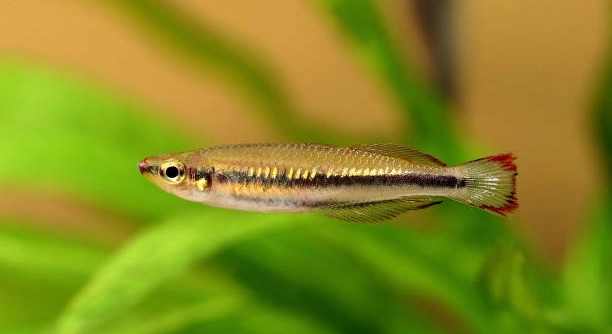
Rainbowfish are colorful and active fish that can brighten any aquarium. Their vibrant movements bring life to a tank, but they can become stressed without the right environment. Creating a calm space is essential for their well-being.
Seven tank decor items can help calm rainbowfish by reducing stress and providing hiding spots. Proper decorations such as plants, rocks, and gentle lighting create a stable environment, allowing fish to exhibit natural behaviors and maintain overall health.
These simple additions can transform your tank into a peaceful space for your rainbowfish to thrive and feel secure.
Live Plants
Adding live plants to your tank is one of the simplest ways to calm rainbowfish. Plants provide natural hiding spots and create a sense of security. They also help maintain water quality by absorbing nitrates and providing oxygen. Soft-leaved plants like Java fern, Anubias, and Amazon sword are gentle and safe for delicate fins. Floating plants can diffuse light and reduce stress, creating a more natural environment. Plants encourage natural behavior, like grazing and exploring, which keeps fish active without causing agitation. Placing taller plants near the back and shorter ones in the front gives depth, making your tank feel larger and more comfortable for your fish. Overcrowding should be avoided, as too many plants can reduce swimming space and lead to territorial disputes. With proper care, live plants enhance both the aesthetic and the health of your rainbowfish, making them feel more secure and less stressed.
Live plants improve oxygen levels and provide essential cover for rainbowfish.
Plants not only decorate the tank but also contribute to a stable and healthy habitat. They mimic natural environments, reduce aggressive behavior, and allow fish to retreat when stressed. Careful selection and placement of plants ensure swimming space remains open while still offering plenty of shelter. Regular trimming keeps plants healthy and prevents overgrowth, which could block light or hinder water flow. Observing how your rainbowfish interact with plants helps determine the best arrangement. Over time, you will notice more natural activity, calmer movements, and less hiding out of fear. Live plants create a visually pleasing, low-stress environment that supports both mental and physical health, making them an essential part of any rainbowfish tank setup.
Smooth Rocks
Smooth rocks can provide essential resting and hiding spots for rainbowfish. Rounded edges prevent injury, and they offer stable areas for fish to hover near.
Using smooth rocks allows rainbowfish to explore safely and reduces stress from abrupt movements.
Carefully chosen rocks add both function and style to your tank. They create crevices and shaded areas where fish can retreat if they feel threatened. When arranging rocks, ensure they are stable and won’t topple, which could harm the fish or disrupt the tank layout. Avoid sharp or porous rocks that may harbor harmful bacteria or damage delicate fins. Combining rocks of different sizes and shapes can mimic a natural riverbed environment, encouraging rainbowfish to swim actively and interact with their surroundings. Rocks also complement other decor, like plants and driftwood, creating a balanced, calm habitat. Their weight helps anchor plants, prevent substrate shifting, and maintain overall stability in the tank. By integrating smooth rocks thoughtfully, you promote both safety and comfort for your rainbowfish, supporting a stress-free environment where they can thrive naturally.
Driftwood
Driftwood offers natural hiding spots and shaded areas that make rainbowfish feel secure. Its irregular shapes create interesting territories and help reduce stress in the tank.
Driftwood is a versatile decor item that provides both shelter and visual interest. Submerging pieces slowly prevents water discoloration, and boiling or soaking removes impurities. Rainbowfish often use driftwood to rest nearby or swim around, which encourages natural activity. It can also support mosses or small plants, adding more texture to the tank. Choosing pieces with smooth edges ensures safety for delicate fins. Driftwood helps create microhabitats within the tank, giving rainbowfish comfortable areas to retreat and explore, which keeps their behavior more relaxed and predictable over time.
Placement of driftwood should balance the tank’s open swimming space and hiding spots. Combining it with plants or rocks can create layered environments. Driftwood naturally changes the tank’s pH slightly, which can benefit rainbowfish, but monitoring water conditions is important. Its presence adds depth and complexity, making the tank look more natural. Driftwood also encourages interaction, as fish explore around it, swim under arches, and use shaded areas to rest. This contributes to calmer, more confident fish that display vibrant colors.
Floating Plants
Floating plants provide surface cover and diffuse light, helping rainbowfish feel less exposed and stressed. They also enhance water quality by absorbing excess nutrients.
These plants reduce strong light and create shade, making the tank more comfortable for rainbowfish. Floating species like duckweed or frogbit are easy to maintain and propagate quickly. They allow fish to swim beneath without obstruction while offering protection from tank companions that may be more aggressive. Floating plants also contribute to oxygen exchange and provide a surface for beneficial bacteria growth. Observing how rainbowfish interact with these plants helps determine the best coverage, ensuring calm behavior and natural movement patterns throughout the tank.
In addition to shade, floating plants create dynamic environments that keep rainbowfish engaged. Their roots offer gentle hiding spaces for fry or smaller fish, while the leaves reduce stress from bright overhead lighting. Careful maintenance prevents overcrowding and ensures water circulation remains optimal. Floating plants work well with other decor, like driftwood or rocks, to create layered areas in the tank. This combination of shelter, diffused light, and natural elements mimics conditions found in rivers or lakes. As a result, rainbowfish appear more relaxed, display brighter colors, and exhibit behaviors closer to their natural instincts.
Caves and Hiding Spots
Caves and small shelters give rainbowfish safe areas to retreat, reducing stress. They feel more confident when they have a private space in the tank.
These structures also encourage natural exploration and territorial behavior. Materials should be smooth and non-toxic, with enough space for the fish to enter and exit comfortably.
Substrate Choices
Using soft, fine substrates like sand or smooth gravel helps rainbowfish feel secure. Rough substrates can injure fins or cause discomfort.
A gentle substrate encourages natural foraging behavior and reduces stress-related hiding. Layering with small pebbles or adding occasional decorative stones creates a more natural, engaging environment. Smooth substrates are easier to clean and prevent debris buildup, maintaining water quality. By combining suitable substrate with plants, rocks, and hiding spots, rainbowfish experience a calmer, healthier habitat that supports vibrant colors and active movement.
Gentle Lighting
Soft, indirect lighting minimizes stress and simulates a natural environment for rainbowfish. It prevents sudden bright flashes that can startle them.
FAQ
How do I know if my rainbowfish is stressed?
Signs of stress in rainbowfish include hiding frequently, clamped fins, reduced activity, loss of color, or erratic swimming. Stress can result from poor water quality, sudden changes in temperature, overcrowding, or lack of hiding spots. Observing behavior daily helps identify issues early.
Can decorations really calm rainbowfish?
Yes, well-chosen decorations provide shelter, reduce visual stress, and allow fish to express natural behaviors. Plants, rocks, driftwood, caves, and floating foliage create secure areas that help rainbowfish feel protected. Decorations also break open swimming areas into safe zones, reducing aggression between tank mates.
What types of plants work best?
Soft-leaved plants like Anubias, Java fern, and Amazon sword are ideal. Floating plants such as duckweed or frogbit offer shade and shelter. Plants with smooth surfaces prevent fin damage, while dense clusters give hiding areas and promote exploration. Consider plant height and placement to maintain open swimming spaces.
How do I safely add driftwood to my tank?
Driftwood should be soaked or boiled before adding to remove tannins and impurities. Gradually submerge it to prevent sudden water color changes. Smooth pieces are best to avoid injuring fins. Driftwood can support mosses or small plants, providing extra cover and creating natural hiding spots for rainbowfish.
Do rainbowfish need caves or shelters?
Yes, caves or other small hiding spots reduce stress by giving rainbowfish private areas. Smooth, non-toxic materials are best, and spaces should be large enough for easy entry and exit. Shelters encourage natural behaviors like resting, exploring, and defending a territory without constant exposure.
What substrate is best for calming rainbowfish?
Soft, fine substrates like sand or smooth gravel are ideal. Rough or sharp substrates can damage fins and cause discomfort. A gentle substrate allows natural foraging and reduces stress-related hiding. Mixing in occasional decorative stones creates a more natural look without compromising safety.
How does lighting affect stress?
Gentle, indirect lighting reduces sudden brightness that can startle rainbowfish. Overly strong or flickering lights may increase stress and cause hiding or erratic swimming. Floating plants, shaded areas, and adjustable aquarium lights help simulate natural sunlight, promoting calm behavior.
How often should I rearrange decorations?
Frequent rearranging can increase stress because rainbowfish rely on familiar landmarks. Make changes gradually and observe their behavior. Small adjustments like moving a plant slightly or adding a rock are fine, but large changes should be spaced out over weeks to maintain comfort and security.
Can tankmates impact rainbowfish stress?
Yes, aggressive or territorial tankmates can increase stress. Peaceful, similar-sized species are best. Decorations like plants, rocks, and caves help create separate zones, allowing rainbowfish to escape confrontation and feel secure. Monitoring interactions ensures compatibility and reduces stress-related behavior.
How do I maintain decorations without harming fish?
Clean decorations gently with tank water or a soft brush. Avoid soap or chemicals, which can harm rainbowfish. Rinse thoroughly and reintroduce items slowly. Regular cleaning prevents algae and bacteria buildup while maintaining the calm environment provided by plants, rocks, and shelters.
Are there signs that my tank is properly calming rainbowfish?
Rainbowfish that swim confidently, display vibrant colors, explore freely, and interact naturally with their environment are likely experiencing reduced stress. Calm behavior, regular feeding, and minimal hiding indicate that the combination of plants, rocks, driftwood, caves, and gentle lighting is effective.
How do I combine multiple decorations effectively?
Balance open swimming spaces with sheltered zones. Place taller plants near the back, shorter ones in front. Driftwood, rocks, and caves can create layers and microhabitats. Floating plants offer shade, while smooth substrates provide comfort. Thoughtful placement allows fish to navigate safely while expressing natural behaviors.
Can decorations affect water quality?
Yes, some materials like untreated driftwood can slightly lower pH. Plants help absorb nutrients and maintain oxygen. Smooth substrates reduce debris buildup. Regular monitoring of water parameters ensures decorations enhance the tank environment without creating stress through poor water quality.
How long does it take for rainbowfish to adjust to new decorations?
Adjustment varies by individual, but most rainbowfish acclimate within a few days to a week. Gradual changes and providing familiar hiding spots help them settle faster. Observing activity, feeding, and color intensity helps gauge their comfort with the new environment.
Do decorations replace the need for proper water care?
No, decorations help reduce stress but cannot replace clean water, stable temperature, or balanced nutrition. Maintaining a healthy, well-filtered tank is essential. Decor provides comfort and security, but overall well-being depends on proper care routines, feeding, and water maintenance.
Can decorations prevent aggressive behavior?
Decorations create separate zones and visual barriers, reducing aggression between rainbowfish or other tankmates. Hiding spots and plants allow shy or smaller fish to retreat safely, which lowers confrontations and promotes a calmer tank environment overall.
What is the best overall setup to calm rainbowfish?
A balanced mix of live plants, floating plants, smooth rocks, driftwood, caves, and soft substrates combined with gentle lighting creates a secure, stress-free habitat. Proper placement, minimal disturbance, and monitoring water quality ensure rainbowfish remain healthy, active, and display natural behaviors in a calm tank.
Rainbowfish are lively, colorful fish that add beauty to any aquarium, but they can become stressed if their environment is not carefully designed. Small details like hiding spots, smooth substrates, and gentle lighting play a big role in their well-being. Providing a variety of decor, including live plants, driftwood, rocks, and floating plants, gives them places to explore and retreat. Each element in the tank contributes to creating a calm, comfortable space that allows rainbowfish to display natural behaviors. When the environment feels safe, rainbowfish swim confidently, feed regularly, and show their vibrant colors more consistently. A well-planned tank is not just about looks—it is about creating a habitat where fish feel secure and at ease. Even minor changes in tank layout, lighting, or substrate can impact how rainbowfish behave, so careful observation is important to ensure they are thriving.
Decorations do more than just provide hiding spots; they encourage healthy activity and reduce stress. Smooth rocks and driftwood offer safe areas for fish to rest or explore without risk of injury. Live plants provide oxygen, absorb excess nutrients, and create shaded areas that mimic natural habitats. Floating plants diffuse light and offer additional cover, which can be especially calming for more timid individuals. Caves or small shelters give rainbowfish a sense of security and a space to retreat when they feel threatened. The combination of these elements helps balance open swimming areas with protected zones, allowing rainbowfish to feel confident while still having the option to hide. Thoughtful placement of each item ensures that the tank feels spacious while still providing sufficient cover. Over time, fish become familiar with their surroundings, which further reduces stress and encourages natural movement and interaction.
Creating a calm aquarium for rainbowfish requires attention to both the physical setup and ongoing care. Maintaining clean water, stable temperature, and a balanced diet is essential, as decorations alone cannot prevent stress. Observing behavior is key; active swimming, bright coloration, and regular feeding are signs that the environment is suitable. Rearranging decorations should be done gradually to prevent confusion or anxiety. The right combination of decor, careful tank management, and monitoring of water parameters creates a healthy, low-stress habitat. Rainbowfish in a well-maintained and thoughtfully decorated tank display more natural behavior and enjoy a higher quality of life. By taking the time to consider their needs and providing a mix of plants, rocks, caves, driftwood, and soft substrates, you ensure that rainbowfish thrive and remain visually vibrant, active, and calm.

Hello,
If you enjoy the content that we create, please consider saying a "Thank You!" by leaving a tip.
Every little bit helps us continue crafting quality advice that supports the health, happiness, and well-being of pets around the world, for pets of all shapes, sizes, and species.
We really appreciate the kindness and support that you show us!