
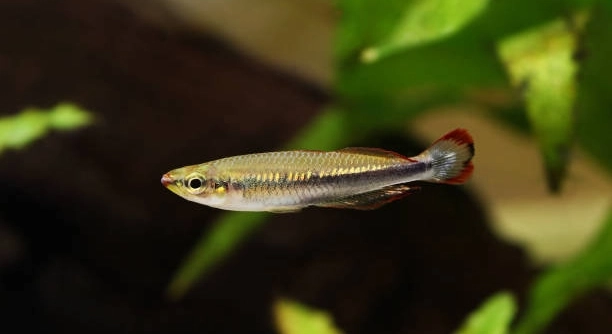
Rainbowfish are lively and colorful fish that brighten any aquarium. They often spend time near specific areas of the tank, moving around slowly or resting, which can leave owners noticing they favor one side over another.
Rainbowfish may prefer one side of the tank due to factors such as light intensity, water flow, temperature variations, and hiding spots. Environmental conditions influence their comfort, feeding habits, and territorial behavior, guiding their choice of specific tank areas over others.
Observing these behaviors can help improve their habitat and daily care. Learning more about these preferences ensures rainbowfish remain healthy and content in their environment.
Factors Affecting Rainbowfish Tank Preference
Rainbowfish often choose one side of the tank based on light levels, water flow, and temperature. Brighter areas can attract them if they like visibility, while shaded corners provide safety for resting. Gentle currents make swimming easier, and spots near filtration may offer oxygen-rich water. Decorations and plants also play a role, offering hiding or resting places. Observing these choices can reveal what each fish prefers, allowing adjustments for comfort. Some rainbowfish are naturally shy, favoring quieter parts, while others are more social and stay near activity. Even slight differences in temperature can lead fish to gather in warmer or cooler areas. Tank layout, feeding locations, and companions influence where they swim most often. Recognizing these patterns helps maintain a balanced tank. Over time, owners can notice consistent behaviors, indicating the preferred side. Understanding these subtle cues improves care and prevents stress, which benefits both fish and tank ecosystem.
Comfort and environmental conditions are the main reasons rainbowfish pick a side. Adjusting light, plants, and water flow encourages healthy movement.
Regular observation allows you to fine-tune tank conditions, supporting happier, more active rainbowfish while reducing stress and territorial conflicts.
Feeding and Interaction Influence
Feeding routines affect where rainbowfish spend their time. Fish learn where food appears and often linger nearby, especially if they feel secure in that spot.
Rainbowfish may cluster near feeding areas or favorite hiding spots, creating natural routines. Over time, they associate certain sides with comfort or safety. If one area is quieter or less disturbed, shy fish may prefer it, while bolder fish explore more. Tank size matters too; in smaller tanks, preferences are more noticeable because space is limited. Changing decorations, adding plants, or moving light sources can shift their favored side. Social dynamics also play a role, as dominant fish may claim prime areas, forcing others to adapt. Monitoring these patterns helps maintain balance, ensuring every fish has space to thrive. Adjusting feeding positions and environmental conditions can promote even distribution and reduce stress. Understanding these habits provides insight into daily behaviors, improving both feeding efficiency and overall tank harmony.
Tank Layout and Decorations
Tank layout can strongly influence where rainbowfish spend their time. Rocks, plants, and ornaments create areas of shelter or activity. Fish tend to gather near preferred hiding spots or swimming paths, which gives them comfort and a sense of security.
Positioning plants and decorations thoughtfully encourages exploration while offering shaded areas for shy fish. Open spaces let active fish swim freely, while tall plants or caves provide quiet corners for rest. Lighting placement also interacts with decorations, creating warmer or cooler zones. Over time, rainbowfish learn the layout, choosing spots that suit their personality and current mood. Adjustments to decorations may shift these preferences gradually, helping maintain balanced activity across the tank. Observing how they respond to changes provides useful insight into both comfort and natural behavior patterns.
Even minor adjustments, like moving a rock or adding a new plant, can shift where rainbowfish spend their time. These changes affect swimming routes, feeding spots, and resting areas, making tank management a subtle yet important factor.
Social Dynamics and Behavior
Rainbowfish social interactions influence tank side preferences. Dominant fish often claim prime areas, leaving others to find quieter zones. Group size and personality affect movement and resting locations, creating a dynamic balance in the tank.
Shy or subordinate fish may stay in corners or near dense plants to avoid conflict. Active or dominant individuals occupy central areas or spots near feeding. Pairing or grouping also impacts positioning, as some rainbowfish prefer company while others maintain personal space. Observing how fish interact daily helps identify stress points, territorial behavior, or favorite spots. Adjusting tank features, feeding routines, or population density ensures all fish have comfortable space. These patterns influence feeding efficiency, swimming activity, and overall health, creating a harmonious environment that supports natural behaviors. Monitoring interactions over time allows you to respond proactively, maintaining both welfare and an appealing tank display.
Light and Temperature
Rainbowfish often prefer sides of the tank with optimal lighting and temperature. Bright areas attract active swimming, while shaded spots provide calm resting zones.
Water temperature can vary slightly across the tank. Fish naturally seek areas that feel comfortable and stable, influencing where they spend most of their time.
Water Flow and Filtration
Water currents shape where rainbowfish swim and rest. Gentle flow areas are preferred for regular swimming, while stronger currents may be avoided. Filtration placement impacts oxygen levels and water movement, creating zones that attract or deter fish. Observing behavior near filters helps optimize tank design. Proper flow ensures healthy gill function, reduces stress, and encourages natural activity. Adjusting filter output or creating barriers can help balance movement across the tank. By understanding how currents and filtration affect preferences, owners can make small adjustments to support comfort, feeding, and exercise. Maintaining consistent water quality in all areas ensures rainbowfish remain active, healthy, and well-distributed.
Feeding Spots
Rainbowfish often gather near consistent feeding areas. Changing feeding locations can influence their favorite side and daily swimming patterns.
Why do my rainbowfish always stay on one side of the tank?
Rainbowfish often choose one side due to a combination of environmental factors. Light intensity, water temperature, and current strength can vary slightly across a tank. Fish will naturally move to areas that feel comfortable, safe, and easy to navigate. Decorations, plants, and hiding spots also guide their movement. Over time, rainbowfish learn the areas that suit their personalities and preferences, whether it’s a shaded corner, an open swimming area, or near plants that provide security. Consistent feeding spots and social dynamics further influence their chosen side.
Can changing the tank layout affect where rainbowfish swim?
Yes. Rainbowfish adjust their routines according to the layout. Adding rocks, plants, or ornaments can create new hiding spaces or open swimming zones. Fish may start exploring these areas or shifting their favorite spots gradually. Even minor changes, like repositioning a decoration, affect swimming paths and resting areas. By carefully observing their response, owners can balance activity and comfort, ensuring all fish have suitable spaces.
Does water flow influence side preference?
Absolutely. Rainbowfish prefer gentle currents for swimming but may avoid strong flows. Filtration placement affects both current and oxygen levels, creating zones that attract or repel fish. Properly balanced water flow ensures natural movement, reduces stress, and encourages activity. Fish may settle near slower flow zones for resting while using moderate currents for exercise and exploration.
Do rainbowfish choose sides based on light?
Light is a major factor. Brightly lit areas encourage active swimming, feeding, and social interaction. Shaded areas provide rest and security, especially for shy or subordinate fish. Adjusting light placement or intensity can shift preferred areas, allowing more even distribution and reducing territorial conflicts. Observation helps identify which areas attract fish under specific lighting conditions.
How do social dynamics affect tank side preference?
Dominant fish often occupy prime spaces, pushing others to quieter corners. Group size and personality traits influence movement and resting areas. Shy or subordinate fish prefer dense plants or less crowded areas. Monitoring interactions allows adjustments to decorations, feeding positions, or population balance to minimize stress and maintain harmony. Proper social management ensures all fish can comfortably access feeding zones and resting spots.
Can feeding location influence where rainbowfish spend their time?
Yes. Rainbowfish quickly associate consistent feeding spots with food and safety. They may linger near these areas before or after meals. Moving feeding locations occasionally encourages exploration, reduces crowding, and promotes even distribution across the tank. Consistent yet varied feeding routines help maintain natural behavior and prevent overcompetition in limited spaces.
Will temperature differences across the tank change their preference?
Even small temperature variations can affect comfort. Rainbowfish will move to areas that feel stable and suitable for their metabolism. Heating placement, lighting, and water circulation contribute to subtle temperature differences. Regular monitoring and careful adjustment ensure a comfortable environment, encouraging balanced swimming and preventing stress-related behaviors.
Can tank size impact side preference?
Yes, smaller tanks make preferred areas more noticeable. Limited space forces fish to compete for prime zones, highlighting favored sides. Larger tanks provide multiple comfortable areas, allowing rainbowfish to spread out naturally. Observing patterns in different tank sizes helps owners understand environmental preferences and adjust layout or population density.
How can I encourage rainbowfish to explore more of the tank?
Introducing varied decorations, plants, and feeding positions encourages movement. Gentle currents, even lighting, and multiple hiding spots create balanced areas for exploration. Observing behavior allows fine-tuning of tank conditions, promoting active swimming, reducing stress, and ensuring all fish enjoy different parts of the habitat.
Rainbowfish are colorful, lively, and naturally curious fish. Observing them choose one side of the tank is normal behavior and can tell you a lot about their comfort and preferences. Their decisions are influenced by simple factors like light, temperature, water flow, decorations, and hiding spots. These environmental elements create areas where they feel safe, rested, and ready to swim actively. Some fish are more outgoing and may spend time in brighter, open areas, while others are shy and prefer corners with plants or rocks. By paying attention to these patterns, you can create a more comfortable habitat that fits the natural tendencies of each fish. Small adjustments, such as moving a plant or changing the flow from a filter, can make a noticeable difference in how they move around and interact with the tank. Over time, you may notice that certain sides consistently attract specific fish, which helps in understanding their personalities and needs.
Tank layout and decoration play an important role in rainbowfish behavior. Open spaces allow for active swimming, while dense plants, caves, or rock formations provide shelter and security. Light placement also matters because fish will gravitate toward areas with the intensity they prefer. Even slight temperature differences across the tank can influence where they rest or swim. Social dynamics among the fish add another layer to their side preference. Dominant fish often take the best spots, leaving quieter areas for the less aggressive. Feeding locations also affect where they spend their time. Fish quickly associate certain spots with food, and they may linger there before or after meals. By understanding these factors, you can make small but meaningful changes to encourage even distribution, reduce stress, and improve overall tank harmony. A well-thought-out layout, combined with careful observation, ensures that all rainbowfish have access to the areas they enjoy the most.
Watching rainbowfish pick their favorite side can be both interesting and informative. It is a sign that they are actively interacting with their environment and making choices based on comfort and safety. Consistent observation helps identify patterns and potential issues early, allowing you to adjust lighting, temperature, decorations, or feeding routines. Maintaining proper water quality, consistent temperature, and balanced flow ensures that all areas of the tank remain suitable for the fish. Encouraging exploration and providing multiple hiding spots keeps shy or subordinate fish comfortable while allowing more active individuals to move freely. By combining attention to environmental factors with an understanding of social behavior, you create a healthy, balanced space where rainbowfish can thrive. Ultimately, knowing why they favor one side helps you meet their needs more effectively, making your aquarium a place where the fish are both active and content, and giving you the satisfaction of a well-managed, lively tank.

Hello,
If you enjoy the content that we create, please consider saying a "Thank You!" by leaving a tip.
Every little bit helps us continue crafting quality advice that supports the health, happiness, and well-being of pets around the world, for pets of all shapes, sizes, and species.
We really appreciate the kindness and support that you show us!