
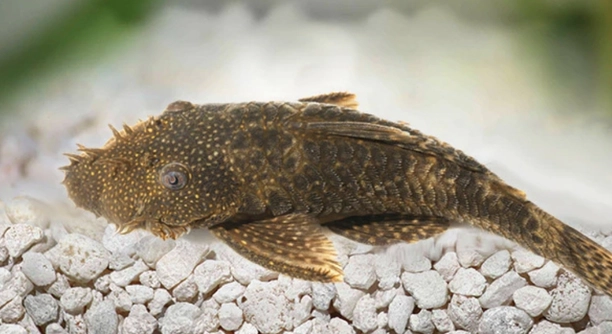
Plecos are fascinating freshwater fish that many hobbyists enjoy keeping. Observing their growth can be rewarding, yet it often raises questions about why some plecos grow faster or slower than others in similar environments.
Several factors influence pleco growth rate, including water quality, diet, tank size, temperature, genetics, stress levels, and overall habitat conditions. Each factor plays a crucial role in determining the speed and health of pleco development in captivity.
Knowing what affects their growth helps ensure your plecos thrive and remain healthy. Exploring these elements can guide you in providing optimal care for your aquatic pets.
Water Quality and Its Impact on Pleco Growth
Maintaining clean water is essential for pleco health and growth. Poor water quality can lead to stress, illness, and stunted development. Parameters such as pH, ammonia, nitrite, and nitrate levels should be monitored regularly. A stable environment supports digestion, immune function, and overall metabolism, allowing plecos to grow steadily. Frequent water changes, proper filtration, and avoiding overcrowding help create a healthy habitat. Even small fluctuations in temperature or chemical levels can affect appetite and energy, slowing growth. Keeping the water well-oxygenated and free of toxins allows plecos to thrive naturally. Observing your pleco’s behavior can indicate water issues, such as lethargy or hiding. Using water conditioners when necessary and testing weekly ensures their environment stays within safe ranges. By prioritizing water quality, you create conditions that directly support growth, activity, and long-term well-being for your fish.
Water quality directly influences pleco metabolism and appetite, making it a key factor in promoting healthy and consistent growth over time.
Regular testing and adjustments prevent sudden health issues. Maintaining proper filtration, partial water changes, and monitoring chemical levels ensures plecos develop steadily. A stable aquatic environment minimizes stress, encourages feeding, and supports immune defenses. Consistent care helps plecos reach their full size while remaining active and healthy, allowing owners to observe their natural behaviors confidently.
Diet and Nutrition
A balanced diet is crucial for pleco growth. Feeding the right foods ensures they get the nutrients needed to develop bones, muscles, and energy reserves.
Plecos benefit from algae, vegetables, and high-quality pellets, which provide fiber, protein, and essential vitamins.
Feeding should be frequent but controlled, avoiding overfeeding that can pollute the water. Vegetables like zucchini, cucumber, and spinach support digestion, while sinking pellets or wafers offer protein. Some plecos also enjoy driftwood for natural scraping and gut health. Variety in their diet prevents nutrient deficiencies and keeps them active. Monitoring their growth alongside diet adjustments helps identify what works best for each individual. Paying attention to feeding times, portion sizes, and food quality ensures plecos develop evenly, remain healthy, and display vibrant coloration. Over time, a consistent and nutrient-rich diet will allow plecos to grow at a steady rate, maintain strong immunity, and reduce susceptibility to disease.
Tank Size
A larger tank allows plecos more room to swim and explore, supporting better growth. Crowded tanks limit movement, increase stress, and can slow development. Proper space also reduces aggression and maintains water quality.
Adequate tank size provides plecos with space to establish territories, swim freely, and access food without competition. Overcrowding leads to stress, which affects appetite and immune function. A spacious tank allows for better oxygen circulation and waste dilution, preventing harmful ammonia or nitrite spikes. When plecos have room to move, they can exercise naturally, which promotes muscle development and overall health. Larger tanks also make it easier to maintain stable water parameters, which is essential for steady growth.
Smaller tanks may work temporarily, but long-term growth suffers. Plecos in cramped conditions often hide excessively and may show slower weight gain. A well-sized tank supports mental stimulation, reduces stress-related illnesses, and allows multiple plecos to coexist without fighting. Gradually upgrading tank size as plecos grow ensures continued development and a healthier environment.
Temperature and Environmental Conditions
Stable water temperature helps plecos maintain consistent metabolism, digestion, and activity levels. Sudden shifts can cause stress and reduce growth. Maintaining an optimal range is crucial for their overall health.
Plecos thrive in water between 74°F and 80°F. Temperature affects their metabolic rate, which determines how efficiently they process food and convert it into energy for growth. Colder water slows metabolism, reducing appetite and development, while excessively warm water can stress them and deplete oxygen levels. Keeping the tank heated with a reliable thermostat ensures stability, and avoiding drafts or direct sunlight helps maintain consistency. Monitoring the thermometer regularly allows timely adjustments, preventing growth setbacks and health problems caused by environmental fluctuations.
Besides temperature, other environmental factors like hiding spots, substrate type, and water flow also impact growth. Plecos need driftwood, caves, or decorations for security and comfort. Proper substrate prevents injury and encourages natural foraging behavior. Moderate water flow mimics natural conditions, supporting exercise and muscle development. By combining stable temperature with an enriched environment, plecos remain active, stress-free, and better able to utilize their diet for steady growth and overall vitality.
Genetics
Genetics determine the maximum size and growth rate of plecos. Some species naturally grow faster or larger, while others remain smaller regardless of care.
Breeding history also plays a role. Plecos from strong, healthy lineages are more likely to reach their growth potential.
Stress Factors
Stress directly impacts pleco appetite, immunity, and growth. Frequent disturbances, tank mates, or sudden environmental changes can slow development.
Light Exposure
Plecos benefit from a natural day-night cycle. Consistent lighting supports normal activity patterns, feeding behavior, and overall health.
FAQ
What is the average growth rate of a pleco?
The growth rate varies by species, genetics, and care conditions. Most common plecos, like the common pleco, grow about 1–2 inches per month in their first year. Growth slows as they mature. Providing a nutrient-rich diet, stable water conditions, and sufficient space helps plecos reach their expected size efficiently. Regular monitoring ensures any issues that might stunt growth are addressed promptly.
How long does it take for plecos to reach full size?
Most plecos reach adult size between 2 and 5 years, depending on species. Large species like the common pleco can grow over 18 inches, while smaller species may plateau around 6–8 inches. Growth is fastest during the first year, then gradually slows. Maintaining proper tank conditions, consistent feeding, and minimizing stress help plecos reach full size within their expected timeframe.
Can diet speed up pleco growth?
Yes, diet has a significant effect. High-quality sinking pellets provide essential protein, while vegetables like zucchini, cucumber, and spinach supply fiber and vitamins. A balanced mix ensures strong bones, healthy digestion, and energy for growth. Overfeeding can harm water quality, so feeding small, consistent portions is best. Including driftwood for scraping supports gut health and natural behavior, further aiding development.
Does water temperature affect growth?
Absolutely. Plecos are cold-blooded, so their metabolism is influenced by water temperature. Warmer, stable temperatures between 74–80°F encourage faster metabolism, increasing appetite and growth. Sudden drops or spikes in temperature cause stress, slow feeding, and may make plecos susceptible to illness. Using a reliable heater and monitoring the tank regularly ensures stable conditions.
How important is tank size for growth?
Tank size is crucial. Crowded tanks restrict movement and can increase stress, directly affecting growth. Larger tanks allow plecos to swim freely, establish territories, and access food without competition. More space also helps maintain water quality, reduces aggression, and provides room for decorations, hiding spots, and driftwood. Gradually upgrading tank size as plecos grow supports healthy development over time.
Can stress stunt pleco growth?
Yes, stress is a major factor. Overcrowding, aggressive tank mates, sudden changes in water, and frequent disturbances can all slow growth. Stress reduces appetite, weakens immunity, and affects metabolism. Providing hiding spots, a stable environment, and compatible tank mates keeps plecos comfortable, active, and able to grow at a healthy rate.
Do genetics play a role in pleco growth?
Genetics set the potential size and growth rate. Some species naturally grow faster or larger, while others remain smaller regardless of care. Healthy lineages tend to produce stronger, faster-growing offspring. While good care optimizes growth, genetics ultimately define the maximum size a pleco can achieve.
How often should I feed my pleco?
Feeding frequency depends on size and age. Juveniles benefit from daily feeding in small portions, while adults may eat every other day. Vegetables should be offered several times a week, with sinking pellets daily. Observing appetite and adjusting portions helps prevent overfeeding and maintains water quality, supporting consistent growth.
Does light affect pleco growth?
Yes, light influences activity and feeding patterns. Plecos are mostly nocturnal, so a consistent day-night cycle encourages normal behavior and supports digestion. Avoiding constant bright lighting reduces stress, helping plecos feed properly and maintain healthy growth rates.
Are water changes necessary for pleco growth?
Regular water changes are essential. They remove toxins, reduce ammonia and nitrate buildup, and stabilize water parameters. Clean water lowers stress, supports proper digestion, and ensures plecos can feed and grow efficiently. Partial water changes weekly or biweekly, depending on tank size and population, are recommended.
Can plecos grow without driftwood?
Some species require driftwood for gut health, especially wood-eating plecos. It aids digestion and provides a natural foraging activity. Even species that do not consume it benefit from hiding and scraping opportunities. Including driftwood supports growth, reduces stress, and encourages natural behavior.
What signs indicate slow growth?
Slow growth may show as smaller size compared to peers, lethargy, reduced appetite, or dull coloration. It often points to water quality issues, stress, improper diet, or suboptimal tank conditions. Monitoring these factors and making adjustments helps restore normal growth patterns.
Can I speed up pleco growth safely?
Growth can be optimized with proper care. Provide a nutrient-rich diet, stable water parameters, adequate tank space, hiding spots, and a consistent temperature. Avoid overfeeding or sudden changes. While genetics set limits, attentive care ensures plecos reach their full potential safely.
Does tank mate selection affect growth?
Yes, aggressive or competitive tank mates can stress plecos and reduce feeding opportunities. Choosing calm, compatible species minimizes competition and allows plecos to grow steadily in a peaceful environment. Providing separate hiding spots further reduces conflict and encourages healthy development.
How do I know if my pleco is growing properly?
Regular observation and measuring length help track growth. Healthy plecos are active, feed consistently, and display good coloration. Any prolonged stagnation may indicate stress, poor water quality, or diet issues, which should be addressed to support continued growth.
Is water hardness a factor in growth?
Water hardness affects pleco health indirectly. Very soft or very hard water can stress plecos, impacting metabolism and growth. Maintaining moderate hardness appropriate for the species supports bone development, digestion, and overall well-being. Testing water and making adjustments ensures optimal growth conditions.
Can supplements improve growth?
Supplements can be useful if diet lacks essential nutrients. Calcium, vitamins, and trace minerals support skeletal development and overall health. However, over-supplementing can harm water quality. Focus on a balanced diet first, and add supplements only when necessary.
Do juvenile plecos grow faster than adults?
Yes, juveniles experience rapid growth in their first year, using energy to develop bones and muscles. Adults grow slowly as their metabolism stabilizes. Proper care during the juvenile stage ensures a strong foundation for steady adult growth.
Are plecos affected by seasonal changes?
Seasonal temperature fluctuations can impact metabolism, feeding, and growth. Consistent tank conditions reduce stress caused by changes outside the tank. Maintaining stable temperature, light cycles, and diet throughout the year helps plecos grow steadily regardless of seasonal shifts.
Can disease slow growth?
Infections or parasites reduce appetite and energy, leading to slower growth. Early detection and treatment are crucial. Maintaining clean water, a balanced diet, and a low-stress environment prevents disease, supporting consistent growth and long-term health.
What is the best way to monitor pleco growth?
Measure your pleco periodically and observe behavior, appetite, and activity levels. Tracking these indicators helps identify issues early. Combined with regular water testing and tank maintenance, monitoring ensures plecos are growing as expected and remaining healthy.
How often should water parameters be tested?
Weekly testing is recommended for ammonia, nitrites, nitrates, pH, and temperature. Frequent monitoring prevents harmful fluctuations that can stunt growth. Immediate action should be taken if readings go beyond safe levels to maintain a healthy, stable environment for growth.
Do plecos need hiding spots for proper growth?
Yes, hiding spots reduce stress and allow natural behavior. Stress-free plecos feed better and grow faster. Driftwood, caves, and plants provide security and comfort, supporting both physical growth and mental well-being.
Is feeding live food necessary for growth?
Live food is not strictly necessary but can supplement a varied diet. It encourages natural foraging and provides additional protein. Combined with vegetables and pellets, live food supports healthy growth and activity.
How long can plecos survive without proper growth conditions?
Plecos may survive in suboptimal conditions but will experience stunted growth, weakened immunity, and higher risk of disease. Consistent care ensures long-term health and allows them to reach their full potential.
Can stress from handling affect growth?
Frequent or rough handling can stress plecos, reducing feeding and slowing growth. Minimal handling, using nets gently, and avoiding unnecessary disruptions help maintain a calm environment conducive to steady development.
Do plecos grow faster alone or with tank mates?
They grow better in a peaceful environment with compatible tank mates. Aggressive or competitive species slow growth due to stress and reduced feeding. Proper tank planning ensures all fish thrive together.
Are all plecos’ growth rates the same?
No, growth rates vary by species, genetics, and care. Some remain small, while others grow very large. Understanding the specific needs of your pleco ensures appropriate care and optimal growth.
Can overfeeding negatively affect growth?
Yes, overfeeding can pollute water, leading to stress, illness, and stunted growth. Controlled portions, monitoring appetite, and regular tank maintenance support healthy, consistent development.
Is tank decoration important for growth?
Decorations like caves and driftwood provide hiding spots and foraging opportunities, reducing stress and encouraging activity. Active, stress-free plecos feed better and grow steadily.
How do I know if my pleco is stressed?
Signs include hiding, reduced feeding, rapid breathing, or dull coloration. Identifying stressors such as water quality, tank mates, or environmental changes helps correct conditions to support normal growth.
Can plecos adapt to different water conditions?
Some species tolerate a range of conditions, but extreme changes slow growth. Gradual acclimation and stable parameters optimize development and reduce stress.
Does oxygen level impact growth?
Low oxygen slows metabolism and reduces appetite. Adequate aeration, water movement, and filtration ensure plecos can feed properly and grow at a healthy rate.
What is the best feeding schedule for growth?
Juveniles should eat daily, adults every other day. Combining pellets with vegetables and occasional live food ensures balanced nutrition. Consistent timing and portion control prevent overfeeding and maintain water quality.
Do plecos require supplements for growth?
Supplements help only if diet lacks nutrients. A balanced mix of vegetables and pellets is usually sufficient. Over-supplementing can harm water quality, so focus on proper diet first.
How do I encourage natural feeding behavior?
Providing driftwood, vegetables, and occasional live food encourages scraping and foraging. Natural feeding supports digestion, activity, and steady growth.
Are growth differences noticeable among siblings?
Yes, even siblings may grow at different rates due to genetics, health, and individual behavior. Observing each pleco ensures appropriate care for consistent development.
Does water pH affect growth?
Extreme pH levels cause stress and reduce appetite. Maintaining species-appropriate pH supports metabolism, digestion, and overall growth potential.
Can poor filtration stunt growth?
Yes, inadequate filtration allows waste buildup, causing stress and poor water quality. Efficient filtration maintains a healthy environment and promotes steady growth.
Does pleco age affect growth rate?
Juveniles grow rapidly, while adults grow slowly. Age-related growth patterns are normal, but proper care ensures continuous, healthy development throughout life.
Can adding more hiding spots increase growth?
Yes, hiding spots reduce stress and encourage natural behavior. Comfortable plecos feed well and maintain steady growth in a secure environment.
Is it necessary to monitor pleco weight?
Tracking weight alongside length helps detect slow growth or health issues early. Regular monitoring ensures timely adjustments to care routines.
How does water hardness influence growth?
Moderate hardness supports bone development and digestion. Extreme hardness or softness can stress plecos, reducing metabolism and stunting growth. Maintaining appropriate levels ensures steady development.
Does feeding variety affect growth?
Yes, varied diets prevent nutrient deficiencies and encourage feeding. Combining pellets, vegetables, and occasional live food ensures plecos receive all necessary nutrients for growth.
Can plecos recover from slow growth?
With improved care, diet, and environment, plecos can regain growth momentum. Early intervention and consistent management are key to recovery.
Are nocturnal habits important for growth?
Yes, respecting their nocturnal behavior reduces stress, ensures proper feeding, and supports healthy digestion, contributing to steady growth.
How often should plecos be measured for growth tracking?
Monthly measurements help monitor progress and identify potential problems. Combining length tracking with observation of behavior and appetite ensures comprehensive growth monitoring.
Does water clarity affect growth?
Clear water reduces stress and allows normal feeding behavior. Clean water supports digestion, metabolism, and overall health, aiding steady growth.
Is pleco growth uniform across tank populations?
No, individual differences in genetics, behavior, and competition can cause variation. Monitoring each pleco ensures appropriate care for steady development.
Can temperature fluctuations stunt growth?
Yes, sudden changes reduce appetite and stress plecos. Maintaining stable temperature promotes proper metabolism and consistent growth.
Do plecos need a specific feeding position for growth?
No, plecos naturally forage along surfaces. Providing sinking pellets, vegetables, and driftwood ensures they can feed effectively and grow steadily.
Are slow-growing plecos unhealthy?
Not always. Slow growth may be due to species, genetics, or minor care issues. Monitoring and adjusting conditions supports normal development.
Does tank cleaning frequency impact growth?
Yes, regular cleaning prevents toxin buildup, reduces stress, and ensures optimal feeding and metabolism, supporting steady growth.
Can plecos grow in community tanks?
Yes, if tank mates are compatible and not aggressive. Stress-free environments with proper food access promote healthy growth.
Do plecos need hiding spots at all life stages?
Yes, hiding reduces stress and encourages natural behavior at every stage, supporting consistent growth and health.
Can improper substrate affect growth?
Sharp or rough substrate can injure plecos, causing stress and reducing feeding. Smooth substrate supports comfort and proper development.
Are plecos affected by water flow?
Moderate flow encourages exercise and activity, supporting muscle development. Too strong or stagnant flow can stress plecos and slow growth.
Does tank decoration density matter?
Yes, adequate decorations provide hiding and foraging opportunities. Sparse or overcrowded setups can stress plecos, impacting growth.
Can plecos outgrow their tanks?
Yes, growing plecos require progressively larger tanks. Cramped conditions limit movement, increase stress, and slow development.
Is feeding at night necessary for growth?
Nocturnal feeding aligns with natural behavior, promoting appetite and proper digestion. Providing food at the right time supports steady growth.
Can disease prevention improve growth?
Preventing disease through clean water, proper diet, and low stress ensures plecos can feed and grow without setbacks.
Are plecos picky eaters?
Some are selective. Offering a variety of pellets, vegetables, and driftwood encourages consistent feeding, supporting steady growth.
Does tank location affect growth?
Yes, avoiding drafts, direct sunlight, or noisy areas reduces stress and supports normal feeding and activity, aiding growth.
How quickly can plecos recover from poor growth conditions?
Recovery depends on the duration and severity of poor conditions. Immediate improvements in diet, water, and environment can restore growth over weeks to months.
Can plecos adapt to new tanks without affecting growth?
Gradual acclimation reduces stress and supports steady growth. Sudden transfers can slow feeding and metabolism temporarily.
Does pleco activity level indicate growth health?
Active, alert plecos with consistent feeding typically grow well. Lethargy or reduced appetite can signal growth issues or environmental stress.
Are plecos sensitive to water chemistry changes?
Yes, abrupt changes in pH, hardness, or temperature stress plecos and reduce growth. Gradual adjustments maintain health and steady development.
Can multiple factors affect growth simultaneously?
Yes, diet, water quality, tank size, temperature, and stress often interact. Optimizing all factors ensures plecos reach their growth potential.
Do plecos require a special diet for different growth stages?
Juveniles need more protein for rapid growth, while adults require balanced maintenance diets. Adjusting nutrition by age supports healthy development.
Is monitoring pleco color helpful for growth assessment?
Yes, vibrant coloration often indicates health and proper nutrition. Dull color can signal stress, poor diet, or water issues affecting growth.
Can plecos grow faster in planted tanks?
Plants provide hiding, reduce stress, and help maintain water quality, indirectly supporting healthy growth and natural behavior.
Does water circulation influence growth?
Moderate circulation ensures oxygenation, removes waste, and encourages activity, aiding digestion and steady growth.
Are plecos affected by tank vibrations?
Frequent vibrations or disturbances can stress plecos, reduce feeding, and slow growth. A calm, stable environment promotes development.
Can plecos recover from past poor growth conditions?
Yes, with proper diet, tank conditions, and reduced stress, plecos can regain healthy growth patterns over time.
Does pleco species determine tank setup?
Yes, different species require specific temperature, pH, hiding, and diet conditions. Meeting these needs ensures proper growth.
How do I know if my pleco is reaching full growth potential?
Tracking size, observing behavior, and comparing with species standards helps determine if growth is on track. Proper care ensures they reach expected size.
Can sudden environmental changes permanently affect growth?
Severe or prolonged stress from sudden changes may stunt growth permanently. Maintaining stable conditions prevents lasting setbacks.
Is monitoring multiple plecos together necessary for growth assessment?
Yes, each pleco may grow differently due to genetics or behavior. Observing all individuals ensures appropriate care for consistent development.
Can plecos grow slower in cooler water?
Yes, cooler water reduces metabolism, appetite, and digestion efficiency. Maintaining species-appropriate temperature supports optimal growth.
Does water surface agitation matter?
Mild agitation promotes oxygenation, but excessive turbulence can stress plecos, reducing feeding and growth. Controlled water flow is ideal.
Are plecos affected by noise levels?
Yes, loud or constant noise can stress plecos, impacting appetite and growth. A quiet, stable location supports development.
Can feeding schedule changes impact growth?
Yes, inconsistent feeding reduces appetite and digestion efficiency. Maintaining a regular schedule supports steady growth and metabolism.
Do plecos require specialized filtration for growth?
Efficient filtration removes waste, maintains water quality, and supports oxygenation, all critical for healthy growth.
How does ammonia buildup affect growth?
High ammonia stresses plecos, reduces appetite, and damages gills, directly slowing growth. Regular water changes and filtration prevent accumulation.
Can plecos grow faster in community tanks with compatible species?
Yes, peaceful, compatible species reduce stress and competition, allowing plecos to feed well and maintain steady growth.
Is monitoring feeding behavior enough to assess growth?
Observing appetite, along with size and activity, provides a reliable indicator of healthy growth. Changes may indicate environmental or dietary issues.
Do juvenile and adult diets differ significantly?
Juveniles need higher protein and frequent feeding for rapid growth. Adults require maintenance diets, including vegetables and
Final Thoughts
Caring for plecos involves more than simply keeping them in a tank and feeding them. Their growth depends on a combination of factors, each contributing to their overall health and development. Water quality, diet, temperature, tank size, and environmental enrichment all play critical roles in determining how well a pleco grows. Clean water supports proper digestion, immunity, and metabolism, while a balanced diet ensures the right nutrients for muscle and bone development. A stable temperature range keeps metabolism steady and encourages consistent feeding, and adequate tank space allows plecos to swim freely and reduce stress. Together, these elements create an environment that promotes natural growth and overall well-being. Focusing on each factor carefully helps plecos reach their full potential in size and health.
Monitoring growth also requires attention to smaller details. Stress from aggressive tank mates, sudden environmental changes, or frequent disturbances can slow development and affect appetite. Providing hiding spots, driftwood, and decorations reduces stress and encourages natural behavior, which directly impacts growth. Genetics set the potential size and growth rate, but proper care maximizes that potential. Regular water testing, partial water changes, and consistent feeding routines ensure that growth is steady and healthy. Observing plecos for signs of slow growth, lethargy, or poor appetite allows timely adjustments to their environment or diet. Tracking progress over time gives a clearer picture of how well they are developing and highlights areas that may need improvement.
Ultimately, pleco growth reflects the quality of care they receive. While some factors, like genetics, cannot be changed, many environmental and dietary adjustments can make a significant difference. Maintaining stable conditions, providing a varied and nutrient-rich diet, and minimizing stress create the foundation for healthy development. Paying attention to their behavior, feeding patterns, and activity ensures that any issues are addressed before they affect growth. Growth is not always immediate, and plecos may develop at different rates depending on species and individual needs, but with consistent care, they can thrive. Understanding these key factors helps create a healthy, comfortable environment where plecos can grow steadily, stay active, and maintain long-term health. Focusing on these details leads to a more rewarding experience as you watch your plecos flourish over time.

Hello,
If you enjoy the content that we create, please consider saying a "Thank You!" by leaving a tip.
Every little bit helps us continue crafting quality advice that supports the health, happiness, and well-being of pets around the world, for pets of all shapes, sizes, and species.
We really appreciate the kindness and support that you show us!