
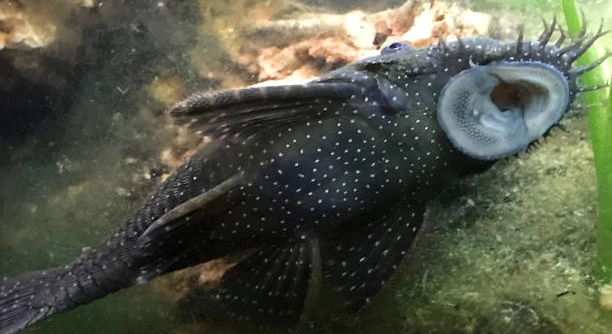
Many aquarium owners notice that their plecos often remain in one spot for long periods. This behavior can be puzzling, especially when the fish seems healthy. Observing this stillness is common among pleco enthusiasts and beginners alike.
Plecos often stay in the same spot due to their natural behavior and habitat preferences. They are nocturnal, territorial, and favor surfaces where they can graze on algae. Stability in location provides safety, comfort, and easy access to food.
Understanding why plecos favor certain areas in your tank can help you create a better environment. Proper care, tank setup, and attention to their habits make all the difference in their well-being.
Understanding Pleco Behavior
Plecos are naturally nocturnal fish, which means they are most active at night. During the day, they prefer to rest on surfaces such as driftwood, rocks, or the tank floor. This behavior is instinctive, providing them with safety and a sense of territory. Observing a pleco in one spot is usually normal and does not indicate illness. They graze on algae and biofilm, so staying in areas rich with food makes sense. Tank decorations and hiding spots also influence where they choose to settle. Some plecos may move occasionally to clean surfaces or explore, but consistent resting in one area is part of their routine. Understanding these habits helps maintain their health and reduces unnecessary concern. Lighting, tank size, and water quality also impact activity levels, so creating an environment that mimics natural conditions encourages natural movement patterns.
Resting in one place allows plecos to conserve energy and feel secure within their territory.
Plecos also respond to the presence of other fish and changes in their environment. Stress from overcrowding, aggressive tankmates, or sudden changes in water conditions can make them cling to one spot. Ensuring they have enough hiding spaces and adequate tank size reduces stress and encourages healthy grazing. Monitoring water parameters regularly helps maintain a stable habitat, supporting both activity and overall well-being.
Tank Setup and Environmental Factors
Tank layout plays a major role in pleco behavior.
Water temperature, pH, and surface availability influence their movement. Driftwood provides both a resting surface and a source of nutrition for certain species. The tank should mimic a natural environment, with hiding areas and open spaces for exploration. Lighting should be moderate since bright lights can make them retreat to shaded areas. Observing their preferences helps optimize placement of decorations and feeding areas, ensuring plecos feel comfortable.
Plecos thrive when their habitat supports their natural behaviors. Providing hiding spots, smooth surfaces, and consistent water quality encourages grazing and movement. Overcrowding or lack of proper shelter can lead to stress and excessive stillness. Feeding habits are also important; plecos prefer grazing over large, infrequent meals, so providing algae wafers or fresh vegetables in multiple spots reduces competition and encourages activity. Maintaining stable water parameters and regular tank maintenance ensures they remain healthy, active, and stress-free, allowing them to display normal behavior while resting safely in their chosen areas.
Feeding Habits
Plecos spend most of their time grazing on algae or biofilm. They may also eat vegetables or specialized pellets. Staying in one area often reflects abundant food availability rather than inactivity.
Their grazing habits are natural and frequent. Plecos do not eat large meals at once but prefer continuous snacking. Driftwood, rocks, and tank walls often host algae, which explains why plecos remain in certain spots. Providing supplemental foods like zucchini, cucumber, or algae wafers ensures balanced nutrition and encourages movement across different areas. Meal placement can influence where they spend most of their time.
Feeding schedules and food type affect activity. Plecos may linger near favorite feeding spots or driftwood pieces rich in algae. Offering fresh vegetables or sinking pellets in multiple locations promotes exploration and grazing. Sudden changes in diet may cause them to hide or remain motionless. Observing preferences helps you provide food where they naturally settle, maintaining health while supporting their natural behavior.
Water Conditions
Stable water parameters are crucial for pleco well-being. Sudden shifts in temperature or pH can make them stay in one spot, often near hiding areas.
Plecos are sensitive to fluctuations in water quality. Ammonia, nitrite, and nitrate levels should be regularly monitored to prevent stress. They prefer temperatures between 74–80°F and a slightly acidic to neutral pH. Consistent filtration and water changes maintain a safe environment. Poor water conditions reduce activity, making them cling to familiar surfaces. Understanding these preferences ensures plecos remain active and healthy.
Clean, well-maintained water supports both movement and grazing. Regular tank checks, gentle water changes, and monitoring chemical levels minimize stress. Plecos are more likely to explore when their environment is stable. Providing soft substrate, smooth rocks, and driftwood also protects sensitive fins while allowing natural behaviors. By maintaining proper water conditions, plecos balance safety with activity, reducing prolonged stillness and supporting long-term health.
Resting Spots
Plecos prefer resting on smooth surfaces, driftwood, or near tank decorations. Staying in one area gives them a sense of security and comfort.
Hiding spots also protect plecos from more active or aggressive tankmates. Their stillness often reflects a safe choice rather than inactivity.
Nocturnal Activity
Plecos are most active at night, grazing and exploring their environment. Daytime stillness is natural and helps them conserve energy. Maintaining a dimly lit tank during the day supports this behavior. Proper nighttime feeding encourages movement while respecting their nocturnal habits.
Signs of Stress
A pleco that remains motionless in unusual areas may be stressed. Stress can result from water changes, aggressive tankmates, or poor water quality. Observing their behavior and adjusting the tank environment ensures comfort and prevents health issues.
FAQ
Why does my pleco stay in one spot all day?
Plecos are naturally sedentary during the daytime because they are nocturnal. Remaining in one spot provides safety and comfort while conserving energy. If the area offers food or hiding space, plecos are likely to stay there for extended periods without indicating illness.
Is it normal for plecos to barely move?
Yes, minimal movement is typical, especially during daylight hours. Plecos often rest on surfaces like driftwood, rocks, or tank walls. Their stillness allows them to conserve energy for nighttime activity when they feed and explore. Occasional movement is sufficient if they appear healthy.
Can stress cause a pleco to stay still?
Yes, stress can make plecos cling to one spot or hide. Common stressors include aggressive tankmates, overcrowding, sudden water changes, or poor water quality. Ensuring proper tank conditions, hiding spots, and compatible tankmates reduces stress and encourages natural movement.
Do plecos need hiding spots?
Absolutely. Hiding spots are essential for plecos to feel secure. Driftwood, caves, and decorations provide protection and reduce anxiety. A lack of hiding spaces may lead to prolonged stillness or unusual behavior, so ensuring multiple options is recommended.
Does the size of the tank affect pleco behavior?
Tank size greatly influences pleco movement. Small or crowded tanks may restrict their ability to explore and increase stress, resulting in prolonged resting periods. Providing sufficient space allows them to graze, swim, and display natural behaviors more freely.
What role does lighting play in pleco activity?
Lighting affects pleco behavior because they are nocturnal. Bright lights can make them retreat to shaded areas or remain still for long periods. Moderate lighting and shaded hiding spots help maintain their natural rhythm and encourage nighttime activity.
How often should I feed my pleco?
Plecos prefer grazing throughout the day and night rather than large, infrequent meals. Offer algae wafers, fresh vegetables like zucchini or cucumber, and biofilm-rich surfaces. Distributing food across multiple areas promotes movement and prevents competition among tankmates.
Can water quality make plecos less active?
Yes, poor water quality reduces activity and can make plecos hide or remain motionless. Ammonia, nitrite, and nitrate levels should be monitored regularly. Stable temperatures and pH levels create a safe environment, encouraging normal behavior and reducing stress.
Is it normal for plecos to stay attached to surfaces?
Yes, plecos naturally cling to surfaces for grazing and resting. Driftwood, rocks, and tank walls are ideal spots. Surface attachment is part of their feeding behavior, and occasional movement is normal as they explore or seek food.
When should I be concerned about pleco stillness?
If a pleco remains motionless in unusual areas, refuses food, or shows signs of illness such as discolored fins, lethargy, or rapid gill movement, intervention may be needed. Checking water conditions, tankmates, and diet can identify potential issues and help restore normal behavior.
How do I encourage my pleco to move more?
Providing multiple grazing spots, hiding areas, and a proper nocturnal environment encourages movement. Ensuring stable water parameters, compatible tankmates, and a varied diet promotes healthy activity while allowing them to exhibit natural behaviors safely.
Do plecos ever get bored staying in one place?
Plecos do not experience boredom in the same way humans do. Their stillness is instinctive and energy-saving. Providing enrichment through natural surfaces, driftwood, and varying food sources allows them to engage naturally without stress or forced activity.
Are plecos territorial about their resting spots?
Yes, plecos can be territorial. They often claim specific driftwood, rocks, or tank corners as safe zones. Other fish approaching these areas may cause defensive behavior, but proper tank size and multiple hiding spots reduce conflict and support peaceful coexistence.
How does temperature affect pleco movement?
Plecos are sensitive to temperature fluctuations. Cooler water may reduce activity, while warmer water within their preferred range (74–80°F) encourages grazing and exploration. Maintaining stable temperature prevents stress and ensures consistent natural behavior.
Can plecos stay healthy if they are mostly still?
Yes, plecos can remain healthy while mostly still, as long as water quality, diet, and tank conditions are appropriate. Their sedentary nature is normal during daylight hours. Observing their nighttime activity and feeding habits confirms overall health and well-being.
What type of substrate is best for plecos?
Soft, smooth substrate like sand or fine gravel prevents injury and supports natural behavior. Rough or sharp substrate can damage fins and deter resting. Combined with hiding spots and driftwood, proper substrate creates a safe, comfortable environment for grazing and resting.
Do plecos interact with other fish if they stay in one spot?
Yes, plecos may interact minimally while remaining mostly still. They may defend their resting spot or graze near others, but generally, their interactions are limited unless food or territory is involved. Proper tank setup reduces stress and encourages peaceful coexistence.
How often should I clean the tank to support pleco activity?
Regular maintenance, including partial water changes and cleaning surfaces with algae growth, promotes healthy grazing. Overcleaning can remove biofilm, which plecos rely on, while neglecting cleaning allows harmful buildup. Balance is key to supporting natural movement and overall health.
Do plecos sleep?
Yes, plecos rest during the day, which functions as sleep. Their stillness on surfaces or in hiding spots allows them to conserve energy. Nighttime activity reflects their natural feeding and exploration patterns. Observing this rhythm ensures their environment aligns with their instincts.
Can diet changes affect where a pleco stays?
Yes, diet changes can influence resting spots. Plecos often linger near favorite food sources. Introducing new vegetables, algae wafers, or grazing areas encourages movement and exploration, while consistency maintains a balance between feeding and resting habits.
Are there species differences in pleco activity?
Yes, some pleco species are more active than others. Common plecos may graze more visibly, while larger or more territorial species may remain still for extended periods. Understanding species-specific behavior helps interpret stillness and provides proper care for each type.
Does tank decoration affect pleco movement?
Tank decoration directly impacts pleco activity. Driftwood, caves, and rocks provide grazing and resting spots. Strategic placement encourages exploration while offering security. Sparse or poorly arranged decorations may cause prolonged stillness or stress, so balancing open space with hiding areas is important for natural behavior.
Can plecos be trained to move or eat in certain areas?
While plecos are not trainable like mammals, consistent placement of food and environmental enrichment can influence movement patterns. Offering food in multiple areas encourages exploration while respecting their natural grazing habits and resting preferences.
How do I know if my pleco is healthy despite staying still?
Healthy plecos maintain bright coloration, clear eyes, and intact fins. They respond to food, show normal breathing, and explore at night. Occasional movement during feeding or grazing confirms normal behavior even if they spend most of the day in one spot.
Do plecos enjoy surfaces with algae more than plain surfaces?
Yes, algae-covered surfaces are preferred because they provide both nutrition and texture for grazing. Plecos often remain on these surfaces for long periods. Supplementing with vegetables or algae wafers ensures a balanced diet and supports natural movement patterns.
How important is tank size for nocturnal activity?
Adequate tank size allows plecos to explore and graze without stress. Smaller tanks may limit movement and increase territorial behavior. Larger, well-structured tanks encourage nighttime activity while maintaining security during the day. Proper space reduces prolonged stillness and supports health.
Can plecos adapt to new tanks quickly?
Plecos adapt slowly due to territorial and nocturnal habits. Initially, they may remain in one spot for days. Providing hiding spots, stable water conditions, and familiar surfaces accelerates acclimation and reduces stress while encouraging natural behaviors over time.
Are plecos sensitive to sudden environmental changes?
Yes, plecos react to sudden changes in water temperature, pH, or lighting. These changes may cause them to hide or remain motionless. Gradual adjustments and stable conditions reduce stress and support normal activity patterns, ensuring long-term health.
Does the presence of other fish affect pleco resting spots?
Yes, plecos may avoid areas occupied by aggressive or overly active fish. Providing multiple resting and grazing areas allows them to maintain security and reduces competition. Proper tank planning minimizes conflicts and supports healthy behavior.
Can plecos recognize feeding times or locations?
Yes, plecos can learn where food is provided and often linger near those areas. Predictable feeding schedules help them graze efficiently and explore safely, promoting natural behavior while minimizing stress in the tank.
Do plecos benefit from tank plants?
Yes, live or artificial plants provide cover, grazing surfaces, and visual barriers. Plants complement hiding spots and encourage movement while offering a sense of security. They also help maintain water quality, indirectly supporting pleco health and activity levels.
Is stillness a sign of illness or normal behavior?
Mostly, stillness is normal, especially during the day. Illness is indicated by additional signs such as discoloration, fin damage, labored breathing, or refusal to eat. Monitoring behavior in conjunction with water quality and diet helps distinguish normal resting from health concerns.
How can I prevent my pleco from being stressed by other fish?
Ensure compatible tankmates, provide multiple hiding spots, and maintain proper tank size. Reducing aggression and territorial disputes encourages plecos to rest safely while still exploring and grazing. Observing interactions allows adjustments to improve comfort.
Can plecos share resting spots?
Some plecos tolerate sharing, especially if the area is large or offers multiple surfaces. Territorial species may defend preferred spots. Providing enough hiding areas ensures peaceful coexistence and prevents prolonged stillness caused by stress or conflict.
Do plecos ever change their favorite resting spots?
Yes, plecos may shift spots due to food availability, water flow, or tank rearrangements. Observing these changes helps identify preferences and ensures the tank meets their environmental and dietary needs consistently.
How long can a pleco safely stay in one spot?
Staying in one place for most of the day is normal. Nighttime activity compensates for daytime stillness. Continuous monitoring of health, feeding, and water quality ensures prolonged resting does not indicate a problem.
Are plecos more active in larger tanks?
Larger tanks encourage exploration, grazing, and natural nocturnal behavior. Small or crowded tanks limit movement, increase stress, and may make plecos cling to a single spot for safety. Adequate space promotes healthy activity patterns.
How do I encourage natural grazing behavior?
Provide algae-covered surfaces, driftwood, and sinking vegetables. Multiple feeding locations and stable water conditions stimulate exploration and support normal foraging habits, allowing plecos to remain active and healthy without forcing movement.
Can plecos detect changes in their environment?
Yes, plecos are sensitive to water quality, temperature, lighting, and tankmate activity. Sudden changes may cause hiding or stillness. Maintaining consistent conditions reduces stress and encourages natural behaviors.
Do plecos prefer vertical or horizontal surfaces?
Plecos use both. Vertical surfaces like tank walls or decorations support grazing, while horizontal surfaces such as driftwood or rocks offer resting areas. A mix of surfaces ensures comfort, activity, and feeding opportunities.
Are plecos more active in groups or alone?
Most plecos are solitary or semi-solitary. Groups may increase competition for space or food. Providing adequate territory and multiple grazing areas ensures healthy behavior whether housed alone or with others.
How often should I check my pleco’s behavior?
Daily observation is ideal. Noting resting spots, feeding habits, and movement patterns allows early detection of stress or illness. Consistent monitoring supports long-term health and helps distinguish normal stillness from concerning behavior.
Can plecos move more as they age?
Activity may decrease with age, but nighttime grazing continues. Older plecos still require proper tank conditions, hiding spots, and nutrition to maintain natural behaviors and prevent prolonged inactivity from stress or environmental issues.
Does water flow affect pleco activity?
Moderate water flow encourages movement and grazing. Strong currents may cause stress, leading them to cling to surfaces or remain still. Adjusting flow to species preferences promotes healthy behavior and prevents fatigue or hiding.
Are plecos affected by tank vibrations or noise?
Yes, sudden vibrations or excessive noise can stress plecos. They may retreat or remain motionless in response. Minimizing disturbances and providing secure hiding spots supports their comfort and natural behaviors.
Do plecos need companions?
Not necessarily. Plecos are mostly solitary. While they can tolerate tankmates, companionship is not required. Their primary concern is having sufficient territory, hiding spots, and food sources for comfort and activity.
Can plecos adapt to different tank decorations?
Yes, plecos can adapt gradually. Sudden rearrangements may cause temporary stillness or stress. Providing multiple hiding spots and consistent grazing surfaces helps them adjust without disrupting natural behavior.
How does tank cleanliness impact resting behavior?
Clean tanks with stable water conditions encourage exploration and grazing. Excess waste or algae overgrowth can limit movement or increase hiding. Balanced maintenance ensures plecos remain active while still having safe resting areas.
Are plecos more active during feeding times?
Yes, feeding stimulates grazing and movement. Placing food in multiple locations encourages exploration, reduces territorial disputes, and promotes healthy behavior while respecting their natural nocturnal rhythm.
Do plecos prefer natural or artificial surfaces?
Natural surfaces like driftwood are preferred for grazing and resting, but plecos will use smooth artificial surfaces as well. Offering a mix ensures comfort, feeding options, and environmental enrichment.
Can plecos become lazy if overfed?
Overfeeding may reduce grazing motivation, causing extended resting periods. Balanced portions and scattered feeding locations encourage natural activity and prevent sedentary behavior caused by excessive food availability.
How long do plecos typically rest each day?
Plecos rest most of the daylight hours, often 12–16 hours. Nighttime activity allows grazing, exploration, and interaction. Proper tank conditions ensure that resting does not indicate stress or illness.
Do plecos need specific tank temperatures to move?
Yes, temperatures between 74–80°F support activity and grazing. Cooler water may reduce movement, while sudden shifts can cause stress. Stable temperatures maintain natural behaviors and comfort.
Can plecos sense changes in water chemistry?
Yes, plecos are sensitive to pH, ammonia, nitrite, and nitrate levels. Sudden changes can trigger hiding or stillness. Monitoring and maintaining stable water chemistry supports healthy activity patterns.
Do plecos prefer quiet tanks?
Plecos thrive in calm environments. Excessive vibrations, loud noises, or active tankmates may increase stress, causing prolonged stillness. Providing secure hiding spots and stable surroundings encourages comfort and movement.
Are plecos more active in planted tanks?
Yes, planted tanks provide cover, grazing surfaces, and visual barriers. Plants encourage exploration while offering security. Properly arranged plants reduce stress, promote natural behavior, and prevent prolonged resting in unsafe areas.
Do plecos move more in larger water volumes?
Larger water volumes allow exploration, grazing, and natural nocturnal behaviors. Restricted space may increase stress, territorial behavior, and prolonged resting, while ample volume supports healthy activity patterns.
Can plecos graze at night only?
Yes, plecos are nocturnal grazers. Most feeding and exploration occur at night, while daytime stillness is normal. Providing food and surfaces suitable for nighttime grazing ensures they maintain proper nutrition and natural activity.
Are plecos affected by tank mate behavior?
Yes, aggressive or highly active tankmates may cause hiding or prolonged stillness. Ensuring compatible species and multiple hiding spots reduces stress and supports natural grazing and resting behavior.
Do plecos have favorite resting surfaces?
Yes, plecos often prefer driftwood, rocks, or tank walls covered in algae. These surfaces provide security and grazing opportunities. Observing their preferences helps optimize tank setup for comfort and natural activity.
How often should I provide fresh vegetables?
Vegetables like zucchini, cucumber, or spinach should be offered a few times per week. This encourages grazing, exploration, and healthy movement while supplementing their algae-based diet.
Can plecos adjust to tank rearrangements?
Yes, plecos can adapt, but sudden changes may cause temporary stress and stillness. Providing multiple hiding spots and familiar grazing areas helps them adjust while maintaining natural behavior.
Do plecos rest more during winter?
Slightly cooler water may reduce activity, but stable temperatures within their preferred range maintain normal grazing and resting patterns. Seasonal changes should be gradual to avoid stress or inactivity.
How do I tell if my pleco is happy?
Healthy plecos have bright coloration, intact fins, normal breathing, and active nighttime grazing. Even with prolonged daytime resting, observing these signs confirms they are comfortable and well-cared-for.
Is it normal for plecos to sleep in unusual spots?
Yes, plecos may occasionally rest in unusual areas, especially if these spots offer safety or food. Consistent access to preferred surfaces ensures comfort and normal behavior.
Can plecos recognize tank owners?
Plecos respond to movement or feeding cues but do not form attachments like mammals. They may associate you with food, influencing grazing patterns, but their stillness is instinctive rather than relational.
Do plecos benefit from gentle tank currents?
Moderate currents encourage grazing and movement. Strong flows may cause stress or cling behavior. Adjusting water movement according to species preferences supports natural behavior and comfort.
Can plecos overgraze algae?
Yes, plecos may consume algae heavily in limited areas. Providing multiple surfaces, supplemental vegetables, and algae wafers ensures balanced grazing and encourages exploration across the tank.
Are plecos more active when feeding in groups?
Activity depends on species and tank conditions. Some plecos tolerate group feeding, while others become territorial. Multiple feeding areas reduce conflict and promote natural grazing and exploration.
Do plecos change resting spots based on light?
Yes, plecos often choose shaded areas during bright lighting. Adjusting tank light intensity and providing hiding spots supports natural activity and comfort throughout the day.
How long can plecos remain healthy if mostly still?
Plecos remain healthy with stable water, proper diet, and sufficient hiding spots. Nighttime grazing compensates for daytime stillness, maintaining overall health and natural behavior.
Can plecos graze on artificial surfaces?
Yes, plecos can graze on smooth artificial surfaces, though natural surfaces with algae are preferred. Combining natural and artificial surfaces ensures feeding, exploration, and resting options.
Do plecos respond to feeding cues at night?
Yes, they are most responsive to feeding cues during their active nocturnal period. Regular schedules encourage grazing, exploration, and healthy behavior.
Can plecos share food peacefully?
Most can, if feeding areas are spread out and tank size is adequate. Territorial species may
Final Thoughts
Plecos are fascinating fish, known for their unique behaviors and calm presence in aquariums. Many owners notice that their plecos spend long periods in one spot, which can seem concerning at first. However, this is often a normal part of their natural behavior. Plecos are nocturnal, meaning they are most active at night. During the day, they tend to rest on surfaces like driftwood, rocks, or the tank floor. This resting behavior helps them conserve energy for nighttime activity, such as grazing and exploring their environment. Observing your pleco remain in one spot does not automatically mean something is wrong. It is often a reflection of safety, comfort, and access to food. Providing proper surfaces for resting, such as smooth wood or rocks, ensures your pleco feels secure while also encouraging natural grazing habits.
Tank setup and environmental factors play a significant role in a pleco’s behavior. Water quality, temperature, and pH need to remain stable to prevent stress, which can cause them to hide or remain motionless for longer periods. Driftwood and decorations not only serve as resting spots but also offer grazing surfaces for algae and biofilm, which are important parts of their diet. Plecos also appreciate hiding spaces to feel secure from other fish or sudden changes in their surroundings. Overcrowding, aggressive tankmates, or a lack of proper hiding spots can lead to stress, causing a pleco to remain in one place for extended periods. By carefully monitoring the tank environment and providing multiple areas for rest and grazing, owners can support both the health and natural behaviors of their plecos. Feeding habits also contribute to stillness. Plecos prefer grazing rather than large meals, so offering algae wafers or fresh vegetables in multiple locations encourages them to move naturally while still feeling comfortable in their chosen resting areas.
Finally, understanding your pleco’s behavior helps build confidence in caring for them. Their stillness is often misinterpreted as laziness or illness, but it is usually a sign of normal nocturnal and territorial habits. Observing them over time helps distinguish between typical resting behavior and signs of stress or illness. Consistent water maintenance, proper feeding, and appropriate tank design are key to ensuring that plecos remain healthy, active, and comfortable. By recognizing the reasons behind their stationary behavior, owners can provide a safe and supportive environment while respecting their natural instincts. With patience and attention to their needs, plecos can thrive and display their fascinating nocturnal and grazing behaviors without unnecessary worry.

Hello,
If you enjoy the content that we create, please consider saying a "Thank You!" by leaving a tip.
Every little bit helps us continue crafting quality advice that supports the health, happiness, and well-being of pets around the world, for pets of all shapes, sizes, and species.
We really appreciate the kindness and support that you show us!