
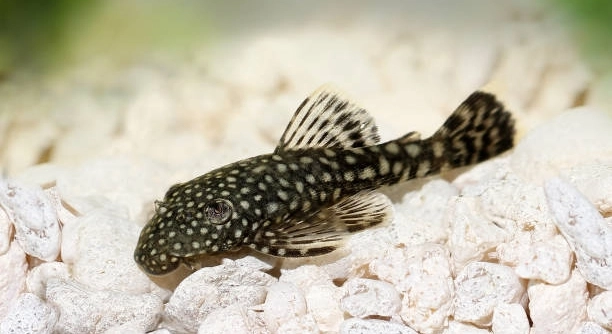
Plecos are fascinating fish that bring life to any aquarium. Many hobbyists enjoy watching them glide across the tank, yet ensuring their long-term health requires more than just clean water and space to swim.
Providing plecos with a varied and nutrient-rich diet is crucial for their growth, immune system, and overall vitality. Key foods that include vegetables, algae, and protein sources support their digestive health and encourage natural behaviors, promoting long-term thriving in captivity.
Proper nutrition goes beyond feeding flakes or pellets. Understanding which foods truly benefit plecos will make maintaining a healthy tank much easier.
Fresh Vegetables
Plecos thrive on fresh vegetables, which provide essential nutrients and fiber. Zucchini, cucumber, and spinach are excellent options to offer regularly. Blanching the vegetables slightly can make them easier to eat and digest, especially for younger plecos. Removing uneaten portions promptly prevents water quality issues. Leafy greens like romaine lettuce and kale are also beneficial, adding variety and important vitamins. Using a vegetable clip or sinking the food ensures plecos can access it without it floating away. Rotating different vegetables keeps their diet balanced and reduces the risk of nutritional deficiencies. Over time, plecos may develop preferences, but continuing to offer a mix encourages them to eat more broadly. Certain vegetables, like carrots or squash, should be cut into thin slices to avoid choking hazards. Providing fresh vegetables several times per week strengthens their digestive system and contributes to vibrant health and longevity in the aquarium environment.
Fresh vegetables supply fiber and vitamins that plecos need for proper digestion and long-term health.
Consistent feeding of fresh vegetables not only supports their physical well-being but also encourages natural grazing behavior. Plecos often graze throughout the day, scraping algae and nibbling on leaves. Offering vegetables mimics this behavior and keeps them active. Ensuring variety prevents boredom and nutritional gaps, which can lead to slower growth or weakened immune systems. Preparing vegetables properly—blanching or slicing—reduces waste and increases the likelihood that plecos will consume the entire portion. Over time, a balanced vegetable diet contributes to stronger bones, improved coloration, and better resistance to common diseases. By monitoring their consumption and adjusting portions, caretakers can maintain water quality while meeting dietary needs. Vegetables combined with other foods, like algae wafers and protein sources, create a well-rounded feeding plan that supports growth, energy, and overall vitality, keeping plecos thriving in a healthy aquarium for years.
Algae and Algae Wafers
Algae is a natural and essential part of a pleco’s diet. It provides nutrients and encourages natural grazing.
In addition to fresh algae from the tank, algae wafers are a convenient supplement. They are formulated to supply fiber, vitamins, and minerals, ensuring a consistent nutrient intake. While natural algae may vary in availability, wafers guarantee plecos receive necessary nutrients even in tanks with limited algae growth. Feeding wafers once or twice daily, alongside vegetables, helps maintain a balanced diet. Observing their eating habits ensures wafers are consumed and water quality is not compromised by excess. Different types of wafers—spirulina-based or vegetable-focused—offer dietary variety and prevent boredom. Including both fresh algae and wafers supports digestion, energy levels, and overall health. These foods also encourage natural scraping behavior, which strengthens jaw muscles. Over time, a combination of algae and wafers ensures plecos remain active, colorful, and healthy, contributing to long-term thriving in captivity.
Protein Sources
Protein is essential for plecos, especially for growth and repair. Foods like shrimp, bloodworms, and sinking pellets provide the necessary amino acids.
Including protein in a pleco’s diet supports muscle development and overall energy. Live or frozen bloodworms and brine shrimp are excellent options for occasional feeding, while high-quality sinking pellets offer a reliable daily source. It is important not to overfeed protein, as excess can pollute the tank and harm water quality. Rotating protein sources prevents monotony and encourages consistent consumption. Young plecos benefit more from protein for rapid growth, whereas adults require smaller portions to maintain health without stressing their digestive system. By providing balanced protein options, plecos can maintain vibrant activity levels, strong bodies, and healthy immune systems, contributing to their long-term well-being.
Protein helps plecos grow stronger and supports their immune system, keeping them active and healthy over time.
Careful portioning of protein ensures plecos get the benefits without negatively affecting water conditions. Overfeeding can lead to waste accumulation and ammonia spikes, which are harmful to fish. Alternating between frozen, live, and pellet-based protein sources provides variety and encourages natural feeding behavior. Adult plecos require smaller protein portions than juveniles, reflecting their slower growth rate. Incorporating protein alongside vegetables and algae creates a balanced diet that supports digestion, coloration, and energy levels. Monitoring consumption and adjusting feeding frequency helps maintain a clean tank environment while meeting dietary needs. This balance ensures plecos thrive physically and remain active and healthy in a long-term aquarium setup.
Driftwood
Driftwood is an important part of a pleco’s diet and environment. Many plecos gnaw on wood for fiber and digestive support.
Driftwood not only provides fiber but also promotes natural feeding behavior. Certain species, like common plecos, need wood to aid in digestion and prevent constipation. Offering driftwood in the tank ensures they have constant access, especially for long-term health. It also creates hiding spots and contributes to a more natural environment, reducing stress. Choosing untreated wood and cleaning it thoroughly before adding it to the tank prevents toxins or parasites from harming your fish. Over time, plecos will scrape and nibble at the wood, supporting both digestion and behavioral enrichment. Regularly monitoring the condition of the wood and replacing it when it begins to decay excessively ensures a safe and effective addition to their habitat.
Driftwood supports digestion and encourages natural behavior, while also enhancing the tank environment.
Including driftwood alongside vegetables, algae, and protein creates a well-rounded diet. It provides necessary fiber that helps maintain regular bowel movements and prevents digestive issues. Many plecos instinctively graze on driftwood daily, keeping them occupied and mimicking natural foraging. The wood also releases beneficial tannins, which can slightly lower water pH and provide mild antibacterial properties, supporting overall health. Positioning driftwood in different areas of the tank allows plecos to explore and find preferred grazing spots. This combination of dietary and environmental benefits strengthens their immune system, encourages natural behaviors, and contributes to long-term thriving in a well-maintained aquarium.
Frozen Foods
Frozen foods are an easy way to provide plecos with protein and nutrients. Options like frozen shrimp, bloodworms, and krill are convenient and safe.
Thawing frozen foods before feeding ensures plecos can eat them without stress. These foods supplement their diet and provide variety, keeping them engaged and healthy.
Commercial Pellets
High-quality commercial pellets are formulated to meet plecos’ dietary needs. They contain essential vitamins, minerals, and protein in a convenient form.
Using pellets consistently supports steady growth and overall health. Pellets also reduce the risk of overfeeding since portions can be measured easily. They are a reliable staple alongside vegetables, algae, and occasional protein sources, ensuring plecos get balanced nutrition daily. Selecting sinking pellets designed specifically for bottom feeders guarantees that plecos can access their food without competing at the surface. Rotating pellet types helps prevent dietary boredom while maintaining nutrient intake, contributing to a long-term thriving diet plan for your fish.
Leafy Greens
Leafy greens such as lettuce and kale are excellent for fiber and essential vitamins. Including them regularly benefits digestion and health.
FAQ
What vegetables are best for plecos?
Leafy greens like romaine lettuce, kale, and spinach are excellent for plecos. Zucchini, cucumber, and carrots also provide fiber and essential nutrients. Blanching tougher vegetables makes them easier to eat, and offering a mix prevents nutritional gaps. Rotating vegetables keeps their diet balanced and encourages consistent feeding.
How often should I feed algae wafers?
Algae wafers can be offered once or twice daily depending on tank size and pleco population. These wafers supply vitamins, minerals, and fiber. Observing how quickly they are consumed ensures water quality is maintained. Combining wafers with vegetables and occasional protein creates a complete diet.
Are protein sources necessary for adult plecos?
Yes, but in smaller amounts than juveniles. Bloodworms, shrimp, and sinking pellets provide essential amino acids. Overfeeding protein can harm water quality, so portion carefully. Alternating sources encourages natural grazing and supports growth, muscle development, and immune health without stressing the digestive system.
Do plecos really need driftwood?
Many plecos, especially common and sailfin species, require driftwood. It aids digestion by providing fiber and encourages natural scraping behavior. Driftwood also adds hiding spaces, reduces stress, and can release beneficial tannins. Choosing untreated wood and cleaning it thoroughly ensures safety in the tank.
Can frozen foods replace live foods?
Frozen foods like shrimp, bloodworms, and krill are safe and nutritious alternatives. Thawing before feeding prevents digestive issues. Frozen foods are convenient and reduce the risk of introducing parasites, while still providing essential protein and variety for long-term health.
How do I know if my pleco is eating enough?
Check for signs like active grazing, regular scraping of driftwood, and consumption of vegetables or pellets. Uneaten food and waste levels can indicate overfeeding. Monitoring growth, activity, and body condition ensures dietary needs are being met consistently.
Are commercial pellets enough for a balanced diet?
High-quality sinking pellets designed for plecos provide vitamins, minerals, and protein. While convenient, they should be combined with vegetables, algae, and occasional protein sources to ensure fiber intake, behavioral stimulation, and nutritional balance. Rotating pellet types prevents boredom and supports long-term health.
Can plecos eat fruit?
Occasionally, some plecos may nibble on soft fruits like melon or cucumber. Fruits should be considered a treat rather than a staple. Overfeeding fruit can upset digestion and increase waste, so offering in small amounts occasionally adds variety without compromising health.
How do I prevent overfeeding?
Feed measured portions based on the number and size of plecos. Observe how much they consume within a few hours and remove uneaten food. Rotating vegetables, wafers, and protein ensures they get nutrients without polluting the tank, supporting both health and water quality.
Is it okay to mix different protein sources in one meal?
Yes, combining small amounts of different proteins occasionally provides variety and encourages natural feeding behavior. Avoid large portions at once to prevent water quality issues. Rotating protein types daily or weekly helps maintain growth, energy, and overall vitality.
How often should vegetables be replaced in the tank?
Uneaten vegetables should be removed after a few hours to prevent decay and water pollution. Offering fresh vegetables several times per week ensures plecos have constant access to nutrients while maintaining a clean tank environment.
What if my pleco refuses certain foods?
Introduce new foods gradually and pair them with familiar favorites. Some plecos may take time to adjust, but offering variety ensures they eventually consume a balanced diet. Observing preferences helps in planning their meals while maintaining nutritional needs.
This FAQ covers essential aspects of feeding plecos to support long-term health, digestion, and natural behavior, ensuring a thriving aquarium environment.
Final Thoughts
Proper nutrition is the foundation of a pleco’s health and longevity. Offering a balanced diet that includes fresh vegetables, algae, protein sources, and driftwood ensures that plecos get all the nutrients they need. Vegetables provide fiber and essential vitamins, which support digestion and prevent common health issues. Algae and algae wafers supply vitamins and minerals while encouraging natural grazing behavior. Protein sources like shrimp, bloodworms, and sinking pellets support growth, muscle development, and energy, particularly in younger plecos. Including a variety of foods ensures they receive complete nutrition, helping them maintain strong bodies and vibrant coloration over time. Overfeeding any single food can lead to water quality problems or digestive issues, so careful portioning is important. By combining different food types, plecos can enjoy a varied and enriching diet that meets both their physical and behavioral needs.
In addition to diet, environmental factors play a key role in long-term health. Driftwood, for example, provides necessary fiber and encourages natural scraping behavior, which aids digestion. It also creates hiding spaces that reduce stress and mimic natural habitats. Maintaining clean water, stable temperature, and proper pH levels enhances the benefits of a healthy diet. Offering vegetables in clips or sinking them allows plecos to access food without competition, while monitoring feeding habits helps prevent waste buildup. Observing their activity, grazing patterns, and overall condition gives important insight into whether their dietary needs are being met. Combining environmental enrichment with a carefully planned diet supports overall well-being and keeps plecos active, healthy, and thriving in a long-term aquarium setting.
Consistency and attention to detail are essential for keeping plecos healthy over time. Feeding them a variety of foods in appropriate amounts, monitoring water quality, and ensuring access to natural fiber sources like driftwood creates a sustainable routine. While it may seem simple to provide vegetables or pellets, thoughtful planning and observation make a significant difference in their health and behavior. Rotating foods prevents boredom and ensures they consume all necessary nutrients, supporting strong immunity and steady growth. Paying attention to their preferences and adjusting portions as needed also contributes to a healthier, more balanced aquarium environment. By following these practices, plecos can thrive for many years, demonstrating natural behavior, maintaining bright coloration, and remaining active throughout their lives. A consistent approach to diet and care ultimately provides a long-lasting foundation for their health and happiness.

Hello,
If you enjoy the content that we create, please consider saying a "Thank You!" by leaving a tip.
Every little bit helps us continue crafting quality advice that supports the health, happiness, and well-being of pets around the world, for pets of all shapes, sizes, and species.
We really appreciate the kindness and support that you show us!