
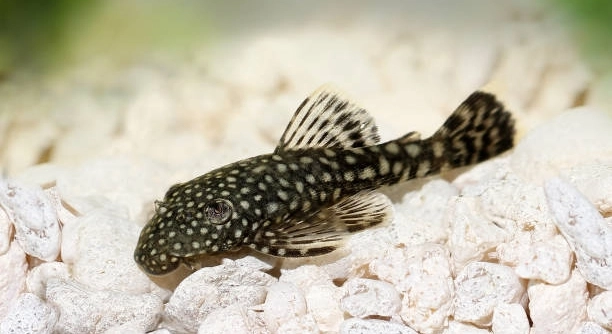
Keeping bristlenose plecos healthy is important for any home aquarium. These small, peaceful fish need the right environment to thrive. Proper water conditions, including pH, play a big role in their overall well-being.
The ideal pH for bristlenose plecos is between 6.5 and 7.5. Maintaining water within this slightly acidic to neutral range ensures optimal health, encourages proper digestion, and supports natural behaviors essential for their long-term survival in captivity.
Monitoring pH levels regularly helps maintain a stable aquarium. Understanding this simple factor can prevent stress and health issues in your plecos.
Understanding Bristlenose Pleco pH Needs
Bristlenose plecos are hardy fish, but their health depends heavily on stable water conditions. A pH that is too low or too high can stress them, affecting their appetite, growth, and immunity. I learned early on that monitoring pH helps avoid unexpected health issues. These fish naturally come from slightly acidic to neutral waters, so keeping their aquarium within the 6.5 to 7.5 range mimics their native environment. Consistent water testing using reliable kits ensures that fluctuations are noticed quickly. Sudden changes can lead to disease or unusual behavior, such as hiding or reduced feeding. Over time, I realized that combining pH monitoring with regular water changes provides a stable habitat, which these plecos seem to appreciate. The correct pH also supports beneficial bacteria in the tank, helping maintain clear water and reducing ammonia spikes. Keeping the environment balanced makes caring for bristlenose plecos much less stressful.
Maintaining stable water conditions is easier than it seems. Small, regular checks prevent major problems and keep your plecos thriving.
Paying attention to pH also supports other aspects of aquarium health. Filtration, temperature, and plant choices all interact with acidity levels, so a balanced approach keeps your fish happy and reduces maintenance stress over time.
Signs Your Pleco’s pH Is Off
Bristlenose plecos show clear signs when water conditions are not ideal. Changes in behavior, appetite, or appearance often indicate pH problems.
When pH is outside the ideal range, plecos may become less active, cling to surfaces more than usual, or stop eating. Their color may also fade slightly, and fins might appear weaker. I noticed that small shifts in pH caused immediate changes in their behavior. Testing water regularly allowed me to catch these issues early. Using natural buffers, like driftwood, helps maintain stability without chemicals. Sudden adjustments should be avoided, as plecos are sensitive to rapid changes. Monitoring alongside other water parameters, like hardness and ammonia, ensures a comprehensive approach. With proper care, these fish quickly return to normal behavior once pH is corrected. Understanding these signs early can prevent long-term health problems and reduce stress for both the fish and the keeper. This attention to detail makes keeping bristlenose plecos a smoother experience.
Adjusting pH Safely
Small, gradual changes are the key to adjusting pH in a pleco tank. Sudden shifts can stress or harm your fish.
I learned that using natural methods like driftwood or peat moss helps lower pH gently. Adding crushed coral or limestone slowly increases pH when needed. Testing the water daily during adjustments ensures stability. Avoid using strong chemicals, as these can cause sudden spikes or drops. Maintaining a consistent schedule of water changes also helps prevent pH swings. Over time, I found that slow, careful adjustments keep the plecos calm and healthy while achieving the right water balance.
Frequent monitoring during any adjustment phase prevents mistakes and keeps your plecos safe. Patience is the most effective tool in this process.
Proper tank setup complements pH management. Using plants, substrate, and hiding spots not only reduces stress but also naturally supports water chemistry. For example, certain driftwoods release tannins that buffer pH, while live plants help absorb excess nutrients, keeping the water more stable. Combining these elements with gentle adjustments creates an environment where plecos thrive. Understanding your tank’s ecosystem and observing your fish daily allows you to see how changes affect them. Over time, maintaining the ideal pH becomes second nature and makes long-term care much simpler.
Long-Term pH Maintenance
Consistency is crucial for keeping pH stable. Irregular testing or water changes can lead to fluctuations that affect plecos.
I realized that regular monitoring, at least once a week, makes a noticeable difference. Using a reliable test kit helps track trends rather than just single readings. Pairing this with consistent water changes prevents ammonia and nitrite spikes that influence pH. Observing the fish’s behavior adds another layer of insight; they often show early signs of stress before chemical tests indicate a problem. Once I established a routine, maintaining pH became less stressful. Simple tools like buffers or natural additives help keep levels steady over months. Documenting trends also allows me to anticipate seasonal changes in tap water or temperature.
Maintaining long-term stability also includes attention to filtration and tank size. A well-filtered tank reduces waste buildup, which can affect acidity, while a larger volume of water naturally resists rapid pH swings. Combining good filtration, slow water changes, and occasional natural adjustments ensures your plecos live in a healthy, consistent environment, making care easier and more predictable over time.
Common pH Mistakes
Overcorrecting pH too quickly is a frequent mistake in pleco care. It often causes more harm than good.
Relying solely on chemical treatments without observing fish behavior can mask underlying issues. Consistent testing and gradual adjustments prevent unnecessary stress and health problems.
Natural Ways to Maintain pH
Using driftwood, peat moss, or limestone in the aquarium helps regulate pH naturally. Driftwood slowly releases tannins that slightly lower pH, creating a more acidic environment similar to their native waters. Peat moss works in a similar way, softening the water gently. On the other hand, crushed coral or limestone slowly raises pH, buffering the water and preventing sudden drops. These methods are safer than harsh chemicals, as they create gradual changes. I’ve found that combining these natural elements with regular water changes provides the most stable environment. Observing the fish during these adjustments ensures they remain healthy and stress-free.
pH and Fish Behavior
Changes in pH often reflect in pleco behavior. Stress or hiding can indicate instability.
FAQ
What happens if the pH is too low for bristlenose plecos?
When the pH drops below 6.5, plecos can become stressed and less active. Appetite often decreases, and they may cling to surfaces more than usual. Over time, low pH can weaken their immune system, making them more susceptible to disease. I noticed that my plecos became pale and slower during prolonged periods of acidic water. Regular testing and gradual adjustment are essential to avoid these problems. Adding driftwood or peat moss can help maintain slightly acidic conditions safely, but monitoring ensures the pH does not drop too far.
Can plecos tolerate pH above 7.5?
Bristlenose plecos can survive in slightly alkaline water, but anything consistently above 7.5 may cause stress. Signs include hiding, fin clamping, or reduced feeding. I learned that even small, prolonged deviations from neutral can affect their health. Crushed coral or limestone can slowly raise pH if needed, but rapid changes should be avoided. Maintaining a stable range close to 7.0 generally ensures better health and behavior.
How often should I test my tank’s pH?
Testing once a week is usually sufficient for a stable tank. During adjustments, daily testing is better. I keep a log of readings to track trends rather than relying on single measurements. Monitoring alongside water temperature and hardness gives a fuller picture of tank conditions. Regular testing prevents surprises and keeps plecos healthy without overcomplicating maintenance.
Are water changes necessary for pH control?
Yes, consistent water changes help maintain pH stability. I usually replace 20–30% of the water weekly. Fresh water dilutes waste buildup and prevents sudden chemical shifts that could affect acidity. Pairing water changes with natural buffers like driftwood ensures the tank remains balanced and reduces stress on the fish.
Do plecos prefer soft or hard water?
Bristlenose plecos thrive in moderately soft to slightly hard water. Extremely hard water can stress them over time, while very soft water may cause pH to fluctuate more easily. I found that monitoring both general hardness (GH) and carbonate hardness (KH) helps maintain the ideal pH range. Natural additives like peat can soften water gently without sudden changes.
Will pH affect pleco breeding?
Yes, stable pH is important for breeding. Females may lay fewer eggs or ignore caves if water is too acidic or alkaline. During my experience, keeping pH consistently around 6.8–7.2 encouraged more active breeding behavior. Sudden changes often delay or disrupt spawning, so slow adjustments are key.
Can plants help stabilize pH?
Live plants contribute to pH stability by absorbing nutrients and reducing excess waste. I noticed tanks with plenty of plants had fewer fluctuations compared to bare tanks. Plants like Java fern or Anubias are ideal because they tolerate the same pH range as plecos and improve water quality.
Are chemical pH adjusters safe?
Chemical adjusters work quickly but can stress fish if not used carefully. I prefer natural methods for regular maintenance. Chemicals can overshoot the target pH, causing sudden shifts. If chemicals are necessary, small doses with close monitoring are essential to avoid harming plecos.
How do I correct sudden pH swings?
Identify the cause first—common reasons include overfeeding, excess waste, or unstable tap water. I correct swings gradually by partial water changes and natural buffers. Sudden chemical adjustments can shock plecos, so slow and measured steps are always safer. Observing behavior helps confirm when stability returns.
Does temperature affect pH?
Yes, warmer water can lower pH slightly, while cooler water may increase it. I noticed minor changes during seasonal temperature shifts. Consistent temperature control helps maintain pH stability and keeps plecos comfortable, reducing stress and health issues over time.
This FAQ addresses most common concerns about pH for bristlenose plecos, providing practical tips and personal insights to ensure a stable and healthy aquarium environment.
Final Thoughts
Maintaining the ideal pH for bristlenose plecos is a crucial part of their care, but it doesn’t have to feel complicated. These fish are naturally hardy, yet they thrive best in stable water conditions that mimic their native habitats. Keeping the pH between 6.5 and 7.5 provides the right environment for their digestion, immunity, and general behavior. Over time, I realized that small, regular efforts in monitoring and adjusting the water make a big difference. Simple tools like a reliable test kit, a log of readings, and observation of the fish’s behavior are enough to prevent most problems. It’s easy to overlook pH as just a number, but for plecos, it can mean the difference between a healthy, active fish and one that struggles with stress or illness. By paying attention to this one factor, the tank as a whole also benefits, since stable water chemistry supports plants, beneficial bacteria, and other tank inhabitants.
Adjustments to pH should always be slow and measured. I’ve learned that rushing the process, whether with strong chemicals or large water changes, can do more harm than good. Natural methods such as driftwood, peat moss, or limestone offer a gentle way to modify water conditions without shocking the fish. Even small additions can gradually bring the tank into balance, and observing the plecos during this time provides helpful feedback on how they are responding. I also noticed that keeping other aspects of the aquarium consistent, like temperature, filtration, and feeding routines, makes pH management easier. When everything works together, the plecos seem calmer and more active, showing clear signs of being comfortable in their environment. Over months, I found that maintaining stability was less about constant intervention and more about establishing a routine and keeping a careful eye on changes.
Long-term success with plecos comes from a combination of observation, consistency, and patience. Regular water changes, monitoring pH, and using natural buffers create an environment where they can live comfortably and behave naturally. Watching how subtle shifts in the tank affect them has been informative and rewarding. I also realized that understanding the interplay between pH, water hardness, and temperature gives a fuller picture of the tank’s health. Small, thoughtful steps prevent stress and promote longevity. In the end, caring for bristlenose plecos is about balance and attention to detail. It’s satisfying to see them thriving in a stable, well-maintained aquarium, and knowing that maintaining the right pH is at the heart of their well-being makes the effort worthwhile.

Hello,
If you enjoy the content that we create, please consider saying a "Thank You!" by leaving a tip.
Every little bit helps us continue crafting quality advice that supports the health, happiness, and well-being of pets around the world, for pets of all shapes, sizes, and species.
We really appreciate the kindness and support that you show us!