
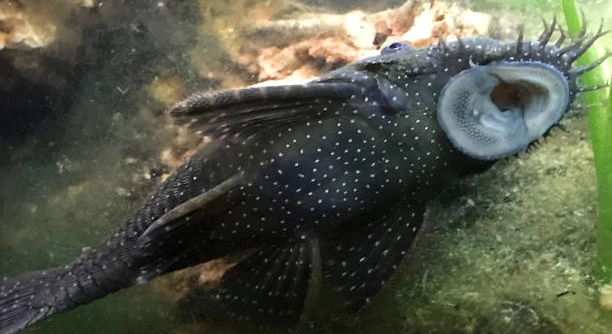
Have you noticed your pleco moving its fins more than usual in the tank? These gentle fish often display small behaviors that might seem odd at first, but they usually have simple explanations rooted in their environment.
Plecos flick their fins primarily as a response to irritation, stress, or territorial instincts. Changes in water quality, overcrowding, or the presence of other fish can trigger this behavior, indicating that adjustments to their habitat may be necessary.
Observing these behaviors closely can reveal important insights about your pleco’s well-being and help maintain a healthy tank environment for it.
Common Reasons for Fin Flicking
Many plecos flick their fins as a way to communicate discomfort or react to changes in their environment. Poor water quality is a frequent trigger. High levels of ammonia, nitrites, or nitrates can irritate their skin and fins, causing constant flicking. Temperature fluctuations also stress plecos, as they prefer stable, slightly warm water. Overcrowding in the tank may lead to territorial disputes, which can make a pleco more defensive, resulting in visible fin movement. Even the presence of aggressive or active tank mates may cause stress, prompting them to flick their fins. Physical irritations, such as sharp decorations or rough surfaces, can further encourage this behavior. Ensuring proper water filtration, regular cleaning, and providing sufficient hiding spaces can reduce stress. Observing your pleco’s interactions within the tank and maintaining optimal water conditions are key steps in minimizing fin flicking.
Maintaining a calm and stable tank environment reduces stress-related fin flicking and promotes your pleco’s overall health.
Recognizing the specific triggers for fin flicking helps you respond effectively. Adjusting water parameters, removing sharp objects, or separating aggressive fish can improve the pleco’s comfort. Providing plenty of hiding spots allows them to feel secure and reduces unnecessary movement. Over time, these changes often result in calmer, healthier plecos that display normal, relaxed behavior. Understanding and addressing the root causes ensures a balanced ecosystem, benefiting both the pleco and other tank inhabitants, while reducing stress-related issues.
Water Quality and Its Effects
Poor water quality can lead to constant fin flicking, indicating discomfort or health risks. Regular testing and cleaning are essential to prevent these problems.
Water quality directly affects a pleco’s health. Elevated toxins like ammonia or nitrites irritate fins and skin, causing constant flicking or rubbing against surfaces. Sudden shifts in pH or temperature create stress, weakening immunity and increasing susceptibility to disease. Regular water changes and monitoring filtration efficiency are critical. Additionally, overfeeding can contribute to poor water quality by leaving excess waste, which decomposes and increases toxin levels. Ensuring proper diet and tank maintenance prevents this accumulation. Introducing live plants and providing adequate space for each fish also stabilizes the environment. Observing water parameters consistently allows timely intervention if levels become harmful. Addressing water issues promptly ensures the pleco remains active and comfortable, reducing fin flicking behaviors while supporting long-term health.
Tank Size and Space
A small tank can make plecos feel cramped, leading to stress and fin flicking. They need enough room to swim freely and establish territory. Proper space reduces aggressive interactions and keeps them calmer.
Insufficient tank space often triggers defensive or restless behavior in plecos. When a tank is too small, these fish cannot explore or find hiding spots, which makes them more sensitive to other fish and sudden movements. They may repeatedly flick their fins as a way to signal irritation or assert boundaries. Over time, chronic stress from tight quarters can weaken their immune system, making them prone to illness. Ensuring the tank is appropriately sized, with plenty of decorations and shelters, helps your pleco feel secure, reducing the need for constant fin flicking and promoting healthier overall behavior.
Plecos also benefit from distinct areas within the tank. Rocks, driftwood, and caves allow them to claim spaces, which lowers stress and fin flicking. Observing their preferred spots can guide adjustments. If they frequently flick fins near a specific area, it might indicate discomfort, overcrowding, or poor water flow there. Rearranging the tank occasionally and offering varied spaces can help distribute activity more evenly. Creating a comfortable, structured environment allows plecos to thrive without constant agitation, reducing fin flicking and encouraging natural, relaxed movement throughout the tank.
Interaction with Other Fish
Aggressive or overly active tank mates often provoke fin flicking. Plecos respond to threats or disturbances by moving their fins repeatedly to defend themselves or signal stress.
Plecos are naturally territorial, especially in crowded environments. When housed with fish that chase, nip, or invade their space, they may flick their fins as a warning or reaction to discomfort. Even non-aggressive species can cause stress if the tank is small or hiding spots are limited. Continuous fin flicking can indicate tension within the tank community. Providing adequate separation, visual barriers, and enough hiding areas helps minimize conflict. Watching how plecos react to specific tank mates can guide rearrangements or adjustments, creating a balanced environment where all fish coexist peacefully.
Diet and Feeding Habits
A poor diet can make plecos restless, leading to fin flicking. Lack of variety or insufficient nutrients affects their energy and overall comfort, causing noticeable behavioral changes.
Overfeeding or irregular feeding schedules may also trigger fin flicking. Plecos can become stressed when food is scarce or suddenly abundant, reacting with constant movement.
Stress and Environmental Changes
Sudden changes in the tank, such as new decorations, water temperature shifts, or relocation, can make plecos anxious. Stress often shows through repeated fin flicking as they adjust to the altered environment. Maintaining consistency in their surroundings helps reduce anxiety.
Signs of Illness
Persistent fin flicking can indicate disease. Watch for torn fins, discoloration, or lethargy alongside movement changes. Prompt attention is crucial to prevent worsening health issues.
FAQ
Why does my pleco flick its fins more at night?
Plecos are naturally more active during the evening and night. Flicking fins during these hours can be a normal behavior, as they explore their environment or search for food. However, if this behavior is excessive, it may signal stress or irritation caused by tank mates, water quality, or limited space. Observing patterns and tank conditions can help determine if it’s normal activity or a sign of a problem that needs attention.
Can flicking fins be a sign of illness?
Yes, persistent fin flicking can indicate health issues. Common concerns include fin rot, parasitic infections, or bacterial diseases. Look for accompanying signs like torn fins, discoloration, lethargy, or loss of appetite. Promptly isolating the affected pleco and checking water quality can prevent further illness. Regular maintenance and proper nutrition are essential for keeping your pleco healthy and minimizing stress-related behaviors.
Is it normal for plecos to flick fins during feeding?
Some fin flicking during feeding is normal. Plecos may move their fins to position themselves better or assert mild territorial behavior over food. Excessive flicking, however, may suggest stress or competition among tank mates. Ensuring enough food and space for each fish can reduce tension and make mealtime calmer for all.
How can I tell if my pleco is stressed?
Signs of stress include rapid or constant fin flicking, hiding more than usual, erratic swimming, or changes in appetite. Stress often arises from poor water quality, aggressive tank mates, or overcrowded conditions. Maintaining a stable environment with clean water, appropriate tank size, and sufficient hiding spots helps reduce stress and encourages normal behavior.
Do tank decorations affect fin flicking?
Yes, sharp or rough decorations can irritate fins, causing flicking. Plecos may scrape against surfaces or repeatedly move their fins to reduce discomfort. Using smooth driftwood, rocks, or specially designed pleco-safe décor minimizes injury and stress. Rearranging decorations periodically can also help prevent territorial disputes and keep plecos comfortable in their space.
Will fin flicking go away on its own?
Occasional fin flicking is often harmless and may resolve naturally. However, if it persists or is accompanied by other symptoms like lethargy or torn fins, it requires investigation. Monitoring water parameters, observing tank interactions, and making adjustments to environment or diet usually reduce excessive fin flicking over time.
Can water changes reduce fin flicking?
Yes, regular water changes help maintain optimal water quality, which can lower stress and reduce fin flicking. Removing waste, balancing pH, and keeping temperature stable creates a more comfortable habitat. Testing water frequently ensures that harmful compounds like ammonia or nitrites do not build up, keeping your pleco healthy and calm.
Is flicking more common in young plecos?
Younger plecos tend to be more active and may flick their fins more as they explore and establish territory. Adult plecos are generally calmer, but flicking can still occur due to stress, poor water conditions, or aggressive tank mates. Observing growth stages and behavior patterns helps distinguish normal activity from potential issues.
How do I prevent fin flicking in a community tank?
Providing adequate space, hiding spots, and compatible tank mates reduces stress-related fin flicking. Avoid overcrowding and monitor interactions closely. Maintaining consistent water parameters and feeding schedules also helps. A well-structured environment allows plecos to display natural behaviors without excessive agitation or defensive fin movement.
When should I consult a veterinarian?
Consult a veterinarian if fin flicking persists despite stable water conditions and proper care, especially when accompanied by physical symptoms like fin damage, discoloration, or unusual swimming patterns. Early intervention ensures proper diagnosis and treatment, preventing further health complications.
Can diet changes affect fin flicking?
Yes, providing a balanced diet with adequate nutrients reduces stress and related fin flicking. Lack of fiber or certain vitamins can make plecos restless or irritable. Offering a mix of algae wafers, vegetables, and occasional protein supplements supports both health and calm behavior, minimizing unnecessary fin movement.
Does lighting impact fin flicking?
Bright or inconsistent lighting can stress plecos, leading to flicking. Plecos prefer dim or moderate lighting and shaded areas where they can feel secure. Using adjustable lights or providing hiding spaces helps create a stable environment, reducing stress-related behaviors and promoting a more relaxed tank atmosphere.
How long does it take for fin flicking to decrease?
The time varies depending on the cause. Adjusting water quality, tank setup, and diet can result in noticeable improvement within days to weeks. Persistent environmental stressors or health issues may require longer intervention. Monitoring changes closely helps determine if further adjustments or veterinary care are needed.
Are certain pleco species more prone to flicking?
Yes, some species are naturally more active or territorial, making fin flicking more common. For example, larger or more aggressive plecos may display more frequent fin movements in response to tank mates or environmental changes. Understanding your species’ behavior guides better tank management and reduces stress-related fin flicking.
Can fin flicking indicate breeding behavior?
In some cases, fin flicking may be linked to mating or establishing territory during breeding periods. Male plecos often become more active and defensive, which can include flicking fins. Observing other breeding behaviors, such as nest building or increased aggression, helps determine if this is normal reproductive activity rather than a sign of stress.
What role does water flow play in fin flicking?
Strong or uneven water currents can make plecos uncomfortable, causing them to flick fins to maintain stability. Adjusting filter output or creating areas of calmer water allows them to rest and reduces stress-induced fin movement. Proper flow mimics natural habitats and supports healthy, relaxed behavior.
Is isolation ever necessary for fin flicking?
Temporary isolation may be helpful if a pleco is stressed, sick, or being harassed by tank mates. Providing a separate, safe space allows recovery and prevents injury. Ensure water parameters remain consistent in both tanks, and reintroduce the pleco gradually to minimize further stress.
How often should I monitor pleco behavior?
Regular observation is key. Watching your pleco daily for fin flicking, swimming patterns, and interaction with tank mates helps detect issues early. Prompt responses to environmental changes, health concerns, or stressors maintain a stable, comfortable environment and reduce unnecessary fin flicking.
Can seasonal changes affect fin flicking?
Yes, temperature fluctuations or shifts in natural light cycles can increase stress, causing fin flicking. Adjusting heater settings, using consistent lighting, and maintaining stable water conditions helps plecos adapt to seasonal changes without exhibiting excessive fin movement.
What small changes can make the biggest difference?
Minor adjustments like adding hiding spots, rearranging decorations, stabilizing water temperature, or improving diet can significantly reduce fin flicking. Consistency and attentiveness to their environment often result in calmer, healthier plecos, making these small changes highly effective in promoting natural, relaxed behavior.
Final Thoughts
Observing your pleco flicking its fins can initially be concerning, but this behavior is often a natural response to its environment. Many plecos use fin flicking to communicate discomfort, assert territory, or react to stress. Understanding the context of the behavior is essential. Factors such as water quality, tank size, tank mates, diet, and decorations all influence how comfortable your pleco feels. Paying attention to these aspects helps you distinguish between normal, occasional flicking and signs of stress or health issues. While occasional fin flicking is usually harmless, consistent or extreme movement often signals a need for adjustment in the tank environment. By keeping the tank clean, stable, and spacious, and by observing interactions with other fish, you can reduce the likelihood of stress-related behaviors. This not only improves the pleco’s well-being but also creates a more peaceful environment for all tank inhabitants.
Maintaining water quality is one of the most effective ways to ensure your pleco stays healthy and calm. Regular testing for ammonia, nitrites, nitrates, and pH levels is essential, as even small fluctuations can irritate the fish. Water changes, proper filtration, and careful monitoring of temperature contribute to a stable environment that minimizes stress. In addition, providing enough space and hiding spots is crucial. Plecos are territorial creatures and require areas where they can feel secure. Overcrowding or limited shelter can lead to defensive fin flicking and increased tension among tank mates. Smooth decorations and driftwood are better suited to plecos than sharp surfaces that might injure their fins. Small adjustments to tank setup, along with consistent care, go a long way in reducing unnecessary fin flicking and promoting natural behavior.
Diet and feeding routines also play a significant role in fin flicking behavior. A balanced diet that includes algae wafers, vegetables, and occasional protein supplements keeps your pleco nourished and satisfied. Overfeeding or underfeeding can both cause stress, leading to increased movement or agitation. Observing your pleco’s behavior during feeding times helps identify any tension or competition among tank mates. Additionally, gradual changes in lighting, temperature, or decorations should be managed carefully to avoid sudden stress. Keeping these factors consistent allows your pleco to feel secure and reduces unnecessary fin flicking. By addressing water quality, tank setup, diet, and interactions with other fish, you can create an environment where your pleco thrives. Attentive care ensures that fin flicking remains a normal, occasional behavior rather than a sign of ongoing stress or health problems, supporting long-term comfort and vitality in your tank.

Hello,
If you enjoy the content that we create, please consider saying a "Thank You!" by leaving a tip.
Every little bit helps us continue crafting quality advice that supports the health, happiness, and well-being of pets around the world, for pets of all shapes, sizes, and species.
We really appreciate the kindness and support that you show us!