
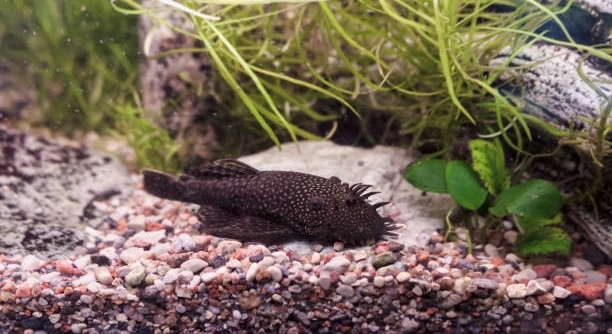
Is your pleco tank showing signs of stress, with sluggish movement or fading colors? These subtle changes often point to imbalances in the water, especially when acidity levels start to rise beyond what plecos can tolerate.
Pleco water often becomes too acidic due to factors such as decaying organic matter, excess carbon dioxide, poor filtration, and infrequent water changes. Over time, these elements lower the pH level, creating an unstable environment that can harm your fish’s health and overall well-being.
Understanding these causes will help you maintain a balanced tank, ensuring your plecos thrive in clean, stable, and healthy water conditions.
Excess Organic Waste
When leftover food, dead plants, or fish waste accumulate in the tank, they begin to break down and release acidic compounds into the water. Over time, this buildup decreases the pH level, making the environment too acidic for plecos to thrive. This process often goes unnoticed, as the debris may settle within the gravel or filter, gradually altering water chemistry. Regular cleaning and gravel vacuuming are essential for preventing these hidden changes. In heavily stocked tanks, waste accumulation occurs faster, which means maintenance should be more frequent to balance the ecosystem and keep the water conditions stable for your plecos.
A good habit to form is to remove uneaten food a few minutes after feeding. This prevents excess organic matter from decaying and helps maintain proper pH balance. Staying consistent with weekly cleaning keeps your plecos healthier and more active.
Monitoring nitrate levels also helps identify when waste buildup is increasing. High nitrate readings are a strong indicator that more frequent water changes or filter cleaning may be needed. By managing organic matter properly, you reduce the risk of pH drops and create a more comfortable, stable habitat for your plecos to flourish in long term.
Carbon Dioxide Buildup
Carbon dioxide naturally increases in aquariums with poor water circulation. Without enough surface agitation, CO₂ accumulates and reacts with water, forming carbonic acid, which lowers pH. This change happens gradually, affecting your pleco’s comfort and overall health.
Improving oxygen exchange is key to solving this issue. Adding an air stone, sponge filter, or adjusting the filter output can significantly increase surface movement, allowing trapped CO₂ to escape. Plants also play an important role; while they absorb carbon dioxide during the day, they release it at night, slightly shifting pH levels. To minimize this effect, ensure your tank has balanced lighting and moderate plant density. Regularly checking the pH at different times of day provides a clearer understanding of your tank’s daily fluctuations. With steady aeration and consistent maintenance, carbon dioxide buildup can be kept under control, ensuring your plecos live comfortably in a balanced aquatic environment.
Infrequent Water Changes
When water changes are delayed, acidic compounds build up, slowly lowering the pH. Waste, uneaten food, and dissolved organics all contribute to this imbalance. Regular water replacement helps maintain consistent chemistry and prevents stress or illness in plecos caused by excessive acidity.
Performing partial water changes weekly keeps the tank stable and supports proper oxygen exchange. Using a gravel vacuum removes debris that might not be visible but affects acidity over time. Always treat tap water with a conditioner to remove chlorine and balance minerals. Maintaining a regular cleaning schedule prevents drastic fluctuations that can harm sensitive fish like plecos.
In tanks with a heavy bioload, more frequent water changes may be needed. This prevents toxins and organic acids from accumulating between maintenance sessions. A consistent pattern, rather than occasional large changes, keeps the ecosystem balanced and ensures your plecos stay active, healthy, and stress-free in their environment.
Poor Filtration
A weak or clogged filter reduces the tank’s ability to process waste effectively. As debris accumulates, water quality declines, leading to rising acidity levels that disrupt your pleco’s natural environment. A well-functioning filter is essential for consistent pH and biological stability.
Regularly cleaning filter media prevents blockages and keeps beneficial bacteria active. These bacteria break down ammonia and nitrites into less harmful nitrates, reducing acidic buildup. Avoid cleaning all filter components at once, as this can remove too much beneficial bacteria. Instead, rinse only a portion using tank water to preserve balance. Choosing a filter that suits your tank size and stocking level ensures efficient circulation and waste removal. Strong water flow also helps oxygenate the tank, counteracting acidification caused by stagnant water. Maintaining a dependable filtration routine supports a healthier, more resilient environment for your plecos.
Decaying Plant Matter
When live plants begin to rot, they release tannins and organic acids into the water. This gradual breakdown lowers pH and darkens the tank, creating an unhealthy environment for plecos that prefer stable and clean water conditions. Regular trimming helps prevent this issue.
Removing dying leaves and excess plant debris during cleaning keeps the water clearer and less acidic. Healthy plant growth also helps absorb nutrients that would otherwise feed decay. Staying consistent with maintenance ensures that your plants and plecos both thrive in a well-balanced environment.
Driftwood Release
Driftwood naturally releases tannins that can soften water and lower pH. While small amounts are harmless, too much driftwood can cause significant acidity changes over time. Boiling or soaking it before placing it in the tank helps minimize tannin release and maintains stable water conditions.
Overfeeding
Overfeeding causes uneaten food to sink and decompose, leading to acidic water. Feeding small portions that your plecos can finish within a few minutes prevents buildup and keeps the tank cleaner and healthier.
FAQ
What pH level is best for plecos?
Plecos thrive in slightly acidic to neutral water, with a pH between 6.5 and 7.5. Maintaining this balance helps them stay active, eat well, and display brighter colors. Water that is too acidic, usually below 6.0, can cause stress, reduce appetite, and make plecos more prone to disease. Regular testing using a reliable pH kit ensures your tank remains within the ideal range. Stability is more important than perfection, so aim to keep the pH consistent rather than chasing exact numbers.
How often should I test the water for acidity?
Testing your pleco tank water once or twice a week is ideal, especially if it is newly established or heavily stocked. Frequent checks help you notice small changes before they become serious. Over time, as the tank stabilizes, testing once every two weeks is usually enough. It’s helpful to record your results, so you can identify patterns related to feeding, cleaning, or plant growth. This makes it easier to adjust maintenance routines and keep your plecos healthy in the long run.
Can too much driftwood make the water unsafe for plecos?
Yes, excessive driftwood can release high levels of tannins, which darken the water and lower pH. While mild acidity from driftwood is often beneficial, too much can make the environment stressful for plecos. The best approach is to use a moderate amount and pre-soak or boil the wood before adding it to the tank. This helps release excess tannins and prevents sudden pH drops. If you notice the water becoming too brown, perform a partial water change or add activated carbon to the filter to restore clarity and balance.
What signs show that the water is too acidic?
Common signs include plecos becoming less active, hiding more often, or losing their appetite. You may also notice color fading or clamped fins. In severe cases, they might show rapid breathing or rest near the bottom more than usual. Acidic water can also cause visible irritation or damage to the skin and fins. Testing the pH should be the first step whenever you observe these changes. Addressing acidity quickly helps prevent long-term harm and restores comfort to your plecos.
Can plants help balance the pH in a pleco tank?
Yes, live plants can help stabilize water conditions by absorbing excess nutrients and improving oxygen exchange. During photosynthesis, plants consume carbon dioxide, which reduces acidity. However, at night, they release CO₂, which can slightly lower the pH. To maintain balance, ensure proper lighting cycles and moderate plant density. Healthy plant growth also prevents organic waste buildup, indirectly helping control pH levels. Combined with good filtration and regular maintenance, plants contribute to a healthier and more stable environment for plecos.
Should I use pH-adjusting chemicals to correct acidity?
It’s better to avoid relying on pH-adjusting chemicals unless absolutely necessary. These products can cause sudden shifts that stress plecos and disrupt beneficial bacteria. Instead, focus on addressing the root causes of acidity, such as waste buildup, poor filtration, or excess carbon dioxide. Natural methods like adding crushed coral, using limestone decorations, or increasing aeration are safer and more gradual. Consistency and balance are key—chemical adjustments should only be a last resort when natural methods fail to restore stability.
Can tap water affect acidity levels?
Yes, tap water composition varies by region and can influence tank pH. Some tap water is naturally soft and acidic, while others are alkaline due to mineral content. Always test your tap water before using it and treat it with a conditioner to remove chlorine or chloramine. If the pH is too low, you can mix it with a small amount of dechlorinated, mineral-rich water to balance it out. Understanding your local water chemistry helps you make better adjustments for your pleco’s needs.
How can I safely raise the pH in my pleco tank?
To safely increase pH, start with gradual changes. Adding crushed coral or limestone to the filter or substrate helps release minerals that raise pH slowly. You can also use small amounts of baking soda, but only after testing and in very small doses. Increasing water circulation and aeration removes excess CO₂, which also helps lift pH levels naturally. Avoid making large adjustments in a short time, as plecos are sensitive to sudden environmental shifts. Slow, steady changes are the best way to restore a healthy balance.
Why is stable pH more important than a perfect number?
Plecos adapt well to slightly varying pH levels as long as changes happen gradually. Rapid or frequent fluctuations cause more harm than water that’s slightly outside the ideal range. Stability allows beneficial bacteria to thrive and helps fish maintain a strong immune system. A consistent routine of testing, cleaning, and water changes is more effective than constantly trying to fine-tune pH. Keeping your plecos in steady conditions supports their growth, color, and long-term health, ensuring a peaceful and thriving aquarium.
Final Thoughts
Keeping the water conditions right for plecos takes time and consistency, but it becomes easier once you understand the main causes of acidity. Factors such as leftover food, decaying plant matter, poor filtration, and carbon dioxide buildup slowly change the tank’s balance. These changes may not be visible at first, yet they can greatly affect your pleco’s health and comfort. By paying attention to these small details, you help create a safe and stable home for your fish. Regular testing, cleaning, and observation are the most reliable ways to prevent sudden drops in pH and ensure that your plecos live in harmony with their surroundings.
Creating balance in an aquarium is about more than just numbers. While pH tests and chemical readings are important, the overall stability of the ecosystem matters most. Every adjustment, whether it’s cleaning the filter, changing the water, or trimming plants, has an effect on the tank’s chemistry. Making small, gradual improvements helps the environment stay balanced without shocking your fish. Even something as simple as aerating the water properly or feeding less can help prevent acid buildup. Once you develop a steady routine, you will notice that your plecos become more active, their colors brighten, and their general behavior improves. This shows that the environment is balanced and supportive of their natural needs.
In the end, caring for plecos means maintaining both consistency and patience. Avoid making quick corrections when something seems off, and instead focus on understanding what is causing the change. Stability is what keeps a tank healthy in the long term. Try to test your water regularly, keep your filter running smoothly, and clean the tank on a set schedule. These small habits make a big difference in preventing acidity and other common problems. With careful maintenance and attention, your plecos can thrive for many years in an aquarium that feels natural, clean, and well cared for. A balanced tank not only supports the health of your fish but also becomes more enjoyable to watch and maintain, offering a calm and beautiful part of your daily environment.

Hello,
If you enjoy the content that we create, please consider saying a "Thank You!" by leaving a tip.
Every little bit helps us continue crafting quality advice that supports the health, happiness, and well-being of pets around the world, for pets of all shapes, sizes, and species.
We really appreciate the kindness and support that you show us!