
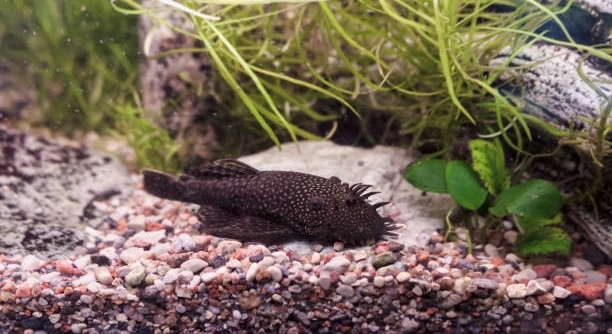
Do you ever find yourself arranging your pleco tank and noticing your fish seems stressed or inactive despite having plenty of hiding spots? Many aquarists struggle with creating an environment that truly feels safe for plecos.
Common mistakes with pleco hiding spots often involve improper placement, unsuitable materials, or insufficient size. These issues can lead to stress, territorial conflicts, and reduced activity, negatively impacting the fish’s overall health and natural behavior in a captive environment.
Understanding these hiding spot errors can improve your pleco’s comfort and well-being. We will explore practical solutions to ensure your tank provides the safest and most functional spaces.
Choosing Hiding Spots That Are Too Small
Plecos need hiding spots large enough to comfortably fit their body and allow them to turn around. When the space is too small, the fish may feel trapped or stressed, which can cause them to hide less or avoid the area entirely. Some aquarists use decorative caves or ornaments without checking the dimensions, unintentionally creating an environment that plecos cannot use effectively. In addition, small hiding spots can increase territorial aggression if multiple plecos are in the same tank. Choosing the right size is not just about comfort—it also promotes natural behavior. Measuring the fish and comparing it to the available space ensures the hiding spot serves its purpose. Rounded or irregularly shaped caves are often more effective than narrow tubes or tiny decorations, as plecos prefer spaces that feel secure yet allow movement. Monitoring the fish’s reactions after adding new hiding spots can help adjust the setup for optimal well-being.
Providing spacious hiding spots improves their activity and reduces stress, creating a healthier tank environment overall.
When hiding spots are too small, plecos may avoid them completely. Ensuring appropriate dimensions supports natural behavior, reduces stress, and maintains tank harmony.
Using Materials That Are Unsafe
Certain materials in hiding spots can harm plecos or leach chemicals into the water. Sharp edges, soft plastics, and untreated woods can injure delicate fins or affect water quality. Rocks should be smooth, and wood should be aquarium-safe to avoid introducing toxins or altering pH levels. Some decorative items may look appealing but are not designed for long-term aquatic use. Even items marketed as aquarium-safe may not be appropriate for plecos that like to chew or rasp surfaces. Choosing safe materials reduces the risk of disease, injury, and water contamination. Monitoring the tank for deterioration of materials is important, as broken or eroded spots can create hazards. Using natural stones, driftwood, and ceramic caves provides a stable and secure environment for plecos. A well-chosen material encourages exploration and ensures the fish can use their hiding spots without risk, which improves their overall behavior and reduces stress.
Selecting safe, durable materials ensures a secure environment. Unsafe items can injure plecos or damage water quality, leading to long-term problems.
Careful attention to material selection is crucial. Smooth stones, treated wood, and ceramic caves offer secure, durable hiding spots. Avoid items with sharp edges, soft plastics, or untreated materials. Regular inspection ensures no deterioration occurs, and water quality remains stable. Using unsafe materials can result in fin damage, infections, and altered pH levels, negatively affecting pleco health. Plecos are active chewers, so the material must withstand constant contact without breaking apart. Observing how plecos interact with new hiding spots helps determine if the material is appropriate. Replacing or adjusting spots that show wear prevents accidents and injuries. Long-term safety of the tank depends on both careful selection and ongoing maintenance of hiding materials, supporting the natural behavior and comfort of plecos in captivity.
Placing Hiding Spots in the Wrong Area
Incorrect placement of hiding spots can make them unused or increase tank stress. Plecos need low-light, quiet areas that feel secure. Avoid placing them in open, high-traffic zones or directly under strong currents.
Hiding spots near filters or heaters can cause plecos to avoid them. Plecos prefer corners or shaded areas where they feel shielded from movement and bright light. Crowding spots together may lead to territorial conflicts, while isolated spots encourage exploration. Observing the fish’s habits helps determine where they naturally seek refuge. Adjusting placement based on behavior ensures that hiding spots are used effectively, supporting comfort and reducing stress in the tank. Proper positioning also balances the tank’s layout, making it functional and safe for multiple fish. Over time, small adjustments can lead to significant improvements in pleco behavior and overall tank harmony.
Incorrectly placed hiding spots can disrupt behavior, leaving plecos exposed or stressed. Proper observation and adjustment are essential for effective use.
Using Too Few Hiding Spots
A single hiding spot is rarely sufficient for plecos, especially in community tanks. Multiple fish need several options to reduce competition and stress.
Providing too few hiding spots can lead to territorial aggression and limited access for some plecos. Fish may fight over a single cave or tube, resulting in injuries or heightened stress. Each pleco requires at least one spot per individual, with extra spaces for shy or subordinate fish. Even in smaller tanks, creating multiple hiding areas ensures that each fish has a retreat, reducing tension. Diverse hiding spots, including caves, driftwood, and dense plants, cater to different preferences and behaviors. Placement should consider size, accessibility, and lighting to maximize usage. Observing interactions among fish after adding spots allows for adjustments to maintain a calm, balanced environment. Proper distribution also promotes natural behavior, encouraging exploration while giving plecos control over their personal space.
Multiple hiding spots prevent conflicts and reduce stress. A well-planned distribution supports natural behavior, ensuring each pleco can retreat safely.
Ignoring Pleco Size Growth
Plecos grow steadily, and hiding spots that fit a juvenile may become too small over time. Regularly checking and adjusting spots is necessary to match their current size.
Using fixed or small decorations without considering growth can make hiding spots unusable. Upgrading spots ensures plecos remain comfortable and stress-free.
Overcrowding Hiding Spots
Placing too many decorations in a small tank reduces swimming space and creates unused hiding spots. Fish may avoid cramped areas, leading to stress and inactivity. Proper spacing ensures accessibility while maintaining open areas for movement.
Choosing Hiding Spots That Are Too Open
Open hiding spots may not feel secure to plecos. They prefer shaded, enclosed areas where they can retreat safely from light and tank activity.
Neglecting Maintenance of Hiding Spots
Hiding spots can accumulate algae, debris, or decay, affecting water quality and fish health. Regular cleaning preserves safety and usability.
FAQ
How many hiding spots does a pleco need in a tank?
Plecos need at least one hiding spot per fish, with additional spots if the tank houses multiple plecos or other species. Providing extra spaces reduces territorial disputes and gives each fish a retreat. Variety in shape and material ensures that plecos can choose the spot that feels safest. Observing your fish over time helps determine whether more spots are necessary.
What materials are safe for pleco hiding spots?
Safe materials include smooth stones, aquarium-safe driftwood, and ceramic caves. Avoid sharp plastics, untreated wood, or decorations not meant for aquariums, as these can injure fins, leach chemicals, or alter water parameters. Natural driftwood also allows plecos to rasp surfaces, supporting their feeding behavior and comfort. Regular inspection of hiding spots ensures they remain intact and safe for long-term use.
Where should hiding spots be placed in the tank?
Hiding spots should be in low-light, quiet areas that feel secure. Corners, under plants, or near driftwood are ideal. Avoid placing caves in high-traffic zones, directly under strong currents, or near heaters and filters, which plecos may find stressful. Observing their natural behavior can guide placement adjustments. Correct positioning promotes usage, reduces stress, and helps maintain harmony in a multi-fish tank.
How do I know if a hiding spot is too small?
A hiding spot is too small if the pleco cannot comfortably turn around or fully enter it. Signs of avoidance, stress, or frequent attempts to squeeze in indicate the need for a larger space. Measuring the fish and comparing it to the cave’s dimensions ensures the spot serves its purpose. Proper size encourages natural behavior and provides a safe retreat.
Can plecos share hiding spots?
Plecos can share hiding spots only if the space is large enough for multiple fish without crowding. Inadequate space leads to territorial disputes and stress. Providing multiple hiding spots ensures each fish has a personal area, reducing aggression and promoting healthier behavior in community tanks.
How often should hiding spots be cleaned?
Hiding spots should be cleaned during regular tank maintenance to remove algae, debris, and detritus. Ceramic, plastic, and driftwood can accumulate buildup that impacts water quality and fish health. Use aquarium-safe tools and avoid harsh chemicals to preserve both the spot and the tank environment. Consistent cleaning maintains usability and safety.
Do plecos prefer open or enclosed hiding spots?
Plecos generally prefer enclosed or shaded spaces that feel protected from light and activity. Open hiding spots may be ignored, leaving the fish exposed. Using caves, driftwood, or dense plants creates secure retreats. Variety in design allows plecos to choose the spot where they feel safest.
Should hiding spots change as plecos grow?
Yes. Juvenile plecos may outgrow small caves or tubes, making them unusable. Upgrading hiding spots over time ensures the fish remain comfortable and stress-free. Regular monitoring and replacing spots that are too small support long-term health and natural behavior.
What are the signs that a pleco is stressed due to hiding spots?
Signs include avoiding certain areas, excessive aggression, lethargy, or hiding outside intended spots. Stress can affect appetite, activity, and overall health. Adjusting size, placement, and number of hiding spots often resolves these issues, improving the pleco’s comfort and well-being.
Can live plants be used as hiding spots?
Yes, dense plants can provide cover and shaded areas for plecos. Combining plants with driftwood or caves enhances security and offers multiple options for retreat. Ensure plants are compatible with tank conditions and pleco behavior to prevent damage or uprooting.
How do I prevent territorial conflicts over hiding spots?
Provide multiple hiding spots spaced throughout the tank. Ensure each pleco has access to a personal area, and avoid overcrowding. Observing fish interactions and adjusting placement or adding new spots reduces aggression and creates a balanced environment for all tank inhabitants.
What is the best way to monitor hiding spot usage?
Observe pleco behavior during the day and night. Active use, retreat, and choice patterns indicate whether the spots meet their needs. Adjust size, location, and number based on these observations to maintain comfort, safety, and natural behavior.
Can plecos damage certain types of hiding spots?
Yes, plecos rasp and chew surfaces like driftwood. Soft plastics or delicate decorations may break or degrade. Using durable, aquarium-safe materials ensures longevity and safety. Regular checks prevent hazards and maintain a stable environment.
Do hiding spots impact water quality?
Materials that decay or accumulate debris can affect water quality. Driftwood may slightly alter pH, while algae-covered caves can harbor waste. Cleaning, using stable materials, and monitoring water parameters prevent negative effects on pleco health.
Is it better to have natural or artificial hiding spots?
Both can work if safe and appropriately sized. Natural options like driftwood and rocks offer rasping opportunities and shaded areas, while ceramic caves provide durable, stable shelters. A combination often creates variety and meets plecos’ behavioral needs.
How do I adjust hiding spots for multiple pleco species?
Different species have varying sizes, activity levels, and territorial behavior. Providing multiple, diverse spots ensures each species has suitable retreats. Observing interactions helps identify conflicts or unused areas, allowing adjustments for a harmonious community tank.
Can hiding spots influence pleco feeding behavior?
Yes. Plecos feel safer eating near secure retreats. Providing nearby hiding spots encourages natural feeding behavior and reduces stress during mealtime, especially in community tanks. Proper placement ensures they can retreat quickly after feeding.
Are there signs that hiding spots are unnecessary?
Even if plecos rarely hide, removing all spots is not recommended. Lack of use may indicate placement or size issues. Multiple options still benefit natural behavior and stress reduction, supporting long-term health.
How do I make small tanks suitable for pleco hiding spots?
Use compact but functional caves, driftwood, and dense plant clusters. Ensure each spot provides a retreat without overcrowding the tank. Thoughtful placement and variety maximize comfort in limited space, balancing hiding areas with open swimming zones.
How frequently should hiding spots be replaced?
Replace spots if damaged, too small, or degrading. Driftwood may erode, and artificial caves can chip. Monitoring usage and condition ensures ongoing safety, proper fit, and a comfortable environment for plecos.
Do plecos prefer multiple small hiding spots or one large one?
Multiple small spots are often better in community tanks, reducing competition and stress. One large spot may be sufficient for solitary plecos but can encourage dominance behavior if shared. Variety supports natural behavior and accessibility for all fish.
Can hiding spots help with pleco aggression?
Yes. Providing sufficient, well-placed retreats reduces territorial disputes and aggression. Plecos can retreat rather than fight, supporting a calmer tank environment. Proper number, size, and location are key to minimizing stress-related conflicts.
Are there specific hiding spot shapes plecos prefer?
Plecos generally prefer rounded, enclosed spaces over narrow tubes. Irregular caves, driftwood nooks, and shaded areas mimic natural environments, allowing them to feel secure while remaining active. Variety in shapes encourages exploration and comfort.
How do I combine hiding spots with tank decorations?
Arrange hiding spots to complement natural decorations without blocking swimming space. Combining rocks, plants, and driftwood creates multiple retreats while maintaining open areas. Observation ensures that plecos use the spots comfortably and that decorations enhance security.
Do lighting conditions affect hiding spot use?
Yes. Bright lights discourage plecos from using exposed spots. Placing caves in shaded or low-light areas encourages usage and reduces stress, creating a secure environment that matches natural behavior patterns.
What adjustments are needed for plecos at night?
Plecos are often nocturnal, so hiding spots should remain accessible and safe after lights go off. Ensuring stable structures and multiple retreats supports night activity and reduces nighttime stress.
Can hiding spots be moved frequently?
Frequent changes can stress plecos. Adjust placement only when necessary and gradually. Sudden rearrangements disrupt territory and comfort, while minor, considered adjustments maintain a secure environment.
How do temperature and current affect hiding spot selection?
Avoid placing spots directly in strong currents or near heaters. Plecos prefer calm areas with stable temperatures. Proper placement ensures they can rest safely and avoid stress caused by water movement or heat exposure.
Are caves better than driftwood for hiding?
Caves offer enclosed shelter and stability, while driftwood provides rasping opportunities and shade. Combining both types meets plecos’ need for security, exploration, and natural behavior, giving them options for comfort.
How much space around a hiding spot is necessary?
Allow enough room for plecos to enter, exit, and turn comfortably. Crowding spots or placing them too close to tank walls reduces accessibility and discourages usage. Adequate space supports natural movement and reduces stress.
Do hiding spots influence breeding behavior?
Yes. Enclosed spots can act as spawning sites for plecos. Providing secure caves encourages natural breeding behavior while offering protection for eggs and fry, supporting reproductive success in captivity.
Is it necessary to monitor pleco behavior around hiding spots?
Yes. Observing use, stress signals, and territorial behavior ensures spots meet needs. Adjusting size, location, or quantity based on behavior maintains comfort, reduces aggression, and supports overall health.
Can plecos become dependent on certain hiding spots?
Plecos may favor specific spots but benefit from variety. Offering multiple, safe options prevents over-reliance on a single area and ensures flexibility in the tank layout for long-term comfort and stress reduction.
Do plecos need hiding spots in all tank sizes?
Yes. Even in small tanks, plecos require at least one retreat. Hiding spots reduce stress, mimic natural environments, and encourage natural behavior regardless of tank size. Proper placement ensures they remain functional in limited space.
Can overcrowded tanks be fixed with more hiding spots?
Adding more hiding spots can help, but it must be balanced with swimming space. Overcrowding requires careful planning to reduce stress while providing retreats. Observing fish interactions guides effective placement and prevents further issues.
Are hiding spots important for juvenile plecos?
Yes. Juveniles are more vulnerable and need secure areas to retreat. Properly sized and safe hiding spots promote growth, reduce stress, and support healthy behavior during early development.
How do I choose hiding spots for shy plecos?
Provide multiple, secluded areas with low light. Shy plecos benefit from spots near tank edges or under driftwood. Observation ensures they feel secure and reduces stress while encouraging gradual exploration of the tank.
What are the consequences of ignoring hiding spot needs?
Ignoring hiding spots can lead to chronic stress, aggression, reduced activity, and poor health. Plecos may avoid feeding or develop territorial conflicts. Proper hiding spot selection and placement are critical for maintaining well-being and natural behavior.
Can hiding spots help during tank cleaning?
Yes. Secure spots allow plecos to retreat while the tank is disturbed. Providing stable and enclosed retreats reduces stress during maintenance and supports safety during temporary disruption of their environment.
Are there seasonal considerations for hiding spots?
Temperature fluctuations and light changes can affect usage. Maintaining stable, secure spots ensures plecos feel safe year-round, supporting consistent behavior and reducing stress caused by environmental changes.
Do hiding spots affect social behavior?
Yes. Adequate hiding spots reduce aggression and encourage healthy interactions. Each fish can establish territory without constant conflict, promoting a balanced and peaceful tank dynamic.
How do I know if hiding spots are effective?
Plecos will actively use them, retreat when stressed, and show natural behaviors like resting and feeding nearby. Avoidance or inactivity indicates adjustments are needed. Regular observation ensures optimal comfort and safety.
Can hiding spots reduce disease risk?
Indirectly. Stress increases susceptibility to disease, so adequate hiding spots reduce stress and support immune function. Clean, safe materials also prevent injuries and water contamination, lowering health risks.
Are there preferred hiding spot heights in the tank?
Plecos often prefer bottom-level spots but may explore mid-level retreats. Variety in height accommodates different behaviors and provides options for multiple fish, supporting natural activity patterns.
Do hiding spots need to match tank aesthetics?
Function and safety are more important than appearance. While pleasing design is fine, prioritizing secure, accessible, and appropriate-sized spots ensures plecos benefit from the environment without compromising health.
Can moving hiding spots affect hierarchy?
Yes. Sudden relocation may disrupt established territories, causing stress or aggression. Gradual or minimal adjustments help maintain hierarchy and comfort while allowing necessary changes in tank layout.
Is it necessary to rotate hiding spots periodically?
Rotation is optional. Minor changes can encourage exploration but should be done carefully. Over-rotation may stress plecos or disrupt established territories, so maintain stability whenever possible.
Do plecos interact with hiding spots during feeding?
Yes. Many plecos prefer eating near secure retreats. Placement of hiding spots close to feeding areas allows them to retreat quickly if threatened, reducing stress during mealtime.
Can hiding spots reduce nocturnal stress?
Yes. Accessible, secure spots allow plecos to rest during the night without disturbance. Properly maintained retreats support nocturnal behavior and reduce anxiety caused by tank activity or lighting changes.
Do all pleco species have the same hiding spot needs?
No. Size, temperament, and activity vary between species. Observing individual behavior ensures spots meet specific requirements, from size to placement and material preferences, supporting comfort and stress reduction.
Can hiding spots improve longevity?
Providing secure, appropriately sized, and well-maintained hiding spots reduces stress and supports natural behavior. Reduced stress contributes to better health, fewer injuries, and a longer lifespan in captivity.
Are there risks in DIY hiding spots?
Yes. Using untreated wood, sharp edges, or non-aquarium-safe materials can harm plecos or alter water chemistry. Ensure all DIY spots are smooth, durable, and safe before introducing them into the tank.
Do hiding spots need to be fixed or movable?
Stable spots are important for security and territory establishment. Some flexibility allows adjustments, but too much movement can stress plecos and disrupt established patterns. Proper balance supports comfort and natural behavior.
How do I balance hiding spots with open swimming areas?
Ensure enough open space for activity while providing multiple retreats. Avoid overcrowding with decorations or caves. Observation helps fine-tune placement for a functional, stress-free environment.
Can hiding spots affect compatibility with other tank fish?
Yes. Adequate retreats reduce aggression and territorial disputes, improving compatibility. Fish can establish personal areas without constant conflict, supporting a balanced and harmonious community tank.
Are hiding spots necessary for plecos in planted tanks?
Yes. Even with plants, plecos need secure retreats. Combining plants with caves or driftwood offers multiple options, mimicking natural habitats and supporting stress reduction.
Do plecos need hiding spots in bare-bottom tanks?
Yes. Bare-bottom tanks lack natural cover, making caves, driftwood, or ceramic shelters essential. Proper hiding spots provide security, reduce stress, and encourage natural behavior despite the minimal setup.
Can hiding spots influence pleco growth?
Indirectly. Stress-free environments promote better feeding and healthier activity levels, supporting growth. Inadequate retreats can lead to stress, reduced feeding, and slower development. Proper spots support optimal growth conditions.
How do I test if a new hiding spot is suitable?
Introduce it and observe pleco behavior over several days. Signs of comfort include entering, resting, and feeding near it. Avoided or unused spots may require adjustments in size, placement, or material.
Do hiding spots need different arrangements for different tank shapes?
Yes. Long tanks benefit from multiple spaced spots, while tall tanks may allow vertical retreats. Placement should consider tank dimensions, fish number, and flow patterns to ensure accessibility and comfort.
Can hiding spots prevent boredom?
Yes. Multiple options and varied designs encourage exploration and natural behavior. Secure retreats allow plecos to interact with the environment safely, reducing stress and promoting mental stimulation.
Are there seasonal adjustments needed for hiding spots?
Maintaining stable, secure areas year-round is most important. Seasonal changes in light or temperature may influence usage, but primary focus should remain on safe, accessible, and appropriate-sized retreats.
Do hiding spots impact water flow preferences?
Yes. Plecos prefer calm areas with stable flow. Strong currents or turbulence near spots can deter usage. Choosing locations with gentle water movement ensures comfort and encourages natural behavior.
Can hiding spots reduce aggression toward tank mates?
Yes. Multiple, well-placed retreats give plecos personal space, reducing territorial disputes and aggressive interactions with other fish. Adequate hiding areas are essential for peaceful community tanks.
Do plecos interact differently with natural versus artificial spots?
Natural spots like driftwood allow rasping and feel more secure for some plecos, while artificial caves provide stability and durability. A combination supports varied behavior and overall comfort.
Are hiding spots necessary during quarantine?
Yes. Even in quarantine, plecos need retreats to reduce stress. Simple caves or PVC pipes provide safe spaces while monitoring health or treatment occurs.
How do I know if plecos are using hiding spots correctly?
Active entry, resting inside, and returning after activity indicate proper use. Avoidance, stress, or fighting over spots signals a need for adjustments in size, placement, or number.
Can hiding spots affect breeding success?
Yes. Secure, enclosed retreats encourage spawning behavior and protect eggs. Properly sized and placed spots increase breeding success by mimicking natural environments and offering safety.
Do hiding spots need ventilation or openings?
Yes. Enclosed spaces must allow water flow and oxygen exchange. Completely sealed areas can trap debris, reduce water quality, and become unsafe for plecos.
Are hiding spots important for nocturnal versus diurnal plecos?
Yes. Even nocturnal species require secure retreats to feel safe during daylight hours. Accessible hiding spots support natural activity patterns and reduce stress regardless of their active period.
Can plecos damage artificial caves?
Yes. Chewing or rasping may chip soft or brittle materials. Durable ceramic or resin caves withstand pleco activity, maintaining safety and usability over time.
Do hiding spots affect tank cleaning routines?
Yes. Stable, accessible spots reduce stress during maintenance. Avoid moving or removing multiple spots at once, as this can disrupt territory and cause anxiety. Clean individual spots carefully.
Can hiding spots help acclimate new plecos?
Yes. Providing secure retreats helps reduce stress for newly introduced fish. Accessible hiding spots allow them to explore gradually and establish comfort in the new environment.
Do plecos prefer dark or light-colored hiding spots?
Dark or shaded spots are generally preferred, offering a sense of security and privacy. Light-colored spots may feel exposed, reducing usage and increasing stress.
Are hiding spots needed for all life stages?
Yes. Juveniles, adults, and seniors benefit from secure retreats. Adjust size and number according to age, growth, and activity level to maintain comfort and reduce stress.
Can hiding spots affect aggression during feeding?
Yes. Accessible retreats
Final Thoughts
Providing proper hiding spots for plecos is a key part of maintaining a healthy and comfortable tank environment. These fish rely on secure spaces to rest, reduce stress, and display natural behaviors. Without adequate retreats, plecos may become inactive, show signs of stress, or develop territorial aggression. When selecting hiding spots, it is important to consider size, material, placement, and number. Spaces that are too small or made from unsafe materials can harm the fish, while overcrowding or poor placement may lead to unused or ineffective hiding spots. Monitoring pleco behavior and adjusting their environment ensures that hiding spots serve their intended purpose and contribute to the overall health of the aquarium. Regular observation helps identify which spots are being used and which may need to be replaced or repositioned to better suit the fish’s needs.
The choice of materials plays a significant role in the safety and usability of hiding spots. Natural driftwood, smooth stones, and ceramic caves are ideal options, while sharp plastics or untreated wood should be avoided. Driftwood provides additional benefits, allowing plecos to rasp and interact with the surface, supporting natural feeding habits. Ceramic and stone caves offer durability and stability, reducing the risk of injury. Safe materials also maintain water quality, preventing chemical leaching or pH fluctuations that could affect the fish. Over time, hiding spots can accumulate algae, debris, or wear, so regular cleaning and inspection are necessary. Maintaining both the structural integrity and cleanliness of these spaces ensures that plecos continue to benefit from secure retreats without compromising their health.
Placement and accessibility are just as important as the materials themselves. Plecos prefer low-light areas, shaded corners, and spaces away from strong currents or high-traffic zones in the tank. Multiple hiding spots help reduce stress, especially in community tanks, by giving each fish its own retreat. Proper spacing prevents territorial disputes and encourages natural exploration. Hiding spots should also be adjusted as plecos grow, since juveniles may outgrow small caves quickly. In addition, observing interactions between fish helps identify whether the number or arrangement of spots is adequate. By carefully considering size, material, placement, and quantity, aquarists can create a balanced and functional tank environment that promotes both safety and natural behavior. Investing time in setting up appropriate hiding spots ultimately supports the long-term health, well-being, and happiness of plecos, ensuring they thrive in their captive environment.

Hello,
If you enjoy the content that we create, please consider saying a "Thank You!" by leaving a tip.
Every little bit helps us continue crafting quality advice that supports the health, happiness, and well-being of pets around the world, for pets of all shapes, sizes, and species.
We really appreciate the kindness and support that you show us!