
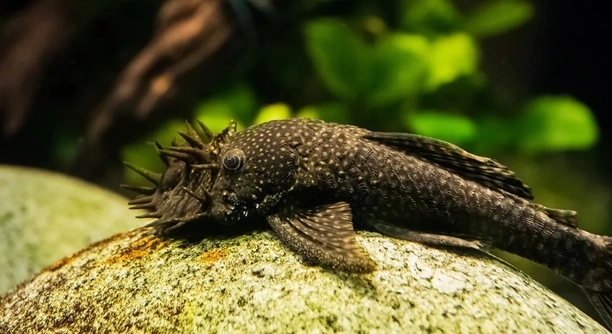
Are your plecos staring at their food but refusing to eat? Many fish owners notice their usually eager pleco ignoring meals, leaving uneaten algae wafers or vegetables behind. Understanding this behavior can help maintain a healthy aquarium environment.
Plecos may refuse food due to stress, poor water quality, or inappropriate diet. Changes in temperature, tank conditions, or feeding schedule can reduce appetite. Identifying the cause and adjusting care routines ensures proper nutrition and fish wellbeing.
Knowing why your pleco avoids food can prevent long-term health issues. Small changes in care can make a significant difference in its daily behavior.
Common Reasons Plecos Refuse Food
Plecos may ignore food for several reasons that are easy to overlook. Water quality plays a major role, as high levels of ammonia or nitrites can stress fish, causing loss of appetite. Temperature fluctuations also affect metabolism; if the tank is too cold or too warm, plecos may become lethargic and eat less. Diet is another important factor. Some plecos prefer fresh vegetables like zucchini, cucumber, or spinach over processed wafers. Overfeeding or irregular feeding schedules can make them skip meals. Stress from tank mates or recent changes in the environment can also make plecos avoid eating. Observing their behavior closely, checking water parameters regularly, and adjusting feeding routines can help restore normal eating habits. Understanding these reasons allows you to take quick, targeted action to keep your pleco healthy, active, and nourished in its habitat.
Stress and improper diet are often the main reasons for food refusal. Quick adjustments improve their appetite.
Monitoring tank conditions daily and offering a balanced diet ensures plecos remain healthy and eat consistently. Careful observation of behavior and environment changes helps detect problems early. Adjustments in feeding times, tank decorations, or water quality can encourage regular eating patterns. Making small, consistent changes can make a significant difference in your pleco’s response to food. Regularly rotating fresh vegetables and avoiding overfeeding ensures nutrients are absorbed and waste is minimized. Patience and consistency are key. Over time, these practices support healthy growth and activity. Noticing subtle changes, like hiding or slow movement, can signal stress or illness. Addressing these issues promptly prevents long-term health problems. By understanding pleco preferences and habits, you create an environment that promotes regular eating. Observing interactions with tank mates and adjusting feeding spots can also reduce stress and encourage consumption. Overall, a well-maintained tank with stable conditions and thoughtful feeding routines leads to happier, healthier plecos that readily accept their meals.
Adjusting Diet and Feeding Habits
Changing what and when plecos eat can improve their appetite. Offering variety keeps them interested and nourished.
Introducing fresh vegetables gradually and providing occasional protein supplements helps meet nutritional needs. Feeding smaller portions more frequently encourages consistent eating. Avoid placing food near aggressive fish to prevent intimidation. Rotating vegetables, such as spinach, zucchini, and cucumber, keeps meals appealing. Observing which foods are accepted and adjusting portions reduces waste. Ensuring the tank environment is calm during feeding times also promotes consumption. Combining these strategies ensures plecos receive proper nutrition and remain healthy. Over time, a stable feeding routine improves overall activity and behavior, making mealtime more predictable and less stressful for the fish. Proper feeding habits support digestion and prevent obesity, while also reducing uneaten food that can degrade water quality. Small changes in diet and feeding techniques can have a lasting impact on your pleco’s health, appetite, and daily behavior, ensuring they thrive in the tank.
Maintaining Optimal Tank Conditions
Clean water is essential for pleco appetite. Regular water changes prevent buildup of harmful chemicals and keep the environment stable. Proper filtration and monitoring of pH, ammonia, nitrites, and nitrates ensure your pleco feels secure and healthy.
Maintaining stable water temperature encourages normal feeding behavior. Sudden shifts can stress plecos, making them less likely to eat. Using a reliable heater or thermometer helps avoid fluctuations. Removing uneaten food promptly prevents water contamination. Adding hiding spots reduces stress from tank mates and bright lighting. A balanced environment supports activity and digestion, helping plecos consume meals consistently. Consistency in maintenance routines makes a significant difference in their health.
Proper tank maintenance also supports overall wellbeing. Observing water clarity, fish behavior, and cleaning filters regularly prevents problems. Ensuring smooth water flow, correct oxygen levels, and minimal pollutants keeps plecos active and ready to feed. Monitoring parameters daily allows early detection of stress or illness, reducing appetite loss. Small adjustments, like rearranging decorations or testing water weekly, maintain comfort. Clean substrate and stable conditions promote natural grazing habits, helping plecos eat steadily. By keeping conditions optimal, you prevent avoidable feeding issues, support digestion, and create a secure environment.
Recognizing Health-Related Appetite Loss
Illness can cause plecos to stop eating, even in ideal conditions. Common signs include lethargy, clamped fins, or unusual swimming patterns.
Parasites, bacterial infections, or internal organ problems often reduce appetite. Observing symptoms early allows timely treatment, improving recovery chances. Quarantining new fish prevents disease spread. Proper diet, clean water, and a calm environment support immune function and reduce illness risk. Regular observation and prompt response to unusual behavior ensure plecos remain healthy and continue eating consistently.
Some health issues are subtle but significantly affect feeding. Mouth injuries, fin rot, or bloating can make it painful for plecos to eat. Stress from overcrowding or aggressive tank mates weakens immunity and reduces interest in food. Monitoring tank conditions alongside diet ensures any early warning signs are caught quickly. Maintaining a routine of checking behavior, water quality, and overall appearance helps detect illness before it becomes serious. Combining medical attention with optimal tank conditions maximizes recovery chances. Supporting immune health through varied, nutrient-rich foods also improves appetite and energy, allowing plecos to thrive in a stable environment.
Feeding Schedule Adjustments
Consistency in feeding times helps plecos develop a routine. Feeding at the same time each day encourages regular appetite and reduces food waste. Observing their natural activity patterns ensures meals are offered when they are most active.
Offering smaller portions more frequently can prevent overfeeding and improve digestion. Breaking meals into two or three servings a day keeps plecos interested and reduces stress on their digestive system. Monitoring leftovers helps adjust portion sizes accurately, maintaining water quality and fish health.
Variety in Diet
Providing a mix of vegetables and occasional protein supplements keeps plecos engaged with their food. Some plecos prefer zucchini, cucumber, spinach, or peas, while others may accept sinking pellets or wafers. Rotating foods prevents boredom and ensures they receive balanced nutrition. A varied diet also supports growth and immune function, helping plecos remain healthy and active. Observing which foods are accepted and adjusting portions reduces waste and encourages consistent eating habits. Consistency combined with variety creates a feeding routine that plecos will respond to positively over time, improving overall appetite and wellbeing.
Observing Behavior During Feeding
Watching plecos while they eat helps identify stress or illness. Changes in swimming, hiding, or fin movement indicate problems.
Minimizing Tank Stress
Keeping a calm, stable environment encourages plecos to eat. Limiting sudden changes and aggressive tank mates reduces stress significantly.
FAQ
Why is my pleco ignoring food even though the water looks fine?
Plecos can be sensitive to subtle changes in water conditions, even when parameters seem acceptable. Minor fluctuations in temperature, pH, or oxygen levels can stress them, reducing appetite. Regular testing and maintaining stable conditions help prevent feeding issues and encourage normal eating behavior.
Can stress from tank mates cause my pleco to stop eating?
Yes, aggressive or territorial tank mates can intimidate plecos and make them hide during feeding times. Providing hiding spots, rearranging decorations, or separating aggressive fish can reduce stress and allow your pleco to feed comfortably. Observing interactions helps identify problematic fish.
How does diet affect my pleco’s appetite?
Plecos have dietary preferences that vary by species. Many enjoy fresh vegetables like zucchini, cucumber, and spinach over processed wafers. Offering a balanced mix of vegetables and occasional protein supplements ensures they get nutrients while keeping them interested in their meals.
Is my pleco sick if it refuses food?
Loss of appetite can be an early sign of illness. Watch for lethargy, clamped fins, bloating, or unusual swimming patterns. Quarantining sick fish and consulting a veterinarian or experienced aquarist helps prevent disease spread and addresses health issues promptly.
Can overfeeding cause my pleco to ignore food?
Yes, overfeeding can make plecos less interested in food. Uneaten food decomposes, affecting water quality. Feeding smaller portions more frequently encourages regular appetite while maintaining a clean and healthy tank environment.
Does water temperature affect feeding habits?
Temperature impacts metabolism. If water is too cold, plecos may slow down and eat less. Too warm can also cause stress. Using a reliable heater and monitoring temperature daily keeps the tank stable and encourages consistent feeding.
How often should I feed my pleco?
Feeding two to three times per day in smaller portions works well for most plecos. Observing when they are most active helps determine the best times to offer food. Adjusting feeding frequency based on appetite and behavior supports proper nutrition.
Why does my pleco prefer some foods but ignore others?
Plecos have individual preferences, and tastes may change over time. Rotating vegetables and occasionally offering different protein sources keeps meals appealing. Observing which foods are accepted helps tailor a diet that encourages consistent feeding.
Can tank decorations affect my pleco’s appetite?
Yes, crowded or unfamiliar decorations can make plecos hide and reduce feeding. Providing adequate hiding spots and arranging decorations to allow open feeding areas promotes a sense of security and encourages eating.
What should I do if my pleco consistently refuses food?
First, check water quality, temperature, and tank conditions. Adjust feeding routines and introduce preferred vegetables or protein supplements. If the problem persists, monitor for illness signs and consider consulting a veterinarian to rule out health issues.
Can lighting affect my pleco’s feeding habits?
Bright lighting may make plecos shy or hide, reducing food intake. Dim lighting or creating shaded areas encourages natural grazing behavior and increases the likelihood of consistent feeding.
How long can a pleco go without eating?
Plecos can survive several days without food, but prolonged refusal can lead to health issues. Monitoring behavior and responding quickly to feeding changes ensures their wellbeing and prevents long-term problems.
Does the size of the tank influence appetite?
A small or overcrowded tank can stress plecos, making them avoid food. Providing enough space, hiding areas, and minimizing competition helps them feed comfortably and maintain a healthy appetite.
Should I remove uneaten food immediately?
Yes, uneaten food decomposes and affects water quality. Removing leftovers prevents ammonia spikes, reduces stress, and keeps plecos more willing to eat during subsequent feedings.
Can I hand-feed my pleco to encourage eating?
Some plecos can be hand-fed, especially if stressed or sick. Using tongs or gently placing vegetables near them encourages interest in food while minimizing stress from other tank mates.
Does seasonal change affect pleco appetite?
Temperature and daylight changes may influence feeding behavior. Maintaining stable tank conditions helps minimize seasonal fluctuations in appetite and ensures plecos remain healthy year-round.
How do I know if my pleco is overweight or underweight?
Observing body shape is key. A healthy pleco has a firm, elongated body without bloating or sunken areas. Adjust feeding portions and monitor weight regularly to maintain proper nutrition.
Is it normal for plecos to eat less at night?
Plecos are primarily nocturnal but may graze throughout the day. Reduced daytime feeding is normal if they are active at night. Offering food during evening hours can encourage more consistent consumption.
Can sudden changes in diet cause my pleco to refuse food?
Yes, abrupt dietary changes can confuse plecos or reduce interest in meals. Introduce new foods gradually while keeping familiar options available to ensure continued appetite and nutritional balance.
How can I tell if my pleco’s loss of appetite is temporary?
Short-term refusal often resolves with stable tank conditions, proper diet, and reduced stress. Persistent refusal, combined with unusual behavior or physical symptoms, indicates a deeper issue that requires attention.
This FAQ addresses the most common feeding concerns for plecos, helping identify causes and solutions to restore normal eating habits. Regular observation, proper tank care, and a varied diet are key to maintaining healthy and active fish.
Final Thoughts
Understanding why your pleco may be ignoring its food is essential for maintaining its health and wellbeing. Plecos are sensitive creatures, and small changes in their environment can significantly affect their appetite. Maintaining clean water, stable temperature, and proper tank conditions are fundamental steps in supporting regular feeding habits. Monitoring water parameters like pH, ammonia, nitrites, and nitrates ensures the tank remains safe and stress-free. Uneaten food should be removed promptly to prevent contamination and maintain water quality. Observing your pleco’s behavior during feeding times can reveal subtle signs of stress or discomfort, allowing timely adjustments. Consistency in tank maintenance, feeding routines, and overall care reduces the chances of appetite loss and keeps your pleco active and healthy. Paying attention to these details shows that small changes in your approach can make a noticeable difference in their daily life.
Diet also plays a significant role in a pleco’s willingness to eat. Plecos have specific preferences depending on their species, and offering a variety of vegetables such as zucchini, cucumber, spinach, or peas can keep them interested in their meals. Occasionally including protein supplements like sinking pellets can provide additional nutrients without overwhelming their digestive system. Feeding smaller portions more frequently helps maintain appetite and prevents overfeeding, which can lead to water contamination and reduced interest in meals. Observing which foods are accepted and which are ignored allows you to adjust feeding habits according to your pleco’s preferences. Introducing new foods gradually ensures they remain engaged while still receiving a balanced diet. By combining a proper diet with stable tank conditions, you create an environment that encourages consistent feeding and promotes overall health. Understanding your pleco’s dietary needs reduces frustration and helps prevent long-term health problems related to nutrition.
Health and stress management are equally important in maintaining appetite. Illness, parasites, or internal injuries can cause a pleco to stop eating, even in an ideal environment. Signs such as lethargy, clamped fins, bloating, or unusual swimming patterns often indicate underlying issues that require attention. Promptly addressing these concerns through quarantine, veterinary advice, or adjusting tank conditions can prevent the problem from worsening. Stress from aggressive tank mates or sudden changes in the tank layout can also reduce interest in food. Providing hiding spots, arranging decorations to create a calm environment, and observing interactions with other fish helps reduce anxiety. Consistently monitoring your pleco’s behavior, combined with proper feeding and care routines, ensures they remain healthy, active, and nourished. By focusing on water quality, diet, and stress management, you create an environment where your pleco can thrive and maintain a consistent appetite over time.

Hello,
If you enjoy the content that we create, please consider saying a "Thank You!" by leaving a tip.
Every little bit helps us continue crafting quality advice that supports the health, happiness, and well-being of pets around the world, for pets of all shapes, sizes, and species.
We really appreciate the kindness and support that you show us!