
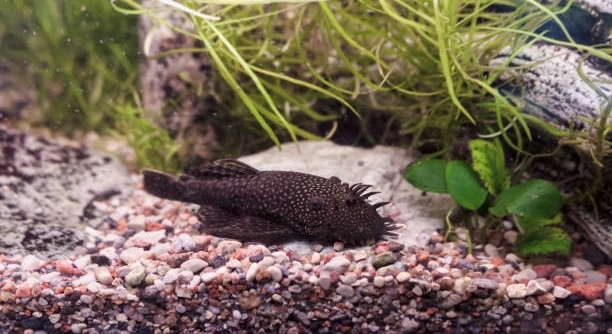
Have you ever watched your plecos in their tank and wondered if they are forming closer connections? Observing their interactions can be subtle, yet understanding their behaviors can help you ensure a harmonious aquarium environment.
Plecos bond through specific behaviors such as shared hiding spots, synchronized swimming, gentle nudging, and limited aggression. Observing these patterns consistently indicates social affinity, providing insight into their comfort level, compatibility, and potential breeding readiness within a controlled aquarium setting.
Recognizing these behaviors early can help you support their social needs and maintain a peaceful, thriving tank environment for all your aquatic pets.
Shared Hiding Spots
Plecos often show bonding by sharing hiding spots within the tank. When two or more plecos choose the same cave or crevice, it reflects trust and comfort. In many cases, they will arrange themselves so that each fish has enough space, but still remain close. This behavior can be observed over days or weeks, with the plecos returning to the same spots after exploring. Providing multiple hiding areas is important because it allows them to express natural behavior without competition. Watching how they interact around these spaces can give you clues about their relationships. Some plecos may gently nudge one another to move aside or signal their presence, yet this is rarely aggressive. Bonded plecos often exhibit calm behavior while sharing these spots, appearing relaxed and secure. Observing these interactions helps you understand the social hierarchy and comfort levels of your tank residents.
Bonded plecos typically spend more time near each other in hiding spots, showing minimal signs of stress.
Shared hiding spaces provide insight into comfort levels, trust, and compatibility, which is key for a healthy aquarium dynamic.
Synchronized Swimming
When plecos swim in sync, it signals connection and comfort between them. This behavior often occurs during feeding or exploring, with each fish mirroring the other’s movements. Synchronized swimming is subtle and requires close observation, but it reflects cooperation and awareness of each other’s presence. Even small movements, like turning at the same time or following the same path along the tank walls, can indicate a developing bond. In tanks with multiple plecos, watching for these patterns can help identify compatible pairs or groups. The behavior may also support a sense of safety, as swimming together reduces stress from potential threats. Over time, synchronized movements become more consistent and predictable, showing an established social structure. It is important to provide adequate space for these interactions to occur naturally. Tanks that are too crowded or lack enrichment may limit these behaviors, making it harder to observe bonding. Careful observation and patience are required to recognize this subtle but meaningful interaction.
Consistent synchronized swimming between plecos indicates mutual awareness, social comfort, and a strong connection forming in the tank.
Observing this behavior requires a well-set tank with room for movement. Plecos that swim together often mirror each other’s direction changes, speed, and positioning. This mirroring builds confidence and trust, showing that both fish feel safe and secure. Over time, synchronized swimming can help reduce aggression and stress, particularly in multi-pleco setups. By encouraging this behavior, you promote a more peaceful tank environment where plecos coexist comfortably. Enrichment like driftwood, plants, and gentle water flow can enhance their natural movement patterns. Understanding these interactions also helps you plan feeding routines, as bonded plecos may feed alongside each other without conflict. Recognizing synchronized swimming is a practical way to gauge social compatibility and support their well-being, ensuring your plecos thrive together in a balanced, harmonious tank.
Gentle Nudging
Bonded plecos often nudge each other lightly. This behavior shows familiarity and trust, not aggression. It is a subtle way of interaction that strengthens their social bond over time.
Gentle nudging usually occurs around feeding or in shared spaces. One pleco may lightly push another to guide movement or indicate attention. Unlike aggressive bumping, this is slow and controlled, with no signs of stress or chasing. Nudging can also occur during resting periods, showing comfort in proximity. Over time, repeated nudging can indicate a stable bond, as the plecos become aware of each other’s presence and routines. Observing these small interactions provides insight into their social dynamics and mutual comfort within the tank.
This behavior is often accompanied by relaxed body posture and calm swimming patterns. Plecos that nudge each other frequently demonstrate increasing trust and cohesion, contributing to a peaceful tank environment. Gentle nudging is one of the easiest behaviors to notice when paying close attention, and it can reveal which plecos prefer each other’s company. By monitoring these interactions, you can better understand their social preferences and anticipate potential conflicts. Over time, this subtle bonding helps maintain stability among your tank’s inhabitants, ensuring that plecos coexist without tension.
Limited Aggression
Bonded plecos show minimal aggression toward each other. They establish boundaries without frequent chasing or biting.
Limited aggression is a sign that plecos feel secure together. When plecos bond, they develop a social hierarchy naturally, reducing confrontations. Aggressive behaviors, such as chasing or ramming, are rare and usually brief, allowing both fish to coexist peacefully. By contrast, unbonded plecos often display prolonged aggression, territorial disputes, and stress, which can affect health and growth. Bonded pairs communicate and respect personal space while sharing the same tank, showing tolerance even in crowded conditions. Observing these dynamics helps identify which plecos get along and which may need more separation or hiding areas. Careful monitoring ensures a harmonious environment and reduces stress-related issues in the aquarium.
Over time, limited aggression leads to calmer interactions and increased cooperative behaviors. Bonded plecos demonstrate predictable routines, shared spaces, and mutual awareness. They can swim near each other, feed side by side, and explore the tank without conflict. Reduced aggression also means fewer injuries and lower stress levels, improving overall health. Understanding this behavior allows you to manage tank composition effectively, ensuring compatible pairs remain together while minimizing tension. By recognizing signs of limited aggression, you can create a stable environment that supports natural social behaviors and enhances the well-being of all your plecos.
Resting Together
Bonded plecos often rest near each other. They may lie side by side on driftwood or the tank floor, showing trust and comfort in each other’s presence. This behavior is subtle but meaningful, reflecting a stable and peaceful relationship between them.
Resting together helps reduce stress. When plecos feel safe near one another, they conserve energy and show calm behavior. It also indicates they are comfortable with shared spaces, which is important for maintaining harmony in the tank.
Feeding Side by Side
Plecos that feed side by side demonstrate a strong bond. They often eat without competing aggressively, allowing each fish its portion. This behavior shows mutual trust, as food is a valuable resource, and sharing indicates comfort and social stability within the tank.
Mutual Grooming
Bonded plecos sometimes groom each other by scraping along their bodies. This behavior maintains hygiene and strengthens social ties, showing cooperation and trust between tank mates.
FAQ
How can I tell if my plecos are bonded?
Bonded plecos show consistent behaviors such as resting together, gentle nudging, synchronized swimming, and feeding side by side. They share hiding spots without conflict, display limited aggression, and maintain close proximity while appearing relaxed. Observing these patterns over time gives a clear indication of social affinity.
Do all plecos bond with each other?
Not all plecos form bonds. Some species are more solitary, while others naturally develop social relationships. Bonding depends on individual temperament, tank size, and environment. Providing enough hiding spaces, proper nutrition, and a stable tank setup increases the likelihood of plecos forming positive connections.
Can bonded plecos become aggressive?
Even bonded plecos can show occasional aggression, usually when competing for limited resources like food or hiding spots. However, bonded pairs generally resolve conflicts quickly, avoiding prolonged chasing or injury. Ensuring plenty of space and multiple hiding areas reduces stress and prevents escalation.
How long does it take for plecos to bond?
Bonding is gradual and can take weeks or months, depending on the species and tank conditions. Regular observation of their interactions, such as synchronized swimming or resting together, helps determine when a bond has formed. Patience and a calm environment are essential.
Should I separate plecos that don’t get along?
Yes. Plecos that show constant aggression, chasing, or stress indicators should be separated. Continuous conflict can harm health and reduce feeding efficiency. Providing dividers or separate tanks ensures each pleco has enough space and comfort while maintaining overall tank harmony.
Does tank size affect bonding?
Tank size plays a crucial role. Overcrowded tanks increase stress and competition, making bonding less likely. Larger tanks with multiple hiding spots and enriched environments allow plecos to interact naturally while maintaining personal space, supporting healthy social behaviors.
Can bonding improve breeding chances?
Bonded plecos are more likely to breed successfully. Comfort and trust reduce stress, which encourages natural reproductive behaviors. Pairing compatible individuals and observing their interactions can help identify potential breeding pairs and increase the likelihood of successful spawning.
Are there signs of bonding besides physical closeness?
Yes. Bonding can also be seen in synchronized swimming, gentle nudging, shared feeding routines, and cooperative use of hiding spaces. Calm behavior, reduced stress, and predictable interactions are additional indicators of a strong bond forming between plecos.
Can bonding change over time?
Yes. Relationships can evolve due to changes in tank conditions, age, or the introduction of new plecos. Previously bonded fish may show more distance or limited interaction if stressed or overcrowded. Continuous observation is important to ensure ongoing compatibility.
What should I do to encourage bonding?
Provide a well-structured tank with multiple hiding spots, adequate space, and a calm environment. Feed consistently and avoid sudden disturbances. Encouraging natural behavior without forcing interaction allows plecos to bond at their own pace, promoting long-term comfort and social stability.
How do I know if plecos are stressed despite bonding?
Even bonded plecos can experience stress from poor water quality, overcrowding, or insufficient food. Signs include hiding excessively, erratic swimming, loss of appetite, or color fading. Maintaining clean water, proper nutrition, and adequate space ensures that bonding is healthy and sustainable.
Can different pleco species bond?
Some species can bond across types, but compatibility depends on temperament, size, and activity levels. Pairing calm, similarly sized plecos is more likely to result in positive interactions, while mismatched species may lead to stress or aggression despite proximity.
Is observation enough to confirm bonding?
Observation is the most reliable method. Noting patterns like shared spaces, synchronized swimming, and gentle nudging over weeks provides evidence of bonding. Regular monitoring helps track changes in relationships and ensures that the tank remains a peaceful environment for all plecos.
How important is environmental enrichment for bonding?
Enrichment is critical. Driftwood, plants, and hiding spots allow plecos to express natural behaviors safely. Enriched environments reduce stress, support interaction, and encourage bonding behaviors. Without proper enrichment, even compatible plecos may remain distant or display aggression due to limited space and resources.
Can bonded plecos be separated temporarily?
Short-term separation is usually safe if done carefully. However, prolonged separation may affect social dynamics and stress levels. Ensure that each tank has adequate hiding spaces and similar water conditions to minimize disruption and maintain comfort for both plecos.
What behaviors indicate a broken bond?
A broken bond shows increased aggression, constant chasing, avoidance, or refusal to share spaces. Feeding may become competitive, and plecos may exhibit stress-related behaviors like erratic swimming or hiding. Early detection allows intervention, such as providing additional hiding areas or temporary separation, to restore harmony.
Does age affect bonding?
Age influences bonding potential. Younger plecos may take longer to establish trust, while older plecos with established territories may be less flexible. Introducing compatible age groups with sufficient space increases the likelihood of successful bonding and reduces stress-related conflict.
Are bonded plecos easier to care for?
Yes. Bonded plecos tend to coexist peacefully, reducing stress-related illness and tank damage. They are more predictable in feeding and behavior, making maintenance easier. A stable social dynamic supports overall health and promotes a balanced and calm aquarium environment.
Can bonded plecos bond with new arrivals?
Integration depends on temperament and tank conditions. Some plecos may accept new individuals over time, while others maintain distance. Gradual introduction, sufficient hiding spots, and monitoring interactions help new plecos adapt without disrupting established bonds.
How does water quality affect bonding?
Poor water quality increases stress and aggression, disrupting bonding. Maintaining proper temperature, pH, and cleanliness supports social behavior and reduces health issues. Bonded plecos require stable conditions to maintain trust, comfort, and cooperative interactions within the tank.
How can I track bonding progress?
Keep a log of behaviors like shared hiding spots, synchronized swimming, feeding side by side, and gentle nudging. Note changes in aggression, proximity, and activity levels over time. Consistent monitoring helps identify bonding patterns and ensures a harmonious tank environment for all plecos.
Can bonding reduce territorial behavior?
Yes. Bonded plecos are more tolerant of each other’s presence, reducing territorial disputes. While some natural hierarchy remains, sharing spaces and cooperating during feeding reflects a reduced need for aggressive territorial defense. This leads to a calmer and more stable aquarium ecosystem.
Is it possible for plecos to un-bond naturally?
Yes. Changes in tank conditions, age, health, or the introduction of new plecos can alter relationships. Previously bonded fish may increase distance or show mild aggression. Continuous observation and environmental adjustments help maintain harmony and minimize stress if bonds shift.
Do bonded plecos communicate in other ways?
Plecos use body movements, gentle nudges, and position changes to communicate. They rarely vocalize, but these subtle behaviors indicate awareness and cooperation. Understanding these cues helps identify bonded pairs and ensures appropriate management of social interactions in the tank.
Can I encourage bonding during feeding?
Feeding side by side with ample space can encourage positive interactions. Avoid overfeeding or restricting food to prevent competition. Using multiple feeding spots and consistent routines allows plecos to associate the experience with safety and cooperation, strengthening social bonds naturally.
Are there signs of a strong long-term bond?
Strong bonds are reflected in consistent shared behaviors, calm interactions, minimal aggression, and mutual comfort in proximity. Over time, bonded plecos exhibit predictable routines, synchronized movements, and cooperative feeding, indicating a stable and trusting relationship that benefits their well-being and tank environment.
What should I avoid to prevent stress in bonded plecos?
Avoid sudden changes in water conditions, overcrowding, limited hiding spaces, and aggressive tank mates. Disruptions can stress bonded plecos, weaken social connections, and lead to aggression or illness. Maintaining stability and observing behavior supports strong and healthy bonds in the tank.
How do I handle multiple bonded pairs?
Multiple bonded pairs can coexist with enough space and hiding spots. Monitor interactions to prevent conflict, particularly during feeding or resting periods. Ensuring environmental enrichment and avoiding overcrowding allows each pair to maintain its bond while supporting overall tank harmony and peaceful social behavior.
Can bonded plecos recover from stress quickly?
Yes. Bonded plecos are often more resilient. Their familiarity provides comfort, reducing recovery time from minor stressors. Maintaining stable conditions, adequate space, and proper nutrition helps them regain calm behavior quickly while preserving social bonds.
Do plecos show affection to each other in visible ways?
Affection in plecos is subtle and expressed through close proximity, gentle nudging, shared hiding, and synchronized swimming. These behaviors demonstrate trust, comfort, and social cohesion, which are indicators of a healthy and bonded relationship between tank mates.
Can I mix juvenile and adult plecos for bonding?
Juveniles and adults may bond if size differences are not extreme and space is sufficient. Juveniles learn social behaviors from adults, while adults tolerate their presence. Gradual introduction and multiple hiding spots help prevent stress and encourage positive social interactions.
How often should I observe plecos to monitor bonding?
Daily observation is ideal, even briefly. Noting changes in proximity, interactions, and behavior over time provides insight into bonding progress and social stability. Regular monitoring ensures timely intervention if conflicts arise or environmental adjustments are needed.
Does lighting affect bonding behavior?
Lighting can influence activity levels but does not directly create bonds. Consistent lighting schedules reduce stress, encouraging natural behavior and interaction. Low or diffused light often helps plecos feel secure, promoting calm and positive social interactions within the tank.
Can stress break an established bond?
Yes. Stress from poor water quality, overcrowding, or aggressive tank mates can disrupt bonds. Previously bonded plecos may distance themselves, show aggression, or avoid shared spaces. Addressing the source of stress quickly helps restore trust and maintain social stability in the aquarium.
Are there signs that plecos are too comfortable and ignoring each other?
Excessive independence or lack of interaction can indicate a weak or dissolved bond. While plecos may still share the tank peacefully, a reduction in previously observed bonding behaviors like nudging or synchronized swimming suggests their connection has lessened over time.
How important is routine for bonded plecos?
Routine supports comfort and stability. Regular feeding times, consistent tank maintenance, and predictable environmental conditions help bonded plecos maintain trust and social cohesion. Disruptions to routine can increase stress, affect behavior, and challenge established bonds.
Do bonded plecos need the same diet?
While they may share feeding spaces, bonded plecos can have slightly different dietary preferences. Ensuring all receive proper nutrition without competition is important. Multiple feeding spots or slow-release food helps maintain peace while meeting individual dietary needs.
Can bonding reduce stress during tank cleaning?
Yes. Bonded plecos often find comfort in each other’s presence during disturbances. While tank cleaning can be stressful, having a familiar companion nearby can reduce anxiety and encourage calmer behavior throughout the process.
Does water temperature affect bonding?
Stable water temperature is crucial. Fluctuations can increase stress and trigger aggression, even among bonded plecos. Maintaining consistent, species-appropriate temperatures supports natural behavior, social interactions, and long-term bonding stability.
Can I introduce new plecos without disrupting existing bonds?
Gradual introductions, dividers, and sufficient hiding spaces reduce disruption. Monitor interactions closely to ensure established pairs maintain trust. Slow acclimation allows new plecos to integrate without threatening existing bonds, preserving social harmony.
Do bonded plecos groom each other?
Yes. Mutual grooming, such as scraping along each other’s bodies or cleaning surfaces together, reinforces trust and social connection. It is a subtle but important behavior that strengthens their bond and promotes hygiene.
How can I tell if bonding is improving?
Improved bonding is seen in increased shared spaces, calm interactions, synchronized swimming, and cooperative feeding. Reduced aggression and predictable routines indicate growing trust, showing that plecos are comfortable and socially stable in their environment.
Are there signs of bonding that are easy to miss?
Subtle behaviors like gentle nudging, mirroring movements, and minor shared resting can be overlooked. Consistent observation over days or weeks helps recognize these small but meaningful signs of a developing social bond between plecos.
Does species temperament influence bonding?
Yes. Calm, non-territorial species bond more easily, while aggressive or highly territorial species may struggle. Understanding species traits helps anticipate behavior, manage tank composition, and encourage positive social interactions for bonding success.
Can bonded plecos influence each other’s activity levels?
Yes. Bonded plecos often synchronize activity, including swimming, resting, and feeding. One pleco’s movement or alertness can trigger similar behavior in the other, reinforcing social cohesion and predictable patterns within the tank.
Are there environmental factors that disrupt bonding?
Overcrowding, insufficient hiding spaces, poor water quality, and sudden changes can all disrupt bonding. Maintaining a stable, enriched environment ensures that plecos feel safe, comfortable, and able to maintain social connections without stress.
How do I know if bonding is successful long-term?
Long-term bonding is reflected in consistent behaviors over months or years. Bonded plecos share spaces peacefully, feed together, interact gently, and display predictable routines. Minimal aggression, mutual grooming, and synchronized swimming confirm a stable, enduring relationship.
Can bonded plecos bond with multiple partners?
Some plecos tolerate multiple companions, forming loose social groups. Compatibility, space, and resource availability determine success. Observing interactions and minimizing competition ensures multiple bonds can coexist without conflict, supporting social stability.
Is it normal for bonded plecos to have occasional disputes?
Yes. Even bonded plecos may have minor disagreements, often quickly resolved. Brief chasing, nudging, or repositioning occurs naturally, but consistent aggression or prolonged stress indicates a need for intervention or environmental adjustments.
Does tank layout influence bonding behavior?
Yes. Driftwood, plants, caves, and open swimming areas allow plecos to express natural behaviors safely. Well-planned layouts encourage interaction, reduce territorial disputes, and support bonding by providing comfort, escape routes, and shared spaces.
How can I tell if bonding is just tolerance?
Tolerance shows in shared space but minimal interaction, no synchronized swimming, and limited nudging. Bonded plecos, by contrast, actively engage in cooperative behaviors, display calm interactions, and show consistent patterns of companionship beyond mere coexistence.
Are there seasonal effects on bonding?
Temperature fluctuations or changes in natural light cycles can influence activity and social behavior. Bonded plecos may adjust routines, showing temporary reductions in interaction, but strong bonds usually persist with stable conditions.
How does tank decoration affect bonding?
Proper decoration creates hiding spots and territories that reduce conflict and encourage bonding. Driftwood, rocks, and plants allow plecos to share space comfortably while expressing natural behaviors, supporting trust and social cohesion.
Can bonded plecos teach younger fish social behavior?
Yes. Observing adults helps juveniles learn routines, hiding behaviors, and social interactions. This influence can accelerate bonding in younger plecos, helping them integrate safely into the tank environment while respecting established hierarchies.
Does feeding method affect bonding?
Yes. Dispersed or multiple feeding points reduce competition, allowing bonded plecos to eat side by side. Feeding methods that promote cooperation and minimize conflict support social stability and reinforce positive interactions between tank mates.
Can bonded plecos tolerate temporary stress better?
Yes. Familiar companions provide reassurance, reducing anxiety during disturbances. Temporary stressors like minor water changes or brief handling are less impactful when plecos are bonded and feel secure with each other’s presence.
Is it possible to observe bonding at night?
Yes. Plecos are often more active during low light or night hours. Observing their nighttime interactions can reveal resting patterns, synchronized swimming, and shared hiding behaviors that indicate bonding.
Can water flow influence bonding behavior?
Moderate flow supports natural swimming patterns and interaction. Bonded plecos may synchronize movements along currents, reinforcing social cohesion. Too strong or turbulent flow can increase stress, while gentle, consistent currents promote comfort and cooperative behavior.
Do bonded plecos ever need space apart?
Yes. Even bonded plecos benefit from occasional personal space to reduce stress or avoid minor disputes. Providing multiple hiding areas ensures each fish can retreat without compromising the bond or overall tank harmony.
Are there signs of bonding in coloration?
While plecos’ colors mainly reflect health, bonded plecos may display relaxed postures and consistent body coloration, suggesting low stress levels. Stress-induced color fading is less common in bonded pairs, indicating a stable and comfortable social relationship.
Can bonded plecos coexist with other fish peacefully?
Yes. Bonded plecos are generally less aggressive toward other tank mates. However, tank compatibility depends on species temperament, size, and environmental conditions. Proper planning and observation are necessary to maintain overall harmony in a mixed aquarium.
Do bonded plecos require special monitoring?
Regular observation ensures bonds remain stable and stress-free. Monitoring for aggression, resource competition, and behavior changes allows timely intervention, helping maintain strong social connections and a balanced tank environment.
Can bonding behavior be influenced by diet changes?
Yes. Sudden changes in diet can cause competition or stress. Gradual adjustments and consistent feeding routines support bonded behaviors, reducing tension and maintaining social harmony among plecos.
Are bonded plecos more resilient to environmental changes?
Generally, yes. Familiar companions provide comfort during minor disturbances, reducing stress responses. Strong social bonds help plecos adapt more quickly to environmental changes while maintaining calm and predictable behavior.
How do I know if bonding is genuine or temporary?
Genuine bonding is consistent over weeks or months, reflected in shared spaces, cooperative behaviors, and minimal aggression. Temporary bonds may show brief interaction but lack predictability or long-term trust, especially under stress or environmental changes.
Does lighting intensity affect nighttime bonding?
Low or diffused lighting encourages natural nocturnal activity, allowing plecos to interact calmly. Harsh or fluctuating lighting may cause hiding, stress, or disrupted interactions, affecting the observation of bonding behaviors during evening hours.
Can bonded plecos adapt to new tanks?
Yes. Bonded plecos provide mutual reassurance, helping each other adjust to unfamiliar environments. Gradual acclimation, familiar companions, and maintained water parameters support smooth transitions and preserve established bonds.
Are bonded plecos easier to feed in groups?
Yes. They often eat side by side without competition, allowing consistent feeding routines. Bonded behavior reduces stress and conflict during feeding, making group care simpler and more predictable.
Do bonded plecos interact differently than non-bonded plecos?
Yes. Bonded plecos show synchronized swimming, nudging, shared resting, and calm coexistence. Non-bonded plecos may display more aggression, distance, or avoidance, reflecting weaker social connections and less predictable behavior.
Can bonded plecos signal each other about food or danger?
Yes. Through gentle nudging, mirroring movements, and positioning, bonded plecos communicate awareness of feeding opportunities or potential threats. These subtle cues strengthen trust and coordination within the tank.
**How do I maintain bonds over the long
Bonded plecos create a calmer and more harmonious environment in your aquarium. Observing their behaviors closely can reveal a lot about their social interactions and comfort levels. Shared hiding spots, synchronized swimming, gentle nudging, and cooperative feeding are clear signs that plecos are forming bonds. These interactions are often subtle, so it requires patience and attention to notice them consistently. Over time, a bonded pair or group of plecos will establish routines and patterns that make their behavior predictable and easier to manage. Understanding these behaviors is not just interesting—it helps you provide a better home for your fish and reduces stress in the tank.
Maintaining a healthy environment is essential for fostering and sustaining bonding among plecos. Clean water, stable temperatures, and proper nutrition all play important roles in supporting positive social interactions. Adequate hiding spots and enough space allow plecos to express natural behaviors without competition or stress. Overcrowding, sudden changes, or lack of enrichment can interfere with bonding and increase aggression or anxiety. By observing how plecos interact in these conditions, you can adjust the tank setup to meet their needs. Small changes like adding driftwood, plants, or caves can make a big difference in encouraging bonding and reducing conflict. These environmental factors support both the physical and social well-being of your plecos.
Bonding among plecos also impacts their overall health and long-term success in the aquarium. Bonded plecos are generally less aggressive, more comfortable in shared spaces, and easier to feed without conflict. They may even influence each other’s activity levels, encouraging exploration and engagement with the tank environment. For breeding purposes, bonded plecos are more likely to display natural reproductive behaviors when they feel safe and secure together. Even minor stressors are easier for bonded plecos to handle, as they find reassurance in each other’s presence. Observing and supporting these bonds takes time and attention, but the benefits are clear: a more peaceful tank, healthier fish, and a better understanding of pleco behavior overall. Recognizing and nurturing these social connections ensures that your plecos thrive together, creating a balanced and thriving aquarium environment for all their inhabitants.

Hello,
If you enjoy the content that we create, please consider saying a "Thank You!" by leaving a tip.
Every little bit helps us continue crafting quality advice that supports the health, happiness, and well-being of pets around the world, for pets of all shapes, sizes, and species.
We really appreciate the kindness and support that you show us!