
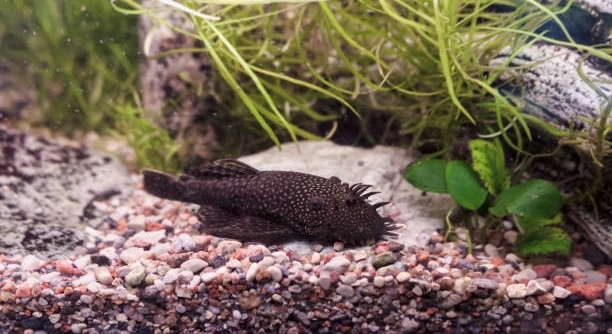
Have you ever noticed your pleco swimming lazily across the tank and wondered if it has eaten enough for the day? Many fish owners worry about what happens when their plecos miss a meal or two.
When a pleco misses a meal, it usually experiences minimal stress if it occurs occasionally. These fish are adapted to go without food for short periods, relying on stored energy, and will typically resume normal feeding without health consequences.
Knowing how to manage skipped meals can help ensure your pleco stays healthy and active in its tank environment over the long term.
How Often Plecos Can Skip Meals
Plecos are hardy fish that can go without food for short periods. In most cases, missing a single meal or even a day will not harm them. Their digestive system allows them to survive on stored nutrients, and many plecos will graze on algae in the tank to supplement food naturally. Some species, especially larger ones, may tolerate longer periods without feeding, but this depends on age, health, and tank conditions. Young plecos need more consistent meals to support growth, while adults are more resilient. If a pleco skips meals occasionally, monitor its activity and appearance. Healthy plecos remain active, have bright eyes, and maintain proper coloration even if they haven’t eaten recently. Tank cleanliness and water quality also impact how well a pleco handles missed meals. A well-maintained aquarium can help minimize stress, making skipped meals less significant. Adjust feeding routines gradually to observe how your pleco responds.
Occasional skipped meals are usually safe but consistent feeding schedules are still recommended to maintain growth and health.
Monitoring your pleco closely during skipped meals allows you to catch potential health issues early. If it shows lethargy, weight loss, or changes in color, these are signs that dietary intake may need adjustment. Maintaining a balance between regular feeding and natural grazing helps your pleco stay active, healthy, and stress-free, ensuring a stable tank environment for all inhabitants.
Signs of Hunger and Stress in Plecos
Plecos may show subtle signs of hunger if meals are missed, such as increased movement or searching the tank.
When a pleco consistently misses meals, it can become stressed. Stress weakens their immune system, making them more susceptible to disease. Signs of stress include hiding more than usual, slower swimming, loss of appetite, and pale coloration. Some plecos may start nibbling decorations or substrate as they search for food. It’s important to distinguish temporary hunger from ongoing nutritional deficiency. Observing your pleco’s behavior daily helps detect changes early. Providing occasional natural food like algae wafers or vegetables can reduce stress and supplement their diet. Consistent tank conditions, including temperature, pH, and clean water, also play a key role in reducing stress. By understanding these signs, you can respond promptly, adjusting feeding schedules or offering additional food sources, ensuring your pleco remains healthy and comfortable even during brief periods without meals. Maintaining vigilance helps avoid long-term consequences and supports overall well-being.
How to Adjust Feeding Schedules
Adjust feeding schedules gradually to match your pleco’s needs. Skipping a day occasionally is fine, but sudden changes can cause stress.
When changing feeding routines, start by offering slightly smaller portions or feeding every other day. Monitor your pleco’s response carefully. Watch for energy levels, coloration, and appetite. Some plecos adapt quickly, while others need a few weeks to adjust. Always ensure algae or other natural food sources are available to supplement their diet. Gradual adjustments help prevent digestive issues or unnecessary stress, maintaining a healthy balance in the tank.
Tracking feeding times and portions over several weeks can reveal patterns in your pleco’s eating habits. Note how it reacts to skipped meals, the types of food it prefers, and whether it grazes on algae when meals are delayed. This information allows you to fine-tune feeding schedules for optimal health. Proper observation helps you avoid overfeeding or underfeeding while keeping your pleco active and stress-free. Adjustments based on behavior rather than fixed schedules work best for their well-being.
Foods That Help During Missed Meals
Vegetables and algae wafers provide essential nutrients when a meal is missed. These foods can sustain plecos in short gaps between feedings.
Supplementing with vegetables like zucchini, cucumber, or spinach ensures your pleco receives fiber and vitamins even during skipped meals. Algae wafers offer concentrated nutrition and are especially useful when natural algae is limited in the tank. Introduce these foods in small amounts to prevent water pollution. Observe how your pleco consumes these supplements, noting preferences and portion sizes. Balanced supplementation reduces stress, keeps energy levels steady, and prevents rapid weight loss during occasional meal gaps.
Frozen or blanched vegetables can be added alongside algae wafers for variety. Alternating between types of vegetables keeps your pleco interested and encourages consistent feeding behavior. These foods also support healthy digestion and promote natural grazing habits. By maintaining a mix of supplemental foods, you ensure your pleco receives nutrients even when main meals are delayed. Paying attention to how your pleco responds allows you to fine-tune portions, avoiding uneaten food that can degrade water quality. Consistent observation and adjustment create a stable feeding routine and help your pleco thrive.
Common Misconceptions About Pleco Feeding
Many people think plecos must eat every day, but occasional skipped meals are normal. Plecos can graze on algae or stored nutrients between feedings.
Another misconception is that plecos need constant protein. Most species rely primarily on plant matter and algae, and overfeeding protein can harm their health.
Maintaining Tank Conditions
Clean water and stable temperature are crucial when plecos miss meals. Poor water quality increases stress and can affect appetite, making skipped meals more impactful. Regular water changes, proper filtration, and monitoring pH levels ensure a safe environment that supports feeding routines and overall health.
Monitoring Long-Term Health
Keep an eye on your pleco’s weight, coloration, and activity. Changes over time can indicate nutritional deficiencies or stress, even if skipped meals seem minor. Maintaining observation helps catch potential issues early, ensuring your pleco remains healthy and active in the tank.
FAQ
How long can a pleco go without food?
Plecos can survive without food for several days, sometimes up to a week, depending on their size, age, and overall health. Adult plecos are more resilient, as they can rely on stored fat and natural algae in the tank. Juveniles need more frequent feeding to support growth, so skipped meals for young plecos should be minimized. Regular observation ensures that missed meals do not negatively impact their health.
Will missing a meal harm my pleco?
Missing an occasional meal is generally not harmful. Plecos are adapted to handle short periods without food. Stress and health issues only arise if meal gaps become frequent or prolonged. Consistent monitoring of activity, color, and weight can prevent problems and maintain your pleco’s wellbeing.
How can I tell if my pleco is hungry?
Signs of hunger include increased swimming near the surface or around feeding areas, more active searching for food, and nibbling on decorations or substrate. Plecos may also start grazing more aggressively on algae when meals are skipped. Observing these behaviors helps you know when supplemental feeding is necessary.
What foods are best if my pleco misses a meal?
Algae wafers, blanched vegetables like zucchini, cucumber, or spinach, and occasional leafy greens provide essential nutrients. These foods are easy to digest, maintain energy levels, and reduce stress during skipped meals. Small portions prevent uneaten food from polluting the tank.
Should I change my pleco’s feeding schedule if it misses meals often?
Yes, gradual adjustments are better than sudden changes. Start with smaller portions or extend time between meals slowly while monitoring behavior. Ensure there’s always some natural food like algae available. Maintaining a balance avoids digestive issues and keeps your pleco stress-free.
Can plecos survive solely on algae?
While algae is a natural part of their diet, relying exclusively on it is not enough for optimal health. Algae provides fiber and some nutrients, but vegetables and algae wafers supply vitamins and minerals necessary for growth, color retention, and overall vitality.
Do plecos get stressed if they miss meals?
Yes, prolonged or frequent missed meals can cause stress. Stress weakens their immune system, reduces activity, and can change coloration. Occasional meal gaps usually do not cause stress, but consistent observation and supplemental feeding are important to maintain health.
How do I know if a missed meal is affecting health?
Watch for lethargy, weight loss, faded color, or unusual hiding. These signs indicate nutritional deficiency or stress. Prompt adjustments to feeding or supplementation can prevent long-term health problems. Daily monitoring is key, especially during any changes to routine.
Is it safe to feed my pleco only once a day?
For adult plecos, feeding once a day is generally sufficient. Juveniles or smaller species may require more frequent meals. Providing natural algae and occasional vegetables supports proper nutrition while avoiding overfeeding, which can lead to water quality issues.
Can skipping meals help control pleco weight?
Occasional skipped meals can prevent overeating, especially if the tank has abundant algae. However, this should be done carefully and not frequently, as consistent underfeeding can cause stress and nutrient deficiencies. Monitoring growth and activity ensures safe weight management.
Do different pleco species have different feeding needs?
Yes, herbivorous plecos rely mainly on algae and plant matter, while omnivorous species may need occasional protein. Feeding schedules and meal types should reflect species-specific needs, with younger fish requiring more frequent nutrition. Proper species knowledge ensures skipped meals do not harm health.
How do tank conditions affect skipped meals?
Clean water, stable temperature, and proper pH levels reduce stress during skipped meals. Poor conditions make plecos more vulnerable to illness and affect appetite. Maintaining consistent tank conditions allows them to handle occasional meal gaps safely.
Can I use vegetables as a regular part of their diet?
Yes, vegetables like zucchini, cucumber, spinach, and peas are excellent supplements. They provide fiber, vitamins, and nutrients that support digestion, growth, and coloration. Using vegetables regularly ensures that even if a pleco misses a meal, it still receives necessary nutrition.
What should I do if my pleco refuses food?
First, check tank conditions, water quality, and temperature. Then offer varied foods such as algae wafers or blanched vegetables. Observe behavior carefully. Temporary refusal is normal during stress or minor illness, but persistent refusal may indicate a health issue requiring further attention.
Are plecos more active when hungry?
Yes, mild hunger can increase activity as they search for food. This is normal behavior and usually not a cause for concern. However, if searching continues for long periods without feeding, it may indicate prolonged underfeeding or stress that needs to be addressed.
How can I prevent skipped meals from affecting health?
Provide a mix of primary food and supplements, maintain clean water, monitor behavior, and gradually adjust feeding schedules. Observing your pleco closely allows you to respond to missed meals without causing stress or nutritional deficiencies. Consistency and attention are key to keeping plecos healthy.
Do plecos store food in their bodies?
Yes, plecos can store energy in the form of fat, which allows them to survive short periods without feeding. The amount stored depends on age, size, and previous nutrition. Adults tolerate skipped meals better than juveniles, who require regular feeding for growth and development.
Can missed meals cause long-term damage?
Occasional missed meals generally do not cause long-term damage if the pleco is healthy and tank conditions are stable. Frequent or prolonged skipped meals, however, can lead to stress, weakened immunity, and nutrient deficiencies, making observation and proper supplementation essential.
Is fasting beneficial for plecos?
Occasional fasting mimics natural conditions and is safe for adult plecos. It can help prevent overfeeding and maintain a healthy digestive system. However, fasting should be monitored carefully, and supplemental food should be provided if the pleco shows signs of hunger or stress.
How often should I check my pleco after a missed meal?
Daily observation is recommended, focusing on activity, color, and appetite. Monitoring ensures minor skipped meals do not escalate into health problems. Adjust feeding or supplementation based on the pleco’s response to maintain stability and overall well-being.
Can multiple plecos in one tank affect skipped meals?
Yes, competition for food can make some plecos eat less or miss meals. Ensure each pleco receives adequate nutrition, possibly by offering food in multiple locations or supplementing with algae wafers and vegetables. Observation helps prevent stress and nutritional deficiencies.
What role does age play in meal skipping?
Young plecos are less tolerant of skipped meals and need frequent feeding to grow properly. Adults can manage short gaps due to stored energy and grazing habits. Understanding age-related needs helps prevent nutritional stress and supports healthy development.
How do I resume feeding after a skipped meal?
Offer smaller portions first, then gradually return to the regular schedule. Observe how the pleco responds, ensuring it eats normally and does not overconsume. Balanced resumption helps avoid digestive upset and maintains steady nutrition.
Can missed meals impact breeding behavior?
Yes, inadequate nutrition can reduce energy levels and affect reproductive behavior. Maintaining consistent feeding and supplementing with vegetables or algae ensures plecos stay healthy enough for breeding, even if occasional meals are skipped.
Should I record feeding habits?
Tracking feeding schedules, portions, and behavior helps identify patterns. Recording missed meals and responses ensures your pleco receives consistent nutrition, preventing health problems and allowing you to make informed adjustments when necessary.
Are some plecos more prone to skipping meals?
Yes, some species naturally graze or feed less frequently. Observing species-specific habits helps determine if skipped meals are normal or require intervention. Knowledge of behavior supports proper nutrition management and reduces stress.
Can I mix different foods in one meal?
Yes, combining algae wafers with vegetables ensures balanced nutrition. This strategy helps plecos get essential nutrients even when meals are delayed, keeping them healthy and active. Mixing foods also encourages feeding and prevents boredom with diet.
Does temperature affect feeding after a skipped meal?
Yes, plecos eat less in cooler water and more in warmer conditions. Maintaining optimal temperature helps them resume normal feeding patterns after a skipped meal, supporting digestion and energy balance.
Is it normal for plecos to nibble more after missing a meal?
Yes, increased nibbling is a natural response to mild hunger. It helps them obtain nutrients from algae or decorations and is typically not a cause for concern unless it becomes excessive, indicating prolonged underfeeding or stress.
How do I balance skipped meals with daily feeding?
Provide regular primary meals, supplement with vegetables or algae wafers, and observe grazing behavior. Adjust schedules gradually while monitoring responses. This approach ensures plecos receive proper nutrition without overfeeding or causing stress, even if occasional meals are missed.
Can tankmates influence a pleco’s response to missed meals?
Yes, aggressive or competitive tankmates may limit access to food. Ensure each pleco has enough space and access to food to prevent stress or nutritional deficiencies. Observing feeding interactions helps maintain harmony and proper nutrition for all fish.
Are there signs of malnutrition from missed meals?
Yes, signs include weight loss, faded color, lethargy, slow growth, and reduced activity. Early detection allows corrective action, such as supplementing food or adjusting schedules, to prevent long-term health problems. Monitoring closely ensures your pleco stays healthy despite occasional skipped meals.
What is the safest way to introduce skipped meals?
Start with one skipped meal at a time, observe behavior, and provide supplemental algae or vegetables if necessary. Gradually extending gaps only when the pleco remains healthy prevents stress and ensures proper nutrition is maintained throughout the adjustment period.
Can stress from missed meals be reversed?
Yes, stress is often reversible if the pleco receives consistent nutrition, clean water, and stable tank conditions. Prompt attention to feeding, supplementation, and tank maintenance helps restore normal behavior, energy, and coloration, ensuring the pleco recovers fully from brief periods without food.
Final Thoughts
Plecos are resilient fish that can handle occasional missed meals without serious health issues. Their natural ability to graze on algae and store energy in their bodies allows them to survive short gaps between feedings. Adult plecos are generally more adaptable to these situations, while younger plecos need more consistent feeding to support proper growth and development. Observing your pleco’s behavior is key. Lethargy, loss of color, or unusual hiding can indicate that skipped meals are affecting their health. Regular monitoring helps ensure any potential problems are caught early. Maintaining a clean tank with stable water conditions, including temperature and pH, reduces stress and supports their ability to manage missed meals. By understanding these basic needs, you can make feeding adjustments confidently, knowing your pleco can handle minor changes without long-term effects.
Providing supplemental foods like algae wafers or blanched vegetables is an effective way to support plecos when meals are skipped. Vegetables such as zucchini, cucumber, and spinach provide essential nutrients, fiber, and vitamins that maintain energy levels and promote healthy digestion. Algae wafers supply concentrated nutrition, particularly when natural algae is limited in the tank. Offering these foods in small portions ensures the water quality remains high while helping plecos meet their nutritional needs. Gradually adjusting feeding schedules or portion sizes allows plecos to adapt without stress. Keeping a consistent observation routine also helps identify individual preferences or changes in appetite. Some plecos graze more aggressively when meals are skipped, while others may take longer to eat. By paying attention to these behaviors, you can create a feeding routine that balances occasional meal gaps with proper nutrition.
Ultimately, occasional skipped meals are normal and usually harmless for healthy plecos, provided their environment is stable and nutrition is supplemented when necessary. It is important to balance feeding habits with tank conditions, supplemental foods, and careful observation. Understanding your pleco’s natural feeding patterns and responses to minor changes will help you maintain their overall health and well-being. Adjustments should be gradual and monitored closely, particularly for younger or more sensitive fish. Stress management plays a crucial role in ensuring your pleco remains active, healthy, and visually vibrant. By focusing on consistency, appropriate food supplementation, and regular monitoring, you can feel confident that your pleco will thrive, even when meals are occasionally missed. Proper care and attention make all the difference in supporting long-term health, growth, and happiness for these fascinating fish.

Hello,
If you enjoy the content that we create, please consider saying a "Thank You!" by leaving a tip.
Every little bit helps us continue crafting quality advice that supports the health, happiness, and well-being of pets around the world, for pets of all shapes, sizes, and species.
We really appreciate the kindness and support that you show us!