
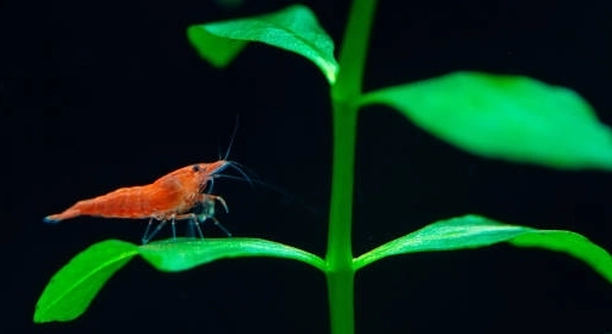
Are your cherry shrimp staying in one corner of the tank, barely moving while you watch? Many shrimp owners notice this behavior and wonder why their tiny pets do not explore more freely around their environment.
The primary reason cherry shrimp limit their movement is stress caused by environmental factors. Poor water quality, lack of hiding spots, sudden changes in lighting, or overcrowding can all contribute to a shrimp’s hesitation to explore and interact with its surroundings.
Understanding these key factors can help improve your tank’s setup and create a safer, more comfortable home for your shrimp to thrive.
Water Quality and Its Impact
Cherry shrimp are highly sensitive to their water environment. If ammonia, nitrite, or nitrate levels are off, shrimp often stay hidden, avoiding open areas. Sudden changes in pH or temperature also cause stress, making them less active. A stable tank with clean, filtered water encourages shrimp to explore naturally and reduces hiding behavior. Many owners underestimate how small fluctuations can affect shrimp. Even slight differences in hardness or mineral content can make a tank feel unsafe to them. Providing consistent water conditions creates a predictable environment where shrimp feel secure enough to swim and forage. Observing shrimp in stable water often reveals them moving confidently across the tank instead of clinging to plants or decorations. Regular testing and gradual adjustments prevent shocks. Maintaining proper water chemistry is essential, as it influences not only movement but overall health, molting cycles, and reproduction. This careful attention ensures shrimp behave naturally, which is satisfying to watch and supports their long-term well-being.
Stable water chemistry encourages cherry shrimp to be more active and explore their environment without stress or hesitation.
Adjusting water slowly while monitoring levels is key. Shrimp respond better to gradual changes than sudden shifts, making consistency the most important factor.
Hiding Spots and Tank Layout
Shrimp instinctively seek places to hide when they feel exposed. Dense plants, moss, or ornaments provide cover. This reduces stress and allows them to explore safely.
A tank with well-placed hiding spots balances safety and activity. If hiding areas are too sparse, shrimp stay near the edges or corners, avoiding open spaces. Dense decorations also let them molt without risk of predators or injury. However, overly cluttered tanks can limit swimming space, causing shrimp to stay inactive. An ideal layout provides a mix of open areas and cover. Live plants like Java moss, Anubias, and floating plants create natural shelters while keeping water oxygenated. Driftwood and rocks form additional secure zones. Observing shrimp patterns shows they use hiding spots strategically, venturing out when conditions feel safe. Gradual introduction of new decorations or plants lets shrimp adjust without panic. Thoughtful tank arrangement improves their comfort, encourages natural foraging, and supports healthy behavior. Balancing safety with swimming space ensures shrimp explore more actively while still feeling protected in their habitat.
Lighting and Activity Levels
Too bright or direct light can make cherry shrimp retreat to shaded areas. They prefer gentle, diffused lighting that mimics natural conditions, allowing them to feel safe while moving around.
Shrimp are sensitive to sudden changes in light intensity. Strong overhead lighting can cause stress, making them cling to plants or decorations. Gradually adjusting light levels and using floating plants to diffuse brightness helps shrimp explore more freely. A consistent light schedule, usually 8–10 hours per day, aligns with their natural behavior and encourages activity. Proper lighting also supports plant growth, which benefits shrimp by providing both oxygen and shelter. Observing shrimp during light changes can indicate if adjustments are needed to improve comfort.
Maintaining a stable, soft light environment encourages natural foraging and swimming. Shrimp gradually gain confidence to leave hiding spots when lighting feels safe, which also enhances their visibility for observation without disrupting their routine.
Tank Companions and Social Stress
Cherry shrimp often limit movement when sharing a tank with aggressive or larger species. Peaceful tank mates reduce stress and increase confidence to explore.
Some fish or invertebrates may intimidate shrimp, causing them to hide constantly. Even passive fish can trigger stress if they hover or chase. Shrimp thrive best with small, slow-moving species or other shrimp. Observing interactions helps identify potential stress sources. Overcrowding with too many shrimp or tank mates can also reduce exploration, as limited space forces them into hiding. Balancing population and choosing calm companions creates a peaceful environment that encourages natural behavior.
Providing calm tank mates improves shrimp activity and social interactions. When shrimp feel secure around their neighbors, they forage openly and use more of the tank space, creating a livelier, healthier ecosystem that benefits all inhabitants.
Temperature and Comfort
Cherry shrimp prefer stable, moderate water temperatures. Sudden shifts can make them hide and reduce movement. Keeping a consistent temperature within their ideal range supports regular activity.
Extreme heat or cold stresses shrimp, causing lethargy or hiding. Using a reliable heater or thermometer ensures gradual, steady adjustments.
Feeding Habits
Shrimp tend to explore more when food is available. Regular, balanced feeding encourages movement throughout the tank. Overfeeding can lead to water issues, so careful portioning is important.
Providing high-quality food like algae wafers, blanched vegetables, or specialized shrimp pellets promotes healthy foraging behavior. Uneaten food should be removed promptly to maintain water quality. Observing feeding patterns helps identify which areas shrimp frequent and reveals preferences, offering insight into their natural activity. A consistent feeding schedule trains shrimp to explore during certain times, increasing visibility and interaction within the tank while keeping them healthy.
Molting and Growth
Shrimp often hide during molting to protect their soft new exoskeleton. Patience and minimal disturbance are essential.
Regular observation ensures their molting process is progressing normally without stress or injury.
Why do my cherry shrimp stay hidden all the time?
Cherry shrimp often hide due to stress or feeling unsafe. Common stressors include poor water quality, sudden temperature changes, bright lighting, and aggressive tank mates. Even small changes in pH, hardness, or nitrate levels can make them retreat. Providing plenty of hiding spots and maintaining stable water conditions encourages shrimp to leave their shelters more often. Observing them over time helps identify specific triggers, and adjusting tank conditions gradually allows them to explore confidently.
Can the tank size affect how much shrimp move?
Yes, tank size influences activity. Small or overcrowded tanks limit swimming space, causing shrimp to stay in one area. Large tanks with open areas and scattered hiding spots allow shrimp to explore without feeling exposed. Population density matters too; too many shrimp or other inhabitants can increase competition and stress. A balanced layout with both cover and free swimming space supports natural movement. Adjusting decorations and plants to create a safe, spacious environment helps shrimp feel comfortable to forage and interact.
Does lighting really change shrimp behavior?
Cherry shrimp are sensitive to light intensity. Bright or direct light can make them hide, while diffused or moderate lighting encourages activity. A consistent schedule of 8–10 hours per day simulates natural conditions and reduces stress. Floating plants or shaded areas soften light and give shrimp secure spaces to move. Gradual changes in lighting are better than sudden shifts, which can trigger hiding. Observing shrimp during light adjustments shows how comfortable they feel. Proper lighting improves both shrimp behavior and plant growth in the tank.
How often should I feed my shrimp to keep them active?
Feeding influences movement and foraging behavior. Cherry shrimp explore more when food is available. Offer small portions of algae wafers, blanched vegetables, or specialized pellets once a day. Overfeeding can pollute the water and reduce activity. Removing uneaten food prevents water issues and encourages shrimp to forage actively during feeding times. A consistent feeding schedule also trains shrimp to move predictably, increasing observation opportunities and promoting healthier behavior. Watching their response to feeding reveals preferred areas in the tank and helps maintain a balanced environment.
Do shrimp need hiding places even if the tank is calm?
Yes, hiding spots are essential even in peaceful tanks. They provide safety during molting, reduce stress, and encourage exploration. Plants, moss, driftwood, and small ornaments give shelter without limiting swimming space. A mix of open areas and covered zones allows shrimp to move freely while feeling secure. Gradually adding or rearranging decorations helps them adjust without panic. Hiding areas also reduce territorial behavior among shrimp and protect delicate juveniles. Properly placed cover supports natural patterns, foraging, and social interactions.
Why do shrimp hide during molting?
Shrimp hide during molting because their exoskeleton is soft and vulnerable. This is a natural protective behavior to avoid injury or predation. During this time, minimal disturbance is essential. Providing ample hiding spots ensures they can molt safely. Observing without touching them reduces stress and helps maintain healthy growth. Once the exoskeleton hardens, shrimp gradually return to regular activity. Understanding this behavior prevents unnecessary worry and supports proper care.
Can water changes affect shrimp activity?
Yes, sudden water changes can stress shrimp. Rapid adjustments in temperature, pH, or chemical levels make them retreat. Gradual, consistent water changes with matching parameters reduce stress. Using conditioned water and maintaining stability encourages shrimp to explore and forage. Observing shrimp before and after changes helps gauge their comfort. Consistency in maintenance fosters a predictable environment, supporting natural activity and overall health.
Do shrimp interact with each other or tank mates?
Cherry shrimp are social and interact more when they feel safe. Peaceful companions reduce stress, while aggressive or large species can limit movement. Shrimp observe and forage near each other, especially in well-structured tanks with hiding spots. Proper population balance allows natural social behavior without overcrowding. When shrimp feel secure, they explore together, forage efficiently, and maintain better health. Tank layout and companions directly influence activity levels and comfort.
Can stress cause shrimp to stop eating or moving?
Stress from poor water conditions, aggressive tank mates, or sudden environmental changes can cause shrimp to stop eating or move very little. Addressing these stressors promptly restores normal behavior. Observing hiding patterns and maintaining stable conditions helps shrimp regain confidence to forage and explore. Small adjustments, patience, and consistent monitoring prevent prolonged inactivity and ensure healthy shrimp behavior.
How do I know my shrimp feel safe in the tank?
Shrimp feel safe when they leave hiding spots regularly, forage actively, and interact with the environment. Steady water parameters, moderate lighting, calm tank mates, and accessible hiding places contribute to this comfort. Observing shrimp gradually increasing movement is a clear sign of reduced stress. Feeling secure allows them to display natural behaviors, molt safely, and explore freely.
Caring for cherry shrimp requires attention to several factors that influence their behavior. Many shrimp remain hidden not because of illness or neglect but because their environment does not feel safe or comfortable. Water quality is one of the most important elements. Stable pH, temperature, and low levels of ammonia, nitrites, and nitrates create a consistent environment where shrimp feel secure. Sudden changes in these parameters can cause stress, making them retreat to the corners of the tank or remain motionless for long periods. Regular water testing and gradual adjustments prevent shocks, allowing shrimp to maintain normal activity and explore their surroundings more confidently. Observing the tank frequently helps detect any issues early, ensuring that water conditions stay within safe limits, which directly supports shrimp health and encourages them to be active.
Another factor affecting shrimp behavior is the layout of the tank and the availability of hiding spots. Cherry shrimp instinctively seek shelter to feel safe. Plants, moss, driftwood, and other decorations provide these protective areas. Hiding spots not only reduce stress but also allow shrimp to molt safely, which is a vulnerable time for them. A balance between open spaces and cover gives shrimp the freedom to explore while still having secure places to retreat if they feel threatened. The placement of these decorations should allow shrimp to move naturally and forage efficiently. Overcrowding the tank with decorations or keeping the tank too sparse can both reduce movement. By creating a thoughtfully arranged environment, shrimp can express natural behaviors, forage actively, and interact safely with other tank inhabitants.
Other factors like lighting, feeding schedules, and tank companions also play a significant role. Cherry shrimp prefer soft, diffused light rather than bright, direct lighting, which can make them hide. Consistent feeding routines with high-quality food encourage foraging and movement, while overfeeding can affect water quality and discourage activity. Tank mates should be calm and non-aggressive to prevent stress that keeps shrimp in hiding. Gradual adjustments to any environmental changes, combined with observation and patience, allow shrimp to gain confidence in their habitat. Overall, creating a stable, secure, and well-balanced tank supports shrimp health, encourages exploration, and promotes natural behavior. Understanding and addressing these factors ensures that cherry shrimp remain active, healthy, and visible, making their care both rewarding and manageable.

Hello,
If you enjoy the content that we create, please consider saying a "Thank You!" by leaving a tip.
Every little bit helps us continue crafting quality advice that supports the health, happiness, and well-being of pets around the world, for pets of all shapes, sizes, and species.
We really appreciate the kindness and support that you show us!