
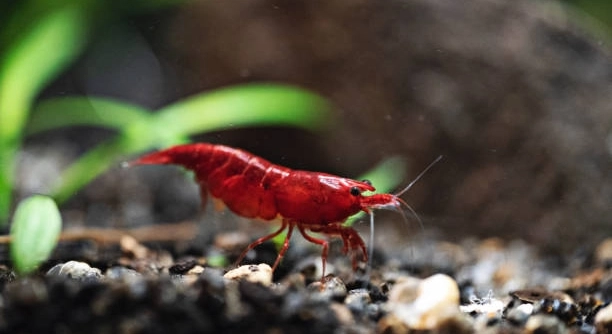
Are your cherry shrimp constantly climbing the walls of your tank, exploring every corner they can reach? Many shrimp owners notice this behavior and wonder if it signals something unusual or concerning in their aquarium environment.
Cherry shrimp often climb due to a combination of environmental factors, stress, and natural behavior patterns. They may be searching for food, oxygen, or suitable hiding spots, and poor water conditions can also prompt increased climbing activity.
Understanding why your shrimp behave this way can help you maintain a healthier, more balanced aquarium environment and ensure your aquatic pets remain safe and comfortable.
Environmental Factors That Encourage Climbing
Cherry shrimp are sensitive to their surroundings, and even small changes in the tank can influence their behavior. Water temperature, pH levels, and oxygen content play a major role in how active they are. When conditions are not ideal, shrimp may climb more frequently, seeking areas with better oxygen or more comfortable temperatures. Decorations, plants, and hiding spots also affect climbing habits. Tanks with few structures or smooth walls can lead shrimp to explore more, as they search for surfaces to cling to. Even the substrate can matter; soft, uneven surfaces encourage movement, while flat surfaces may push shrimp to climb. Overcrowding is another factor, as shrimp try to escape competition or stress from other inhabitants. By observing these environmental elements, you can identify what encourages your shrimp to climb and adjust their habitat to meet their needs.
Careful monitoring of water quality and tank layout reduces climbing stress and encourages calmer shrimp behavior.
Providing proper plants, hiding spots, and stable water conditions creates a secure environment that limits excessive climbing while supporting natural activity and health.
Stress and Its Impact on Shrimp Behavior
Stress is a significant reason cherry shrimp climb constantly.
Stress can come from sudden changes, aggressive tank mates, or poor water quality. It triggers instinctive behaviors like climbing to escape perceived threats. Maintaining stable conditions, gentle handling, and compatible tank companions reduces stress, leading to calmer shrimp.
When shrimp are stressed, they may repeatedly climb as a coping mechanism. Stress can weaken their immune system, making them more susceptible to disease and reducing lifespan. Changes in lighting, sudden temperature shifts, or chemical imbalances in the water also contribute. Shrimp may climb in search of safer, oxygen-rich areas or to escape dominant individuals in the tank. Observing their behavior closely helps identify stress triggers. By introducing adequate hiding places, adjusting environmental parameters, and minimizing disturbances, you can reduce unnecessary climbing. Over time, shrimp become more relaxed and exhibit normal, healthy activity patterns. Consistent care and attention make a significant difference in maintaining both their behavior and overall wellbeing.
Natural Climbing Instincts
Cherry shrimp have a natural instinct to explore vertical surfaces. Climbing allows them to search for food, find hiding spots, and interact with their environment. This behavior is part of their survival strategy in the wild and is completely normal in a home aquarium.
Climbing helps shrimp reach biofilm and algae that grow on tank walls and decorations. In natural habitats, vertical surfaces provide access to nutrients and safer areas away from predators. Even in a well-maintained aquarium, this instinct remains strong. Shrimp may climb plants, rocks, or filter tubes to locate food sources. This behavior also encourages exercise, which supports their overall health. Observing them on different surfaces reveals how they interact with their environment. Encouraging natural behavior through safe climbing areas benefits both their mental and physical well-being, ensuring a more active and healthy shrimp population in your tank.
Even when water quality and stress are controlled, climbing is a sign of normal shrimp curiosity. Limiting smooth surfaces and providing textured areas can help them engage safely.
Feeding and Nutrition Influences
Diet directly impacts shrimp activity and climbing tendencies. Inadequate food or unbalanced nutrition may prompt shrimp to search more actively across tank surfaces. Ensuring proper feeding schedules and quality food reduces unnecessary climbing and promotes steady growth.
Shrimp often climb while foraging, especially when their primary diet lacks sufficient biofilm, algae, or protein. Supplementing with specialized shrimp pellets, blanched vegetables, and occasional protein treats ensures they receive essential nutrients. Uneven feeding times or inconsistent portions can increase activity as shrimp search for missing food. Overfeeding, however, can pollute the tank and stress shrimp, causing irregular climbing or hiding behavior. Monitoring food distribution and offering a balanced diet helps regulate their natural exploration. Proper nutrition encourages calmer, healthier shrimp that still engage in normal climbing behavior without excessive stress or energy expenditure. Adjusting feeding routines based on shrimp response can improve both activity and overall tank health.
Water Quality Concerns
Poor water conditions are a major reason cherry shrimp climb excessively. High ammonia, nitrite, or nitrate levels make shrimp uncomfortable and prompt them to seek cleaner areas or escape surfaces within the tank. Regular water testing helps prevent these issues.
Maintaining stable temperature, pH, and oxygen levels is essential. Even minor fluctuations can stress shrimp, increasing climbing behavior. Frequent partial water changes and proper filtration keep the environment balanced and reduce the likelihood of excessive exploration.
Tank Design and Layout
Shrimp interact with their environment based on available structures. Tanks with smooth walls or minimal hiding spots encourage climbing, as they search for surfaces to explore. Adding plants, moss, and textured decorations provides safe vertical and horizontal areas for activity, reducing stress.
Light and Day-Night Cycle
Lighting affects shrimp behavior. Too bright or irregular light cycles can cause stress and overactivity, leading to more climbing. A consistent, moderate lighting schedule supports natural rhythms and calmer behavior.
Why are my cherry shrimp constantly climbing out of the water?
Cherry shrimp climb out of the water when they are searching for better conditions. This can happen if water quality is poor, oxygen levels are low, or the temperature is uncomfortable. Shrimp also climb when they are stressed or when there is overcrowding in the tank. Adding plants and hiding spots encourages them to stay in safe areas. Regular water changes and proper filtration help maintain a stable environment, reducing the need for climbing.
Is it normal for cherry shrimp to climb decorations and tank walls?
Yes, climbing is a natural behavior for cherry shrimp. In the wild, they explore vertical surfaces to find food, avoid predators, and locate safe spaces. In a home aquarium, climbing helps them reach algae, biofilm, or other nutrients. Providing textured surfaces, moss, and plants allows shrimp to climb safely without risking injury. Limiting smooth, bare areas can help contain their activity while still letting them express natural instincts.
Can stress cause excessive climbing in cherry shrimp?
Stress is one of the most common reasons for excessive climbing. Sudden changes in water parameters, aggressive tank mates, or poor tank conditions can trigger stress. Stressed shrimp climb in search of safe areas or cleaner water. Observing their behavior helps identify stress sources. Reducing disturbances, stabilizing water parameters, and adding sufficient hiding spots can calm stressed shrimp. Over time, shrimp will exhibit more normal, balanced activity.
Does diet affect climbing behavior?
Yes, nutrition plays a role. Shrimp that are not receiving enough food or a balanced diet may climb more as they search for additional nutrients. Biofilm, algae, and shrimp-specific pellets are essential. Supplementing with blanched vegetables or occasional protein treats ensures they get the nutrients they need. Overfeeding, however, can lead to poor water quality and stress, increasing climbing behavior. Monitoring feeding routines and adjusting portions helps regulate natural activity.
Can tank design reduce climbing?
Tank layout strongly influences climbing behavior. Tanks with smooth walls and few decorations encourage shrimp to climb in search of surfaces. Adding plants, moss, rocks, and other textured structures gives them vertical and horizontal spaces to explore safely. Providing enough hiding spots reduces stress and minimizes the need to climb excessively. A thoughtfully designed tank promotes natural activity while keeping shrimp safe and comfortable.
How can I tell if climbing is harmful?
Occasional climbing is normal, but constant attempts to escape the water can be harmful. Signs of trouble include shrimps frequently at the water’s surface, appearing weak, or showing color changes. Poor water quality, aggressive tank mates, or overcrowding may be the cause. Taking action quickly to stabilize the tank and reduce stress ensures shrimp remain healthy.
Are certain water parameters better for reducing climbing?
Maintaining stable water parameters is key. Cherry shrimp prefer a pH between 6.5 and 7.5, temperatures around 72–78°F, and low ammonia and nitrite levels. Consistent oxygenation helps reduce the instinct to climb. Sudden changes in these factors can trigger stress and excessive activity. Regular testing and adjustments keep shrimp comfortable and less likely to climb excessively.
Does lighting influence climbing?
Yes, lighting affects shrimp activity. Bright or irregular lighting can stress them, causing more climbing. A moderate, consistent day-night cycle helps maintain normal behavior. Plants and shaded areas in the tank allow shrimp to regulate exposure naturally, reducing stress and unnecessary climbing.
Can I completely stop my shrimp from climbing?
Completely stopping climbing is unrealistic and not desirable. It is a natural behavior that supports exercise and exploration. The goal is to reduce excessive or risky climbing. Providing proper diet, hiding spots, textured surfaces, stable water conditions, and compatible tank mates ensures safe and controlled activity. Over time, climbing will balance naturally.
Do tank mates influence climbing behavior?
Yes, aggressive or fast-moving tank mates can stress shrimp, prompting more climbing. Choosing peaceful companions and avoiding overcrowding reduces stress-induced climbing. Shrimp feel safer and remain closer to the substrate when they are not threatened. Observing interactions helps determine if tank mates are causing excessive activity.
How often should I check water quality to prevent climbing?
Frequent monitoring is essential. Testing water parameters weekly or more often if issues arise helps maintain stable conditions. Checking ammonia, nitrite, nitrate, pH, and temperature ensures shrimp remain healthy. Promptly addressing imbalances reduces stress and excessive climbing, creating a more comfortable environment for your shrimp.
Can plants help reduce climbing?
Plants are very effective. They provide surfaces for safe climbing, hiding spots, and natural food sources like biofilm. Moss, floating plants, and dense vegetation reduce exposure to stressors and offer shelter. A well-planted tank encourages natural activity without pushing shrimp to risk climbing out of the water.
Will overcrowding make climbing worse?
Overcrowding increases stress and competition, prompting shrimp to climb more often. Maintaining a reasonable population for your tank size reduces stress and encourages calmer behavior. Providing ample hiding spots and feeding evenly distributes resources, which minimizes climbing caused by competition.
Does temperature fluctuation affect climbing?
Yes, unstable temperatures can stress shrimp. Too hot or too cold water makes them seek areas with better conditions, often leading to climbing. Using a reliable heater, thermometer, and avoiding rapid changes helps maintain stable temperatures, reducing stress-driven climbing behavior.
Can decorations prevent escapes from the tank?
Yes, decorations can guide shrimp behavior. Adding plants, moss walls, and textured surfaces provides natural climbing areas while discouraging risky attempts to leave the tank. Avoiding bare, smooth walls and creating vertical pathways inside the tank keeps shrimp active safely.
Do juvenile shrimp climb more than adults?
Juveniles are naturally more curious and active. They climb frequently as they explore, develop muscles, and search for food. Adults may climb less but still engage in normal exploratory behavior. Providing safe climbing surfaces supports healthy growth in young shrimp without unnecessary risk.
Is constant climbing a sign of illness?
It can be, but not always. Illness or parasites may make shrimp weak, colorless, or restless, causing them to climb in search of relief. Monitoring overall behavior, appearance, and water quality helps determine whether climbing is normal or health-related. Prompt intervention is key to prevent worsening conditions.
Does oxygenation prevent climbing?
Proper oxygen levels reduce the need for shrimp to seek areas with better water. Well-oxygenated tanks with surface agitation or air stones help shrimp remain calm and explore naturally without excessive climbing. Regular maintenance ensures sufficient oxygen throughout the aquarium.
Can I train my shrimp to climb less?
Shrimp cannot be trained like pets, but their environment can be optimized to reduce unnecessary climbing. Providing proper water quality, safe surfaces, and consistent feeding encourages natural behavior while minimizing stress-induced activity. Adjustments to tank design and conditions are more effective than attempting direct control.
How do I know if climbing is behaviorally normal?
Normal climbing is occasional, exploratory, and associated with feeding or interacting with decorations. Signs of abnormal climbing include frantic movements, repeated attempts to escape the water, or appearing stressed. Observing patterns over time helps distinguish between healthy activity and problem behavior.
What adjustments should I make if climbing becomes excessive?
Focus on water quality, hiding spots, and diet. Ensure stable parameters, provide plants or moss for safe climbing, and maintain consistent feeding. Reduce stress from aggressive tank mates or overcrowding. Gradually, shrimp activity will balance, and climbing will remain natural rather than excessive or harmful.
Does surface tension play a role in climbing behavior?
Yes, shrimp use surface tension to navigate water edges. In tanks with higher surface tension or smooth walls, they may climb more. Providing textured surfaces and dense vegetation reduces reliance on risky climbing and supports safer activity patterns.
Can filtration systems affect climbing?
Strong currents or poorly positioned filters can stress shrimp, prompting climbing. Adjusting flow, using sponge filters, or creating calm zones ensures shrimp feel safe while maintaining water quality. Properly positioned filtration prevents unnecessary stress-driven activity.
Are certain breeds more prone to climbing?
Some cherry shrimp varieties may appear more active due to genetics, but all exhibit climbing instincts. Behavior is more influenced by environment, stress, and nutrition than by breed alone. Ensuring stable conditions minimizes excessive climbing across all types.
Does tank size influence climbing?
Smaller tanks often lead to more climbing due to limited space. Larger, well-planted tanks provide ample exploration areas and reduce stress. Ensuring adequate room for swimming, feeding, and hiding encourages natural climbing without overactivity.
How long does excessive climbing usually last?
Excessive climbing typically lasts until stressors are removed, water conditions stabilize, and proper diet is provided. Behavior adjusts gradually as shrimp acclimate to improved conditions. Patience and careful maintenance are key to normalizing activity levels.
Can I combine multiple solutions to reduce climbing?
Yes, a combined approach works best. Balancing water quality, feeding, tank design, hiding spots, and compatible tank mates addresses multiple causes simultaneously. Shrimp respond well to consistent care, and climbing behavior gradually normalizes with proper adjustments.
Does age affect climbing behavior?
Younger shrimp climb more due to curiosity and growth. Adults still climb but tend to do so more selectively. Understanding these differences helps manage expectations and provides appropriate surfaces and hiding spots for all life stages.
Can seasonal changes influence climbing?
Yes, seasonal fluctuations in room temperature, lighting, or water conditions can cause stress, prompting climbing. Monitoring environmental changes and maintaining consistent tank parameters minimizes seasonal impact on shrimp behavior.
Is constant monitoring necessary for climbing shrimp?
Yes, observing shrimp regularly helps identify triggers for climbing. Checking water parameters, tank layout, and interactions with tank mates ensures issues are addressed early, keeping climbing behavior within healthy limits.
Does algae growth impact climbing?
Yes, algae provide a food source that encourages climbing. Shrimp explore walls and decorations to graze. Maintaining moderate algae growth ensures nutrition while preventing excessive climbing caused by searching for food in less suitable areas.
Can tank covers prevent shrimp escapes?
Tank covers prevent accidental escapes but do not stop climbing. They ensure shrimp safety while allowing natural behavior. Combined with proper environmental management, covers help reduce stress-related climbing without restricting healthy activity.
Are there any signs that climbing is beneficial?
Climbing is beneficial when shrimp are exploring, feeding, or exercising naturally. It supports physical development, mental stimulation, and access to food sources. Healthy climbing is controlled, occasional, and part of normal shrimp behavior, contributing to overall well-being.
Does water hardness affect climbing?
Water hardness can influence shrimp comfort. Extremely soft or hard water may stress shrimp, increasing climbing behavior. Maintaining moderate hardness appropriate for cherry shrimp promotes stable behavior and reduces unnecessary climbing.
Is it necessary to separate climbing shrimp from others?
Separation is rarely needed unless climbing is stress-induced by aggressive tank mates. Providing hiding spots and sufficient space usually resolves issues without isolation. Observation and environmental adjustments are more effective than separation.
How do I encourage safe climbing areas?
Adding moss, plants, rocks, and textured decorations creates safe climbing areas. Vertical and horizontal surfaces allow shrimp to explore naturally without risking escape or injury. Structured environments satisfy instincts while keeping shrimp healthy.
Can tank water flow influence climbing?
Yes, strong currents may stress shrimp, causing more climbing. Gentle water flow, calm zones, and proper filtration create a comfortable environment, reducing unnecessary climbing behavior.
Does tank maintenance frequency matter?
Regular maintenance prevents poor water quality and stress. Weekly checks, partial water changes, and cleaning encourage stable conditions. Healthy shrimp are less likely to climb excessively, maintaining natural, balanced behavior.
Can temperature control devices reduce climbing?
Yes, using heaters and thermometers to maintain stable temperatures minimizes stress-induced climbing. Sudden temperature swings are avoided, keeping shrimp comfortable and active in normal, safe ways.
Are frequent water changes helpful?
Yes, regular water changes remove toxins and stabilize water parameters. Cleaner water reduces stress, keeps shrimp healthy, and limits excessive climbing caused by environmental discomfort.
Does tank location affect climbing?
Placement near drafts, sunlight, or frequent vibrations can stress shrimp. Choosing a stable location minimizes disturbances, reducing stress-driven climbing and encouraging calm, natural activity.
How do I balance all factors to reduce climbing?
Address water quality, diet, tank layout, light, temperature, and companions simultaneously. Stable, enriched environments with hiding spots and proper feeding reduce stress, support natural behavior, and minimize excessive climbing. Regular observation ensures ongoing adjustments as needed.
Can I completely eliminate climbing behavior?
No, climbing is natural and beneficial for shrimp. The goal is to reduce risky or excessive climbing. Proper tank design, stable water, and adequate nutrition allow shrimp to engage safely in normal exploratory behavior.
Does substrate type impact climbing?
Yes, soft or textured substrates encourage safe movement, while smooth surfaces may lead shrimp to climb more. Choosing appropriate substrate promotes stability and reduces unnecessary climbing attempts.
Can oxygenation alone stop climbing?
Oxygenation helps but is not the only factor. Combined with stable water parameters, hiding spots, and proper feeding, it reduces stress-driven climbing. Oxygen alone may not address all causes, but it contributes to a healthier environment.
Does water chemistry affect climbing frequency?
Yes, pH, hardness, and mineral content influence shrimp comfort. Imbalances trigger stress and climbing. Maintaining stable chemistry supports normal activity, keeping shrimp engaged without excessive climbing.
Are there behavioral signs before climbing increases?
Shrimp may become more restless, move frequently near surfaces, or explore new areas before climbing escalates. Recognizing early signs helps address environmental or stress factors before behavior becomes excessive.
Is observation more important than intervention?
Observation is critical. Monitoring behavior identifies causes of climbing and informs adjustments. Intervening without understanding the reason may be ineffective. Combining careful observation with targeted changes produces the best results.
Does tank population density matter?
High density increases competition, stress, and climbing. Maintaining appropriate population levels reduces pressure and encourages balanced activity. Adequate space, hiding spots, and feeding distribution help prevent excessive climbing behavior.
Can seasonal lighting changes influence climbing?
Yes, irregular lighting or seasonal shifts can stress shrimp. Consistent light schedules with shaded areas reduce climbing caused by discomfort. Maintaining a predictable cycle supports healthy, natural activity patterns.
Do cherry shrimp need vertical space to thrive?
Yes, vertical surfaces support natural behavior, feeding, and exploration. Providing moss, plants, and textured decorations satisfies instincts while keeping climbing safe and controlled. Lack of vertical space may increase attempts to climb bare tank walls.
Does tank stability influence climbing behavior?
Yes, vibrations, frequent rearrangements, and sudden changes increase stress and climbing. Stable, consistent conditions reduce unnecessary climbing, allowing shrimp to interact naturally with their environment.
How can I combine all preventive measures effectively?
Address water quality, diet, tank layout, light, temperature, and tank mates together. Observing behavior, adjusting conditions, and maintaining stability ensures safe, healthy, and balanced climbing without eliminating natural activity.
Does age or size affect climbing risk?
Younger, smaller shrimp climb more due to curiosity. Adults climb less but still explore. Providing safe surfaces and hiding spots accommodates all sizes while reducing risk of escape or injury.
Can seasonal temperature changes trigger climbing?
Yes, temperature shifts stress shrimp and may increase climbing. Stable heating, monitoring, and gradual adjustments prevent excessive activity caused by seasonal changes.
Does water circulation influence climbing patterns?
Strong or uneven currents stress shrimp, prompting climbing. Proper filtration, gentle flow, and calm zones encourage normal activity without excessive vertical exploration.
Is it normal for shrimp to climb at night?
Yes, shrimp are naturally active during low light conditions. Night climbing is common for foraging and exploring. Providing safe, textured surfaces allows this behavior without risk.
Can plants reduce nighttime climbing?
Yes, plants offer safe surfaces and cover for night activity. Moss and floating vegetation reduce exposure to stressors while allowing natural exploratory behavior.
How do I know if climbing is diet-related?
If climbing increases before or after feeding, or when food is limited, diet may be a factor. Adjusting portions and providing balanced nutrition reduces unnecessary searching and climbing.
Does tank depth affect climbing?
Shallow tanks may encourage more vertical exploration due to limited horizontal space. Providing enough depth and hiding areas balances activity and reduces excessive climbing.
Can water temperature swings trigger climbing behavior?
Yes, sudden heating or cooling stresses shrimp. Maintaining consistent temperature reduces stress-induced climbing and supports healthy, predictable activity patterns.
Does tank noise or vibration matter?
Yes, frequent vibrations from pumps, lids, or surrounding activity stress shrimp, prompting climbing. Reducing disturbances and isolating the tank from high-traffic areas helps maintain calm behavior.
Can frequent water changes stress shrimp?
Sudden or large water changes can temporarily stress shrimp, increasing climbing. Gradual, partial changes stabilize the environment and maintain normal activity levels.
Does tank decoration type influence climbing?
Textured, vertical decorations encourage safe climbing. Smooth or bare surfaces increase attempts to explore risky areas. Selecting appropriate materials promotes healthy behavior.
Can supplemental oxygen prevent climbing?
Supplemental oxygen helps maintain comfort but must be combined with stable water parameters, hiding spots, and balanced diet to effectively reduce excessive climbing.
Are there signs that climbing is improving?
Shrimp explore more calmly, remain on safe surfaces, and show balanced activity. Reduced frantic climbing and consistent feeding behavior indicate improvement.
Can tank water flow be adjusted to reduce climbing?
Yes, gentle flow and calm zones help shrimp feel secure, minimizing climbing caused by stress from strong currents or turbulence.
Does tank temperature stability reduce climbing?
Yes, stable temperatures prevent stress-induced exploration. Consistent heating and monitoring reduce excessive climbing behavior.
How do I balance diet and environment to minimize climbing?
Provide a complete diet, sufficient hiding spots, textured surfaces, and stable water. Combining these measures ensures shrimp remain active but not excessively climbing.
Can light intensity affect climbing frequency?
Bright or inconsistent lighting can stress shrimp. Moderate, consistent light encourages normal activity without excessive climbing.
Is climbing more common in new tanks?
Yes, shrimp may explore more in new or recently rearranged tanks. Providing stable conditions and hiding spots reduces excessive climbing as they acclimate.
Can tank water hardness affect climbing behavior?
Moderate hardness supports comfort. Extreme soft or hard water may stress shrimp, increasing climbing. Regular testing ensures suitable conditions.
Does tank size or shape matter?
Smaller or shallow tanks increase vertical exploration. Larger, well-planted tanks reduce stress and support balanced climbing behavior.
Are some shrimp more active climbers naturally?
Activity varies by individual, but all cherry shrimp have climbing instincts. Environment, diet, and stress levels influence how often they climb.
Can substrate choice reduce climbing?
Soft, textured substrate encourages safe movement and reduces the need to climb bare walls. Smooth surfaces increase vertical exploration.
Does tank mate behavior influence climbing?
Aggressive or fast tank mates stress shrimp, prompting more climbing. Peaceful companions reduce stress and unnecessary activity.
Can frequent observation help manage climbing?
Yes, monitoring behavior identifies triggers and allows timely adjustments to water, diet, or environment, reducing excessive climbing.
**
Cherry shrimp climbing is a normal and natural behavior that can be influenced by many factors. Observing your shrimp regularly helps you understand what triggers climbing in your tank. Environmental conditions like water temperature, pH, oxygen levels, and tank layout all play a role in how often your shrimp explore vertical surfaces. Tanks with smooth walls or few hiding places encourage more climbing, while tanks with plenty of plants, moss, and textured decorations allow shrimp to climb safely and comfortably. Overcrowding or aggressive tank mates can also increase stress, causing shrimp to climb more often. By paying attention to these factors, you can create a stable, comfortable environment that supports healthy activity without risking escape or injury.
Diet and nutrition also influence climbing behavior. Shrimp that are not getting enough food or proper nutrients may climb in search of more. Providing a balanced diet that includes algae, biofilm, shrimp-specific pellets, and occasional vegetable or protein supplements ensures that your shrimp receive the nutrients they need. Overfeeding can create poor water conditions and stress, which may also trigger climbing, so monitoring feeding schedules and portions is important. When shrimp have both a balanced diet and a safe, enriched environment, their climbing behavior becomes a natural and healthy part of their activity rather than a sign of stress or discomfort. This allows them to explore, exercise, and interact with their surroundings in a way that supports their overall well-being.
Maintaining stable water parameters and a thoughtfully arranged tank is key to reducing excessive climbing. Regular water testing, partial water changes, and gentle filtration help keep the environment clean and comfortable. A consistent lighting schedule and moderate water flow also reduce stress and encourage normal activity. Providing safe climbing surfaces like moss, plants, and textured decorations allows shrimp to satisfy their natural instincts while remaining secure. Observing your shrimp over time will help you notice patterns in climbing behavior and determine if any adjustments are needed. By combining proper diet, stable water conditions, suitable tank layout, and attention to stress factors, you can support healthy, balanced shrimp behavior. In the end, climbing is a natural and beneficial activity for cherry shrimp, and with the right care, it can be managed safely while allowing your shrimp to thrive.

Hello,
If you enjoy the content that we create, please consider saying a "Thank You!" by leaving a tip.
Every little bit helps us continue crafting quality advice that supports the health, happiness, and well-being of pets around the world, for pets of all shapes, sizes, and species.
We really appreciate the kindness and support that you show us!