
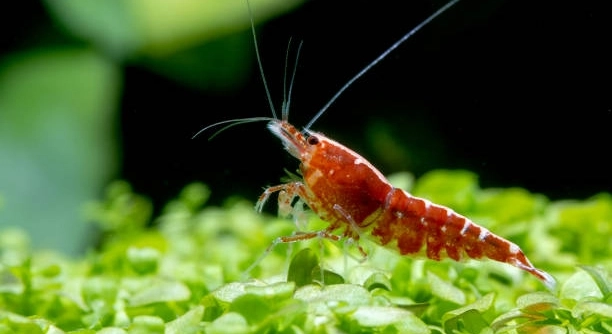
Many aquarium keepers notice their shrimp drifting away from the filter output, creating confusion during routine care. This small behavior shift can seem unexpected, especially when everything in the tank appears calm and balanced today.
Shrimp often avoid filter output because the water flow is too strong, disrupting their movement and comfort. Excessive current can stress them, push them away from feeding zones, and limit safe resting areas, prompting them to retreat to calmer spaces.
This insight helps you support healthier shrimp care while revealing factors that shape their comfort in the tank long term.
Understanding the Strength of Water Flow
Many shrimp react quickly to changes in water movement, and strong output from a filter can create an environment that feels overwhelming. When the flow pushes them around, they often retreat to calmer zones where they can feed and rest without constant effort. This behavior is common in tanks with small shrimp that prefer gentle conditions. Even minor adjustments in direction or power can influence how they move through the tank each day. By observing their response, you can better understand what makes them feel secure and supported. Keeping the flow balanced helps maintain a peaceful atmosphere that allows them to explore without stress.
Lowering the intensity of the current or redirecting the output can encourage your shrimp to return to open areas and resume their usual activity without hesitation.
A steady, gentle flow also improves tank harmony by preventing debris from piling up while protecting your shrimp from unnecessary pressure. Creating this balance helps them thrive and remain visible throughout the tank.
Adjusting Your Tank Setup for Better Comfort
Small changes in placement, equipment, and flow control can make your shrimp more relaxed and active in their space.
A thoughtful layout is key when supporting shrimp that dislike strong movement in the tank. Rotating the filter output toward a wall, placing a sponge over the nozzle, or inserting plants in front of the stream can soften the flow. These adjustments can be done quickly and have a noticeable effect on your shrimp’s behavior. Shrimp often feel more at ease when they have plenty of gentle resting spots where they can graze without being pushed away. Adding moss, driftwood, or broad plants helps break up the current while offering protection. Maintaining stable water conditions is another important factor because fluctuating parameters can make them more sensitive to changes in movement. With a calm flow, consistent conditions, and thoughtful layout, your shrimp gain a safe environment that supports their natural habits and comfort.
Identifying Stress Signals in Your Shrimp
Shrimp often react to strong water movement by seeking shelter, reducing activity, or avoiding open spaces. These changes appear slowly at first, then become more noticeable as the current continues to disrupt their routine and comfort within the tank.
When shrimp feel pressured by constant flow, they begin to hide more frequently in plants or behind decorations. Their grazing behavior becomes irregular, and they may stop exploring familiar areas. Some shrimp cling tightly to surfaces to avoid being pushed around. These small behaviors reflect discomfort caused by the environment rather than illness. Observing these patterns helps you understand their needs, allowing you to adjust the tank before stress affects their health further.
Providing calm zones supports their natural habits by giving them steady surfaces to graze on and safe places to rest. Shrimp thrive when they can move without resistance, and reducing stress signals helps restore their confidence and activity throughout the tank.
Creating a Calm Feeding Environment
Feeding becomes easier when shrimp have peaceful spaces away from heavy flow. Gentle areas help them settle, ensuring they can reach food without being pushed aside or distracted by movement in the water.
Small changes in flow direction can greatly improve their feeding routine. Redirecting output toward a wall or adding soft barriers encourages a controlled environment where food stays in place longer. Shrimp prefer grazing in steady conditions, so calm feeding spots support natural behavior. Adding plants or moss helps trap small particles, allowing them to graze at their own pace. Keeping these spaces consistent allows your shrimp to feel safe while eating, making the entire tank feel more balanced and comfortable.
xxxxxxxxxxxxxxxxxxx
Strong currents can push shrimp away from their preferred resting spots, making them less active throughout the day. When water movement becomes uncomfortable, they instinctively move toward calmer zones where they can graze and interact with the environment without constant pressure affecting their natural behavior and comfort in their tank.
Shrimp rely on stable surroundings to feel secure, so sudden changes in flow can disrupt their routine. Consistent, gentle movement allows them to explore confidently and maintain healthy feeding habits. Adjusting the direction or strength of the output can quickly restore balance and support their comfort in the tank overall.
xxxxxxxxxxxxxxxxxxx
Creating stable hiding areas helps shrimp feel protected when they are avoiding strong flow. Plants, moss, and small structures offer soft barriers that slow down movement and create pockets of calm water. These features encourage natural behavior by giving shrimp safe places to rest and graze without constant disruption. When the tank layout supports their comfort, they become more active and visible throughout the space. Consistent shelter also reduces stress during routine maintenance, helping them remain confident even when small changes occur. With a thoughtful arrangement, shrimp can enjoy gentle conditions that support health and daily activity in the tank.
xxxxxxxxxxxxxxxxxxx
Shrimp respond positively to environments that offer gentle flow and dependable shelter, allowing them to stay active without feeling overwhelmed. Maintaining these conditions helps them thrive, keeps stress low, and encourages natural behavior that makes their presence more noticeable throughout the tank on a daily basis within their aquarium space.
FAQ
Why do my shrimp avoid the filter output even when the flow seems gentle?
Shrimp often sense small changes in movement that may feel harmless to you but overwhelming to them. Even a mild current can push lightweight shrimp off balance, making them prefer quieter areas. Their comfort depends on steady surroundings where they can graze without struggling against constant movement. If the output creates swirling or inconsistent flow, they instinctively move away from it. Adjusting direction or adding soft barriers like plants or moss can make a noticeable difference by slowing the current and restoring a calm atmosphere.
Are shrimp stressed by strong water movement in the tank?
Yes, shrimp can become stressed when exposed to excessive movement. They rely on delicate balance and controlled motion to graze, rest, and explore comfortably. Strong flow forces them to cling to surfaces or hide more often, which interrupts natural routines. Over time, this can make them less active and more cautious. Providing stable zones with gentle movement helps them maintain healthy behavior and reduces unnecessary tension.
Do shrimp prefer certain areas of the tank when the current is too strong?
Shrimp naturally drift toward sheltered regions when the flow becomes uncomfortable. These areas could be behind decorations, inside dense plants, or along the substrate where the current is softer. Their instinct is to choose locations where they can graze and explore without being pushed around. Creating more of these calm zones encourages them to stay active and visible throughout the tank.
Can the filter design affect shrimp behavior?
The design of the filter plays a major role in shaping how shrimp move through the tank. Filters with narrow outputs often create stronger streams that can disturb them. Models with adjustable flow settings or diffused outputs tend to support shrimp comfort more effectively. Adding sponges to the outlet is another simple way to soften movement. When the filter design works with their needs, shrimp remain more relaxed and engaged in their daily activity.
Why do my shrimp hide more when flow increases?
Shrimp hide as a natural response to discomfort. When water movement becomes too intense, hiding feels safer than staying out in the open. They choose spots where the flow is weaker, giving them a break from constant pressure. If hiding increases noticeably after adjusting the filter or cleaning equipment, the flow may be stronger than intended. Softening the movement helps them return to their usual behavior.
Does water quality influence how shrimp react to filter output?
Water quality affects their sensitivity to movement. When parameters shift, even slightly, shrimp become more alert and reactive. If they are already stressed by changes in temperature, pH, or hardness, strong flow can add to their discomfort. Keeping conditions stable ensures they tolerate normal flow more comfortably. Consistency in water quality supports predictable behavior and helps them settle into their environment.
How can I create calmer areas without changing my equipment?
Simple layout adjustments can make a big difference. Positioning tall plants near the output helps break up movement. Placing driftwood or stones strategically creates pockets of slow water where shrimp can rest or feed. Even shifting decorations slightly can soften the flow enough for shrimp to feel comfortable again. The goal is to create balance so they have access to both movement and stillness.
Why do shrimp seem more active after the flow is lowered?
Shrimp thrive in conditions that allow gentle, steady movement. Lowering the flow gives them freedom to swim, graze, and explore without constant pressure. Once the environment feels stable, they become more confident and spend more time in open areas. This increased activity is a sign that they feel secure and supported by the environment you’ve created.
Final Thoughts
Creating a comfortable environment for shrimp often comes down to understanding how they respond to movement, space, and stability inside the tank. When the flow becomes too strong or inconsistent, they react by hiding, clinging to surfaces, or avoiding certain areas. These small behaviors give insight into their comfort levels and show when adjustments are needed. Softening the current, adding plants, and balancing water conditions can transform the way shrimp interact with their surroundings. A gentle flow supports their natural rhythm, allowing them to graze without interruption and move freely through the tank. Paying attention to these details helps create a calm atmosphere that protects their well-being and keeps them active in the open. The more closely you observe them, the easier it becomes to recognize what helps them feel safe and settled throughout the day. Taking these steps builds consistency, which strengthens their confidence and supports a peaceful environment.
A stable environment reduces stress and encourages natural behavior, making the tank feel more alive and balanced. Shrimp rely on calm zones where they can feed, interact, and rest without being pushed aside by strong currents. When these areas are available, they become more visible, active, and comfortable exploring different spaces. Adjusting the flow direction, rearranging decorations, or inserting soft buffers are simple methods to create these gentle pockets. Even small improvements can help the shrimp regain their routine and settle into familiar patterns. Over time, consistent stability helps them handle small environmental changes more easily. When the tank layout is designed with their needs in mind, their behavior becomes smoother and more predictable, reflecting a sense of comfort and trust within their space. This harmony benefits both the shrimp and the overall health of the tank by maintaining a steady, calm atmosphere.
Supporting shrimp comfort requires attention, patience, and a willingness to observe subtle changes in behavior. Their reactions often reveal what is working and what needs adjustment. When the flow is gentle, the shelter is dependable, and the conditions remain stable, the tank becomes a place where shrimp can thrive without hesitation. Focus on creating calm areas, softening strong movement, and maintaining predictable water conditions. These actions help shrimp remain confident and active, turning the tank into a peaceful environment where they can move naturally and feel secure. Thoughtful care makes a noticeable difference in their daily behavior, allowing them to flourish in a space that supports their comfort. As their caretaker, guiding these small improvements brings them the stability they depend on and strengthens the overall balance of the tank.

Hello,
If you enjoy the content that we create, please consider saying a "Thank You!" by leaving a tip.
Every little bit helps us continue crafting quality advice that supports the health, happiness, and well-being of pets around the world, for pets of all shapes, sizes, and species.
We really appreciate the kindness and support that you show us!