
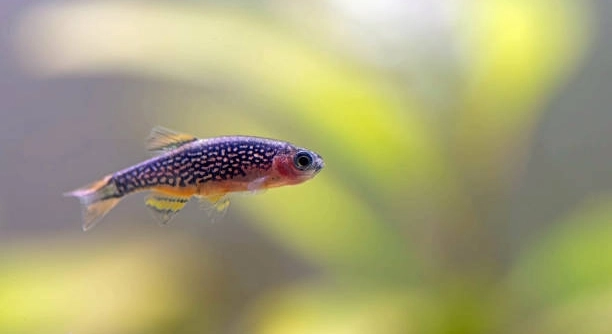
Is your Celestial Pearl Danio refusing to eat despite your careful feeding routine? This small, shimmering fish can be picky, and a lack of appetite may signal environmental, dietary, or health issues that need attention quickly.
A Celestial Pearl Danio’s refusal to eat is often caused by stress, poor water quality, inappropriate diet, or illness. Addressing these factors by maintaining proper tank conditions, offering suitable foods, and monitoring health can restore normal feeding behavior effectively.
Understanding why your fish stops eating can prevent serious health problems and improve their overall well-being in your aquarium. Proper care ensures a thriving and vibrant aquatic environment.
Common Reasons Your Celestial Pearl Danio Isn’t Eating
Stress is one of the main reasons your Celestial Pearl Danio may stop eating. Changes in tank conditions, sudden movements, or overcrowding can make them anxious. Water quality also plays a huge role. Ammonia, nitrite, or nitrate spikes can discourage feeding. Temperature fluctuations may disrupt their metabolism, making them less active. Even small changes, like moving decorations or adding new fish, can create enough stress to affect appetite. Another factor is diet. Feeding the wrong type of food or overfeeding can reduce interest in eating. Illness is also possible. Signs like clamped fins, lethargy, or unusual swimming patterns often accompany a lack of appetite. By identifying and addressing these factors, you can help your Danio return to regular feeding habits. Observing behavior carefully and maintaining a consistent, clean environment makes a significant difference in their health and appetite.
Regular water testing and tank maintenance are essential to keep your fish eating consistently.
Addressing stress involves more than water checks. Introduce hiding spots like plants and decorations to provide security. Maintain consistent lighting and feeding schedules. Avoid sudden changes in tank setup, and separate aggressive fish if necessary. Adjusting water temperature gradually to match their preferred range can reduce stress. Observing behavior daily allows you to detect early signs of illness. When illness is suspected, quarantining affected fish and consulting with a vet experienced in aquatic health is important. Feeding high-quality, appropriately sized food encourages eating. Rotate diet to include live or frozen options, stimulating natural hunting behavior. Avoid overfeeding, as leftover food can worsen water quality. Consistent care, monitoring, and adjustments create an environment where your Celestial Pearl Danio feels safe and healthy, improving appetite and overall vitality in the tank.
Adjusting Their Diet
Small changes in diet can make a noticeable difference for a picky eater.
Offer a variety of foods to encourage feeding. Frozen or live brine shrimp, daphnia, and high-quality flakes or pellets are good options. Introduce new foods gradually so the fish doesn’t get stressed. Monitor their response and adjust accordingly. Avoid feeding too much at once, as this can deter appetite. Healthy, varied nutrition supports energy levels and overall health, making them more likely to eat consistently.
Feeding should mimic natural patterns. Offer small amounts multiple times a day rather than one large portion. Observe which foods they prefer and adjust their diet for balance. Remove uneaten food promptly to maintain water quality. Consistency is key, and slowly introducing new foods helps them adapt. By understanding their preferences and needs, you can restore a normal feeding routine. Tracking feeding habits over time helps identify changes in appetite early, allowing quick adjustments to diet or environment. Patience and attention to detail are important for helping your Celestial Pearl Danio regain regular eating habits and remain healthy in the aquarium.
Monitoring Water Quality
Keeping water clean is essential for your Celestial Pearl Danio to eat regularly. Test ammonia, nitrite, nitrate, and pH levels frequently. Perform partial water changes to maintain optimal conditions. Consistent water quality reduces stress and encourages natural feeding behavior.
Regular testing allows you to spot issues before they affect appetite. Ammonia and nitrite should always be at zero, and nitrate should remain low. Using a reliable test kit helps track levels accurately. Partial water changes of about 20–30 percent weekly keep the environment stable. Filter maintenance is also crucial. Cleaning or replacing filter media prevents buildup of waste and toxins that could discourage eating. Even minor fluctuations in pH or temperature can stress fish, so aim for a consistent routine. Maintaining a stable, clean tank gives your Danios confidence to feed without hesitation.
Observation is key when monitoring water quality. Watch for signs of stress, such as rapid gill movement, erratic swimming, or hiding. Note if the fish resume feeding after water adjustments. Tracking daily behavior alongside water parameters helps identify correlations between tank conditions and appetite changes. Adjusting feeding times or amounts in combination with water maintenance can further encourage regular eating. Using a water conditioner to neutralize chlorine and chloramines also supports fish health. Overall, consistent monitoring and care create a safe, stress-free environment that promotes natural feeding behavior.
Tank Environment Adjustments
Proper tank setup significantly impacts feeding habits. Include plants and hiding spots, and ensure swimming space is adequate. Avoid overcrowding to reduce competition and stress.
Plants and decorations offer security, which encourages fish to feed confidently. Avoid placing aggressive species nearby, as this can intimidate Celestial Pearl Danios and deter eating. Maintain a gentle water flow that matches their preference. Providing open swimming areas alongside hiding spots balances comfort and activity. Adjust lighting gradually to mimic natural day-night cycles, reducing stress that could affect appetite. Observing their preferred zones in the tank allows you to optimize the environment. Small adjustments in tank layout and decor can lead to noticeable improvements in feeding consistency, activity, and overall well-being.
Regular cleaning and rearranging are important to sustain a healthy environment. Remove debris and algae buildup promptly. Changing substrate occasionally can prevent bacteria or toxin accumulation. Rotate decorations and plants carefully to avoid sudden stress. Ensure filtration and aeration are adequate for the tank size, keeping oxygen levels stable. Monitor fish interactions to prevent bullying or territorial disputes. Using natural or live plants can improve water quality while offering shelter. Gradual changes in lighting and temperature help the fish acclimate without disruption. Attentive care and consistent tank management promote appetite and overall health in Celestial Pearl Danios.
Identifying Illness
Watch for signs like lethargy, clamped fins, or unusual swimming patterns. Illness often reduces appetite quickly. Early detection is key to preventing serious health issues.
Treating symptoms early can make recovery easier. Quarantine affected fish if possible and adjust water conditions to support healing.
Adjusting Feeding Techniques
Offer food at different times of day to find when your Celestial Pearl Danio is most active. Use smaller portions to avoid overfeeding and monitor how quickly they eat. Consistency helps them develop a routine and encourages regular feeding habits.
Temperature Considerations
Maintain stable water temperature between 74–78°F. Sudden fluctuations can stress fish and suppress appetite, affecting overall health and energy levels.
Choosing the Right Food
High-quality flakes, pellets, or live/frozen options provide necessary nutrients. Avoid fillers and oversized food that your fish cannot easily consume. Proper nutrition supports feeding consistency and growth.
FAQ
Why isn’t my Celestial Pearl Danio eating at all?
A complete refusal to eat usually points to stress, illness, or poor water conditions. Check for ammonia, nitrite, and nitrate levels, and observe for signs like clamped fins or lethargy. Illness can make a fish stop eating entirely, so quarantine if needed.
Can stress really affect their appetite that much?
Yes. Celestial Pearl Danios are sensitive to changes in environment, lighting, temperature, or tank mates. Overcrowding or sudden movement near the tank can make them anxious. Providing hiding spots and maintaining a consistent routine often encourages feeding.
How often should I feed them?
Feed small amounts two to three times daily. Avoid overfeeding, as leftover food can pollute the water and further discourage eating. Multiple small portions are better than one large meal.
What foods are best for picky Celestial Pearl Danios?
High-quality flakes or pellets designed for small tropical fish work well. Frozen or live foods like brine shrimp, daphnia, and bloodworms provide variety and stimulate natural hunting behavior. Gradually introduce new foods to avoid stress.
Could water temperature be causing a loss of appetite?
Yes. Temperatures outside 74–78°F can slow metabolism and reduce interest in food. Sudden temperature changes are especially stressful. Use a reliable heater and thermometer to maintain stability.
How do I know if an illness is causing my fish not to eat?
Watch for lethargy, unusual swimming, frayed fins, white spots, or swelling. Early detection is key. Quarantine the affected fish and treat with appropriate medication while monitoring water quality closely.
Does tank size affect feeding behavior?
Overcrowding can create competition and stress, causing some fish to eat less. Ensure your tank is large enough for all inhabitants, with sufficient hiding spaces and swimming room. Adjust the number of fish if necessary.
Can changing the tank layout help?
Yes. Rearranging decorations or plants slowly can reduce stress by providing secure areas. Avoid sudden changes, as they can increase anxiety and worsen appetite issues.
Should I fast my fish to encourage eating?
A short fast of one or two days can help stimulate appetite if overfeeding has been an issue. Do not fast for longer periods, as it can worsen health problems, especially for small fish like Danios.
How do I maintain consistent feeding habits?
Feed at the same times every day, provide balanced nutrition, and monitor leftovers. Gradual introduction of live or frozen foods alongside flakes can help create a routine. Consistency reduces stress and promotes regular eating.
What role does water quality play in feeding?
Poor water quality is a major factor in appetite loss. Ammonia, nitrite, nitrate spikes, and pH changes can stress your fish. Regular water tests, partial changes, and proper filtration are essential to maintain a healthy feeding environment.
Can tank mates cause my Danio to stop eating?
Aggressive or larger fish can intimidate smaller Celestial Pearl Danios, preventing them from eating. Observe interactions and separate if necessary. Providing plants and hiding spots allows shy fish to feed safely.
How long should I monitor before seeking help?
Observe for a few days while checking water quality, diet, and behavior. If appetite does not return, or if illness signs appear, consult an aquatic veterinarian or experienced source for guidance.
Is there a connection between lighting and feeding?
Yes. Bright or inconsistent lighting can stress fish. Mimicking natural day-night cycles encourages regular activity and appetite. Gradually adjust lighting if changes are needed.
What’s the best way to introduce new foods?
Start with small portions alongside familiar foods. Slowly increase the amount over several days. Observing which foods your Danio prefers helps maintain a consistent feeding routine and prevents waste.
Can stress from handling affect feeding?
Yes. Frequent or rough handling, netting, or moving tanks can increase anxiety and suppress appetite. Minimize disturbance and allow your fish time to acclimate to changes.
How important is observing their behavior daily?
Very important. Daily observation helps detect early signs of stress, illness, or appetite changes. This allows timely adjustments to diet, water quality, or environment to maintain consistent feeding.
Are there any supplements that encourage eating?
Occasionally, vitamin-enriched foods or immune boosters can help if a deficiency is suspected. Use sparingly and follow instructions to avoid over-supplementation, which can harm water quality and fish health.
How do I handle a sudden loss of appetite?
Check water parameters immediately, observe for illness, and adjust feeding or tank conditions as needed. Isolate sick fish and provide appropriate treatment. Maintaining calm, consistent care usually restores normal feeding within a few days.
Can young Danios be more sensitive than adults?
Yes. Juveniles are often more affected by water changes, diet shifts, and tank stress. Provide gentle care, small amounts of suitable food, and stable conditions to support growth and appetite.
Is it normal for appetite to fluctuate sometimes?
Minor fluctuations can occur, especially after stress, new tank additions, or temperature shifts. Persistent refusal to eat is the concern. Monitoring behavior and environment helps determine when intervention is needed.
How do I know if overfeeding is a problem?
Leftover food, cloudy water, or obesity signs indicate overfeeding. Reduce portion sizes and feed smaller amounts more frequently to maintain healthy appetite and water quality.
Are live foods more effective than flakes?
Live foods stimulate natural feeding instincts and often entice picky eaters. They should complement, not replace, balanced flake or pellet diets to ensure proper nutrition and overall health.
Can seasonal changes affect appetite?
Yes. Changes in room temperature, lighting, or tank placement can affect feeding. Maintain stable tank conditions year-round to prevent stress-related appetite loss.
What should I do if my Danio refuses all foods?
Quarantine the fish, review water parameters, and check for illness. Offer live or frozen options in small amounts. Seek professional advice if appetite does not improve within a few days.
How quickly should a healthy Celestial Pearl Danio eat?
Healthy Danios typically consume food within a few minutes of feeding. Slow or hesitant eating often indicates stress, diet issues, or minor health problems that require attention.
Can water additives affect appetite?
Some treatments can temporarily reduce feeding. Always follow instructions and ensure that water additives are safe for your fish species. Monitor behavior and return to regular feeding routines after treatment.
Is it necessary to change feeding times if appetite drops?
Yes. Offering food at different times can sometimes encourage eating. Observe when the fish is most active and feed accordingly to establish a routine.
What’s the key to restoring appetite quickly?
Stable water, appropriate temperature, proper diet, hiding spots, and minimal stress are the main factors. Quick action and consistent care usually bring your Celestial Pearl Danio back to regular feeding habits.
Maintaining the health and appetite of your Celestial Pearl Danio requires attention to multiple factors in your aquarium. Stress, water quality, diet, and tank environment all play significant roles in whether your fish eats consistently. Even small changes in tank conditions, such as temperature fluctuations or overcrowding, can affect their behavior and feeding habits. Observing your fish regularly helps you notice subtle signs of stress or illness before they escalate. Simple steps like adding hiding spots, maintaining stable lighting, and keeping water parameters consistent can have a significant impact on their appetite. Consistency in care is often more important than any single adjustment.
Feeding routines also play an important role in ensuring your Danio eats regularly. Offering small, frequent portions rather than a single large meal helps prevent overfeeding and keeps the water clean. Including a variety of foods, such as high-quality flakes, pellets, and occasional live or frozen options, provides essential nutrients while stimulating natural feeding instincts. Gradual introduction of new foods can help picky eaters adjust without causing additional stress. Monitoring how quickly your fish consumes food and adjusting portions accordingly will help maintain a healthy feeding pattern. Attention to diet and feeding routines supports overall health and can prevent appetite-related problems from developing in the first place.
Finally, recognizing the connection between environment, diet, and behavior is key to keeping your Celestial Pearl Danio healthy. Water quality must be regularly monitored and maintained, with partial changes and proper filtration to prevent toxin buildup. Tank setup should balance open swimming space with secure hiding areas to reduce stress. Observing fish behavior daily allows you to respond quickly if any issues arise. Illness should be addressed promptly, with affected fish quarantined if necessary, and care should always be taken when adjusting conditions or introducing new foods. By combining careful observation, consistent feeding practices, and attention to water and tank conditions, you can ensure your Danios remain healthy, active, and eating regularly, creating a stable and thriving aquarium environment.

Hello,
If you enjoy the content that we create, please consider saying a "Thank You!" by leaving a tip.
Every little bit helps us continue crafting quality advice that supports the health, happiness, and well-being of pets around the world, for pets of all shapes, sizes, and species.
We really appreciate the kindness and support that you show us!