
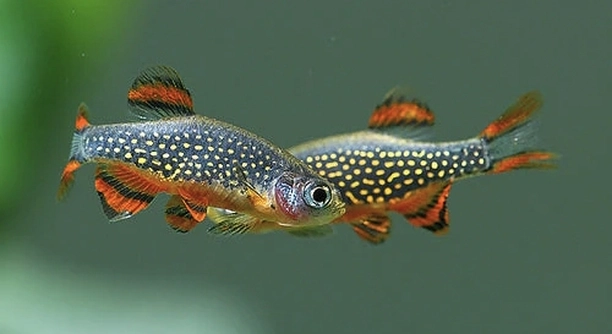
Do you ever notice your danios becoming more active and focused during certain moments in the tank showing changes in how they move and interact if something important is starting to take shape around them.
Breeding behavior in danios emerges through increased chasing, tighter schooling patterns, intensified coloration, and deliberate egg scattering. These coordinated actions indicate hormonal readiness, environmental suitability, and synchronized reproductive activity that collectively signal the onset of their spawning cycle in captivity.
Each of these signs offers a view of how your danios prepare for reproduction, guiding you toward understanding their routines.
Increased Activity During Spawning Readiness
Watching danios during breeding time can feel exciting, especially when you notice shifts in how they move around the tank. Their activity rises in a steady way, and they begin to direct their attention toward each other more often. You may see them speeding through open areas, circling plants, or scouting quiet corners where eggs might be scattered. These actions happen with purpose, giving you clues that they feel ready for the next step. As a woman who enjoys observing gentle patterns in animals, I find this stage interesting because every small movement seems meaningful. The tank becomes a place full of signals that guide how they interact and respond to each other. When these patterns form, it becomes easier to understand what they need and how you can support them through the breeding period. Their growing energy often shows that they are preparing for something important within the group.
Their increased activity becomes easier to notice once you understand the rhythm of their breeding cycle. These movements help you recognize when they are preparing to spawn, giving you a clear sense of what is happening in the tank and how you can support their needs during this time well.
Once you notice these early shifts, you may want to pay closer attention to how your danios interact. Their actions give you simple hints about the next stages of breeding, and following them can help you feel more connected to what is happening. I like observing how their patterns change as the process continues, since it makes the tank feel more active and expressive. Watching them settle into their roles helps you understand which behaviors are normal and which ones show that breeding is near. These moments bring a clearer picture of their routine and make the experience more enjoyable.
Color Changes and Social Patterns
Color shifts appear quickly during breeding periods, and they often brighten in steady ways that reflect growing readiness. These changes help you notice when your danios feel prepared for spawning. Their social patterns tighten, giving you an easy way to recognize when the group is settling into breeding behavior now.
Brightening colors and shifting social habits are reliable signs that danios are approaching breeding time. These visual cues make it easier to recognize what they need, especially when their interactions begin to look more deliberate. You might notice males showing richer tones as they glide through the tank with added confidence. Females may respond by adjusting their placement within the group, choosing spots that feel safe for scattering eggs. These quiet changes reveal how both sides prepare for the process. I enjoy watching these moments because they show a natural flow that feels gentle and steady. Each movement has meaning, and the group starts to act with more purpose as breeding approaches. When colors intensify, it becomes clear that hormones are shifting and communication is strengthening. Their schooling tightens, and they develop patterns that help them stay connected as a group. Paying attention to these changes helps you understand how to support them. A stable environment and steady surroundings give them the comfort they need. During this time every detail matters because the group relies on balance. Their signals guide you toward small adjustments that help keep the tank suitable for breeding, allowing everything to unfold in a smooth way.
Chasing Behavior Between Males and Females
Chasing becomes more frequent when danios enter breeding mode, and the movements feel sharper and more focused. Males guide females through open areas while keeping a steady pace. These actions show that both sides are preparing for egg scattering and responding to each other’s signals.
The chasing may look intense, but it usually stays controlled. Males circle around females in smooth motions, staying close without causing harm. I tend to watch how the female responds, since her pace often reveals how comfortable she feels. When she slows down or shifts directions with purpose, it shows she is aware of the male’s intentions. Their movements begin forming a pattern that repeats, making it easier to see when breeding is close. These small details provide a clear picture of how both fish communicate during this stage.
As the behavior grows more consistent, the pair often settles into a rhythm. The male maintains his position behind the female, guiding her toward areas suitable for egg scattering. I notice how the rest of the group reacts, since they sometimes give space when the pair becomes more focused. This keeps the interaction calm and steady. These patterns help you understand the timing of the breeding stage and make it easier to support the pair. Watching them move together in this way gives you a clear sense of their readiness.
Egg Scattering Signals
When danios prepare to scatter eggs, they start exploring the lower areas of the tank with more intention. They investigate plants, crevices, and surfaces that feel safe for releasing eggs. These movements help you recognize when spawning is close, especially when the group stays focused on the same areas.
Egg scattering often happens quickly, so the signs leading up to it matter. I notice the female’s abdomen appearing fuller and her movements becoming slower near the bottom. The male stays close, urging her forward with gentle motions. These moments show that the conditions feel right for them. Plants and fine textures attract their attention because they offer protection for the eggs. When both fish return repeatedly to the same spot, it signals that spawning may happen soon. Keeping the environment stable helps them feel secure, allowing the process to unfold smoothly.
Territorial Displays Around Preferred Areas
Territorial behavior becomes clearer when breeding is near. Danios start guarding small sections of the tank, usually around plants or textured surfaces. I notice how they hover in place and return to the same spots, showing that these areas feel important to them.
These displays stay subtle but steady. A danio may chase others away briefly while holding its ground. This helps protect potential spawning sites. Their focus on these areas makes it easier to understand where they plan to scatter eggs, giving you a better sense of their timing.
Tighter Schooling Movements
Schooling becomes more coordinated when breeding behavior increases. The group shifts into a closer formation, moving with a smoother rhythm. I notice how their turns match more closely, showing stronger awareness of each other. These patterns reveal that they feel more connected as the breeding stage approaches, creating a calm but focused atmosphere in the tank.
Increased Interest in Substrate
Danios often gather along the substrate when spawning is close. Their movements slow as they inspect small gaps and surfaces that feel safe for eggs. Watching these moments helps you recognize how ready they are and where they plan to focus their attention next.
FAQ
How can I tell when my danios are ready to breed?
Danios show several signs when ready to breed. Males become more active and start chasing females gently. Colors often brighten, and the fish move in tighter schools. Females may have a slightly fuller abdomen. You can also notice them exploring plants and substrate more carefully, preparing for egg-laying. Observing these behaviors consistently over several days is the best way to confirm readiness. Keeping the tank stable, with clean water and small hiding spots, supports this process. I find that noting small changes in movement and interaction helps me predict when breeding will occur.
Do all danios breed at the same time?
Not always. While danios often respond to environmental cues simultaneously, individual fish may show readiness at slightly different times. Males tend to initiate chasing behavior first, while females respond by exploring the tank for suitable egg-laying sites. You might see some fish more active while others remain calm. Their breeding patterns usually synchronize within a few days, especially in stable water conditions. Observing who leads and who follows gives you insight into the pairings and timing of spawning. Paying attention to these dynamics helps you prepare the tank and reduce stress.
What is the best way to encourage spawning?
Providing stable water conditions is the key. Slightly warmer temperatures, clean water, and gentle filtration help simulate ideal breeding conditions. Adding plants, fine-leaved species, or spawning mops encourages females to lay eggs. Feeding a high-quality, protein-rich diet for several days before spawning also boosts readiness. I like to create small, calm areas where fish can feel secure, as stress-free environments improve the chances of successful breeding. Avoid sudden changes in lighting or water chemistry during this time, since that can disrupt their behavior.
How do I prevent aggression during breeding?
Males can become more assertive during spawning, often chasing females and other males. To reduce aggression, provide plenty of hiding spaces and visual barriers in the tank. Observing who is more dominant helps you adjust areas for retreat. I sometimes separate particularly aggressive males temporarily if they stress the females. Keeping the water clean and maintaining consistent conditions also reduces irritability. Watching the pair’s behavior allows you to intervene early without disturbing the natural process.
How long does the breeding process usually take?
From the first chasing and color changes to actual egg-laying, the process can take several days. Males begin signaling readiness before females respond fully. Once the female selects a suitable spot, egg scattering may happen repeatedly over one or two days. I notice that closely watching patterns of movement and revisiting spots helps me understand when eggs have been laid. After spawning, it’s common for males to continue guarding areas briefly, then settle back into normal schooling behavior. Tracking these stages helps maintain a calm tank and supports healthy reproduction.
What should I do after eggs are laid?
Eggs are delicate and often become targets for adults, including the parents. Many keepers move eggs to a separate tank or use a spawning trap to protect them. Gentle aeration and clean water conditions are important for development. I check eggs daily for fungus and remove any that appear unhealthy. Maintaining consistent temperature and lighting helps them develop evenly. After hatching, fry require very small foods such as infusoria or finely crushed flakes. Observing their growth daily lets you adjust feeding and maintain water quality.
Can I breed danios in a community tank?
It’s possible but more challenging. Other species may eat eggs or stress the breeding pair. I often recommend using a dedicated breeding tank to ensure safety and higher survival rates. Providing hiding spaces and separate areas for males and females encourages smoother breeding. Even in community tanks, observing behavior carefully allows you to see who is ready to spawn and who needs more time. A controlled setup reduces risks and gives the eggs the best chance to survive.
How do I know if eggs are healthy?
Healthy eggs are usually round, transparent, and slightly sticky. I notice that they attach to plants or substrate without floating away. Cloudy or white eggs may indicate fungal growth or infertility. Regularly inspecting the eggs helps prevent loss. Gentle water changes and proper aeration improve development. Consistent temperature also plays a role in ensuring eggs grow evenly. Watching daily progress allows me to act quickly if something seems off, improving overall survival rates.
What do danio fry eat once hatched?
Fry are very small and need tiny, protein-rich foods. Infusoria, newly hatched brine shrimp, or finely crushed flakes are suitable. Feeding small amounts multiple times a day prevents leftover food from fouling the water. I like to start with infusoria for the first few days, gradually introducing larger options as they grow. Clean water and careful monitoring are important to prevent stress and disease. Observing how actively they feed helps determine when to increase the quantity or switch to slightly larger foods.
How long until fry grow into adult danios?
Growth is gradual and depends on food quality, water conditions, and tank space. Fry typically begin showing juvenile colors within a few weeks. By about two to three months, they resemble small adults in shape and behavior. I notice that consistent care, frequent feeding of appropriate food, and stable tank conditions speed healthy growth. Avoid overcrowding, since competition can slow development. Watching their schooling behavior emerge is rewarding, as it shows their social instincts are developing alongside physical growth.
This FAQ provides practical insight into every stage of danio breeding, from early behaviors to fry care, helping maintain a healthy and productive tank environment.
Breeding danios can feel both fascinating and manageable when you know what to look for. Observing their behaviors closely gives clear signals about readiness, and paying attention to subtle changes helps you act at the right time. The increase in activity, chasing patterns, and tighter schooling are all indicators that the breeding stage is approaching. Over time, you begin to notice small differences in color, posture, and interaction that reveal which fish are ready and which are still adjusting. These moments can feel personal because each danio seems to follow its own rhythm, yet the group acts in a coordinated way. I have found that being patient and watching carefully makes a big difference. There’s no need to rush the process; giving them a calm and stable environment ensures that natural behaviors unfold without stress. Simple steps, like adjusting water temperature slightly, providing clean water, and adding plants or textured surfaces, make the tank more inviting for egg-laying. This preparation creates conditions that encourage the fish to feel safe and secure, which is key for successful spawning.
Once the eggs are laid, attention shifts to protecting them and supporting proper development. Many danios will eat their own eggs if left unchecked, so taking measures such as moving eggs to a separate tank or using a spawning trap can be helpful. I often check eggs daily to remove any that appear unhealthy and monitor the water conditions closely. Proper aeration, consistent temperature, and clean water help the eggs develop evenly, which increases survival rates. After hatching, the fry need very small foods, like infusoria or finely crushed flakes, and feeding in small amounts several times a day prevents water contamination. Watching the fry grow is rewarding, as you can see them slowly develop their juvenile colors and start to school with one another. Even small adjustments, like maintaining tank stability and careful observation, make a noticeable difference in their growth and health. These early days are delicate, but consistent care helps ensure that the fry have a strong start and continue to thrive.
Breeding danios also teaches patience and attention to detail. Every stage, from increased activity to egg-laying and fry development, requires observation and gentle care. I have noticed that the more you understand their natural behavior, the easier it becomes to provide the right conditions and minimize stress. Even small environmental changes, such as adding extra plants, adjusting light, or monitoring water quality, can influence their readiness to spawn. The process is gradual, and success often comes from consistent, careful management rather than sudden interventions. Over time, you begin to anticipate their behaviors, recognize signs of readiness early, and create conditions that support their natural instincts. Watching the entire cycle unfold, from chasing and color changes to fry learning to swim and feed, feels satisfying. It emphasizes the importance of patience, observation, and creating a stable environment. By paying attention to these details, you can help your danios breed successfully while maintaining a healthy, balanced tank that supports both adult fish and the next generation.

Hello,
If you enjoy the content that we create, please consider saying a "Thank You!" by leaving a tip.
Every little bit helps us continue crafting quality advice that supports the health, happiness, and well-being of pets around the world, for pets of all shapes, sizes, and species.
We really appreciate the kindness and support that you show us!