
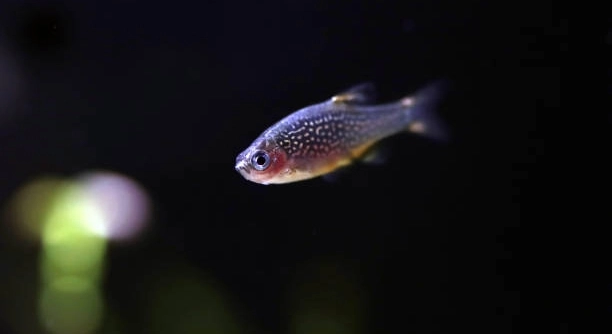
Celestial Pearl Danios are small, colorful fish that bring life to any freshwater aquarium. Many hobbyists enjoy watching their vibrant patterns and playful movements, which make them a delightful addition to a well-maintained tank environment.
Breeding Celestial Pearl Danios requires careful attention to water conditions, diet, and tank setup. Providing slightly acidic, soft water, maintaining consistent temperatures, and offering high-quality live or frozen foods are essential steps to encourage successful spawning and fry development.
Learning these key techniques will help you breed these fish successfully and enjoy their growth from tiny fry to lively adults.
Choosing the Right Breeding Pair
Selecting healthy Celestial Pearl Danios is the first step toward successful breeding. Look for fish with vibrant colors, clear eyes, and active swimming behavior. Avoid fish that appear dull, lethargic, or show signs of disease. Male danios are generally slimmer with brighter coloration, while females tend to have rounder, fuller bodies, especially when carrying eggs. Observing their behavior in a community tank can also help identify compatible pairs. Introduce the chosen male and female into a separate breeding tank with plenty of hiding spots and gentle filtration. This reduces stress and increases the likelihood of spawning. A clean environment with minimal disturbances allows the fish to focus on breeding naturally. Maintaining a stable temperature around 78–80°F and soft, slightly acidic water encourages egg laying. Patience is important, as danios may take several days to settle and start spawning.
Providing ideal conditions ensures a higher success rate and healthier offspring for your breeding efforts.
A well-chosen pair will interact more confidently, and the female will begin showing signs of readiness, such as seeking out spawning areas and appearing slightly plumper.
Tank Setup for Spawning
The breeding tank should mimic natural conditions while minimizing stress. Include fine-leaved plants or spawning mops where eggs can safely fall.
Keep the water temperature stable and monitor pH levels closely. Gentle filtration prevents debris without creating strong currents that could disturb the eggs.
Place a soft substrate or marbles at the bottom so that eggs fall between gaps, reducing the chance of being eaten by the adults. Maintain regular, small water changes to ensure optimal water quality. Lighting should be subdued to encourage natural behavior. Introducing live or frozen foods like brine shrimp or daphnia boosts energy levels, making fish more likely to spawn. Observe the pair during the morning hours, as Celestial Pearl Danios often lay eggs early in the day. Remove adults after spawning to protect the eggs from predation. With consistent care and monitoring, eggs will usually hatch within two to three days, and fry can then be fed appropriate infusoria or liquid fry foods to support early growth.
This setup maximizes the likelihood of successful spawning and healthy fry development while keeping adult fish stress-free.
Feeding for Breeding
High-quality food increases the chances of successful spawning. Provide live or frozen options like brine shrimp, daphnia, or bloodworms.
Consistent feeding improves the fish’s health and readiness for breeding. Feeding small amounts multiple times a day ensures energy without overfeeding. Females develop more eggs when receiving protein-rich foods, and males display brighter colors, which helps stimulate spawning behavior. Avoid overfeeding, as leftover food can pollute the water and stress the fish. Observing their eating habits helps identify which fish are actively healthy and ready for breeding.
Rotating different types of live and frozen foods keeps the fish interested and nourished. It also replicates a natural diet, which can trigger more natural breeding behavior. A varied diet ensures that both males and females have the stamina and vitality needed for multiple spawning events, supporting overall tank health and fry survival.
Monitoring Egg Development
Celestial Pearl Danio eggs are small and transparent, making careful observation necessary. Check for fertilized eggs that appear slightly opaque.
Maintaining stable water conditions is essential for proper egg development. Temperature should remain around 78–80°F with gentle filtration to avoid disturbing eggs. Fertilized eggs typically hatch within two to three days. Remove any unfertilized or fungus-infected eggs to prevent contamination. Monitoring daily helps ensure all eggs are healthy and developing. A slight increase in aeration can improve oxygen flow, supporting embryo growth.
Once hatched, fry require immediate attention for feeding and water quality. Introduce infusoria or other suitable liquid fry foods to support early growth. Small, frequent feedings help fry thrive without overloading the tank with uneaten food. Maintaining a clean environment and observing growth daily allows you to track progress and adjust feeding or water parameters as needed, ensuring a higher survival rate for the young fish.
Separating Adults from Fry
Removing adults after spawning prevents them from eating the eggs or fry. Use a net or gentle transfer method to move adults carefully.
Ensure the fry tank remains calm and undisturbed. Minimal movement and stable water conditions help fry grow without stress or risk of injury.
Fry Feeding Schedule
Feed newly hatched fry small amounts of infusoria or liquid fry food multiple times per day. Gradually introduce finely crushed flake or micro-pellet foods as they grow. Regular feeding supports steady growth and increases survival rates. Monitor the tank to remove any leftover food to maintain water quality and prevent fungal growth.
Water Maintenance
Perform small, frequent water changes to keep ammonia and nitrite levels low. Stable water parameters are critical for fry health.
Tank Environment
Provide plants or fine-leaved decorations for fry to hide. This reduces stress and offers a safe area for growth.
FAQ
How long does it take for Celestial Pearl Danio eggs to hatch?
Eggs usually hatch within two to three days when kept at a stable temperature of 78–80°F. Fertilized eggs appear slightly opaque, while unfertilized ones remain clear and should be removed to prevent fungus growth. Maintaining calm, clean water helps ensure successful hatching.
What should I feed the fry initially?
Newly hatched fry are tiny and require microscopic foods like infusoria or liquid fry food. After a few days, you can gradually introduce finely crushed flake foods or micro-pellets. Feeding small amounts multiple times daily prevents overfeeding and keeps water quality stable.
Do adults eat their eggs?
Yes, adult Celestial Pearl Danios can eat eggs or young fry. Removing adults immediately after spawning protects the eggs and increases survival rates. Using a separate breeding tank or moving fry to a rearing tank ensures safety.
How often should I change the water?
Frequent, small water changes are necessary to maintain optimal water conditions. Changing 10–15% of the water daily or every other day helps control ammonia, nitrites, and general debris. Avoid drastic changes that could stress fry or adults.
Can I use tap water for breeding?
Tap water can be used if treated to remove chlorine and chloramines. Test and adjust pH and hardness to match the slightly acidic, soft conditions preferred by Celestial Pearl Danios. Stable water chemistry encourages spawning and healthy fry development.
How do I know if my pair is compatible?
Observe behavior in the breeding tank. A compatible pair will swim closely, display bright colors, and the female will appear fuller when carrying eggs. Aggression or constant hiding may indicate incompatibility. Patience is important, as fish may need time to acclimate.
What is the best tank size for breeding?
A small breeding tank of 10–15 gallons is sufficient. Include fine-leaved plants or spawning mops and a gentle filter. A compact environment allows better monitoring of eggs and fry while keeping water parameters easier to maintain.
How long until fry reach adult size?
Celestial Pearl Danio fry grow slowly, reaching juvenile size in about 6–8 weeks. They will develop full coloration and adult patterns around 4–6 months, depending on diet, water quality, and overall tank conditions. Consistent care supports steady growth.
Can I breed more than one pair in the same tank?
It’s possible but not recommended. Multiple pairs increase competition, stress, and egg predation. If you choose to do this, provide plenty of hiding spaces and plants. Monitoring interactions carefully helps prevent aggressive behavior and improves fry survival.
How do I prevent fungus on eggs?
Maintain clean water and remove unfertilized or infected eggs promptly. Slightly increasing aeration can improve oxygen flow. Some breeders lightly treat eggs with antifungal solutions, but careful daily observation and water maintenance are usually sufficient.
Is lighting important for breeding?
Subdued, consistent lighting helps reduce stress and encourages natural spawning behavior. Avoid bright lights directly on the breeding tank, as it can disturb both adults and developing fry. A regular light cycle of 10–12 hours per day is ideal.
What temperature is optimal for breeding?
Keep the water between 78–80°F. Temperatures outside this range can reduce spawning activity or slow egg development. Use a reliable heater and thermometer to maintain stable conditions. Gradual adjustments are safer than sudden changes.
How do I transition fry to adult food?
Once fry are large enough to consume micro-pellets or crushed flake food, begin introducing it gradually. Offer tiny portions multiple times daily while still providing occasional live foods for nutrition. Monitor growth and remove uneaten food to maintain water quality.
Can Celestial Pearl Danios breed year-round?
Yes, under stable, controlled conditions, they can breed year-round. Maintaining consistent temperature, water quality, and nutrition encourages repeated spawning. Natural cycles like light and seasonal changes can influence activity, but proper care can support continuous breeding.
Do I need special equipment for breeding?
A separate breeding tank, fine-leaved plants or spawning mops, gentle filtration, and a reliable heater are sufficient. Advanced equipment like air stones, temperature controllers, or specialized fry food can improve success but aren’t strictly required.
How many eggs does a female lay at once?
A female typically lays 30–50 eggs per spawning session. Some may lay more under optimal conditions. Fertilized eggs should be monitored carefully to maximize survival rates, while unfertilized eggs must be removed promptly to avoid fungus.
How do I care for fry after hatching?
Keep the tank calm and maintain stable water conditions. Feed infusoria or liquid fry food multiple times daily. Gradually introduce finely crushed flake foods as fry grow. Frequent small water changes and careful monitoring reduce stress and increase survival rates.
What signs indicate successful breeding?
Successful breeding includes active pairing behavior, egg laying in plants or spawning mops, and eventually hatched fry swimming freely. Fry should appear healthy, evenly sized, and responsive to feeding. Adults will display bright coloration and normal swimming behavior throughout.
Can I reuse the breeding tank for another pair immediately?
Yes, after thorough cleaning to remove debris, leftover eggs, and waste. Ensure water parameters are stable and decorations or plants are intact. Preparing the tank properly helps prevent disease and stress for the next breeding attempt.
How do I avoid stress in breeding fish?
Minimize disturbances, maintain stable water parameters, and provide hiding spaces. Avoid sudden movements or loud noises near the tank. Adequate nutrition and careful monitoring of water quality also help keep both adults and fry healthy during the breeding process.
Are there common mistakes to avoid?
Avoid overfeeding, overcrowding, unstable water conditions, and leaving adults with eggs. Neglecting water changes or failing to monitor fry can lead to low survival rates. Careful planning and consistent attention improve overall success and fish health.
How soon can fry be introduced to a community tank?
Wait until fry are large enough to avoid predation, usually around 8–10 weeks. Gradually acclimate them to the main tank’s water parameters and observe interactions with other fish. Providing plants and hiding spaces increases their chances of survival.
Can Celestial Pearl Danios spawn without live food?
While live or frozen food encourages spawning, high-quality flake or pellet food can sometimes be sufficient. Protein-rich foods improve egg production and coloration. A varied diet mimics natural feeding conditions and supports healthier, more viable offspring.
Is filtration necessary during breeding?
Yes, gentle filtration helps maintain water quality without disturbing eggs or fry. Strong currents can damage eggs or stress fry. Sponge filters are ideal because they provide filtration and aeration without creating strong water movement.
Do I need to adjust pH for breeding?
Slightly acidic to neutral water (around pH 6.5–7.0) is preferred. Adjusting hardness and pH to mimic natural conditions encourages spawning and supports egg development. Sudden pH changes should be avoided, as they stress both adults and fry.
How often do Celestial Pearl Danios spawn?
Under ideal conditions, they can spawn multiple times per month. Females lay eggs in batches, and consistent water quality, temperature, and nutrition increase frequency and overall success rates.
What is the survival rate of fry?
Survival rates vary depending on care. Proper water maintenance, feeding, and protection from adults improve chances significantly. With careful monitoring, a high percentage of fry can reach juvenile and adult stages successfully.
How do I know when to remove adults?
Remove adults immediately after eggs are laid to prevent predation. Signs include increased hiding of eggs and initial fry swimming. Prompt separation ensures higher survival rates and reduces stress for both fry and adult fish.
Can I breed Celestial Pearl Danios in a planted tank?
Yes, fine-leaved plants provide excellent egg-laying sites and hiding spaces for fry. Avoid dense or coarse plants that make egg retrieval difficult. Plants also help maintain water quality by absorbing nutrients and offering shelter.
How do I maintain water temperature consistently?
Use a reliable aquarium heater and thermometer. Avoid placing the tank near drafts or direct sunlight. Small fluctuations are acceptable, but keeping temperature stable around 78–80°F is crucial for breeding success.
Do fry need special lighting?
Subdued, consistent lighting is ideal. Avoid bright, direct light, which can stress fry and adults. A regular day-night cycle of around 10–12 hours supports natural behavior and healthy development.
What are the best conditions for multiple spawnings?
Provide stable temperature, clean water, protein-rich food, and minimal stress. Regular water changes and monitoring fry growth between spawnings help adults stay healthy and ready for the next breeding cycle.
Can stress affect egg fertility?
Yes, stressed fish may lay fewer eggs, produce unfertilized eggs, or show reduced spawning behavior. Minimizing disturbances, maintaining stable water parameters, and providing proper nutrition improves fertility and overall breeding success.
How do I know if fry are healthy?
Healthy fry are active, evenly sized, and responsive to feeding. Their growth should be steady, and they should show normal swimming behavior. Sick or slow-growing fry may indicate water quality or nutritional issues.
Are there signs that breeding may fail?
Lethargic adults, poor egg development, fungus on eggs, or high fry mortality indicate potential problems. Immediate adjustments in water quality, diet, or tank environment are necessary to improve success rates.
How can I increase egg survival?
Remove adults after spawning, maintain stable water, provide hiding spaces, and monitor feeding carefully. Gentle aeration and frequent observation reduce risks of fungal infections and other threats to developing eggs.
Is it necessary to separate fry by size?
Separating fry is usually not required initially, but overcrowding can become an issue as they grow. Ensuring adequate space and monitoring growth helps prevent competition and stress.
Can I breed Celestial Pearl Danios in soft or hard water?
Soft, slightly acidic water is preferred. Hard or alkaline water may reduce spawning activity or egg viability. Adjusting water parameters gradually ensures safe conditions for both adults and fry.
Do Celestial Pearl Danios need a specific diet to spawn?
Protein-rich foods like brine shrimp or daphnia enhance egg production and male coloration. A varied diet improves overall health and increases the likelihood of successful, repeated spawning.
How important is tank cleanliness?
Extremely important. Clean water reduces stress, prevents fungal growth on eggs, and supports fry survival. Frequent small water changes and careful observation ensure optimal conditions for all stages of breeding.
How do I transition fry to community tanks safely?
Wait until fry are large enough to avoid predation. Acclimate gradually to the main tank’s parameters and provide hiding spots. Monitoring interactions ensures survival during integration with other fish.
Can breeding be done year-round indoors?
Yes, with controlled temperature, light, and nutrition, Celestial Pearl Danios can spawn throughout the year. Stable conditions encourage repeated and successful breeding cycles.
What are common mistakes when breeding fry?
Overcrowding, overfeeding, unstable water, leaving adults with eggs, and ignoring early signs of fungus or disease reduce survival rates. Consistent care prevents these issues and improves overall breeding success.
How long do adults live after multiple spawns?
With proper care, adults remain healthy for several years. Maintaining water quality, nutrition, and minimal stress supports longevity and continued spawning potential.
Can Celestial Pearl Danios breed in unheated tanks?
Breeding is less reliable in unheated tanks, especially in cooler climates. Stable temperatures around 78–80°F are essential for egg fertilization and fry development.
Is it necessary to remove unfertilized eggs immediately?
Yes, unfertilized eggs can develop fungus, which may spread to healthy eggs. Prompt removal protects remaining eggs and improves overall hatching success.
Do adults need hiding spaces during breeding?
Yes, plants or decorations reduce stress and encourage natural spawning behavior. Providing hiding spots supports well-being for both males and females during the breeding period.
Can fry be raised entirely on flake food?
Initially, no. Fry are too small for flake food alone. Start with infusoria or liquid fry food, then gradually introduce finely crushed flake food as they grow.
How do I avoid overfeeding during fry care?
Feed small portions multiple times per day. Remove uneaten food promptly to prevent water pollution, stress, and fungal growth. Careful feeding maintains water quality and supports healthy growth.
Are Celestial Pearl Danios sensitive to water changes?
Yes, sudden large changes can stress both adults and fry. Use small, frequent changes with matched temperature and parameters to maintain stability and prevent shock.
What is the ideal tank decoration for fry?
Fine-leaved plants, spawning mops, or soft decorations provide hiding spaces. These reduce stress, protect fry from turbulence, and offer a safe environment for early growth.
Do fry require aeration?
Yes, gentle aeration improves oxygen levels without creating strong currents. Sponge filters are ideal because they provide mild water movement and filtration suitable for delicate fry.
Can I breed Celestial Pearl Danios in community tanks?
It’s not recommended. Adults may eat eggs and fry, and other species may stress the breeding pair. Separate tanks increase survival rates and make monitoring easier.
How do I know if fry are ready for solid food?
Once fry are large enough to consume micro-pellets or finely crushed flakes, usually after several days of infusoria feeding. They will actively swim toward food and show consistent growth.
Is male coloration important for breeding?
Yes, brighter males are more likely to stimulate females and encourage spawning. Proper nutrition and stable conditions help males develop vivid colors naturally.
Can Celestial Pearl Danios breed in varying pH levels?
Slightly acidic to neutral conditions are ideal. Extreme pH variations can reduce spawning activity and egg viability. Gradual adjustments ensure safe and successful breeding.
How long should adults stay in the breeding tank?
Adults should remain only until eggs are laid, usually one to two days. Extended presence increases the risk of egg predation and stress.
Are there indicators that fry are stressed?
Fry that hide excessively, swim erratically, or refuse food may be stressed. Adjust water quality, temperature, or tank environment to reduce stress and promote healthy growth.
Can I use natural plants for spawning?
Yes, fine-leaved plants mimic natural conditions and provide excellent hiding spots for eggs and fry. Avoid coarse or broad-leaved plants that make observation difficult.
Do Celestial Pearl Danios need special lighting to spawn?
Consistent, subdued lighting is sufficient. Sudden or bright lighting can stress adults and reduce spawning activity. Maintain a regular 10–12 hour light cycle.
What precautions should I take during multiple spawns?
Monitor water quality, provide sufficient food, remove adults promptly, and ensure hiding spaces for fry. Careful attention increases survival rates and supports repeated successful breeding events.
Can I reuse decorations from previous breeding tanks?
Yes, but clean thoroughly to remove algae, debris, and pathogens. Ensuring a clean environment prevents disease and improves success for new breeding attempts.
How do I know if fry are getting enough food?
Fry should actively swim to eat and show steady growth. Uneaten food should be minimal. Adjust feeding frequency and portion size to maintain water quality and prevent starvation.
Do breeding fish require separate filtration?
Gentle filtration is recommended to maintain water quality without disturbing eggs or fry. Sponge filters are ideal for safe, low-flow filtration.
How do I protect eggs from fungus naturally?
Remove unfertilized eggs, maintain clean water, and provide gentle aeration. Monitoring daily reduces risk without chemical treatments.
Is it necessary to track fry growth daily?
Yes, observing growth ensures they are healthy, feeding properly, and developing at an expected rate. Early detection of issues prevents large-scale losses.
Can stress affect spawning frequency?
Yes, stressed fish may spawn less often or produce fewer eggs. Maintaining stable conditions, nutrition, and minimal disturbances supports regular breeding cycles.
How important is protein in the diet for spawning?
High-protein foods improve egg production, male coloration, and overall vitality. Providing live or frozen protein sources ensures healthier, more viable offspring.
Do Celestial Pearl Danios require specific water hardness for breeding?
Soft, slightly acidic water is preferred. Hard water may reduce spawning success or egg viability. Gradual adjustments prevent stress while optimizing conditions for breeding.
How soon after spawning can adults breed again?
With optimal care, adults can spawn multiple times per month. Adequate nutrition, clean water, and rest periods support repeated successful spawning events.
Are there signs of infertile eggs?
Infertile eggs remain clear and may develop fungus if not removed. Fertilized eggs appear slightly opaque and develop within two to three days. Prompt removal of infertile eggs prevents contamination.
Can breeding success be increased with tank mates?
It is generally discouraged. Other species may stress adults or eat eggs and fry. A separate breeding setup maximizes survival and reduces complications.
How do I ensure high fry survival rates?
Maintain clean water, stable temperature, provide suitable food, remove adults, and monitor growth. Adequate hiding spaces and careful attention prevent stress and increase survival.
Is there an optimal time of day for spawning?
Spawning often occurs in the morning under stable light and temperature conditions. Observing fish behavior early in the day can help detect egg-laying activity.
Do I need to quarantine fish before breeding?
Yes, quarantining new fish reduces disease risk. Healthy adults produce stronger eggs, and quarantine ensures that parasites or infections do not compromise breeding success.
What is the best way to introduce fry to new water?
Gradually acclimate fry to new water conditions using small increments over several hours. Rapid changes can cause stress or mortality. Monitor behavior and swimming patterns during the transition.
Can Celestial Pearl Danios spawn without plants?
They can, but plants or spawning mops increase egg survival by providing hiding spaces. Eggs on bare substrate are more vulnerable to predation or fungal infections.
How do I know when fry are ready to eat larger foods?
Fry will actively pursue food, grow steadily, and reach a size capable of handling finely crushed flakes or micro-pellets. Introduce new foods gradually to avoid digestive issues.
Is tank location important for breeding?
Yes, place the tank in a quiet, stable environment away from direct sunlight or drafts. Minimizing disturbances reduces stress and encourages natural spawning behavior.
Can water flow affect breeding?
Strong currents can disturb eggs or fry. Gentle filtration and mild water movement support oxygenation without harming delicate stages of development.
Are temperature fluctuations harmful to eggs or fry?
Yes, sudden changes can reduce hatching success, slow development, or stress fry. Maintaining stable temperatures ensures optimal growth and survival rates.
Celestial Pearl Danios are small but fascinating fish that can be successfully bred with careful attention and planning. Paying close attention to water conditions, temperature, and tank setup is essential for both adults and fry. Soft, slightly acidic water and a stable temperature around 78–80°F create an environment that encourages spawning and healthy development. Using a separate breeding tank helps protect eggs and fry from being eaten by adult fish. Including fine-leaved plants or spawning mops gives eggs a safe place to settle, while gentle filtration maintains clean water without creating strong currents that could harm the young. Providing adequate hiding spaces and maintaining calm tank conditions reduces stress for both adults and fry, supporting their overall health.
Feeding plays a critical role in breeding success. Adults require a high-protein diet, including live or frozen foods such as brine shrimp, daphnia, or bloodworms. Consistent feeding improves the likelihood of egg production and encourages males to display brighter colors, which naturally stimulates spawning. Once eggs hatch, the fry need immediate access to tiny foods like infusoria or liquid fry foods. Gradually, they can transition to finely crushed flakes or micro-pellets as they grow. Feeding small portions multiple times a day prevents overfeeding, which could pollute the water and harm the fry. Careful observation during feeding helps identify healthy fry, and timely removal of uneaten food supports water quality, which is critical at this stage. Proper nutrition throughout the breeding process ensures that the fish remain active, strong, and capable of producing multiple successful spawning cycles.
Monitoring and maintenance are equally important in ensuring successful breeding. Regular water changes, even small ones, prevent the accumulation of ammonia or nitrites that could threaten eggs or fry. Removing unfertilized or fungus-infected eggs quickly reduces the risk of contamination. Consistent observation of both adults and fry allows for adjustments in feeding, temperature, or tank conditions as needed. Keeping stress levels low, maintaining a predictable light cycle, and providing plenty of hiding spots supports natural behavior and encourages multiple spawnings. Patience and careful attention to these details lead to higher survival rates and healthier fish overall. With proper care, Celestial Pearl Danios can thrive in a home aquarium, offering both aesthetic enjoyment and the satisfaction of successful breeding. By following these principles, breeders can foster strong, vibrant fish and ensure the next generation grows safely and healthily.

Hello,
If you enjoy the content that we create, please consider saying a "Thank You!" by leaving a tip.
Every little bit helps us continue crafting quality advice that supports the health, happiness, and well-being of pets around the world, for pets of all shapes, sizes, and species.
We really appreciate the kindness and support that you show us!