
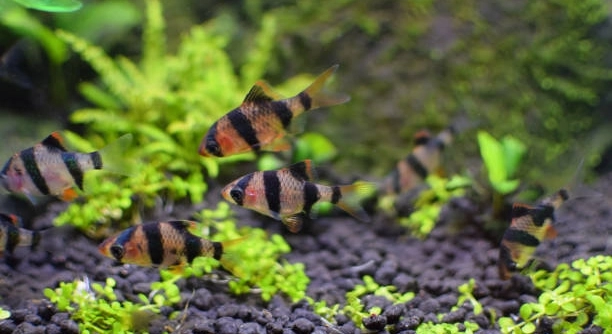
Tiger barbs are lively freshwater fish often kept in home aquariums. Many owners enjoy watching their playful behavior and wonder how to keep them entertained. Understanding their preferences can help improve their well-being in captivity.
Tiger barbs do show interest in toys and tank games, but their engagement is mainly driven by movement and interaction rather than the toys themselves. They prefer environments that encourage swimming and exploring over stationary objects.
Exploring how these fish respond to different stimuli can help you create a more stimulating and healthy environment for your tiger barbs. This article will provide insights into their behavior and preferences.
Do Tiger Barbs Enjoy Toys?
Tiger barbs are naturally curious and active fish. They respond well to movement, which is why some owners introduce floating toys or mirrors to their tanks. However, these fish don’t interact with toys the same way mammals or birds might. They are more likely to react to sudden movements or reflections. Placing a mirror for short periods can stimulate their natural behavior, causing them to swim more actively or display territorial actions. But it’s important not to leave mirrors or toys in the tank for too long, as this can cause stress. Instead, creating a tank environment with plenty of plants and open swimming space encourages natural activity. Toys are more of a novelty than a true enrichment tool for tiger barbs. Their interest in toys usually lasts only a short time before they return to their usual swimming patterns.
Tiger barbs prefer active stimuli rather than static objects like toys.
Knowing this can help in designing a tank setup that encourages their natural behavior without causing stress or boredom.
Tank Games for Tiger Barbs
Playing tank games usually involves encouraging interaction through movement or changes in the environment. Tiger barbs respond best to these types of stimulation. For example, gently moving plants or creating water currents can prompt them to chase or explore. Some owners use feeding routines or floating objects that move across the tank to catch their attention. These fish enjoy chasing moving targets, which helps keep them physically active. However, it’s essential to observe their behavior closely to avoid overstimulation. Too much excitement can lead to aggression or stress within the group. Keeping the tank environment balanced, with enough space for each fish to swim freely, reduces tension. Games should be brief and varied, allowing tiger barbs to rest and maintain natural social behavior.
Using natural movement in the tank promotes healthy activity for tiger barbs.
Encouraging interaction without overwhelming them helps maintain their well-being and happiness.
Creating an Engaging Environment
Tiger barbs need space to swim and explore. A cluttered tank can stress them out and reduce their activity. Open swimming areas combined with some plants create a balanced environment.
Providing hiding spots with live or artificial plants helps tiger barbs feel secure. They enjoy darting between plants, which mimics their natural habitat. Overcrowding the tank with decorations or toys can limit their movement and cause frustration. A simple setup with a mix of open water and plants usually works best. This kind of environment encourages natural behaviors like schooling and chasing, keeping them healthy and active throughout the day.
Regular changes in tank layout or adding new plants can also stimulate curiosity. Subtle variations in their space prevent boredom and keep tiger barbs engaged without overwhelming them.
Observing Tiger Barb Behavior
Tiger barbs communicate through body language and swimming patterns. Signs of stress include hiding, reduced movement, or fin clamping. Healthy fish swim actively and interact with their group.
Watching their behavior closely can help you understand what stimulates or stresses them. If they ignore toys or mirrors after a short time, it means those objects don’t interest them much. Changes in behavior can also indicate if the tank environment needs adjusting. For example, aggression may rise if space is limited or if they feel threatened. Learning to read these signs allows you to provide better care and maintain a calm, active tank where tiger barbs thrive naturally.
Signs of Boredom in Tiger Barbs
When tiger barbs get bored, they may swim aimlessly or show less interest in their surroundings. Sometimes they become more aggressive or start fin-nipping.
Lack of stimulation can lead to stress and unhealthy behavior. It’s important to keep their environment varied to prevent boredom.
Best Toys and Items for Tiger Barbs
Tiger barbs respond best to items that move or create ripples in the water. Floating toys, gentle water currents, and mirrors for short periods can stimulate their activity. Avoid bright or flashy objects, as these might stress them. Natural decorations like plants and driftwood provide safe exploration spots. Changing the tank layout occasionally also helps keep their environment interesting and engaging without overwhelming them.
How to Introduce New Toys
Introduce new items slowly and observe how your tiger barbs react. Gradual changes help reduce stress and allow them to adjust comfortably.
FAQ
Do tiger barbs need toys in their tank?
Tiger barbs don’t actually need toys to thrive. They are more focused on swimming and interacting with each other. Toys can be a fun addition for short periods but aren’t necessary for their health or happiness. What really matters is having enough space and plants for them to explore.
Can toys cause stress for tiger barbs?
Yes, toys or mirrors left in the tank too long can cause stress. Tiger barbs may feel threatened by their reflection or new objects if they cannot escape. It’s best to limit exposure to toys and mirrors, using them only occasionally to avoid overstimulation.
How often should I change the tank layout?
Changing the tank layout every few weeks can help keep tiger barbs interested. Moving plants or decorations slightly can encourage exploration without making them feel unsafe. Avoid big changes too often, as sudden shifts can cause stress.
Are mirrors good for tiger barbs?
Mirrors can trigger natural behaviors like chasing or displaying dominance, but only use them briefly. Long exposure might increase aggression or anxiety. It’s a good idea to watch your fish’s reaction closely and remove the mirror if signs of stress appear.
What kind of toys are safe for tiger barbs?
Safe toys include floating objects that move gently with water flow and natural decorations like driftwood or plants. Avoid sharp-edged or brightly colored plastic toys, as they can harm or scare your fish.
Will tiger barbs fight over toys?
Sometimes, yes. Tiger barbs are territorial, especially when stressed or overcrowded. Introducing toys can increase competition, so keep the tank spacious and observe their behavior to avoid fights.
Can tank games improve tiger barbs’ health?
Tank games that encourage swimming and chasing help keep tiger barbs active, which supports their overall health. Physical activity reduces stress and promotes natural behavior, contributing to a longer, happier life.
How long should play sessions last?
Play or interaction sessions should be brief—about 10 to 15 minutes. Long periods of stimulation can tire or stress tiger barbs. Afterward, give them time to relax and settle into their environment.
What are signs of overstimulation in tiger barbs?
Overstimulated tiger barbs may become aggressive, swim erratically, or hide more than usual. They might also nip fins or lose appetite. When these signs appear, reduce the number of toys or games and give them a calmer environment.
Is it better to have many toys or just a few?
It’s better to have just a few toys or decorations and focus on creating a natural, spacious tank. Too many items can overcrowd the space, causing stress and reducing swimming room.
Do tiger barbs play differently alone versus in groups?
Tiger barbs are schooling fish and do best in groups of six or more. They interact and play more naturally when with others. Alone, they may become shy or less active, so toys won’t have the same effect.
How can I tell if my tiger barbs are happy?
Happy tiger barbs swim actively, explore their tank, and show normal social behavior like schooling. They eat well and display bright colors. Lack of stress behaviors like hiding or aggression also indicates good well-being.
Should I use live plants or artificial plants?
Live plants provide natural hiding spots and improve water quality, which benefits tiger barbs. However, well-made artificial plants are also acceptable if live plants are difficult to maintain. Both help create a comfortable environment.
Can feeding routines be part of tank games?
Yes, feeding can be a form of interaction. Using a feeding ring or spreading food across the tank encourages swimming and exploration. It makes mealtime engaging and stimulates natural foraging behavior.
What is the best way to introduce new toys or changes?
Introduce changes slowly and one at a time. Watch how your tiger barbs react to each new item before adding more. This approach helps avoid stress and allows you to adjust based on their comfort level.
Tiger barbs are lively fish that thrive best in an environment that feels natural and comfortable to them. While toys and tank games can add some variety to their day, they don’t really need these extras to stay healthy or happy. What matters most is having enough space to swim and a tank setup that mimics their natural habitat. Plants, hiding spots, and open swimming areas give tiger barbs room to explore and interact naturally. This helps them stay active and reduces stress, which is important for their well-being.
When it comes to toys or games, it’s clear that tiger barbs respond mostly to movement and changes in their environment rather than the objects themselves. Mirrors or floating toys can spark short bursts of activity, but these should only be used briefly to avoid overstressing the fish. Overcrowding the tank with too many decorations or toys can limit their swimming space and cause frustration or aggression. It’s better to keep the tank simple, with some natural decorations and open water. Regularly changing the layout a little can keep things interesting without overwhelming them. Watching how your fish behave is the best way to know what they enjoy or what might stress them out.
Overall, caring for tiger barbs means understanding their needs and respecting their natural behavior. They are social fish that do well in groups, and they enjoy an environment that encourages swimming and exploring. Toys and games are not essential, but small, gentle changes can add variety to their routine. Providing a balanced, spacious tank with plants and hiding places will support their health and happiness in the long run. Paying attention to their behavior helps ensure that any additions to the tank are a good fit. With thoughtful care, tiger barbs can live active, vibrant lives in your aquarium.

Hello,
If you enjoy the content that we create, please consider saying a "Thank You!" by leaving a tip.
Every little bit helps us continue crafting quality advice that supports the health, happiness, and well-being of pets around the world, for pets of all shapes, sizes, and species.
We really appreciate the kindness and support that you show us!