
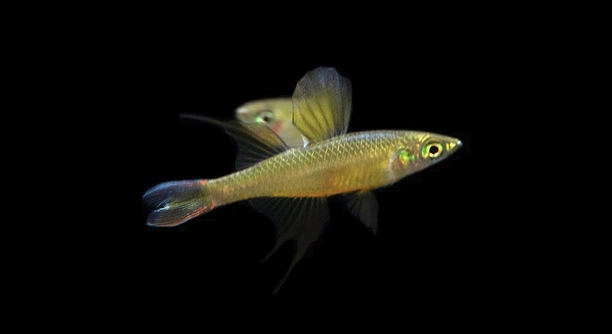
Do you ever find yourself watching your threadfins swim and notice them pressing right against the glass, almost as if they are drawn to it?
Threadfins often swim against the glass due to stress, territorial behavior, or environmental factors such as water quality and tank setup. This repetitive action, known as glass surfing, usually signals discomfort rather than natural playful behavior.
Recognizing why this happens can help you create a healthier and calmer environment for your fish, ensuring their long-term comfort and well-being.
Understanding Why Threadfins Swim Against the Glass
Threadfins are sensitive fish that respond quickly to changes in their environment. When you see them swimming against the glass, it is often their way of showing that something feels off in their tank. Stress is a leading factor, whether it comes from poor water conditions, lack of hiding spaces, or sudden movements around the aquarium. Sometimes, threadfins mistake reflections in the glass for other fish and react defensively. This behavior can also happen when they feel cramped or overwhelmed in a space that is too small. Paying close attention to these details helps you recognize the early signs of discomfort before it becomes a bigger issue. Ensuring proper water testing, maintaining a stable routine, and offering enough shelter will give your threadfins a more balanced environment where they feel safe. Their behavior often improves once the source of stress is identified and corrected.
Noticing their body language is an important step in protecting their health and creating a calmer tank atmosphere.
If left unaddressed, glass surfing can lead to constant stress that weakens their immune system. This may make them more vulnerable to illnesses, shorten their lifespan, and reduce their overall quality of life. A healthy setup with proper care not only prevents this but also allows threadfins to thrive. By understanding their signals and making adjustments, you create a supportive space where they can display their natural swimming patterns. The more consistent you are with monitoring and care, the easier it becomes to identify changes in their behavior. Over time, your threadfins will feel more secure, and you will notice them moving gracefully instead of restlessly pressing against the glass. Observing these small improvements shows that even simple changes can make a meaningful difference for your fish.
Creating a Better Environment
Stress in threadfins is often linked to tank conditions, and improving their environment usually helps reduce repetitive glass swimming.
Start by making sure the water quality remains stable, since threadfins are sensitive to fluctuations in temperature, pH, and overall cleanliness. Regular water testing is essential to keep their habitat safe and predictable. Space also plays a big role. An overcrowded tank increases competition and leaves little room for calm swimming, while a small tank can make them feel trapped. Threadfins also need areas to retreat, so adding plants or decorations creates natural hiding spots. These provide comfort and help break up reflections that may confuse them. Lighting is another factor, as bright or inconsistent lighting can stress them out. A steady cycle of light and dark helps them feel more at ease. By focusing on these environmental adjustments, you reduce stress triggers and support their well-being. Consistency in care ensures threadfins remain active, calm, and healthy.
Spotting Stress Signals
Threadfins often show stress through fast swimming, sudden darting, or pressing repeatedly against the glass. These actions are their way of showing unease, and noticing them early can help prevent health issues from developing later.
Behavior changes can be subtle, but they provide valuable clues. Threadfins may lose their appetite, hide more often, or become restless when their environment is not balanced. Their colors can also fade slightly, making them look less vibrant than usual. Paying attention to these signals helps you respond quickly before the stress leads to sickness. Regular observation gives you insight into how comfortable your fish truly feel.
Maintaining consistency in their tank is one of the best ways to reduce stress. When water quality is stable, the lighting follows a natural cycle, and the tank offers enough space and hiding spots, threadfins feel safer. These adjustments not only calm their behavior but also support their long-term health.
Adjusting Care Routines
Daily checks make a big difference in keeping threadfins comfortable. Testing water regularly, watching their activity, and adjusting feeding times help create a routine that keeps them steady and less prone to stress.
Threadfins thrive when their environment remains predictable. Small changes in water temperature, pH, or tank setup can unsettle them, so regular monitoring is essential. Feeding them at consistent times also adds structure to their day, reducing anxious behavior. Cleaning the tank on schedule prevents harmful buildup that can irritate their gills or stress them further. Adding gentle water movement mimics their natural habitat, which makes them feel more secure. By keeping care routines steady and thoughtful, you give your threadfins the stability they need to remain calm, healthy, and active in their aquarium.
Managing Tank Mates
Aggressive or overly active tank mates can unsettle threadfins, causing them to press against the glass as a stress response. Choosing calm, compatible species reduces conflict and helps threadfins feel safer in their shared environment.
Watching interactions closely allows you to spot tension early. If you notice chasing, nipping, or constant disturbances, consider rearranging the tank or separating incompatible fish. A peaceful mix of tank mates encourages healthier behavior and prevents ongoing stress.
Maintaining Stable Conditions
Threadfins rely on balance in their surroundings to remain comfortable. Fluctuations in temperature, sudden changes in water chemistry, or inconsistent lighting can create ongoing stress. Using reliable equipment and testing regularly ensures these conditions stay steady, giving threadfins a calmer and more predictable habitat that supports their overall health.
Encouraging Natural Behavior
Threadfins feel more at ease when they can swim freely and explore. Providing open swimming space along with plants and decorations encourages natural movement and reduces stress, helping them thrive instead of pacing along the glass.
FAQ
Why do threadfins swim against the glass so often?
Threadfins usually swim against the glass when they are stressed or uncomfortable in their environment. This can be caused by poor water quality, lack of space, strong reflections, or incompatible tank mates. It is their way of reacting to a situation that feels unnatural or overwhelming.
Is glass surfing dangerous for threadfins?
Yes, it can become dangerous over time. Constant glass surfing leads to ongoing stress, which weakens their immune system and makes them more prone to illness. It also prevents them from engaging in natural swimming patterns, reducing their overall well-being and lifespan if not corrected.
Can water conditions make threadfins swim against the glass?
Water quality plays a major role in their behavior. Threadfins are highly sensitive to changes in temperature, pH, and ammonia levels. If the water is unstable or unclean, they often react by swimming against the glass. Regular testing prevents these stressful triggers.
How do tank mates influence this behavior?
Aggressive or hyperactive fish can intimidate threadfins. When chased or harassed, they may press against the glass in an attempt to escape. Choosing peaceful companions helps minimize conflict, while monitoring interactions ensures that threadfins feel secure in their environment.
Do reflections cause stress for threadfins?
Yes, reflections can confuse them. When threadfins see their reflection, they may mistake it for another fish and react defensively. This creates stress and repetitive glass swimming. Adding background covers or adjusting lighting helps reduce reflections and calms their behavior.
What role does tank size play in this behavior?
Tank size is very important. A tank that is too small makes threadfins feel trapped, leading to pacing or pressing against the glass. A properly sized tank provides swimming space, reduces stress, and allows them to display their natural, graceful movements.
How can I calm threadfins showing this behavior?
Start with stable water quality, then ensure the tank has enough hiding spots and plants to break up open space. Reduce harsh lighting, provide peaceful tank mates, and create a predictable routine. These changes ease stress and often stop glass swimming.
Is it normal for new threadfins to swim against the glass?
Yes, it is common for new threadfins to do this in the first few days. They are adjusting to a new environment and may feel nervous. Once they become familiar with their surroundings, this behavior usually decreases naturally with proper care.
Should I separate threadfins showing excessive glass surfing?
Separation may help if other fish are causing stress, but it is not always necessary. Focus first on improving water quality, reducing reflections, and adjusting tank conditions. Separation should be considered only if aggression or constant disturbance cannot be controlled.
How long does it take for this behavior to stop?
The timing depends on the cause. If water quality or reflections are the issue, improvements can be seen in just a few days. If stress comes from tank mates or overcrowding, it may take longer, requiring consistent adjustments and observation.
Can feeding routines affect their stress levels?
Yes, feeding routines make a difference. Threadfins thrive on consistency, and irregular feeding can unsettle them. Offering food at the same time each day provides structure and stability, helping reduce stress that might otherwise lead to glass swimming.
What decorations help threadfins feel comfortable?
Live or artificial plants, driftwood, and gentle hiding spaces create a more natural environment. These decorations give threadfins areas to retreat when they feel stressed, reducing the urge to press against the glass. They also help break up reflections in the tank.
Do threadfins eventually stop this behavior on their own?
In some cases, yes, especially if they were adjusting to a new home. However, ongoing glass surfing usually means something in their environment is wrong. Without changes, it rarely resolves fully on its own and may lead to long-term stress.
Can lighting make threadfins swim against the glass?
Yes, strong or inconsistent lighting can disturb them. Threadfins prefer steady, natural cycles of light and dark. Bright lights may cause stress and trigger pacing behavior. Adjusting the intensity and timing of lighting can create a calmer environment.
What is the best way to prevent this behavior long-term?
Prevention comes from stability and care. Keep water parameters balanced, maintain a proper tank size, choose peaceful companions, and offer hiding places. Consistent observation ensures issues are noticed early, allowing you to make adjustments before stress develops into harmful habits.
Final Thoughts
Caring for threadfins requires patience and attention, especially when it comes to behaviors like swimming against the glass. While it may look harmless at first, this action is often a sign that something in their environment is not quite right. Threadfins are sensitive fish that respond quickly to stress, whether it is caused by poor water quality, reflections in the glass, or even the presence of more aggressive tank mates. By paying close attention to these signals, you can better understand what your fish are experiencing and take the necessary steps to make them feel comfortable again. Their well-being often depends on small but meaningful adjustments that help create a safe and steady environment where they can thrive naturally.
The best way to manage this behavior is through consistency and observation. Stable water conditions should always be your first focus, as threadfins are easily unsettled by fluctuations in temperature, pH, or cleanliness. Along with that, making sure the tank is large enough, decorated with plants or hiding spaces, and paired with calm tank mates helps them feel secure. Routine also matters. Feeding at the same time every day, performing regular water changes, and keeping the lighting on a predictable schedule give threadfins a sense of stability that reduces stress. When all of these elements are combined, you are providing an environment that supports their natural movements and encourages them to swim gracefully instead of pacing restlessly.
Threadfins may not speak, but their behavior speaks for them. Swimming against the glass is a clear signal that they are trying to cope with something uncomfortable. By respecting these signs and making thoughtful adjustments, you not only ease their stress but also ensure their long-term health and happiness. A thriving tank does not come from one single change—it comes from a collection of steady practices that make the fish feel at home. In the end, your effort to notice, respond, and provide care makes all the difference. Watching threadfins move calmly, explore their surroundings, and display their natural beauty becomes a rewarding reminder that small changes in care can bring lasting comfort to your fish. When you commit to creating balance in their environment, you create a space where they can live peacefully, free from unnecessary stress.

Hello,
If you enjoy the content that we create, please consider saying a "Thank You!" by leaving a tip.
Every little bit helps us continue crafting quality advice that supports the health, happiness, and well-being of pets around the world, for pets of all shapes, sizes, and species.
We really appreciate the kindness and support that you show us!