
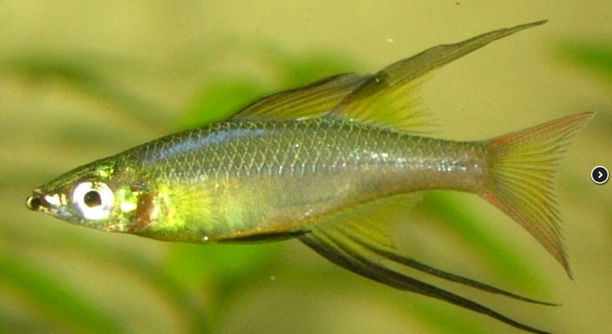
Do you ever notice your Threadfin Rainbowfish darting quickly when food is introduced, seemingly aware of others nearby? These small, colorful fish often display lively behavior that can make feeding time surprisingly interactive. Their movements are captivating and playful.
Threadfin Rainbowfish exhibit a measurable response to the presence of other fish during feeding, adjusting their speed and foraging patterns when competition for food is perceived. This behavior indicates an innate awareness of resource availability and social dynamics.
Observing these interactions reveals more than just feeding habits. Their reactions shed light on natural instincts and help maintain a healthy, balanced aquarium environment for all fish.
Understanding Feeding Behavior in Threadfin Rainbowfish
Threadfin Rainbowfish display unique feeding behavior that reflects both instinct and social awareness. When food is introduced, they often swim rapidly toward it, but their speed and focus change depending on how many other fish are present. In groups, some fish may dart aggressively to secure food, while others hang back, waiting for an opening. This variation in behavior demonstrates an understanding of competition without conscious thought. The fish also adjust their position in the tank, moving closer to the source of food or maintaining a safer distance based on perceived threats. Over time, patterns emerge that indicate which individuals are bolder and which are more cautious. Observing these interactions can help aquarists predict feeding habits, improve tank management, and ensure that all fish receive proper nutrition. Even minor changes in feeding routines can affect their behavior, making careful observation crucial for a balanced aquarium ecosystem.
This behavior is influenced by both environment and social structure within the tank, showing a subtle hierarchy during feeding times.
Studying Threadfin Rainbowfish in this context provides insight into their instincts and adaptive behavior. Fish that are consistently first to feed tend to be dominant, while slower fish rely on timing and strategy. Tank size, water conditions, and food type all contribute to how competition manifests. Adjusting feeding methods, such as spreading food across multiple areas, can reduce stress and promote healthier growth. Recognizing these patterns allows aquarists to cater to the needs of individual fish, ensuring that even the shyest receive enough nutrition. In addition, tracking feeding behavior over time can reveal changes in health or social dynamics, helping prevent potential conflicts. By understanding these subtle cues, you can create a more stable environment where all fish thrive, balancing natural instincts with human management.
Signs of Competition During Feeding
Competition is visible through chasing, nipping, and rapid movements when food is present. Fish respond differently depending on others nearby.
Monitoring these signs allows aquarists to adjust feeding strategies. Splitting food among multiple locations, observing dominant and shy fish, and ensuring all fish have space can reduce stress. Recognizing and managing these behaviors prevents aggression and promotes a balanced, healthy environment, keeping all fish active and nourished without unnecessary conflict.
Adjusting Feeding Practices
Providing food in multiple spots reduces stress and gives all Threadfin Rainbowfish a fair chance to eat. Spreading flakes or pellets across the tank helps prevent aggressive competition and ensures shy fish receive proper nutrition.
Using varied feeding techniques encourages balanced growth and calmer behavior in the tank. Observing how each fish responds to placement and portion size allows you to refine feeding methods over time. Larger groups may require more frequent feeding sessions or different food types to maintain harmony. Adjustments should be gradual to avoid sudden changes that could disturb the fish or affect water quality. Tracking responses helps identify dominant or timid individuals, guiding better management practices. Consistency, combined with attentive observation, promotes a healthier and more predictable feeding environment.
Monitoring fish behavior while adjusting feeding routines can reveal individual preferences and tendencies. Some may prefer floating food, while others target sinking pellets, and timing also matters. By adapting feeding schedules and techniques to match these natural behaviors, you can reduce stress and competition, improve overall health, and maintain a balanced social dynamic within the tank. Continuous observation ensures each fish’s needs are met, fostering a more stable and cooperative environment that benefits both dominant and less assertive fish.
Recognizing Stress from Competition
Signs of stress include rapid swimming, hiding, and fin nipping. These behaviors indicate imbalance during feeding sessions.
Frequent competition can lead to physical and psychological stress in Threadfin Rainbowfish. Aggressive chasing may injure fins, while shy fish may eat less, resulting in uneven growth or weakened immunity. Maintaining a calm feeding environment is crucial. Observing stress indicators allows timely intervention, such as adjusting food quantity, distribution, or tank layout. Reducing stress not only improves overall health but also enhances natural behavior, promoting a more stable and balanced tank dynamic. Consistency in monitoring helps identify changes in social hierarchy, ensuring long-term well-being of all fish.
Social Hierarchy Effects
Dominant Threadfin Rainbowfish often eat first and secure the best feeding spots. Subordinate fish wait their turn, adjusting speed and position to avoid conflict.
Over time, this hierarchy becomes clear. Dominant fish may chase others lightly, while shy individuals learn to wait or eat in less crowded areas. Recognizing this pattern helps manage feeding effectively.
Tank Size and Competition
Smaller tanks increase competition as fish have limited space to move and access food. Crowding can intensify aggressive behavior and stress, affecting overall health. Adjusting tank size or reducing the number of fish helps maintain balance and ensures all individuals feed comfortably.
Food Type Influence
Threadfin Rainbowfish respond differently to flakes, pellets, and live foods. Some prefer floating food, while others target sinking types, affecting how competition plays out during feeding sessions.
Observing Long-Term Behavior
Tracking feeding interactions over weeks reveals patterns in dominance, speed, and strategy. Understanding these trends allows aquarists to adjust care routines, improving health, reducing stress, and maintaining a stable social environment for all fish.
FAQ
Can Threadfin Rainbowfish sense when food is limited?
Yes, Threadfin Rainbowfish respond to changes in food availability. When food is scarce, they become more alert and swim faster toward feeding areas. Dominant fish may rush first, while less assertive fish wait for opportunities, showing an instinctive awareness of limited resources. This behavior ensures that stronger fish secure food while more cautious individuals adapt to the feeding hierarchy. Adjusting feeding methods can help reduce stress and allow all fish to get adequate nutrition.
How can I prevent aggressive behavior during feeding?
Aggression can be minimized by spreading food across multiple locations in the tank. This reduces competition and allows shy fish to feed without interference. Using a mix of floating and sinking foods also helps, as it accommodates different feeding preferences. Regularly observing interactions helps identify dominant and timid fish, so adjustments can be made quickly. Maintaining proper tank size and not overcrowding the aquarium further reduces conflict, creating a calmer feeding environment.
Do Threadfin Rainbowfish remember past feeding interactions?
These fish exhibit memory related to feeding routines. They learn which areas of the tank consistently have food and may adjust their behavior based on previous experiences. Fish that were previously outcompeted may wait for dominant individuals to finish before approaching, showing adaptive strategies. Over time, predictable feeding patterns help reduce stress, as fish can anticipate timing and placement of meals. This memory also allows aquarists to plan feeding methods that minimize competition.
Is feeding frequency important for reducing competition?
Yes, feeding frequency plays a critical role in reducing competition. Multiple smaller feedings throughout the day prevent sudden rushes and ensure all fish access food. Large, infrequent feedings increase stress, as dominant fish may consume more while others eat less. Gradual adjustments to frequency can improve social balance, maintain steady growth, and support long-term health. Observation is key to finding the optimal schedule for your tank.
Can tank size influence competition for food?
Tank size directly affects how fish interact during feeding. Smaller tanks increase encounters and stress, as limited space restricts movement and access to food. Larger tanks allow more freedom, enabling timid fish to eat without interference. Adjusting population density and providing hiding spots or feeding zones can reduce tension. Proper tank management ensures that feeding times remain calm and that all fish receive adequate nutrition.
Do environmental factors affect feeding behavior?
Water temperature, lighting, and decorations can influence feeding dynamics. Fish may behave more aggressively if water conditions are suboptimal or if hiding spots are limited. Maintaining consistent water quality and providing sufficient space helps balance behavior. Even small adjustments, such as placing food near different plants or structures, can reduce competition and allow all fish to feed comfortably.
How do I know if a fish isn’t getting enough food?
Signs include slower growth, thinner appearance, or increased hiding during feeding. Timid fish may avoid areas where dominant fish are active. Monitoring individual fish, providing multiple feeding spots, and adjusting food types can help ensure all fish are nourished. Early intervention prevents long-term health issues and maintains a stable social environment in the tank.
Can mixing food types help reduce competition?
Yes, offering a variety of food types accommodates different feeding strategies. Some fish prefer floating flakes, others sinking pellets, and live or frozen foods may appeal to more active fish. Distributing different food types in separate locations reduces rushes to a single area, minimizing conflict. Over time, this approach encourages calmer behavior and ensures balanced nutrition for all fish.
Does observing feeding behavior benefit long-term care?
Careful observation provides insight into hierarchy, stress, and individual preferences. Noting who feeds first, who waits, and who struggles helps aquarists adjust routines. These adjustments improve health, reduce aggression, and foster a stable tank environment. Consistent monitoring allows proactive changes before problems escalate, ensuring the well-being of every fish.
Are there signs that competition is affecting fish health?
Yes, repeated chasing, fin nipping, and uneven growth indicate stress from competition. Shy fish may eat less, while aggressive fish may dominate resources. Recognizing these signs early allows adjustments to feeding methods, tank layout, or population density. Addressing competition promptly ensures all fish remain healthy, active, and stress-free.
What is the best way to introduce new fish without increasing competition?
Introduce new fish gradually and provide ample space for feeding. Adding new food zones or hiding spots helps minimize aggression and allows newcomers to establish themselves without being immediately outcompeted. Careful monitoring during the first weeks ensures the new dynamic does not negatively impact established fish. Patience and observation are key to maintaining balance.
How does social behavior influence feeding order?
Dominant fish consistently access food first, while subordinate fish adapt their timing and approach. Some fish use strategy, waiting for openings to avoid conflict. Recognizing these social patterns helps manage feeding methods, ensuring all fish are accommodated. Adjusting food placement and timing can support both dominant and timid individuals.
Can altering the feeding method improve harmony?
Yes, changing feeding techniques, such as hand-feeding, multiple drop points, or different food types, reduces competition. This allows timid fish to access food without confrontation and provides more control over distribution. Gradual changes prevent sudden stress and encourage calmer, more cooperative behavior in the tank.
How do I track changes in feeding behavior over time?
Keep a log of feeding times, locations, and fish responses. Note which individuals dominate or avoid food and any signs of stress. Tracking patterns allows you to make informed adjustments to feeding strategies, tank setup, or population balance, ensuring long-term health and stability.
Can competition be completely eliminated?
While natural instincts mean some competition will always exist, careful management minimizes stress. Multiple feeding spots, varied food types, proper tank size, and monitoring social behavior reduce conflicts. The goal is not elimination but creating an environment where all fish can feed safely and maintain good health.
Do different life stages affect competition?
Yes, juveniles may be outcompeted by adults, requiring more dispersed feeding or specialized zones. Understanding growth stages helps plan feeding strategies to accommodate size differences and ensure all fish thrive. Adjustments in food type and placement help maintain balance as fish mature.
How important is observation compared to changing tank setup?
Observation is equally important. While tank adjustments improve access and reduce conflict, monitoring behavior provides insight into individual needs, social hierarchy, and stress levels. Combining careful observation with environmental changes ensures a healthier, more balanced feeding environment.
Are there signs that shy fish are thriving despite competition?
Yes, consistent eating, normal growth, and active swimming in less crowded areas indicate shy fish are adapting well. Providing multiple feeding zones and observing responses ensures these individuals remain healthy and integrated within the social structure.
How do I adjust feeding if a dominant fish becomes overly aggressive?
Provide additional feeding areas or scatter food widely to reduce monopolization. Observing interactions and temporarily separating aggressive individuals can restore balance. Gradual adjustments prevent stress and maintain fairness, allowing all fish to feed adequately while protecting weaker or shy individuals.
Can stress from competition affect breeding behavior?
Yes, high stress from feeding competition can reduce spawning or caring for fry. Minimizing competition, ensuring sufficient nutrition, and providing calm feeding conditions supports natural breeding behavior and overall reproductive health.
Is there an optimal number of fish for minimal competition?
Tank size, fish size, and feeding strategy determine the ideal number. Overcrowding increases stress, while a balanced population allows natural social behavior without excessive conflict. Observing feeding interactions helps define the right number for your setup.
Can changing food type over time help maintain harmony?
Yes, rotating flakes, pellets, or live foods prevents monotony and allows different feeding strategies to coexist. This reduces repeated confrontations over a single food source and supports a calmer, more balanced social dynamic in the tank.
How long does it take for fish to adapt to a new feeding strategy?
Adaptation varies but usually occurs over days to weeks. Gradual implementation, consistent observation, and adjustments based on responses ensure a smoother transition, reducing stress and maintaining healthy social interactions among all fish.
Does feeding in groups affect shy fish differently than solitary feeding?
Yes, shy fish may hesitate to approach when many fish feed simultaneously. Multiple feeding spots or smaller portions help them eat without intimidation. Observing these responses allows adjustments that support balanced nutrition and reduce stress in group settings.
What role does water quality play in feeding competition?
Poor water quality can increase stress and aggression during feeding. Maintaining proper temperature, pH, and cleanliness promotes calm behavior, allowing fish to focus on eating rather than responding to discomfort or environmental stressors.
How often should I review feeding strategies?
Regular review every few weeks ensures strategies remain effective as fish grow or social dynamics shift. Adjusting placement, portion sizes, and food types based on observations maintains harmony and supports healthy growth.
Can shy fish ever overtake dominant fish in feeding?
Yes, some individuals learn timing and strategy to access food while avoiding conflict. Understanding these behaviors allows aquarists to create conditions that enable equal access for all fish without compromising the social structure.
How do I know if changes in feeding strategy are effective?
Look for calmer interactions, reduced chasing, and consistent growth among all fish. If shy individuals eat normally and dominant fish no longer monopolize resources, the adjustments are working. Continuous observation ensures long-term success.
Is it necessary to separate aggressive fish permanently?
Permanent separation is rarely required if feeding strategies are adjusted. Temporary measures, such as scatter feeding or partial barriers, often restore balance while allowing all fish to coexist and feed adequately.
Can competition be beneficial for fish health?
Moderate competition encourages active swimming and natural instincts but must be balanced. Controlled challenges improve fitness without causing stress or injury, contributing to overall well-being in a well-managed tank.
Does age affect competition levels?
Older, larger fish tend to dominate younger, smaller individuals. Adjusting feeding zones and portion sizes accommodates growth differences, ensuring all fish are nourished and social dynamics remain stable.
How important is consistency in feeding routines?
Consistency reduces stress and predicts social interactions. Regular timing and placement allow fish to anticipate feeding, minimizing conflict and promoting balanced behavior across dominant and shy individuals.
What adjustments help when multiple tanks are involved?
Each tank may have different dynamics. Observing and applying consistent feeding principles—adequate space, multiple food zones, and varied food types—ensures harmony across separate groups. Sharing strategies across tanks can improve overall management.
How do I balance food quantity with competition control?
Provide enough food for all fish without overfeeding. Excessive food can pollute water, while insufficient amounts increase stress and aggression. Gradual observation-based adjustments maintain balance, health, and social stability in the tank.
Can certain fish personalities affect competition levels?
Yes, naturally bold or assertive fish often dominate feeding, while timid individuals wait or avoid conflict. Recognizing personality types helps tailor feeding strategies, food placement, and timing to accommodate all fish.
Do seasonal changes influence feeding competition?
Temperature and light variations can affect metabolism and activity levels, impacting feeding behavior. Adjusting feeding frequency, portion sizes, or food types during seasonal shifts helps maintain harmony and ensures all fish receive proper nutrition.
Is manual feeding better than automated feeders for managing competition?
Manual feeding allows observation and precise distribution, helping address dominance or timid behavior immediately. Automated feeders provide convenience but may increase competition if all food drops at once. A combination often works best.
How can observation improve long-term aquarium health?
Careful monitoring identifies stress, aggression, and feeding imbalances early. This proactive approach allows timely adjustments to routines, tank setup, and population management, ensuring stable social dynamics and the long-term well-being of all fish.
Do lighting conditions affect feeding dynamics?
Bright or inconsistent lighting can increase stress, favoring dominant fish and discouraging shy individuals. Consistent, moderate lighting helps all fish feed comfortably and reduces aggressive encounters.
Can dietary supplements influence competition?
Providing nutrient-rich or high-value foods can temporarily increase competition, but proper distribution and moderation ensure all fish benefit. Supplements support growth, coloration, and overall health without causing excessive stress during feeding.
Are there common mistakes that increase feeding competition?
Yes, overcrowding, limited feeding zones, single food type, and irregular schedules all intensify competition. Correcting these factors through observation and adjustment reduces stress and ensures balanced nutrition for every fish.
Is it normal for competition to fluctuate daily?
Yes, minor fluctuations occur depending on fish mood, environment, and previous feeding success. Regular observation helps identify trends and prevent escalating aggression, keeping feeding times calm and effective.
Does introducing live food change competition behavior?
Live food often triggers more rapid, competitive behavior due to movement and appeal. Distributing live food across multiple zones and combining it with other types reduces conflict while stimulating natural hunting instincts.
How do I maintain fairness in mixed-species tanks?
Different species may have varying feeding strategies and speed. Multiple food zones, size-appropriate portions, and varied food types allow coexistence, preventing one species from dominating and ensuring equitable access for all fish.
Can competition be used to encourage activity?
Controlled competition can stimulate swimming and natural foraging behavior. Ensuring it does not escalate into stress or aggression provides physical and mental benefits while maintaining a stable feeding environment.
How do I adapt feeding for fish recovering from illness?
Separate or target-feed recovering fish to ensure proper nutrition. Adjusting food placement and timing reduces competition, supports recovery, and prevents stress from dominant individuals monopolizing resources.
Is it possible to predict which fish will dominate?
Yes, boldness, size, and prior behavior indicate likely dominant fish. Monitoring these traits helps plan feeding strategies to minimize conflict and ensure all fish receive adequate nutrition.
Can tank decorations help reduce feeding conflict?
Yes, plants, rocks, and hiding spots provide areas for shy fish to access food safely. Thoughtful decoration placement reduces direct competition and allows all fish to feed without excessive stress.
How do I handle sudden changes in fish behavior during feeding?
Immediate observation helps identify causes, such as illness, overcrowding, or environmental stress. Adjust feeding zones, portion sizes, or tank layout as needed to restore calm behavior and maintain balanced nutrition.
Are there benefits to varying feeding times?
Staggering feeding times can reduce peak competition and allow shy fish to eat without interference. Consistency combined with variation helps maintain social balance and ensures all fish access food adequately.
How do I maintain long-term harmony in the tank?
Observation, proper tank size, multiple feeding zones, varied food types, and consistent routines all work together. Addressing aggression, stress, and dominance early prevents long-term issues and supports a stable, healthy environment for all fish.
Does age, size, or number of fish require ongoing adjustments?
Yes, as fish grow or populations change, feeding methods must adapt. Observing social dynamics and adjusting feeding zones, portion sizes, and food types ensures all fish continue to receive adequate nutrition without excessive competition.
Can competitive behavior ever indicate health problems?
Unusual aggression or avoidance may signal illness, poor water conditions, or nutritional deficiencies. Observing feeding behavior alongside physical health helps detect problems early, allowing timely intervention to protect all fish.
How important is patience when managing feeding competition?
Patience is crucial. Gradual adjustments, consistent observation, and careful planning prevent stress, ensure fair access to food, and maintain a balanced social structure, supporting long-term health and stability in the tank.
Does the presence of a mirror affect competition?
Mirrors can exaggerate perceived competition, as fish react to their reflection. Avoid prolonged exposure, as it may increase stress and aggressive behavior, impacting feeding dynamics and overall well-being.
Are there tools to assist in managing competition?
Yes, feeding rings, multiple feeders, and portion control devices help distribute food evenly. Observing responses to these tools allows refinement of techniques to suit individual fish and tank dynamics.
Can behavioral enrichment reduce feeding stress?
Providing variety in feeding methods, food types, and placement encourages natural behavior while minimizing aggression. Enrichment keeps fish active and engaged, reducing tension during feeding sessions and supporting overall health.
How do I know when to adjust feeding strategies?
Signs include aggression, uneven growth, or frequent hiding. Observing social interactions and stress responses indicates when adjustments are needed to ensure equitable access and maintain tank harmony.
Does feeding position influence competition?
Yes, fish near preferred spots may dominate. Distributing food evenly across multiple areas allows shy or smaller fish to feed safely, reducing stress and promoting balanced nutrition.
Are competition patterns stable over time?
Patterns often stabilize once hierarchy is established, but changes in tank population, size, or health can shift dynamics. Regular observation ensures strategies remain effective and all fish continue to feed adequately.
Can training fish to feed in specific areas reduce competition?
Yes, consistently placing food in designated zones encourages fish to approach specific spots rather than crowding a single area. Over time, this reduces stress and promotes equitable access for all individuals.
Is individual observation more effective than group monitoring?
Individual observation highlights shy or struggling fish that may be missed in group monitoring. Tracking each fish ensures feeding strategies address everyone’s needs and reduce stress or competition.
Do feeding patterns differ between males and females?
Sometimes, males may show more assertive behavior during feeding, particularly if establishing dominance. Recognizing these differences helps balance access and maintain harmony between genders in the tank.
Can water flow affect competition?
Yes, strong currents may favor stronger swimmers who dominate feeding areas. Adjusting flow or placing food in calmer zones allows all fish to access food without excessive stress or conflict.
Is it necessary to document feeding behavior?
Documenting feeding behavior helps track growth, stress, and social dynamics. Logs provide insight into trends, allowing proactive adjustments to maintain fairness, health, and a stable tank environment.
Can competition encourage natural hunting instincts?
Yes, controlled competition and varied food types stimulate natural foraging behavior. Ensuring balance prevents stress while encouraging activity, benefiting both physical fitness and mental stimulation for all fish.
How do I balance aggression and nutrition?
Provide multiple feeding zones, spread food, observe interactions, and adjust portions. This approach ensures all fish receive adequate nutrition without escalating aggression, maintaining a stable and healthy environment.
Do feeding strategies need seasonal adjustments?
Yes, metabolism and activity can vary with temperature and light changes. Adjusting food type, portion size, or frequency helps maintain balance and reduces competition throughout the year.
Can competitive behavior be used to monitor fish health?
Yes, changes in feeding response, aggression, or avoidance can indicate illness or stress. Monitoring competition provides early warnings, allowing timely intervention and ensuring the health of all fish.
Does the presence of other species affect competition?
Yes, different species may feed faster, slower, or more aggressively. Adjusting food placement and quantity ensures equitable access and reduces dominance conflicts between species sharing the same tank.
Are shy fish always disadvantaged?
Not always. Shy fish can adapt by timing their approach or feeding in less crowded zones. Proper observation and feeding adjustments ensure they receive sufficient nutrition and thrive alongside more assertive fish.
Can overfeeding reduce competition?
Overfeeding may reduce competition temporarily but can pollute water and harm health. Controlled feeding with
Threadfin Rainbowfish are lively and social creatures whose behavior during feeding reveals much about their instincts and interactions. They naturally adjust their movements based on the presence of other fish, demonstrating awareness of competition and hierarchy. Dominant individuals often take the lead in accessing food, while more cautious fish wait or approach alternative feeding areas. Understanding this dynamic is essential for anyone keeping these fish, as it allows for careful management of feeding routines and ensures that all individuals receive proper nutrition without unnecessary stress. Observing feeding behavior regularly can provide insight into both individual personalities and the overall social structure of the tank, helping aquarists create a balanced environment where all fish can thrive.
Adjusting feeding practices is a key component in managing competition. Providing food in multiple locations and using a variety of food types accommodates different feeding preferences and strategies, reducing aggressive behavior. Timing and portion sizes also play an important role, as frequent smaller feedings prevent sudden rushes and allow shy fish to access food safely. Tank size and decoration influence behavior as well. Larger tanks provide more room for fish to maneuver, while plants and hiding spots offer safe areas for timid fish to feed without conflict. By combining thoughtful feeding strategies with observation, aquarists can minimize stress, encourage natural behavior, and maintain healthy growth across all fish. Small adjustments, like scattering food or rotating the types of feed, can have a significant impact on the overall harmony of the aquarium.
Long-term observation and management are essential for maintaining a stable environment. Tracking feeding interactions over time helps identify dominant and subordinate fish, reveal shifts in hierarchy, and detect signs of stress or illness early. Adjustments to food placement, portion sizes, and feeding frequency can then be made proactively to maintain balance. Understanding these behaviors also supports overall health, as fish that are consistently stressed or unable to access food may experience weakened immunity or slowed growth. Ensuring that every fish receives adequate nutrition promotes longevity and a healthier, more active tank. Ultimately, paying attention to feeding behavior, social interactions, and environmental factors allows aquarists to create a calm and supportive environment where Threadfin Rainbowfish can display their natural behaviors while thriving physically and socially. This careful approach not only improves feeding efficiency but also enhances the enjoyment of observing these vibrant and dynamic fish over time.

Hello,
If you enjoy the content that we create, please consider saying a "Thank You!" by leaving a tip.
Every little bit helps us continue crafting quality advice that supports the health, happiness, and well-being of pets around the world, for pets of all shapes, sizes, and species.
We really appreciate the kindness and support that you show us!