
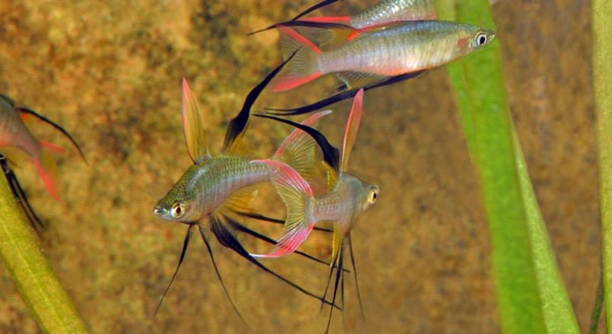
Do you ever find yourself feeling unsure about the proper care of threadfin rainbowfish, especially when so many tips seem confusing or even contradictory?
There are several common misunderstandings about threadfin rainbowfish care, often leading to stress or poor health in these delicate fish. Misconceptions typically arise from misinformation, oversimplified advice, or confusion about their natural environment and specific requirements.
Understanding these points more clearly will help you avoid mistakes and give your threadfin rainbowfish a healthier, stress-free environment.
Misunderstanding One: Threadfin Rainbowfish Are Easy to Care For
Many people assume that threadfin rainbowfish are simple to look after, but their needs are a bit more specific than most realize. While they are small and peaceful, their requirements extend beyond the basics of feeding and water changes. Threadfins thrive in carefully maintained aquariums with stable conditions, clean water, and appropriate companions. Because they are sensitive, small changes in water quality or temperature can affect them quickly. They also need space to swim freely, as they are active and social fish. Overlooking these factors can cause stress, fading colors, or even illness.
The belief that they are “easy” pets often leads to overlooking small details, but those details make the biggest difference in their care.
Caring for threadfin rainbowfish requires more patience and attentiveness than many expect, but the reward is seeing their graceful swimming and vibrant colors flourish under proper conditions.
Misunderstanding Two: Threadfin Rainbowfish Can Live in Any Tank Setup
It is often thought that threadfin rainbowfish can adapt to any tank environment, but this is not the case at all.
Threadfin rainbowfish need very specific conditions to thrive, and this begins with their environment. They prefer soft, slightly acidic water and a gentle current, similar to their natural habitats. A heavily planted aquarium is also important, as it provides them with security and helps reduce stress. Tankmates must be chosen carefully since threadfins are peaceful and can be easily bullied by more aggressive fish. The size of the tank matters as well; they require room to swim in groups, as they are schooling fish. A cramped or poorly planned tank often leads to frustration and health problems. Proper filtration, stable water parameters, and thoughtful aquascaping are essential. When these needs are met, threadfins display their best colors and exhibit more natural, relaxed behavior, making them truly enjoyable to care for.
Misunderstanding Three: Threadfin Rainbowfish Eat Anything
Threadfin rainbowfish are often thought to accept any food, but they need a balanced diet to remain healthy. Poor feeding habits can lead to dull colors, weak immunity, and shorter lifespans, making proper nutrition an essential part of their care.
A common mistake is feeding only generic flakes or pellets without variety. While they may nibble at these, threadfins thrive best when offered a mix of high-quality dry food, live food, and frozen options. Small insects, daphnia, or baby brine shrimp help support their delicate size and active nature. Without these nutrient-rich foods, they may not show their full potential. Careful feeding with smaller portions throughout the day works best, as it mimics their natural feeding habits. Providing variety ensures they develop strong immune systems, display brighter colors, and remain active and social in the aquarium.
It is also important to avoid overfeeding, as threadfins have small stomachs and produce waste quickly. Uneaten food can decay in the tank, causing harmful spikes in ammonia or nitrites. Feeding in moderation keeps both the fish and the water quality healthy. A consistent routine with high-quality food choices is the simplest way to support their long-term well-being and help them thrive beautifully.
Misunderstanding Four: Threadfin Rainbowfish Do Not Need Groups
Threadfin rainbowfish are schooling fish and feel safest in groups. Keeping them alone or in pairs often causes stress and timid behavior, preventing them from showing their natural beauty and lively movements in the aquarium.
They thrive when kept in groups of at least six or more, as this allows them to interact naturally and display their peaceful social dynamics. A group helps them feel secure, reducing the chance of hiding or becoming inactive. With more companions, their natural colors also appear brighter, since they use their shimmering fins to communicate with one another. When kept alone, they can become stressed, eat less, and show faded coloration. Ensuring they have enough space and the right number of companions creates a more active and harmonious tank. Healthy group dynamics are key to seeing their true personalities and maintaining their overall well-being.
Misunderstanding Five: Threadfin Rainbowfish Tolerate Strong Currents
Threadfin rainbowfish have delicate fins that can be damaged in tanks with strong water flow. A gentle current is far better, allowing them to swim gracefully without exhaustion or risk of injury.
Stronger currents also cause stress, making them hide more often. Choosing adjustable filtration and soft water movement helps them feel secure and remain active.
Misunderstanding Six: Threadfin Rainbowfish Do Not Require Stable Water Conditions
Threadfin rainbowfish are sensitive to changes in water quality, and unstable conditions can harm them quickly. Sudden shifts in pH, temperature, or hardness often lead to stress, disease, and even loss. A stable environment is essential for their long-term health. Regular testing and water changes help maintain balance, while careful acclimation during transfers prevents shock. Monitoring consistency is as important as feeding, since even small fluctuations can weaken them. By prioritizing steady conditions, their natural beauty and vibrant colors become more noticeable, and they display more confident behavior within the aquarium.
Misunderstanding Seven: Threadfin Rainbowfish Do Not Breed in Home Aquariums
Threadfin rainbowfish can breed successfully in carefully prepared aquariums. With proper water conditions, live plants, and a balanced diet, spawning often occurs, and their delicate fry can be raised with patience and attentive care.
FAQ
How big do threadfin rainbowfish grow?
Threadfin rainbowfish remain quite small, usually reaching around two inches in length when fully grown. Their petite size makes them ideal for peaceful community tanks, but it also means they are delicate and need careful handling.
What tank size is best for threadfin rainbowfish?
A tank of at least 15 to 20 gallons is recommended, especially if keeping them in a school. They need swimming space and room for plants. A larger tank is always better since it provides stability in water conditions.
Can threadfin rainbowfish live with aggressive fish?
They should not be kept with aggressive or fin-nipping species. Their long, delicate fins make them easy targets. Instead, they do best with other gentle fish such as small rasboras, peaceful tetras, or dwarf corydoras.
What temperature do threadfin rainbowfish prefer?
They thrive in warm water ranging between 75 and 82 degrees Fahrenheit. Consistent temperature is important since sudden drops or fluctuations can stress them. Using a reliable heater helps maintain the steady warmth they require.
Do threadfin rainbowfish need a specific pH level?
Yes, they prefer slightly acidic to neutral conditions, with a pH around 6.0 to 7.0. This range reflects their natural environment. Testing water regularly ensures it stays stable, which is crucial for their health and comfort.
What kind of food is best for threadfin rainbowfish?
They enjoy a varied diet of micro-pellets, crushed flakes, and frozen or live foods like baby brine shrimp and daphnia. A mix of dry and live foods brings out their best colors and supports their immune system.
How often should threadfin rainbowfish be fed?
It is better to feed them small portions multiple times a day instead of one large feeding. Their small stomachs cannot handle too much food at once, and frequent feeding keeps their energy and colors strong.
Are threadfin rainbowfish schooling fish?
Yes, they are happiest in groups of six or more. Schooling reduces their stress and helps them display natural behaviors. When kept in proper groups, they interact more, show brighter colors, and remain more active in the tank.
Do threadfin rainbowfish breed in captivity?
They can breed in aquariums when conditions are right. Males often display their fins to impress females. Spawning usually happens in planted tanks. The eggs are delicate, and the fry require special care with tiny foods like infusoria or baby brine shrimp.
How long do threadfin rainbowfish live?
With proper care, they generally live three to five years. Stable water conditions, a balanced diet, and a peaceful tank environment contribute to a healthier, longer life. Stress and poor care often shorten their lifespan significantly.
Do threadfin rainbowfish jump out of tanks?
Yes, they are capable of jumping, especially if startled. A secure lid or cover is important to prevent accidents. Leaving even small gaps can put them at risk, so a properly fitted cover is always recommended.
What lighting is best for threadfin rainbowfish?
Moderate lighting works best, especially when paired with live plants. Too much bright light can stress them, while plants help create shaded areas. Balanced lighting also brings out their shimmering colors and creates a more natural look in the tank.
How can stress be reduced for threadfin rainbowfish?
Keeping them in groups, providing plenty of plants, and maintaining stable water conditions all help lower stress. Avoid sudden changes in the tank and keep noise or movement around the aquarium gentle, as they are sensitive fish.
Are threadfin rainbowfish sensitive to disease?
Like most delicate fish, they are vulnerable to common illnesses if stressed or kept in poor water quality. Clean water, a proper diet, and avoiding overcrowding are key preventive steps. Quarantining new fish also helps protect them from infections.
Do threadfin rainbowfish get along with shrimp?
They can live peacefully with small shrimp species such as cherry shrimp or Amano shrimp. However, baby shrimp may occasionally be eaten, so providing hiding spaces for shrimp is useful if breeding shrimp in the same tank.
Can threadfin rainbowfish be kept with snails?
Yes, peaceful snails such as nerite or mystery snails make suitable tankmates. Snails also help with algae control, making them a good addition to a planted tank with threadfin rainbowfish.
What are common signs of stress in threadfin rainbowfish?
Common stress indicators include faded colors, hiding, clamped fins, or loss of appetite. If these signs appear, it usually means water quality, diet, or tank conditions need attention. Addressing issues quickly helps them recover and remain healthy.
How can water quality be maintained for threadfin rainbowfish?
Weekly water changes of about 25 to 30 percent are essential. Using a gentle filter, avoiding overfeeding, and testing water regularly are also important. Stable, clean water is the foundation of keeping these fish healthy and active.
Why do threadfin rainbowfish sometimes lose their color?
Color fading often happens due to stress, poor diet, or bad water quality. Improving their environment, feeding them nutrient-rich food, and keeping them in groups usually restores their colors. Healthy, happy threadfins display bright fins and graceful movement.
Final Thoughts
Caring for threadfin rainbowfish may seem complicated at first, but with time, patience, and the right knowledge, it becomes much easier. These fish are delicate, yet they reward careful attention with beautiful colors and peaceful behavior. By avoiding common misunderstandings, you not only keep them healthy but also enjoy their presence in a calm, thriving aquarium. They are not the kind of fish that can simply be placed in a tank and forgotten about. Instead, they require a stable, balanced environment, gentle companions, and a diet that supports their needs. When these elements come together, threadfins truly show why they are admired by so many aquarists.
The key to keeping them well is consistency. Stable water conditions, clean surroundings, and regular maintenance form the base of their care. Feeding them small, varied meals throughout the day allows their colors to shine and their energy to stay steady. Ensuring they have a group to swim with also helps them feel secure, which brings out their natural social behaviors. Many of the misunderstandings surrounding their care come from treating them as if they were hardier or less sensitive fish. The truth is that their small size and delicate nature mean they need a bit more care than expected. However, this extra effort pays off each time you see them interact gracefully in the tank.
Threadfin rainbowfish can be one of the most rewarding species to keep when their needs are properly understood. They are graceful, peaceful, and visually striking, adding a unique touch to any well-planned community aquarium. Instead of focusing on how challenging they might seem, it is better to view their care as a way of creating balance within your tank. The plants, the water, the lighting, and the food all work together to support them. While they may not be the best choice for someone looking for an extremely low-maintenance fish, they are a wonderful option for aquarists willing to pay closer attention. Over time, this attention becomes routine, and caring for them feels natural rather than demanding. With understanding and steady care, threadfin rainbowfish will thrive, offering both beauty and tranquility in return.

Hello,
If you enjoy the content that we create, please consider saying a "Thank You!" by leaving a tip.
Every little bit helps us continue crafting quality advice that supports the health, happiness, and well-being of pets around the world, for pets of all shapes, sizes, and species.
We really appreciate the kindness and support that you show us!