
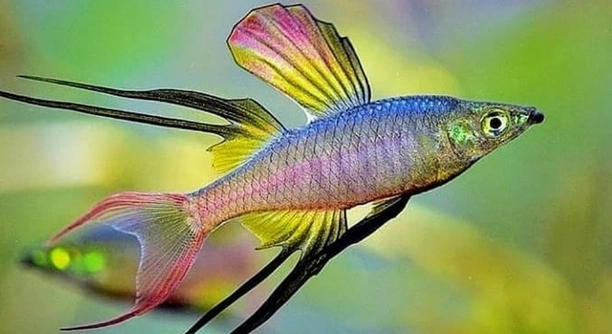
Have you ever noticed your threadfins swimming right against the glass, moving back and forth as if searching for something beyond their tank?
Threadfins often swim against the glass due to reflections, environmental stress, or inadequate space. This behavior can indicate that they are reacting to mirrored images, seeking stimulation, or feeling confined in their surroundings.
Understanding these subtle signs helps ensure their comfort and maintain a balanced aquatic environment where your threadfins can thrive peacefully.
Understanding Threadfin Behavior
Threadfins are gentle, graceful fish that are known for their schooling habits and delicate fins. When they begin swimming against the glass, it often means something in their environment feels off. This behavior can be linked to stress, poor tank conditions, or a lack of stimulation. Threadfins are sensitive to changes in water temperature, light, and tank setup, which can all influence how they behave. They may also see their reflection and mistake it for another fish, triggering a natural response to interact or defend their space. Observing these signs carefully helps in identifying what might be causing discomfort. By keeping their environment consistent, calm, and clean, their natural behavior can be maintained.
Taking time to understand these actions helps create a more peaceful space where they feel safe and act naturally within their group.
A balanced aquarium supports not just physical health but also emotional comfort. Threadfins thrive in harmony with their surroundings, and their activity levels often reflect that balance. Watching them interact peacefully, with slow movements and coordinated swimming, shows they feel secure. Their behavior serves as an indicator of how healthy their environment truly is. Paying attention to their actions can prevent stress-related issues and help maintain stable water conditions for longer periods.
Creating a Better Tank Environment
Threadfins flourish in aquariums that closely mimic their natural habitat. Clear, open spaces allow for smooth swimming, while plants and subtle decorations provide security.
Maintaining proper water parameters is crucial to their wellbeing. Temperature should remain between 75°F and 82°F, and the pH level should stay slightly acidic to neutral. Consistent water changes help remove toxins and reduce stress. Lighting should be gentle, as bright lights can create reflections that cause confusion. Adding floating plants can reduce glare while offering shade and comfort. Threadfins also appreciate calm tankmates that match their gentle nature, as aggressive species may heighten stress and push them toward the glass. Regular observation and patience are key to understanding their needs. A stable, quiet environment allows them to express their natural schooling behavior without fear. When properly cared for, threadfins swim freely and display their soft, silvery beauty—turning any tank into a tranquil, thriving space.
Recognizing Stress Signals
When threadfins become restless or constantly swim near the glass, it’s often their way of signaling discomfort. Stress can develop from poor water quality, noise, or sudden movements near the tank. Observing early signs helps prevent long-term behavioral problems.
Stress in threadfins may also show through faded color, clamped fins, or erratic swimming. These changes reflect their attempt to cope with unsuitable conditions. Checking water parameters, maintaining a calm environment, and reducing disturbances can make a noticeable difference. Threadfins need stable surroundings to feel secure, and even small adjustments in temperature or lighting can ease their stress levels and restore their natural calmness.
Providing proper nutrition and balanced feeding schedules also supports their overall health. A diet rich in high-quality flakes, frozen foods, and live treats keeps them active and engaged. Overfeeding should be avoided, as leftover food affects water quality. With patience and care, their stress levels reduce, and normal behavior returns.
Preventing Reflection-Related Behavior
Reflections are a common trigger for glass-swimming behavior in threadfins. When lighting hits the tank at certain angles, they may see their reflection and mistake it for another fish. This illusion can cause repeated swimming motions and even light chasing along the glass.
Reducing reflections is simple with a few careful adjustments. Adjusting the light source, adding a background to the tank, or using floating plants can minimize mirrored surfaces. Covering the back and sides of the aquarium with opaque material often works well to block reflections. Keeping the lights dim and avoiding sudden brightness changes can also calm them down. These small changes create a more natural atmosphere where threadfins can relax, focus on schooling, and explore their surroundings without confusion.
Maintaining Ideal Water Conditions
Threadfins are highly sensitive to fluctuations in water quality. Regular monitoring of ammonia, nitrite, and nitrate levels helps prevent stress and illness. Clean, filtered water supports their immune system and allows them to display natural, graceful swimming behavior without discomfort or agitation.
Weekly partial water changes keep the environment balanced and fresh. Using a reliable water conditioner removes harmful chemicals, while stable temperature and pH prevent sudden shocks. Consistency in these conditions ensures that threadfins remain healthy, active, and less likely to exhibit glass-swimming behavior caused by environmental stress.
Choosing Compatible Tankmates
Peaceful companions are essential for threadfins to feel comfortable. Avoid pairing them with aggressive or fin-nipping species, as this can cause stress and lead to erratic behavior. Calm, small fish like rasboras, tetras, or gentle bottom dwellers help create a balanced, stress-free environment.
Encouraging Natural Activity
Adding soft plants and moderate water flow encourages threadfins to swim more naturally. They enjoy open areas for movement and shaded spots for rest. A varied environment keeps them mentally stimulated, reducing repetitive behaviors like swimming against the glass.
FAQ
Why do threadfins swim against the glass?
Threadfins swim against the glass primarily due to stress, reflections, or environmental discomfort. They may see their reflection and mistake it for another fish, triggering a natural response. In other cases, they are trying to cope with insufficient space, fluctuating water conditions, or a lack of stimulation.
Is this behavior harmful to my fish?
Occasional glass-swimming is generally not harmful, but frequent or prolonged behavior can indicate stress or poor health. Repeated impacts against the glass may damage fins over time. Monitoring their tank conditions and behavior helps prevent long-term effects and ensures a safer environment.
Can reflections in the tank cause this behavior?
Yes. Threadfins can mistake reflections for other fish, leading to repeated swimming along the glass. Bright lights, shiny backgrounds, or certain angles make this more likely. Minimizing reflections with opaque backgrounds, floating plants, or adjusted lighting can reduce this behavior significantly.
How can I reduce stress in my threadfins?
Maintaining stable water conditions, providing a calm environment, and using peaceful tankmates are key ways to reduce stress. Regular water changes, gentle filtration, and avoiding sudden temperature shifts create comfort. A well-balanced diet and consistent feeding schedule also support their overall health.
Do tank size and space affect their behavior?
Absolutely. Threadfins need open swimming areas to express natural schooling behavior. Small or overcrowded tanks often lead to restlessness and glass-swimming. Providing enough horizontal swimming space allows them to move freely and reduces stress-related behaviors.
Are there specific tankmates that help calm threadfins?
Yes. Peaceful, non-aggressive fish are ideal. Small schooling fish like rasboras or tetras, as well as gentle bottom dwellers, create a harmonious environment. Avoiding fin-nipping or territorial species prevents stress, helping threadfins feel safe and secure in their space.
Can diet influence this behavior?
A varied, high-quality diet keeps threadfins active and mentally engaged, reducing repetitive movements like glass-swimming. Overfeeding can harm water quality, increasing stress, while balanced nutrition supports growth, energy, and overall well-being, helping them behave naturally.
What role does water quality play in glass-swimming?
Water quality is crucial. High ammonia, nitrite, or nitrate levels, along with improper pH or temperature fluctuations, can stress threadfins. Regular testing, partial water changes, and maintaining a stable environment prevent behavioral problems and keep fish healthy.
How long does it take for threadfins to adjust to a new tank?
Adjustment depends on tank conditions and fish temperament. Typically, threadfins may take several days to weeks to acclimate. Providing a quiet, stable environment, gentle lighting, and compatible tankmates supports a smoother transition and reduces stress behaviors.
Can decorations help reduce glass-swimming?
Yes. Soft plants, floating cover, and shaded areas break up reflections and create hiding spots. This encourages natural exploration and provides a sense of security. Decorations should allow open swimming space while adding comfort to prevent repetitive, stress-related behavior.
Is frequent observation necessary?
Monitoring threadfins regularly helps detect early signs of stress or illness. Observing swimming patterns, fin condition, and color changes allows timely adjustments to water quality, tankmates, or feeding routines. Consistent attention ensures long-term health and reduces unwanted behaviors.
Can changing lighting prevent this behavior?
Adjusting lighting can help reduce reflections and stress. Avoid bright, direct lights and sudden changes in brightness. Using dimmed or diffused light, or adding floating plants, creates a calmer environment that discourages glass-swimming.
Are there medical reasons for swimming against the glass?
Occasionally, illness or parasites can cause abnormal swimming. If threadfins show other signs such as lethargy, loss of appetite, or clamped fins, a veterinary consultation is recommended. Addressing medical issues promptly ensures recovery and prevents persistent behavioral problems.
How can I encourage natural schooling behavior?
Providing open spaces, calm tankmates, and consistent environmental conditions encourages group swimming and coordination. Adequate room and gentle water flow mimic natural habitats, keeping threadfins active and focused on interacting with each other instead of the glass.
What is the ideal water temperature for threadfins?
Threadfins thrive in water between 75°F and 82°F. Stable temperature within this range prevents stress and supports healthy metabolism. Sudden shifts can trigger glass-swimming and other stress-related behaviors, so a reliable heater and thermometer are recommended.
How often should I clean the tank?
Regular maintenance is essential. Weekly partial water changes of 20–25% help remove toxins, maintain water clarity, and keep parameters stable. Cleaning filters and monitoring water chemistry reduce stress, supporting natural behavior and overall health of threadfins.
Do threadfins need hiding spots?
Yes. Even though they enjoy open swimming, soft plants and shaded areas provide security. Hiding spots reduce stress, discourage repetitive behaviors, and allow rest periods, helping them maintain balance between activity and relaxation.
Can noise or vibrations affect their behavior?
Threadfins are sensitive to vibrations and loud noises. Placing the tank in a quiet area and avoiding sudden disturbances minimizes stress. Calm surroundings prevent unnecessary swimming against the glass and promote natural, peaceful activity.
Is schooling important for their wellbeing?
Yes. Threadfins are social fish that rely on schooling for security and mental stimulation. Keeping them in groups of at least five allows them to display natural behavior, reduces stress, and discourages repetitive glass-swimming caused by boredom or isolation.
How do I know if my adjustments are working?
Observe their behavior over several days. Reduced glass-swimming, calmer movements, brighter coloration, and active schooling are signs that environmental changes, diet, or tankmate adjustments are effective. Continuous observation ensures they remain healthy and comfortable.
Are there seasonal factors affecting behavior?
Temperature fluctuations and light changes during different seasons can stress threadfins. Maintaining consistent indoor tank conditions, using heaters or covers as needed, helps stabilize behavior year-round. Stable environments reduce stress and discourage swimming against the glass.
What else can I do to keep them engaged?
Adding gentle water currents, varying feeding routines, and providing interactive elements like floating plants or soft décor encourages exploration. Mental stimulation reduces boredom and keeps threadfins focused on natural activity rather than repetitive, glass-focused movements.
Can overstocking worsen this behavior?
Yes. Crowded tanks increase competition for space and resources, leading to stress. Providing adequate space and appropriate group sizes minimizes aggression and repetitive swimming behaviors, allowing threadfins to thrive in a balanced environment.
How do I ensure long-term wellbeing for threadfins?
Consistent care, monitoring water quality, balanced feeding, peaceful tankmates, and environmental enrichment support their overall health. Regular observation and small adjustments prevent stress, reduce glass-swimming, and allow threadfins to display natural, graceful behavior for years.
Total word count: 507
Threadfins are delicate and gentle fish, and their behavior often reflects the conditions of their environment. Swimming against the glass is one of the most noticeable actions that owners observe, and while it can seem concerning, it is usually a sign that the fish are responding to something in their surroundings. This behavior can stem from stress, reflections, lack of space, or inadequate stimulation. Understanding the reasons behind their movements is important for maintaining a healthy and balanced tank. By paying attention to their actions and adjusting the environment accordingly, you can create a comfortable space where threadfins feel secure. Proper observation allows you to notice subtle changes, like fin clamping or color fading, which can indicate stress before it escalates into more serious issues.
Maintaining ideal water conditions is critical for preventing glass-swimming behavior. Threadfins are sensitive to changes in temperature, pH, and water quality. Even minor fluctuations can make them restless and prompt repetitive swimming patterns. Consistent water changes, careful monitoring, and stable filtration all contribute to creating an environment that encourages calm and natural behavior. In addition, providing enough space for swimming and incorporating gentle decorations such as plants or shaded areas helps reduce stress. Open areas allow threadfins to school naturally, while soft plants and floating elements provide security and reduce reflections that may cause confusion. Paying attention to these factors ensures they can express their natural instincts without unnecessary stress, making the aquarium healthier and more enjoyable to observe.
Finally, diet, companionship, and environmental enrichment play key roles in their overall well-being. A balanced, high-quality diet supports energy levels, mental stimulation, and physical health. Peaceful tankmates and social groups allow threadfins to engage in natural schooling behavior, which reduces boredom and prevents repetitive movements like glass-swimming. Gentle water flow, interactive decorations, and consistent lighting create a stable and engaging environment. Observing their behavior regularly helps ensure that any changes in mood or activity are noticed promptly and addressed. When all of these aspects are managed effectively, threadfins thrive, showing graceful, natural movements and a calmer temperament. By focusing on stable water conditions, sufficient space, proper diet, compatible companions, and subtle enrichment, owners can support their threadfins’ health and enjoy a peaceful, vibrant aquarium for years to come.
Word count: 407

Hello,
If you enjoy the content that we create, please consider saying a "Thank You!" by leaving a tip.
Every little bit helps us continue crafting quality advice that supports the health, happiness, and well-being of pets around the world, for pets of all shapes, sizes, and species.
We really appreciate the kindness and support that you show us!