
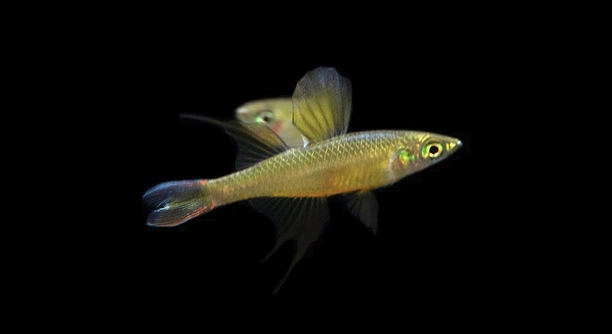
Your Threadfin Rainbowfish adds a splash of color to your tank, but keeping it healthy takes attention. Water temperature plays a crucial role in its comfort and activity, especially during cooler days in your home.
Threadfin Rainbowfish exhibit signs of being too cold when they become lethargic, lose appetite, or display clamped fins. Maintaining stable water temperatures between 74°F and 78°F helps preserve their health, activity, and overall well-being in captivity.
Observing these behaviors early can prevent long-term stress and ensure your fish stays lively and vibrant in its aquarium environment.
Signs Your Threadfin Rainbowfish Is Too Cold
When your Threadfin Rainbowfish feels chilly, it may show subtle behaviors. They often become less active, hovering near the bottom of the tank or hiding behind decorations. Their fins might clump together instead of spreading freely. Appetite usually decreases, and they may refuse food they normally enjoy. Coloration can fade, losing the bright, shimmering tones that make them so striking. You may also notice slower swimming or hesitation when exploring their environment. Even mild temperature drops can cause stress, making fish more vulnerable to disease. Observing these behaviors closely helps you recognize early signs of discomfort. Adjusting water temperature gradually can help them return to normal activity. Consistency is key, as sudden changes can worsen stress. Maintaining proper tank conditions ensures your fish remain healthy, active, and visually vibrant, giving your aquarium a lively and balanced environment.
Monitoring your fish daily allows you to spot changes quickly and address temperature issues before serious health problems occur.
Recognizing cold stress early is essential. By checking their behavior and tank temperature regularly, you can act before illness sets in. Small adjustments, like using a reliable heater or thermometer, create a stable environment. This stability supports feeding, swimming, and reproduction, ensuring long-term vitality. Proper care keeps your Threadfin Rainbowfish lively and colorful, making your tank more enjoyable and visually appealing.
Adjusting Tank Temperature Safely
Increasing water temperature slowly prevents shock and helps your fish adapt comfortably.
When raising the tank temperature, aim for no more than 1–2°F per hour. Sudden changes can stress your fish, weakening their immune system and increasing susceptibility to disease. Use a quality aquarium heater with a thermostat to maintain consistent warmth. Placing a thermometer in a visible spot helps you monitor progress accurately. During the adjustment, keep an eye on fish behavior, ensuring they swim normally and resume feeding. Regular water checks are important because uneven heating or cold spots may occur near decorations or corners. Consider a gradual increase over several hours rather than a sudden jump. Stable, consistent warmth not only prevents stress but also encourages natural activity and vibrant coloration. A well-maintained temperature also supports tank plants and other aquatic life, keeping the entire ecosystem balanced and healthy. Proper monitoring and patience ensure your Threadfin Rainbowfish adapts safely and continues to thrive.
Common Behaviors When Cold
Cold Threadfin Rainbowfish often hover near the bottom or hide. They swim less and may ignore food completely, showing clear signs of stress.
These fish slow down noticeably when temperatures drop. They may cling to decorations or rest on the substrate for longer periods. Appetite usually decreases, and their once-bright colors can appear dull. Fin clamping is common, making them look smaller and less active. Observing these patterns daily helps you identify temperature issues early, allowing you to adjust the tank environment gradually.
Cold conditions also make them more vulnerable to illness. Stress weakens their immune system, increasing the risk of infections. Regular monitoring, maintaining stable water conditions, and gradual temperature adjustments help keep your fish healthy, active, and colorful. Tank consistency is key to preventing long-term problems.
Maintaining Stable Temperature
A reliable heater with a thermostat prevents sudden drops or spikes in water temperature, keeping fish comfortable.
Gradual adjustments are essential. Sudden warming can shock the fish, causing stress or even injury. Checking your thermometer regularly ensures the tank stays within the ideal 74°F–78°F range. Avoid placing decorations or plants in spots that block heat circulation, as cold pockets can form. Regular maintenance, like cleaning filters and monitoring water quality, also contributes to stable conditions. Even minor fluctuations can affect behavior, so patience and careful observation are necessary.
Stable water temperature supports overall fish health. Active swimming, normal feeding habits, and vibrant colors all depend on consistent warmth. Threadfin Rainbowfish thrive when conditions remain predictable, reducing stress and promoting longevity. Regular monitoring and thoughtful adjustments ensure a healthy, lively aquarium environment that benefits every fish in your care.
Early Warning Signs
Lethargy is often the first sign of cold stress. Fish may stay near the bottom and avoid swimming actively.
Clamped fins and faded colors can follow. Appetite may decrease, making regular feeding times a good opportunity to notice changes.
Monitoring Temperature Consistently
Using a reliable thermometer helps track tank conditions accurately. Check the water several times a day during cooler months. Sudden drops in temperature can stress fish quickly, so frequent readings allow prompt adjustments. Observing behavior alongside temperature ensures any signs of cold stress are caught early. Regular maintenance, like topping off evaporated water with properly warmed water, also helps prevent fluctuations. Keeping a small log of temperature readings and fish activity can reveal patterns, helping you anticipate problems before they escalate. Consistency in monitoring is key to maintaining a healthy environment for Threadfin Rainbowfish.
Feeding Considerations
Cold fish may eat less. Offer small, frequent meals to encourage feeding and maintain energy levels.
FAQ
How do I know if my Threadfin Rainbowfish is too cold?
Signs of cold stress are usually behavioral. Fish may become lethargic, hiding near the bottom or clinging to decorations. Their fins can clamp together, and colors may fade. Appetite often decreases, and they might ignore food. Watching for these changes daily helps you catch temperature issues early.
What is the ideal temperature for Threadfin Rainbowfish?
Threadfin Rainbowfish thrive in water between 74°F and 78°F. Keeping the temperature stable within this range supports normal swimming, feeding, and coloration. Temperatures below 74°F can cause stress, reduce immunity, and slow metabolism. Maintaining stability is as important as hitting the correct number.
Can I raise the temperature quickly if my fish is too cold?
No, sudden temperature changes can shock your fish. Gradual adjustments of 1–2°F per hour are safer. Using a reliable heater with a thermostat helps maintain steady warmth. Monitor behavior during adjustments, ensuring fish swim normally and start feeding again.
What equipment do I need to maintain proper temperature?
A quality aquarium heater with a thermostat is essential. A visible thermometer helps track the water accurately. Avoid placing decorations that block heat flow, and top off evaporated water with pre-warmed water to prevent sudden drops. Regular checks ensure the tank stays stable.
How does cold water affect feeding habits?
Cold water slows metabolism, so fish eat less. They may refuse food entirely when stressed. Offering smaller, frequent meals encourages eating. Monitoring their appetite helps you know if temperature adjustments are needed. Feeding a mix of flakes, pellets, and occasional live food keeps them healthy.
Can cold stress make my fish sick?
Yes, low temperatures weaken the immune system. Fish stressed by cold are more prone to infections like fin rot or fungal issues. Preventing stress through stable water conditions is crucial. Early recognition of lethargy or color fading can reduce the risk of illness.
How often should I check the water temperature?
Daily checks are best, especially during cooler months or if your heater is older. More frequent monitoring helps catch drops caused by evaporation, drafts, or heater malfunctions. Logging temperatures over time can reveal trends and prevent future problems.
Are there other signs of cold stress besides behavior?
Yes, look for slowed gill movement, clamped fins, or faded colors. Fish may also stay in one spot for long periods. Reduced social interaction is another indicator, as cold fish often isolate themselves. Noticing these subtle changes helps you act early.
What should I do if my fish shows severe cold stress?
Increase the temperature gradually, monitor behavior closely, and remove any signs of illness. Quarantining sick fish in a stable environment can help recovery. Ensure the tank has no cold spots, and maintain clean water to prevent secondary infections.
Can plants or decorations affect temperature?
Yes, decorations or plants can create cold pockets where water circulation is poor. Position your heater and thermometer carefully to ensure even heat distribution. Regular observation ensures no part of the tank stays too cold, keeping your fish comfortable.
Is it normal for fish to slow down in cooler rooms?
Some slowing is natural, but prolonged inactivity indicates stress. Adjusting room temperature, using a heater, or moving the tank away from drafts helps maintain a healthy environment. Consistency is key to avoiding long-term problems with growth and activity.
How long does it take for a Threadfin Rainbowfish to recover from cold stress?
Recovery depends on the severity and how quickly temperature is corrected. Mild stress can resolve in a few hours to a day, while prolonged exposure may take several days. Watch for returning appetite, color, and normal swimming as signs of recovery.
Can I prevent cold stress entirely?
Yes, maintaining stable water conditions, using a reliable heater, and monitoring temperature consistently prevent most stress. Regular maintenance, including water changes and filter cleaning, supports overall health, keeping your Threadfin Rainbowfish active and vibrant.
Are young fish more sensitive to cold?
Yes, juveniles are more vulnerable because their immune systems are not fully developed. Keeping the tank stable and avoiding sudden temperature changes is especially important for younger fish. Their feeding habits and activity levels provide early indicators of discomfort.
Does the time of year affect my tank temperature?
Yes, colder months can lower water temperature, especially in poorly insulated rooms. Heating adjustments and monitoring are crucial during these periods. Even small drops can affect behavior, so being proactive helps prevent stress and health problems.
What should I do during power outages or heater failures?
Use a backup heater or move water to a temporary, warm container. Monitor fish closely and avoid drastic temperature changes. Restoring stability as quickly as possible prevents stress and potential illness. Planning for emergencies ensures your fish remain safe.
Can stress from cold affect breeding?
Yes, Threadfin Rainbowfish are less likely to breed in suboptimal temperatures. Stress reduces activity, appetite, and overall health, all of which impact reproduction. Maintaining stable warmth encourages natural behavior and improves the likelihood of successful breeding.
How do I know if my heater is working correctly?
Regularly compare thermometer readings with the heater’s set temperature. If readings fluctuate widely or fail to reach the target, the heater may be malfunctioning. Inspect cords, placement, and calibration to ensure consistent heating. Immediate replacement or repair prevents prolonged cold stress.
Are there signs that my fish has fully recovered?
Full recovery includes bright colors, active swimming, resumed normal feeding, and social interaction with other fish. Fins should spread naturally, and the fish should no longer cling to decorations or the tank bottom. Observing these behaviors indicates successful temperature correction and stress relief.
Can other fish in the tank affect temperature stress?
Yes, aggressive or highly active fish can make colder fish hide more, worsening stress. Ensuring compatible tank mates and providing hiding spots helps minimize additional pressure while temperature is stabilized. Balanced social dynamics support recovery and overall health.
What long-term effects can repeated cold stress have?
Frequent exposure to low temperatures can stunt growth, weaken immunity, and shorten lifespan. Chronic stress may also cause permanent color dulling or behavioral changes. Consistent temperature management and careful monitoring are essential to prevent these long-term consequences.
How do I create a stable routine for my aquarium?
Check temperature daily, maintain filtration, and perform regular water changes. Keep heaters and thermometers visible and reliable. Observe fish behavior at consistent times to detect subtle changes. A stable routine reduces stress, supports health, and keeps Threadfin Rainbowfish active and vibrant.
Are some Threadfin Rainbowfish more sensitive than others?
Individual fish can vary in tolerance. Juveniles, sick, or recently introduced fish are usually more sensitive. Monitoring each fish’s behavior allows tailored adjustments to temperature, feeding, and tank conditions, ensuring the entire group stays healthy and comfortable.
Does diet influence how fish respond to cold?
Yes, well-fed fish recover faster from mild stress. A balanced diet strengthens immunity, providing energy to cope with suboptimal temperatures. Offer high-quality flakes, pellets, and occasional live or frozen foods to maintain resilience during temperature fluctuations.
Can I use a backup thermometer for safety?
Yes, a second thermometer ensures accurate readings and alerts you if the primary device fails. Cross-checking temperatures provides peace of mind and helps maintain consistent conditions for your Threadfin Rainbowfish.
What is the most important takeaway for preventing cold stress?
Consistency is key. Stable temperature, careful monitoring, proper feeding, and a reliable heater create an environment where Threadfin Rainbowfish can thrive. Early detection of changes in behavior or appetite allows intervention before serious health issues arise, keeping your aquarium balanced and lively.
Final Thoughts
Maintaining the right temperature for your Threadfin Rainbowfish is one of the simplest but most important steps to keeping them healthy. These fish rely on a stable, warm environment to stay active, feed properly, and display their natural colors. Even small drops in temperature can make them sluggish, reduce their appetite, and leave them more vulnerable to disease. Observing their behavior daily is key. Lethargy, clamped fins, hiding near the bottom, or faded colors are signs that your fish may be too cold. Catching these signs early allows you to adjust the water gradually, preventing stress and long-term health problems. A reliable heater and thermometer are essential tools, along with regular maintenance and careful monitoring of water conditions. Keeping everything consistent is more effective than making sudden changes, which can shock your fish and create new problems.
Temperature stability also affects feeding and social behavior. Cold fish may refuse food, and juveniles are especially sensitive to drops in warmth. Offering smaller, more frequent meals can help ensure they still get the energy they need while their environment stabilizes. Monitoring how your fish interact with each other can give clues about comfort levels. Fish that normally swim actively but suddenly stay in one spot or hide may need immediate attention. Even decorations and plant placement can affect water flow and temperature, so be mindful of areas where cold pockets may form. Using properly warmed water for top-offs and being aware of drafts or cooler rooms will help prevent sudden changes. Small, consistent efforts go a long way toward keeping Threadfin Rainbowfish healthy and happy in a home aquarium.
A well-maintained tank provides more than just survival—it allows your Threadfin Rainbowfish to thrive. Stable temperatures, proper feeding, and close observation ensure they display bright colors, swim actively, and maintain strong immune systems. Avoiding repeated temperature stress protects their long-term growth and overall well-being. Even minor fluctuations over time can cause chronic stress, leading to faded colors, stunted growth, or illness. By taking the time to monitor water conditions, adjust temperatures gradually, and maintain a consistent routine, you create an environment that supports every aspect of your fish’s life. Consistency, patience, and attention to detail are essential. When you prioritize these factors, your Threadfin Rainbowfish will be lively, healthy, and a vibrant addition to your aquarium for years to come.

Hello,
If you enjoy the content that we create, please consider saying a "Thank You!" by leaving a tip.
Every little bit helps us continue crafting quality advice that supports the health, happiness, and well-being of pets around the world, for pets of all shapes, sizes, and species.
We really appreciate the kindness and support that you show us!