
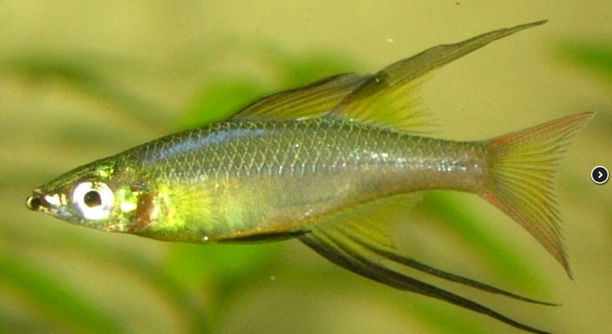
Are you fascinated by the subtle ways fish respond to their surroundings in the water? Threadfins are no exception. These elegant fish exhibit movements that often go unnoticed, yet they reveal much about their behavior and instincts.
Threadfins display a range of unusual reactions to movement, including sudden directional changes, synchronized fin flicks, subtle body tilts, hesitation near objects, rapid darting, surface skimming, and lingering in place. Each reaction reflects a complex combination of sensory perception, predator avoidance, and social interaction.
Observing threadfins closely reveals more than just swimming patterns. Their behaviors offer insight into how they interact with both environment and companions.
Sudden Directional Changes
Threadfins often change direction abruptly, even when swimming calmly. This quick shift can happen in response to small disturbances, such as a shadow overhead or nearby movement in the water. These fish rely heavily on their lateral line system, which detects vibrations and water currents. When they sense something unusual, their instinct is to react immediately. Observing this behavior can be fascinating because it shows how sensitive threadfins are to their environment. These sudden movements help them avoid predators and navigate through tight spaces. In a tank or natural habitat, this reaction can appear almost playful, but it serves a serious purpose for survival. Over time, fish may show preferred patterns, changing direction in predictable ways when certain stimuli appear. This behavior highlights their awareness and quick reflexes. It also indicates that their sensory systems are highly developed, allowing them to detect and respond to threats efficiently. Watching this can be calming yet intriguing at the same time.
Threadfins’ quick turns are essential for avoiding threats and maintaining safety in groups. These shifts happen instinctively and rapidly.
Regular observation of sudden directional changes can reveal individual fish personalities. Some threadfins react more strongly than others, showing variation in sensitivity and decision-making, which can influence social interactions and hierarchy within their group.
Synchronized Fin Flicks
Threadfins often flick their fins in a coordinated manner with nearby fish.
These synchronized movements help maintain group cohesion and communicate readiness or alertness. The flicks are subtle but deliberate, allowing the fish to signal each other without attracting predators. In shoals, synchronized fin movements prevent collisions and ensure smooth navigation through complex environments like reefs or dense vegetation. Scientists have observed that threadfins adjust their flicking patterns based on group size, speed, and surrounding conditions. These signals can indicate curiosity, caution, or even readiness to flee. In captivity, flicking patterns may change depending on tank size and the presence of other species. Watching this behavior closely can give insight into how social fish coordinate actions, maintain order, and communicate non-verbally. Their ability to move in near-perfect unison reflects a combination of instinct, sensory perception, and environmental awareness. This behavior is subtle yet essential for survival, highlighting the intelligence behind their seemingly simple actions.
The flicking of fins acts as a silent language among threadfins. Its subtleties convey information efficiently.
Understanding fin flick synchronization provides insight into shoal behavior, communication methods, and survival strategies. This knowledge is valuable for both researchers and caretakers managing fish groups in controlled or natural habitats, revealing complex social structures.
Subtle Body Tilts
Threadfins tilt their bodies slightly when assessing movement nearby. These tilts allow them to better gauge distances and potential threats in their environment.
Tilting helps threadfins adjust their balance and position relative to water currents or other fish. When observing a group, you may notice a fish slowly leaning to one side before deciding to dart away or follow another. This behavior is particularly noticeable near obstacles, where a tilt can prevent collisions. The movement is deliberate, not random, and indicates their ongoing evaluation of surroundings. Even in calm water, these tilts show how threadfins continuously monitor changes around them. By shifting angles, they optimize sensory input and maintain readiness for sudden action. Such subtle adjustments reflect both survival instincts and refined motor control, making these fish more agile than they might appear at first glance.
Body tilting is a continuous, often unnoticed, behavior that enhances perception and responsiveness in threadfins, especially when navigating complex areas.
These tilts also serve social purposes. In group settings, a slight lean can signal awareness to nearby fish, helping maintain cohesion. Threadfins coordinate these movements with other behaviors, like fin flicks and directional changes, creating a seamless system of communication and environmental adaptation. Observing these details provides a deeper understanding of their daily interactions and spatial awareness.
Hesitation Near Objects
Threadfins often pause briefly when approaching new objects or obstacles. This hesitation allows them to evaluate potential risks before proceeding.
Pausing near unfamiliar objects is a protective strategy. Threadfins use this time to gather information about the object’s size, texture, and potential threat level. Even small items in a tank or reef can trigger careful observation. Hesitation helps prevent accidental collisions and gives the fish a moment to decide the safest course of action. In groups, one fish’s pause often influences others, creating a chain of cautious behavior that spreads through the shoal. This approach reduces accidents and maintains group safety. The behavior may appear simple, but it reflects complex sensory integration and decision-making processes. Threadfins balance curiosity with caution, using hesitation as a calculated survival tool.
Hesitation near objects also affects social dynamics, signaling awareness to nearby fish. It encourages synchronized movement and prevents sudden disruptions in the group. This cautious behavior can be observed more frequently in environments with multiple unfamiliar items or sudden changes, highlighting how threadfins adapt to both new and challenging conditions.
Rapid Darting
Threadfins often make quick, darting movements to avoid perceived threats. These bursts of speed help them escape predators and sudden disturbances in the water.
Darting also allows threadfins to reposition quickly within a group. This rapid movement can prevent collisions and maintain shoal cohesion, especially in crowded or complex environments.
Surface Skimming
Threadfins sometimes swim close to the water surface, skimming lightly as they move. This behavior helps them detect floating particles, small prey, or changes in surface activity. It can also signal alertness to other fish in the area.
Lingering in Place
Threadfins occasionally pause mid-swim, lingering in one spot. This stillness allows careful observation of surroundings, helping them decide on the next move or detect subtle changes nearby. It is both a defensive tactic and a method of gathering information efficiently.
FAQ
Why do threadfins react strongly to sudden movements?
Threadfins are highly sensitive to vibrations and visual changes in their environment. Sudden movements may indicate predators or disturbances. Their reactions, such as darting or tilting, are instinctive responses designed to protect them and help them navigate safely in both natural and captive settings.
Are these unusual reactions common to all threadfins?
Most threadfins display these behaviors, though the intensity can vary. Factors such as age, size, health, and individual temperament influence how frequently and dramatically a fish reacts. Observing a group can reveal variations, as some individuals are more cautious while others are bolder.
Do these reactions indicate stress or discomfort?
Not necessarily. While stress can enhance responsiveness, many of these movements are natural behaviors. Quick turns, fin flicks, and pauses are often survival strategies. However, if reactions appear exaggerated, continuous, or accompanied by other signs like loss of appetite or lethargy, it may indicate environmental stress.
How can I observe these reactions safely in captivity?
Maintaining a calm environment with minimal sudden disturbances is important. Provide sufficient space, hiding spots, and compatible tank mates. Observe from a distance to avoid triggering unnecessary stress. Documenting reactions over time can help identify patterns and preferences.
Do threadfins communicate with these movements?
Yes, many of their reactions serve as subtle signals to other fish. Fin flicks, pauses, and tilts can coordinate shoal movements or indicate alertness. Communication is non-verbal but effective, ensuring group cohesion and safety without drawing attention from predators.
Can these reactions change over time?
Threadfins can adapt their behaviors as they become familiar with their environment. Reactions may become less frequent or less intense as they learn safe zones and recognize consistent patterns. Aging or changes in health can also influence responsiveness.
Are these behaviors linked to feeding?
Some reactions, like surface skimming or rapid darting, can be associated with feeding behavior. They help fish locate prey or navigate toward food efficiently. Pauses and tilts may also allow better observation of potential food items.
Do threadfins react differently in groups versus alone?
Group settings often enhance these reactions due to social influence. One fish’s hesitation or darting can trigger similar responses in others, creating synchronized patterns. Alone, a threadfin may still show these behaviors but may appear less coordinated or more cautious.
How do environmental factors affect these behaviors?
Water clarity, temperature, flow, and the presence of structures all influence reactions. Clear water may make threadfins more alert, while complex environments provide opportunities for cautious movements and hiding. Stable conditions often reduce stress and make reactions more predictable.
Can observing these reactions help in caring for threadfins?
Absolutely. Understanding movement patterns allows better tank design, feeding schedules, and social arrangements. It also helps identify early signs of stress, illness, or discomfort. Consistent observation can improve overall well-being and create a safer, more comfortable habitat.
These frequently asked questions provide insight into the subtle yet important behaviors of threadfins. Observing and understanding them enhances both care practices and appreciation for these unique fish. Monitoring these reactions offers a window into their instincts, social structures, and adaptability. Awareness of environmental and social factors allows caretakers to create a habitat that meets their physical and behavioral needs, ensuring a balanced and enriching life for threadfins. Tracking patterns over time also helps anticipate reactions, making daily interactions smoother and more predictable. By recognizing these natural responses, one can improve the welfare and enjoyment of maintaining threadfins, while also gaining a deeper understanding of their complex behaviors.
Final Thoughts
Threadfins are fascinating fish whose reactions to movement reveal much about their instincts and behavior. Observing their sudden turns, subtle tilts, or synchronized fin flicks shows how carefully they monitor their surroundings. These behaviors are not random but are shaped by both survival needs and social interactions. In their natural habitats, such reactions help threadfins avoid predators, find food, and stay in sync with other fish. Even in captivity, these movements remain noticeable and meaningful, reflecting the same instincts that would guide them in the wild. Paying attention to these patterns can make it easier to understand their needs and provide an environment where they feel safe and secure.
Each reaction, from hesitation near objects to rapid darting, serves a specific purpose. Lingering in place allows threadfins to assess potential risks, while surface skimming helps them detect prey or changes above the water. These movements are subtle yet essential, showing that threadfins continuously process information from their environment. Even minor changes in lighting, water flow, or the presence of other fish can trigger noticeable adjustments in their behavior. By observing closely, one can begin to recognize the reasons behind each action and how these behaviors interconnect. This understanding is valuable not only for researchers but also for anyone caring for threadfins, as it helps anticipate their reactions and maintain a harmonious environment.
Paying attention to threadfins’ reactions provides a deeper appreciation for their intelligence and adaptability. Their movements may seem simple at first, but they reflect complex sensory processing and social awareness. By creating spaces that allow natural behaviors, we can support their well-being and observe their fascinating responses with less interference. Monitoring their reactions over time also highlights individual differences, as some fish may be more cautious while others are more adventurous. This knowledge can improve tank management, feeding strategies, and social arrangements, ensuring that threadfins remain healthy and engaged. Understanding these behaviors fosters a stronger connection to the fish and emphasizes the importance of maintaining conditions that respect their instincts. Observing, learning, and responding appropriately to their movements allows for a more informed and rewarding experience, showing that even small details can have a meaningful impact on their daily life.

Hello,
If you enjoy the content that we create, please consider saying a "Thank You!" by leaving a tip.
Every little bit helps us continue crafting quality advice that supports the health, happiness, and well-being of pets around the world, for pets of all shapes, sizes, and species.
We really appreciate the kindness and support that you show us!