
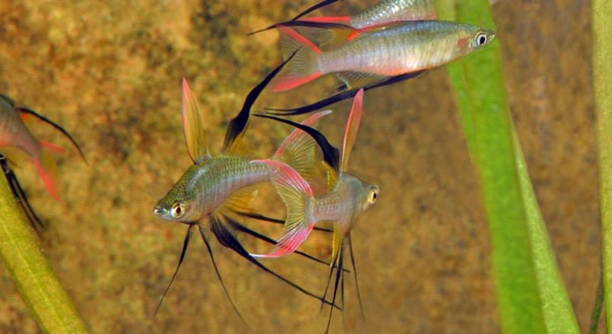
Have you ever noticed threadfins circling around rocks while swimming in shallow waters? These graceful fish often move in repeating patterns that seem unusual at first glance, capturing attention with their smooth, flowing motions. Their behavior is intriguing.
Threadfins may swim in circles around rocks primarily for feeding and territorial purposes. Circling creates water currents that stir up small prey and allows the fish to monitor and defend their chosen space efficiently against competitors or predators.
Observing these movements more closely reveals patterns that suggest both survival strategies and social interactions. Learning why threadfins behave this way provides a clearer picture of their underwater world.
How Threadfins Use Rocks for Feeding
Threadfins often swim in circles around rocks to access hidden food sources. Rocks create small currents that disturb the sand and release tiny organisms like crustaceans and insect larvae. By circling, threadfins can concentrate these organisms in one area, making it easier to capture them efficiently. This movement is deliberate and methodical, not random, reflecting the fish’s natural feeding instincts. Over time, threadfins may return to the same rocks repeatedly because they know these locations reliably produce food. Their circling also reduces energy expenditure, as controlled patterns let them sweep a defined area without unnecessary movement. Younger fish may mimic older individuals to learn these feeding strategies. Observing threadfins in this behavior highlights their adaptive techniques and the importance of environmental features in their diet. Circling around rocks is a combination of instinct, learned behavior, and practical necessity that ensures their survival in shallow waters.
This behavior increases their food intake while keeping them safe from predators hiding nearby.
Rocks also provide a sense of security while feeding. Circling allows threadfins to maintain constant visual contact with surroundings. Predators approaching can be spotted quickly, and the fish can escape efficiently. Additionally, movement around a rock can flush out prey that hides in crevices. The consistent pattern of swimming in circles maximizes feeding opportunities while minimizing risks. Over time, these habits become routine, demonstrating the intricate balance between safety and sustenance in their daily lives.
Social Behavior and Territory
Threadfins also circle rocks to establish and defend territories.
Circling marks a fish’s presence in a specific area, signaling others to avoid encroachment. This behavior prevents unnecessary conflicts while maintaining access to food sources.
Territorial behavior in threadfins is closely tied to feeding efficiency and reproduction. By marking a preferred rock with repeated circling, a fish communicates ownership to others of its species. This reduces competition for food and allows the fish to invest energy in growth rather than constant chasing. Dominant threadfins often patrol multiple rocks within their chosen area, creating overlapping zones of influence. Circling also plays a role in social hierarchy. Subordinate fish may observe dominant individuals and adjust their movements to avoid confrontation. In some cases, these patterns influence mating, as dominant fish attract potential mates by demonstrating control over prime feeding and shelter areas. Understanding this behavior provides insight into how threadfins interact socially, optimize resources, and balance competition with cooperation in their habitats.
Predators and Safety
Threadfins circle rocks to stay alert and reduce predation risk. Rocks provide cover, and continuous movement allows quick escape from nearby threats.
Swimming in circles near rocks keeps threadfins in a safer zone. The rock acts as a barrier, giving them a place to dart behind if a predator appears. By moving in predictable loops, they maintain awareness of their surroundings, spotting danger early. Predators find it harder to approach unnoticed because the fish’s constant movement disrupts the water and reduces hiding spots. This behavior is particularly noticeable in shallow waters where threats are more visible, and the fish can react efficiently.
Some predators, like larger fish or birds, may still attempt to capture threadfins. Circling rocks creates confusion, making it difficult to target a single individual. The combination of awareness, pattern movement, and proximity to cover reduces the likelihood of being caught. Over time, this behavior becomes second nature, forming an essential part of their daily survival strategy.
Environmental Influence
Rocks and surrounding structures shape threadfins’ swimming patterns. Physical features determine where food accumulates and where the fish feel secure.
The environment heavily influences how threadfins move. Water currents, sand patches, and rocks create natural feeding and safety zones. Threadfins adapt their circling to match these conditions, maximizing resource use while minimizing exposure. Rocks can create sheltered microhabitats that trap prey or reduce flow, making it easier to feed. Threadfins learn to recognize these beneficial spots and may return consistently, integrating environmental cues into daily routines. Their movement is a response to both opportunity and protection, reflecting the direct link between surroundings and behavior.
Over time, environmental changes, such as shifting rocks or new debris, can alter circling patterns. Threadfins adjust quickly to new conditions, demonstrating flexibility in behavior. These adaptations ensure continuous feeding efficiency and safety. Understanding this connection between environment and movement highlights how critical habitat features are for maintaining healthy fish populations. Rocks are more than obstacles; they shape feeding, social behavior, and survival strategies simultaneously.
Feeding Efficiency
Circling rocks helps threadfins capture more prey with less effort. They stir up hidden organisms, making feeding quicker and more consistent.
The repetitive movement allows threadfins to focus on a concentrated area. Less energy is spent chasing scattered food, and they can maintain a steady intake throughout the day.
Learning and Imitation
Young threadfins observe older fish to learn circling patterns around rocks. This behavior is passed down naturally and improves survival.
Seasonal Changes
During different seasons, threadfins adjust their circling behavior. Water temperature, food availability, and predator presence all influence movement patterns.
FAQ
Why do threadfins swim in circles around rocks?
Threadfins swim in circles primarily to feed efficiently and stay safe. Circling rocks stirs up hidden prey like small crustaceans and larvae, making them easier to catch. The rocks also provide cover, so threadfins can quickly escape predators while maintaining a clear view of their surroundings. This behavior combines feeding, protection, and energy conservation. Over time, circling patterns become habitual, helping the fish navigate their environment without wasting energy or exposing themselves unnecessarily.
Do all threadfins exhibit this behavior?
Most threadfins demonstrate circling behavior, but the intensity and frequency depend on age, size, and environmental conditions. Younger fish often mimic older ones to learn effective feeding strategies. In areas with abundant food or fewer predators, the circling may be less pronounced. Environmental features like rock size, water flow, and substrate type also influence how and where they swim. While it is a common behavior, it adapts to local conditions to maximize survival and feeding efficiency.
How does circling affect their feeding efficiency?
Circling rocks concentrates prey in one area, reducing the need for long chases. This method allows threadfins to capture more food while conserving energy. Controlled movement ensures they don’t miss hidden prey in crevices. Repeating the same path also trains them to anticipate where prey will appear, increasing the success rate over time. By combining movement, awareness, and strategy, threadfins optimize feeding while minimizing energy expenditure, making this behavior essential for survival.
Does circling help with social behavior?
Yes, circling plays a role in social interactions. Threadfins mark territories with repeated loops around rocks. This signals to other fish that the area is occupied, reducing conflicts and competition for resources. Dominant fish may patrol several rocks, demonstrating control and attracting mates. Subordinate individuals observe these patterns and adjust their movements to avoid confrontation. Circling thus supports both feeding efficiency and social hierarchy, helping maintain balance within a group of threadfins.
Do predators influence this behavior?
Predators strongly influence circling patterns. Rocks provide cover, and continuous movement allows quick detection of approaching threats. Predators like larger fish or birds find it harder to catch threadfins when they move predictably yet remain alert. The behavior decreases the chance of being targeted, combining instinct with learned strategy. Predation pressure encourages threadfins to select areas with optimal cover and adapt their circling patterns to remain safe while feeding.
Can environmental changes alter circling behavior?
Environmental changes, such as shifting rocks, debris, or changes in water flow, can influence circling. Threadfins adjust patterns to maintain feeding efficiency and safety. Seasonal changes in temperature, food availability, and predator presence also impact behavior. Flexibility in circling allows them to adapt quickly, demonstrating how their movement is closely tied to habitat conditions. Rocks, currents, and surrounding structures shape where and how threadfins swim, emphasizing the importance of a stable environment for maintaining natural behavior.
Is this behavior unique to threadfins?
While many fish species use circling or repetitive patterns for feeding or safety, threadfins display this behavior consistently around rocks in shallow waters. Their circling combines feeding, predator awareness, and social interaction in a way that is highly observable. The combination of environmental adaptation, social hierarchy, and energy efficiency makes their behavior distinctive compared to many other fish that may feed randomly or rely less on structured movement patterns.
How do young threadfins learn to circle rocks?
Young threadfins learn by observing older, experienced fish. Imitation allows them to adopt effective feeding and survival strategies quickly. By watching how older fish stir up prey, maintain awareness, and defend territories, juveniles pick up essential skills. This learning process reduces trial-and-error risks, helping them survive in environments with predators and competition. Circling behavior is therefore not purely instinctive; it is refined through observation and experience, ensuring that new generations continue the practice successfully.
Can circling patterns indicate the health of threadfins?
Yes, circling behavior can reflect health and vitality. Active, consistent patterns suggest the fish are well-fed, alert, and able to respond to threats. Changes, such as slower or irregular circling, may indicate illness, injury, or environmental stress. Observing movement provides insight into both individual condition and overall population health, as fish that cannot maintain typical patterns may struggle to feed efficiently or avoid predators.
Do threadfins ever circle without rocks?
Threadfins may circle open areas, but rocks enhance efficiency and safety. Without rocks, the behavior is often less structured because prey is more dispersed, and cover is limited. Rocks provide both feeding advantages and protection from predators, making circling around them a preferred strategy. While circling can occur in open water, it is most effective and consistently observed near rocks, showing the strong link between behavior and environmental features.
Final Thoughts
Threadfins circling around rocks is a behavior shaped by both instinct and environmental factors. Rocks act as natural tools, helping the fish find food while keeping them safe. The movement is not random; it is precise and repeated, allowing threadfins to maximize their chances of capturing small prey hiding in the sand or crevices. Circling also reduces energy use compared with chasing scattered prey across open water. By following predictable patterns, threadfins conserve strength while maintaining constant awareness of their surroundings. This simple yet effective strategy shows how even small features in their habitat, like a rock or a patch of sand, can significantly influence their daily routines. Observing this behavior closely reveals the careful balance between survival needs and environmental adaptation, highlighting the intelligence and instinctive efficiency of these fish in their natural habitat.
Beyond feeding, circling rocks plays an important role in social behavior and territory management. Threadfins often mark areas with repeated movement, signaling to others which spots are occupied. Dominant individuals may patrol multiple rocks, asserting control and attracting mates, while younger or subordinate fish observe these patterns to avoid conflict. This behavior reduces unnecessary competition and allows the group to coexist more smoothly. In addition, circling provides protection from predators. Rocks offer cover, and repeated loops let threadfins monitor their surroundings and react quickly to threats. Even small environmental changes, such as shifted rocks or increased water flow, influence how they circle, demonstrating flexibility and adaptation. Understanding these behaviors sheds light on the complex relationship between a fish, its habitat, and other individuals in the same area, emphasizing that seemingly simple movements can serve multiple purposes.
Finally, the circling behavior of threadfins illustrates the importance of habitat structure in maintaining healthy populations. Areas with rocks, steady water flow, and abundant food allow fish to feed efficiently, stay safe, and reproduce successfully. Disruption of these environments, whether through natural changes or human activity, can impact their feeding patterns, social interactions, and overall survival. Observing threadfins in their natural setting provides insight into how animals adapt to challenges and make the most of available resources. While the behavior may seem small or repetitive, it is a key part of their daily survival strategy, combining efficiency, protection, and social communication. Recognizing these patterns can help in conservation efforts and foster a deeper appreciation for how even subtle features in a habitat support the complex lives of aquatic species. Understanding threadfins’ reliance on rocks reinforces the importance of maintaining natural environments to ensure their continued well-being and the balance of shallow-water ecosystems.

Hello,
If you enjoy the content that we create, please consider saying a "Thank You!" by leaving a tip.
Every little bit helps us continue crafting quality advice that supports the health, happiness, and well-being of pets around the world, for pets of all shapes, sizes, and species.
We really appreciate the kindness and support that you show us!