
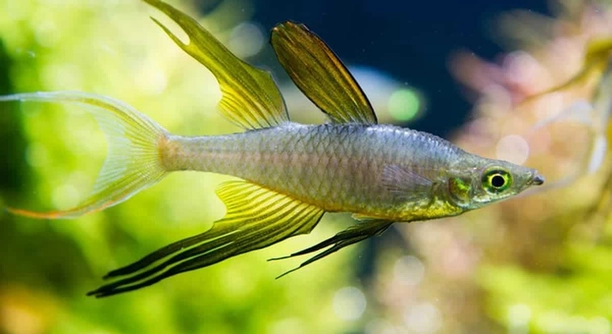
Threadfin Rainbowfish are small, colorful freshwater fish that often brighten up aquariums. Many aquarists enjoy adding plants and ornaments, but sometimes these fish avoid certain areas, leaving owners puzzled about their behavior.
Threadfin Rainbowfish may avoid decorated areas due to stress or perceived threats. Excessive decorations can limit swimming space, create shadows, or alter water flow, causing the fish to seek more open and comfortable regions within the tank for safety and ease of movement.
Understanding their preferences helps create a calmer environment and supports healthier, happier fish in any home aquarium.
How Decorations Affect Swimming Space
Threadfin Rainbowfish are active swimmers who need room to move freely. When a tank is heavily decorated with rocks, plants, or ornaments, it can make certain areas feel cramped. I noticed that when I added too many tall decorations, my fish would stick to open spaces near the center of the tank. Limited swimming space can cause stress, making the fish avoid decorated corners even if the decorations are harmless. Shadows from plants or ornaments can also make a spot feel threatening, especially for smaller or shy fish. These fish are sensitive to changes in their environment, and even small rearrangements can lead to hesitation. Water flow may also be disrupted around decorations, which can make some areas less comfortable. By observing their behavior, it became clear that creating open swimming lanes helps them feel more secure and encourages them to explore the entire tank.
Decorations can block movement and create shadows, making fish prefer open areas with fewer obstacles.
Keeping decorations minimal in key swimming zones allows Threadfin Rainbowfish to stay active, reducing stress. Observing where they gather and adjusting decor accordingly ensures a balance between aesthetics and comfort. Open spaces near the center or along the tank walls can help them feel safer while still enjoying hiding spots when needed. Overcrowding the tank with ornaments may unintentionally push them away from certain areas, which is why thoughtful placement matters. Plant height and density, rock arrangements, and the size of ornaments all influence their movement patterns. Over time, small adjustments can encourage fish to gradually explore previously avoided areas. I found that leaving narrow swimming lanes and placing plants along the back or sides made a noticeable difference. Fish began using more of the tank while still having places to retreat if they felt threatened. Ultimately, the goal is to create a natural balance that satisfies both the visual appeal of the aquarium and the comfort of the fish.
Influence of Light and Shadow
Lighting can significantly affect where Threadfin Rainbowfish choose to swim. Bright lights or deep shadows near decorations may make areas feel uncomfortable or unsafe.
Strong lighting creates contrast and shadow near decorations, which can make fish cautious. Adjusting light placement and using dimmer options can encourage exploration while preventing stress. Keeping a consistent day-night cycle and soft illumination allows them to feel secure while still showing off their colors. Shadows from tall plants or ornaments can create hidden spots that some fish may avoid until they get used to the environment. I noticed my fish would linger in areas with even, gentle lighting, avoiding corners where light and shadow created high contrast. By monitoring how light interacts with decorations, it’s possible to guide their swimming patterns. Over time, the fish may become more comfortable with previously avoided areas, especially if the lighting is balanced. Positioning lights to minimize harsh shadows and highlight open spaces helps create a natural and inviting environment. Ultimately, managing both light intensity and decor placement ensures Threadfin Rainbowfish have areas to explore without feeling stressed or trapped, improving their overall activity and well-being in the tank.
Choosing Safe Decorations
Sharp or rough-edged decorations can injure Threadfin Rainbowfish. Smooth surfaces and rounded edges reduce the risk of cuts and stress.
I learned that certain rocks and resin ornaments caused my fish to scratch their fins. Switching to smooth stones and silk plants made a noticeable difference. The fish swam more confidently, and I no longer worried about injuries. Decorations should feel safe to explore without fear of damage. Even small corners or nooks need to be carefully selected to avoid sharp points that can catch fins or scales. Observing their interaction with each item helps determine which pieces are suitable for long-term use.
Plants with dense leaves can provide hiding spots but may block movement. Balancing decoration density is key to giving fish both safety and swimming space. Dense clusters should be placed strategically along walls or corners to maintain open areas in the center. Threadfin Rainbowfish appreciate areas where they can dart and maneuver freely while still having shelter when needed. Overcrowding with plants or ornaments can create stress zones. I noticed my fish avoided sections with heavy decor until I thinned it out. By adjusting placement and leaving open lanes, they began exploring more of the tank. Smooth, safe surfaces combined with clear swimming paths support their natural behavior and reduce tension.
Decorations should not disrupt water flow. Poor placement can create stagnant pockets, making some areas less appealing.
Strategic positioning ensures water circulates evenly, preventing buildup of debris near decorations. Rocks or ornaments placed too close together can reduce current and oxygen flow. Threadfin Rainbowfish tend to avoid these spots because slow-moving water feels less natural. Adjusting decoration layout to allow consistent movement through the tank promotes healthier swimming habits and keeps all regions equally inviting. I repositioned a few items and noticed the fish spread out more, using areas previously ignored. Regular observation and minor changes maintain both aesthetic appeal and functional space for active, stress-free fish.
Material and Color Considerations
Brightly colored or reflective decorations can overwhelm Threadfin Rainbowfish, causing avoidance. Neutral-toned items blend better with the tank environment and reduce stress.
I found that metallic or shiny ornaments drew attention but made my fish hesitant to enter those zones. Colors that mimic natural surroundings help them feel safer and more willing to explore. Plastic plants can work if colors are subtle, but overly vivid reds or blues may create tension. The texture of materials also matters; smooth, natural-feeling decorations are more likely to be investigated than rough, unnatural surfaces. Threadfin Rainbowfish rely on visual cues for comfort, so keeping the tank visually consistent encourages balanced activity and reduces anxiety. Observing their behavior when introducing new decorations helps identify which colors or materials they prefer, ensuring long-term harmony in the aquarium.
Positioning of Decorations
Placing tall ornaments in the middle of the tank can block swimming lanes. Fish prefer open areas where they can move freely without obstacles.
Corners and walls are better spots for plants and rocks. Threadfin Rainbowfish will explore more if they have clear pathways in the tank.
Avoiding Overcrowding
Too many decorations can overwhelm Threadfin Rainbowfish, making some areas feel unsafe. Open swimming space allows them to maintain natural activity and reduces stress. I noticed that after removing excess ornaments, my fish became more active and ventured into previously avoided sections, showing curiosity and comfort. Carefully spacing decorations provides balance between hiding spots and open lanes.
Seasonal Changes in Behavior
Changes in temperature or daylight can affect swimming patterns. Fish may temporarily avoid decorated areas during shifts in lighting or water conditions, even if the decorations remain the same.
Observing Individual Preferences
Each fish may respond differently to the same decorations. Some Threadfin Rainbowfish enjoy hiding, while others prefer open spaces and avoid clutter.
FAQ
Why do Threadfin Rainbowfish avoid heavily decorated areas?
Threadfin Rainbowfish are active swimmers and need open space to move comfortably. When areas are crowded with plants, rocks, or ornaments, they may feel restricted or stressed. Shadows and tight spots can make certain zones feel unsafe. I noticed that after reducing dense decorations, my fish explored the tank more evenly. Keeping some open swimming lanes while leaving safe hiding spots along walls or corners encourages them to feel secure and confident in the environment.
Can lighting affect their behavior around decorations?
Yes, lighting has a big impact. Bright, harsh lights or deep shadows created by tall plants or reflective decorations can make fish hesitate to enter certain areas. Soft, even lighting encourages exploration. I adjusted my aquarium lights to reduce strong contrasts, and my fish started using spaces they had previously avoided. Consistent day-night cycles also help them feel safe, as abrupt changes can make even familiar decorations seem threatening.
Do certain materials scare Threadfin Rainbowfish?
Some materials can make fish wary. Rough surfaces, sharp edges, or overly shiny ornaments can create discomfort or stress. Smooth stones, rounded ornaments, and natural-looking plants are safer and encourage interaction. My fish avoided a few resin decorations at first, but switched to smooth, neutral-colored pieces, and they became more comfortable swimming nearby. Threadfin Rainbowfish respond to textures as much as shapes, so selecting items that feel safe to touch is important for reducing stress.
How important is water flow around decorations?
Very important. Decorations that block water flow can create stagnant pockets, making fish less likely to swim nearby. Threadfin Rainbowfish prefer areas with gentle, consistent currents. I had a cluster of rocks that slowed water in one corner, and my fish avoided that area entirely. Repositioning the rocks to allow better circulation made the corner more inviting. Proper placement ensures both oxygenation and movement, which helps fish feel more secure and encourages them to explore the entire tank.
Does color of decorations matter?
Yes, colors can influence comfort levels. Bright or highly reflective decorations may overwhelm or stress the fish. Neutral or natural-toned ornaments blend into the environment and reduce anxiety. I found that metallic items initially made my fish cautious, but replacing them with subtle-colored decorations encouraged them to swim closer and explore. Threadfin Rainbowfish rely on visual cues for safety, so balancing colors helps maintain a calm tank environment.
Can individual personalities affect decoration preferences?
Absolutely. Each Threadfin Rainbowfish has its own behavior patterns. Some enjoy hiding among dense plants, while others prefer open areas and avoid clutter. I noticed in my tank that a few fish consistently stayed in the center, while others used corners for shelter. Observing their preferences allows you to arrange decorations in a way that satisfies different personalities without overcrowding or stressing any individuals.
Will seasonal changes affect their behavior around decorations?
Yes, seasonal shifts in light or temperature can temporarily change swimming patterns. Fish may avoid decorated areas during cooler periods or when lighting changes, even if the decorations themselves are unchanged. In my experience, adjusting light schedules and keeping temperatures stable helps maintain consistent behavior and encourages them to use all areas of the tank.
How can I encourage my fish to explore decorated areas?
Gradual changes work best. I removed some dense decorations and replaced them with smooth, neutral-colored items while leaving open swimming lanes. Adjusting lighting and water flow also helped. Over time, fish became comfortable with previously avoided areas, showing curiosity and engaging more with the tank environment. Observing their reactions to new setups allows you to fine-tune arrangements for safety and comfort.
Is it better to have fewer or more decorations?
Fewer decorations are generally better for active swimmers like Threadfin Rainbowfish. Dense decorations can restrict movement and create stress zones. However, leaving a few hiding spots along walls or in corners provides security without overcrowding. My fish became noticeably calmer and more active once I simplified the tank layout, maintaining a balance between open swimming lanes and safe retreats.
Do hiding spots help or hinder their activity?
Hiding spots are essential but should be balanced with open space. Fish need areas to retreat when feeling stressed, but too many can limit movement and make them avoid certain zones. I placed plants along the edges of the tank rather than the center, which allowed my fish to hide while still maintaining freedom to swim openly. Strategic placement of shelters supports natural behavior without creating tension or avoidance.
Final Thoughts
Threadfin Rainbowfish are delicate, active fish that respond strongly to their environment. Their behavior around decorations can tell us a lot about how comfortable they feel in the tank. I noticed that when areas were too crowded, my fish avoided them, even if the decorations looked appealing to me. Over time, I learned that providing open swimming lanes alongside safe hiding spots encourages exploration while reducing stress. It became clear that small adjustments in decoration placement and type can have a big impact on their daily activity. Watching them move more freely after rearranging the tank showed me how sensitive they are to space, water flow, and visual cues. Maintaining a balance between aesthetics and functionality is key to keeping Threadfin Rainbowfish happy.
Decorations are not just for looks—they affect behavior, health, and stress levels. Materials, shapes, and colors all matter when creating an aquarium environment. I switched out some sharp-edged ornaments for smooth stones and silk plants, and my fish immediately became more confident swimming around them. Lighting also plays a role; harsh shadows or overly bright spots near decorations can make fish hesitant. By paying attention to these details, I realized it’s possible to design a tank that looks appealing but also feels safe for the fish. Keeping a few open spaces in the center, while arranging plants and ornaments along walls or corners, allows the fish to move naturally while still having areas to hide. Small observations, like noting which corners they avoid or which decorations they explore first, can guide ongoing adjustments for a balanced and comfortable habitat.
Every tank is unique, and each fish has its own preferences. Some Threadfin Rainbowfish may prefer more hiding spots, while others enjoy wide open areas and avoid clutter. Observing their behavior regularly helps identify these individual tendencies. Seasonal changes, water flow, and lighting can temporarily shift their preferences, so flexibility is important. I found that making gradual changes, rather than sudden rearrangements, kept my fish calm and encouraged exploration. Over time, understanding how decorations influence their activity led to a healthier, more engaging aquarium. Thoughtful decoration placement, combined with safe materials and proper lighting, ensures that Threadfin Rainbowfish can thrive, feel secure, and display their natural, active behavior in a way that’s both satisfying for the fish and pleasing for anyone watching the tank.

Hello,
If you enjoy the content that we create, please consider saying a "Thank You!" by leaving a tip.
Every little bit helps us continue crafting quality advice that supports the health, happiness, and well-being of pets around the world, for pets of all shapes, sizes, and species.
We really appreciate the kindness and support that you show us!