
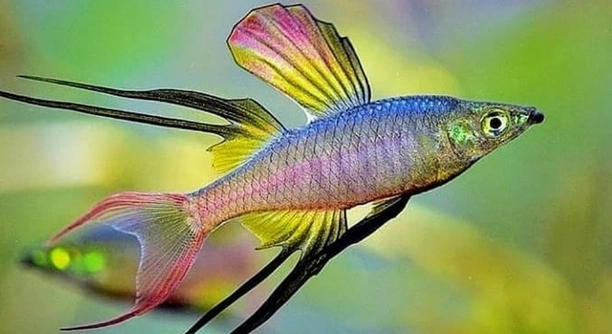
Do you enjoy adding greenery to your aquarium but notice your threadfins acting uneasy? Many aquarists love creating lush environments, yet some plants can unexpectedly disturb the calm balance that threadfins need to thrive in their tank.
Introducing plants into a threadfin habitat can cause stress when water quality changes, space is reduced, or unfamiliar textures and chemicals are present. Threadfins are sensitive to environmental alterations, making careful selection and placement of plants essential for their well-being.
Understanding the conditions that may upset threadfins will help you create a healthier, more harmonious aquarium environment while still enjoying the beauty of aquatic plants.
Sudden Water Chemistry Changes
Adding new plants can quickly alter the chemistry of your tank water. Fertilizers, soil substrates, or certain plant species release nutrients that may spike ammonia, nitrites, or nitrates. Threadfins are extremely sensitive to these changes, and even small fluctuations can trigger stress responses. Observing sudden hiding, erratic swimming, or reduced feeding can indicate that the water chemistry has shifted too fast. Before introducing any plant, it is essential to monitor water parameters closely and adjust slowly. Using pre-soaked or cleaned plants can reduce the initial impact on the tank. Additionally, testing water daily after planting helps detect harmful changes early. Slowly acclimating plants in a separate container before transferring them allows for a more gradual adaptation. This method gives threadfins time to adjust to subtle chemical differences, lowering stress. Patience and careful monitoring are key to maintaining stable conditions that keep threadfins comfortable and healthy.
Keeping a log of water tests and plant additions can prevent sudden chemical shocks. Regular monitoring is vital for threadfin stability.
Gradual introduction of plants is more than a precaution. Threadfins rely on consistent water chemistry for their overall health. Rapid changes can lead to stress-induced behaviors, weakened immunity, and increased susceptibility to disease. By planning plant additions and spacing them over days or weeks, you minimize disturbances. Using neutral or slow-releasing fertilizers reduces the chance of sudden nutrient spikes. Observing how fish react to each new addition also provides insight into which plants are safest. Maintaining stable pH and hardness levels is equally important, as threadfins thrive under specific conditions. Simple measures like rinsing plants thoroughly and avoiding overly dense planting help maintain oxygen levels and prevent overcrowding. Over time, careful planning ensures that both plants and threadfins coexist without tension, allowing the tank to look natural while keeping the fish calm. Small steps make a noticeable difference in long-term tank harmony.
Overcrowding the Tank
Introducing too many plants can reduce swimming space and increase hiding spots beyond what threadfins need. Limiting plant density prevents stress and allows normal activity and social interactions.
Excessive plants can disrupt water circulation and limit oxygen distribution. Threadfins require open swimming areas and steady water flow to stay healthy. Crowded environments reduce their comfort and can lead to aggressive behaviors or lethargy. Pruning and strategic placement of vegetation ensures sufficient open space while still providing hiding options. Observing the tank layout from the threadfins’ perspective helps determine if adjustments are necessary. Choosing taller or corner plants rather than ground-covering species preserves room for movement. Overcrowding can also trap debris, affecting water quality over time. Maintaining a balance between aesthetics and practical space is essential. Removing or rearranging plants periodically keeps conditions optimal. The goal is to support natural behaviors without overwhelming your fish. A well-planned plant arrangement allows threadfins to explore, feed, and interact freely, reducing stress and promoting overall well-being. Regular evaluation of the tank’s layout ensures both visual appeal and a comfortable environment for your fish.
Sharp or Rough Plant Surfaces
Some plants have rough edges or sharp leaves that can injure threadfins. These physical irritants may cause torn fins, scratches, or stress responses, especially in active swimmers. Choosing soft-leaved species reduces the risk of physical damage and keeps your fish more comfortable in their environment.
Plants with coarse textures can be harmful to delicate threadfins. Leaves with serrated edges, stiff stems, or abrasive surfaces can scrape against fins or bodies as fish swim or hide. Even small cuts can lead to infections or prolonged healing times. Threadfins may avoid areas with uncomfortable plants, limiting their natural exploration and interaction. Soft, flexible plants like java fern or anubias are safer alternatives. It’s also important to trim any damaged or sharp leaves regularly to maintain a safe habitat. Providing smooth surfaces ensures threadfins can move freely without stress.
In addition to physical harm, rough plants can create microhabitats that trap debris or uneaten food, further affecting water quality. Accumulated detritus may promote bacterial growth, putting threadfins at risk of infections. By selecting gentle, pliable plants and maintaining cleanliness, you minimize both physical and environmental stressors. Placement matters too—keep delicate species away from high-traffic swimming areas to prevent accidents. Regular observation lets you spot early signs of irritation or injury. Creating a safe, smooth environment encourages natural behaviors like schooling, foraging, and resting, which are crucial for threadfin health. Thoughtful plant choices balance visual appeal with the fish’s safety and comfort.
Chemical Treatments on Plants
Some plants carry residues of pesticides, herbicides, or fertilizers that can harm threadfins. Even small amounts of chemicals can irritate gills, alter water parameters, or trigger stress reactions, making pre-treatment essential before adding new vegetation.
Rinsing plants thoroughly and soaking them in clean water helps remove harmful substances. Many aquarists also use mild, fish-safe solutions to neutralize chemicals. By taking these precautions, you protect sensitive threadfins from unexpected toxicity. Careful preparation reduces sudden stress and ensures the tank remains stable after plant introduction.
Certain plant treatments, such as growth stimulants or algae inhibitors, may contain compounds unsafe for aquatic life. Threadfins exposed to these substances may show reduced appetite, erratic swimming, or gill inflammation. Pre-treating plants in quarantine containers allows harmful residues to leach out before introducing them to the main tank. Maintaining consistent water conditions during this period prevents additional stress. Choosing plants from trusted sources that avoid heavy chemical use is another safeguard. Observing threadfins after each new plant addition ensures that any adverse reactions are caught early. Proper preparation balances aesthetic goals with the fish’s well-being, creating a healthier and more stable aquarium environment.
Overly Dense Root Systems
Dense roots can take up too much space in the substrate, limiting movement for threadfins. Thick root mats also trap debris, reducing water quality and increasing stress in sensitive fish if not managed properly.
Root systems that grow aggressively may crowd out open swimming areas. Threadfins rely on unobstructed paths for normal activity, and tangled roots can hinder their natural behavior. Regular trimming and choosing slower-growing plants help maintain balance. Managing root density ensures both plant health and a comfortable environment for your fish, keeping stress levels low and the tank visually pleasing.
Floating Plants
Floating plants can block light and reduce oxygen levels. This creates low-visibility areas that may unsettle threadfins, making them feel insecure or confined.
Sudden Plant Removal
Removing plants abruptly can shock threadfins. The sudden change in shelter and territory may trigger stress behaviors, including hiding, loss of appetite, or erratic swimming.
Plants Releasing Tannins
Some plants release tannins, which darken water and slightly acidify it. This may stress threadfins if water parameters shift too quickly. Monitoring water changes and limiting tannin-heavy species helps maintain a stable environment for sensitive fish.
What plants are safest for threadfins?
Soft-leaved plants are generally the safest choice for threadfins. Species like Java fern, Anubias, and Cryptocoryne have smooth surfaces that reduce the risk of physical injury. Floating plants with delicate leaves, such as duckweed, are also gentle on threadfins. Choosing plants with slower growth rates helps maintain open swimming areas and prevents overcrowding. Avoid plants with spiny or serrated leaves, as these can easily tear fins or irritate skin. Using a mix of anchored and floating plants can provide shelter without overwhelming the tank. Monitoring how threadfins interact with each new plant helps identify which species they tolerate best. Gradually introducing plants one at a time minimizes stress and allows the fish to adapt to new textures or changes in water chemistry. Overall, safety and comfort should guide plant selection.
How do I reduce stress when adding new plants?
Gradual acclimation is key to reducing stress. Rinse and soak plants thoroughly to remove chemical residues or pests. Introducing one plant at a time allows threadfins to adjust without sudden environmental changes. Monitor water parameters closely during and after additions, paying attention to ammonia, nitrite, nitrate, pH, and hardness. Placing plants strategically—keeping open swimming areas clear—prevents overcrowding. Using quarantine containers for new plants can allow any chemicals to leach out before adding them to the main tank. Observing threadfin behavior for hiding, erratic swimming, or reduced feeding indicates how well they are adapting. Adjusting lighting, temperature, and flow near new plants also helps fish feel secure. Maintaining stable conditions while slowly adding plants ensures threadfins remain calm and healthy.
Can all plants affect water chemistry?
Not all plants drastically change water chemistry, but some release nutrients, tannins, or acids that can alter pH and hardness. For instance, driftwood-associated plants or certain floating species may release tannins, darkening the water slightly. Fertilized plants or those grown in nutrient-rich substrates can increase ammonia, nitrates, or phosphates. Monitoring these parameters is crucial when adding new vegetation. Pre-soaking, rinsing, or quarantining plants reduces the likelihood of sudden changes. Dense planting or fast-growing species can accelerate nutrient fluctuations, making consistent water testing essential. By understanding the specific needs of both plants and threadfins, aquarists can maintain a stable, low-stress environment. Choosing plants with minimal chemical impact is safest for sensitive fish.
Why do threadfins react to rough or sharp plants?
Threadfins have delicate fins and sensitive skin that can easily be damaged. Rough, serrated, or stiff plants can cause physical injuries, such as torn fins or scratches. Even minor cuts may become infected if water quality is poor. Fish may avoid areas with uncomfortable plants, limiting their natural swimming and foraging behavior. Selecting smooth-leaved species reduces these risks and encourages normal activity. Regular pruning of damaged leaves also helps prevent accidental injuries. By paying attention to texture, you can provide a safe environment that minimizes stress and promotes healthier, more active threadfins.
How often should I trim or manage plants to reduce stress?
Plant maintenance is important to prevent overcrowding and root tangling. Trim leaves and roots regularly to maintain open swimming areas and ensure proper water flow. Remove decaying material promptly to avoid water quality issues. For fast-growing plants, weekly pruning may be necessary, while slower species can be managed less frequently. Observing threadfin behavior around plants can indicate when trimming is needed; hiding or avoiding certain areas may suggest excessive growth. Keeping the tank balanced ensures fish feel secure while still enjoying shelter. Proper maintenance also reduces algae buildup, nutrient spikes, and debris accumulation, all of which contribute to stress.
Do floating plants require special care for threadfins?
Floating plants provide shade and shelter but can block light and reduce oxygen levels. Ensuring they do not cover the entire surface is important for water circulation and fish comfort. Regular thinning and monitoring light penetration help maintain a balanced environment. Combining floating and anchored plants creates variety without overwhelming the tank. Threadfins appreciate open swimming areas, so avoid excessive surface coverage. Observing behavior near floating plants helps determine if adjustments are needed. Proper care keeps both plant growth and fish activity in harmony.
How can I safely remove plants without stressing threadfins?
Remove plants gradually instead of all at once. Sudden disappearance of shelter can trigger hiding, loss of appetite, or erratic swimming. Trim sections over several days or weeks, keeping some cover available at all times. Monitor threadfin behavior closely and adjust removal speed if stress signs appear. Maintaining stable water parameters during this process is essential. Proper planning ensures a smooth transition, minimizing both physical and environmental stress for sensitive fish.
Are chemical treatments necessary for plant safety?
Chemical treatments are rarely necessary if plants are sourced carefully and rinsed thoroughly. Mild, fish-safe solutions can help remove pests or residues, but overuse can harm threadfins. Pre-soaking and quarantining plants often achieve the same result without chemical exposure. Observing fish response after plant introduction is more effective than routine chemical use. Maintaining stable water parameters and avoiding harmful substances ensures threadfins stay calm and healthy while enjoying new plants.
How do I monitor threadfin stress after adding plants?
Watch for changes in swimming behavior, hiding, or appetite. Stress may also appear as clamped fins, rapid gill movement, or lethargy. Testing water parameters daily after plant addition helps identify chemical changes that might affect the fish. Recording observations provides insight into how individual threadfins adapt to specific plants. Adjusting plant placement, trimming, or removing problematic species can help reduce stress. Monitoring both behavior and water quality ensures threadfins remain healthy and comfortable in their evolving environment.
Adding plants to a threadfin tank can be very rewarding, but it comes with responsibilities. Plants can improve water quality, provide shelter, and make the tank look more natural. However, threadfins are sensitive fish, and not all plants are suitable for them. Choosing the right type of plant, monitoring water conditions, and maintaining open swimming areas are essential steps. Plants with soft leaves and slow growth are usually safest. Avoid spiny, sharp, or rough plants that could injure threadfins. Floating plants can offer shade, but too many may reduce light and oxygen levels. Dense root systems can trap debris or reduce space, so careful planning of plant placement is important. Threadfins also react to sudden changes in the environment, so adding or removing plants gradually is best. Taking small steps helps keep the fish healthy and reduces stress.
Water quality is a major factor in maintaining a balanced tank. Plants can alter water chemistry by releasing nutrients, acids, or tannins, which may affect pH, hardness, or oxygen levels. Threadfins are very sensitive to these shifts. Testing water parameters regularly helps detect changes early, allowing adjustments before problems arise. Rinsing and soaking new plants, or quarantining them in a separate container, can prevent sudden chemical changes. Fertilizers or growth stimulants should be avoided unless they are specifically labeled as fish-safe. Removing decaying plant matter and trimming overgrown roots also supports water stability. Open swimming areas should be maintained, and plant growth should be controlled so threadfins can move freely. Careful observation of fish behavior after adding plants provides clues about their comfort. Hiding, clamped fins, or erratic swimming may indicate stress. Paying attention to both water conditions and fish behavior creates a healthier and more stable environment.
Consistency and patience are key to successfully adding plants to a threadfin tank. Rushing the process can create unnecessary stress and harm the fish. Observing how threadfins interact with each plant and making adjustments gradually ensures the tank remains comfortable and safe. Maintaining regular care, including water testing, trimming plants, and removing debris, keeps the aquarium balanced. A thoughtful approach allows threadfins to thrive alongside vegetation, enjoying both open swimming areas and shaded resting spots. Over time, careful planning and ongoing monitoring will make it easier to manage plant growth and fish health together. Keeping a simple routine and paying attention to small details can prevent most common problems, providing a harmonious environment where both plants and threadfins can coexist without stress. The overall goal is to create a visually appealing, healthy, and stable habitat that meets the needs of sensitive fish while still allowing the benefits of live plants.

Hello,
If you enjoy the content that we create, please consider saying a "Thank You!" by leaving a tip.
Every little bit helps us continue crafting quality advice that supports the health, happiness, and well-being of pets around the world, for pets of all shapes, sizes, and species.
We really appreciate the kindness and support that you show us!