
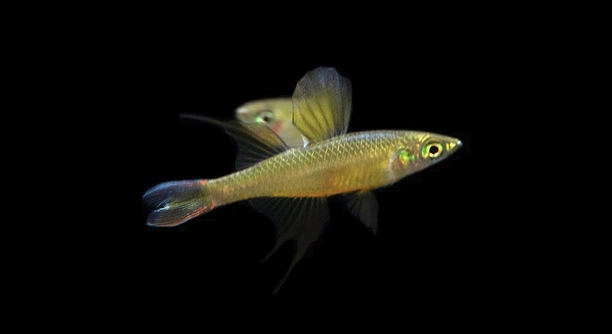
Have you ever noticed threadfins swimming in an unusual vertical position instead of their typical horizontal glide through the water? Observing this behavior can be surprising and may leave many wondering what causes such a sudden shift in movement.
Threadfins may swim vertically due to environmental stressors, feeding strategies, or changes in buoyancy regulation. This behavior can indicate adjustments to oxygen levels, prey location, or internal physiological responses aimed at maintaining equilibrium and survival.
Recognizing the reasons behind this behavior can help better understand threadfins and their adaptations in changing aquatic environments.
Environmental Changes and Their Impact
Water conditions have a strong effect on threadfins. Sudden changes in temperature, salinity, or oxygen levels can make them adjust how they swim. When oxygen is lower near the bottom, threadfins may turn vertically to access higher-oxygen areas. Light levels also influence their positioning; brighter surfaces can make them change orientation. Currents and water movement may push them to swim differently to maintain balance. Pollution or chemical shifts can stress the fish, prompting unusual behavior. Even subtle changes in the environment, like seasonal shifts or passing predators, can cause threadfins to adopt vertical positions. Observing their responses can help understand the health of their habitat and the conditions affecting daily activity.
Threadfins adapt quickly to changes, often altering swimming patterns to conserve energy or access food efficiently. Vertical movement is a clear response to environmental pressures that influence survival strategies in their habitat.
This behavior is also connected to feeding. When prey gathers near the surface or in columns, threadfins may orient vertically to target them more effectively. Positioning themselves this way allows better maneuverability and timing when striking. Observing threadfins in these situations shows a careful balance between survival, energy use, and responsiveness to external conditions, highlighting their adaptive nature in different water scenarios.
Buoyancy and Body Mechanics
Vertical swimming is influenced by buoyancy control. Threadfins adjust their swim bladders to rise or sink in the water column, which can change their posture.
Buoyancy changes allow threadfins to hover or move efficiently without expending excess energy. Altering body angle is part of this adjustment.
The swim bladder is central to vertical swimming. By regulating gas volume, threadfins maintain neutral buoyancy, reducing the effort required to stay in a specific position. If their bladder has uneven gas distribution, vertical orientation can be a temporary solution to stabilize movement. Body shape and fin placement also support this behavior. Long pectoral fins and flexible bodies allow controlled tilting, making vertical positioning less awkward. Stress or injury may also alter buoyancy control, prompting unusual angles during swimming. Studying these mechanics provides insight into both health and environmental adaptation, showing how threadfins use internal and external cues to maintain balance and respond to challenges.
Feeding Strategies and Prey Behavior
Threadfins often swim vertically to catch prey more efficiently. Small fish or plankton can form dense clusters near the surface or along vertical water columns, making it easier for threadfins to approach from below. This posture allows faster strikes and better precision in capturing food.
Vertical positioning gives threadfins a tactical advantage when feeding. By aligning their bodies with prey clusters, they can reduce horizontal movement, conserving energy while increasing hunting efficiency. This orientation also allows them to track prey that moves unpredictably, such as small schooling fish or drifting plankton. The angle helps maintain a clear line of sight and control over movement, especially in waters with limited visibility. Feeding in this way shows an instinctive adaptation to available food sources and energy management.
The behavior is also linked to competition. When multiple fish are hunting in the same area, a vertical stance can help threadfins access prey that others might miss. It allows them to maneuver quickly around dense groups of food, avoiding clashes while maximizing capture. Observing this shows how threadfins combine body mechanics and environmental awareness to feed efficiently, demonstrating both survival instincts and flexible hunting strategies in response to prey distribution.
Social and Predatory Influences
Threadfins adjust their swimming based on the presence of other fish. Vertical orientation can help avoid predators or maintain distance within schools.
Swimming vertically helps threadfins stay alert to nearby threats and coordinate with others.
Predator presence strongly influences swimming posture. When threats approach, threadfins may adopt vertical positions to stay hidden among vegetation or near the water’s surface, making sudden escapes easier. Similarly, schooling behavior encourages vertical adjustments to maintain spacing and avoid collisions. Positioning in this way enhances group cohesion while reducing individual risk. Social interactions, such as establishing dominance or competing for mates, can also prompt vertical swimming. This behavior is a combined response to survival and social dynamics, showing how threadfins constantly assess their surroundings and adjust movements to optimize safety and interaction within their environment.
Seasonal Movements
Threadfins may swim vertically during seasonal changes. Shifts in water temperature and food availability can prompt this adjustment in swimming posture to access optimal zones for survival.
Vertical swimming also helps them navigate through varying water layers. Different temperatures or currents may force them to adjust depth while maintaining efficient movement.
Reproductive Behavior
During breeding periods, threadfins may adopt vertical positions to signal readiness or to protect eggs and young. This orientation facilitates interactions with mates and increases visibility in crowded areas, enhancing reproductive success.
Health Indicators
Unusual vertical swimming can sometimes indicate health issues. Stress, injury, or internal imbalances may affect posture, prompting threadfins to adjust their orientation for comfort or stability.
FAQ
Why do threadfins sometimes swim vertically?
Threadfins swim vertically mainly due to environmental changes, feeding needs, or social interactions. This posture allows them to reach higher oxygen zones, target prey more effectively, or maintain spacing within schools. Observing vertical swimming often signals an adjustment to surroundings rather than unusual behavior.
Is vertical swimming a sign of stress in threadfins?
Yes, it can be. When water conditions change suddenly, such as temperature shifts, low oxygen, or chemical imbalances, threadfins may adopt a vertical position to cope. It can also indicate mild stress from predators or overcrowding, but it is not always dangerous.
Does feeding influence vertical swimming?
Absolutely. Threadfins adjust their body angle to reach prey more efficiently. Vertical posture helps them approach dense clusters of small fish or plankton with minimal effort. It allows precise strikes and reduces horizontal swimming, conserving energy while maximizing feeding success.
Can buoyancy issues cause vertical swimming?
Yes. Threadfins use swim bladders to control buoyancy. Irregularities or temporary gas adjustments can make vertical swimming more comfortable or necessary. This helps them stabilize their position in the water column and maintain control without using excessive energy.
Do predators trigger vertical swimming?
Predator presence strongly affects posture. Vertical positioning allows threadfins to stay alert and prepare for sudden escapes. It also helps them hide in vegetation or maintain better awareness of threats. This behavior increases survival chances while reducing direct confrontations.
Does social behavior influence vertical swimming?
Threadfins swimming in groups often adjust angles to avoid collisions and maintain spacing. Vertical swimming can also signal dominance or coordinate movements within schools. Social interactions combine with environmental awareness to guide posture choices and reduce risk while supporting group cohesion.
Is vertical swimming seasonal?
Yes, seasonal changes in water temperature, currents, or food availability can encourage vertical movement. Threadfins adjust swimming posture to access optimal zones for survival, feeding, and reproductive behavior during specific times of the year.
Does vertical swimming indicate reproductive activity?
Sometimes. During breeding periods, threadfins may swim vertically to increase visibility for mates or protect eggs and juveniles. This posture supports reproductive success and enhances interaction within crowded environments, making orientation an adaptive tool for breeding behavior.
Can health problems cause vertical swimming?
Unusual or prolonged vertical swimming may indicate health concerns. Stress, injury, or internal imbalances like swim bladder issues can affect posture. Monitoring this behavior can help identify potential problems early and support proper care in controlled environments.
Is vertical swimming normal for all threadfins?
Not all individuals exhibit vertical swimming frequently. Behavior varies depending on age, health, environment, and social dynamics. Some threadfins may rarely adopt this posture, while others use it regularly to adjust to environmental, social, or feeding conditions.
How can I tell if vertical swimming is a problem?
If vertical swimming is constant, combined with erratic movement, loss of appetite, or visible injury, it may indicate a problem. Occasional vertical posture for feeding or environmental adjustment is normal, but prolonged or repetitive behavior deserves attention.
What should I do if I notice unusual vertical swimming?
Observe the environment first. Check water quality, oxygen levels, temperature, and other fish behavior. Ensuring proper nutrition and minimizing stressors helps threadfins adjust naturally. If health issues persist, consulting an aquatic specialist is recommended.
Does vertical swimming affect energy use?
Yes, it can reduce energy expenditure in certain situations. Aligning with prey clusters or water currents vertically allows threadfins to maintain position efficiently. They balance energy use with environmental adaptation, showing an instinctive approach to survival and feeding optimization.
Can vertical swimming help avoid competition?
By adopting vertical orientation, threadfins can access prey others may miss. This reduces direct competition and allows more efficient feeding. It demonstrates their ability to adjust body angle strategically in response to resource distribution and group dynamics.
Is vertical swimming more common in wild or captive threadfins?
Both can exhibit it, but frequency depends on conditions. Wild threadfins may show vertical swimming due to natural environmental shifts, while captive ones often display it in response to tank conditions, feeding routines, or limited space. Monitoring behavior helps identify cause and adapt care.
Does light affect vertical swimming?
Light levels influence swimming orientation. Threadfins may adjust position to avoid overly bright surfaces or seek shaded areas. Vertical swimming can help maintain a comfortable angle for visibility, hunting, or protection, depending on sunlight penetration and water clarity.
Can vertical swimming indicate learning or adaptation?
Yes. Threadfins show behavioral flexibility, adjusting posture to new environments, predators, or prey patterns. Vertical swimming can reflect problem-solving and adaptation, highlighting their ability to respond dynamically to changing conditions and optimize survival strategies.
Are there long-term effects of frequent vertical swimming?
Frequent vertical swimming itself is not harmful if related to normal environmental or feeding behavior. However, if caused by health issues, prolonged stress, or poor water conditions, it may lead to fatigue or reduced feeding efficiency. Proper monitoring ensures well-being.
Does water depth influence vertical swimming?
Yes, depth changes can encourage vertical swimming. Threadfins adjust posture to move efficiently between layers, access oxygen-rich zones, or locate prey. Depth-related adjustments show their ability to navigate three-dimensional water space effectively.
Can vertical swimming be used to study threadfin behavior?
Observing vertical swimming provides insight into environmental adaptation, feeding strategies, social interactions, and health. Researchers can use this behavior to assess habitat quality, stress levels, and survival tactics, making it a valuable tool for understanding threadfins.
Is vertical swimming temporary or permanent?
It is typically temporary and context-dependent. Threadfins adjust posture as needed for environmental conditions, feeding, reproduction, or social dynamics. Persistent vertical swimming may indicate stress, injury, or health concerns, requiring closer observation and intervention.
Do all fish have similar vertical swimming behaviors?
No, vertical swimming is more common in species with specific feeding or buoyancy adaptations, like threadfins. Other fish may rarely use vertical positioning unless responding to stress, predation, or environmental factors. Each species exhibits unique movement patterns based on anatomy and ecological needs.
How do predators affect long-term swimming patterns?
Predator pressure can influence not only immediate posture but also habitual swimming tendencies. Threadfins may adopt cautious, vertical approaches in areas with frequent threats, demonstrating learned behavior and adaptation to recurring risks in their environment.
Does vertical swimming change with age?
Younger threadfins may use vertical swimming more often to access food efficiently or avoid threats. Adults might rely on experience and size to navigate horizontally but still adopt vertical postures when needed for feeding, reproduction, or environmental adaptation.
Can vertical swimming be prevented or controlled?
It cannot be fully prevented if it serves survival, feeding, or social purposes. Ensuring stable water conditions, proper nutrition, and reduced stress can minimize unnecessary vertical swimming caused by health or environmental stressors.
Does vertical swimming indicate intelligence in threadfins?
This behavior reflects behavioral flexibility and adaptation, not intelligence in a human sense. It demonstrates problem-solving and environmental awareness, showing that threadfins can respond dynamically to challenges and optimize survival through posture adjustments.
How do seasonal food patterns influence vertical swimming?
Seasonal availability of prey may lead threadfins to swim vertically to access higher or denser prey clusters. Adjusting posture seasonally allows them to exploit changing food resources efficiently while conserving energy.
Can vertical swimming signal mating readiness?
During breeding, vertical positioning may increase visibility or protect offspring. This posture can indicate sexual activity or readiness, supporting reproductive success while coordinating interactions within crowded or competitive environments.
Does tank size affect vertical swimming in captivity?
Smaller tanks may limit natural horizontal swimming, causing more frequent vertical movement as fish adjust to space restrictions. Providing adequate depth and structure helps threadfins exhibit natural posture and reduces stress-induced vertical orientation.
Are there environmental cues that trigger vertical swimming immediately?
Sudden changes in light, oxygen, or currents can prompt immediate vertical adjustments. Threadfins respond instinctively to environmental cues to maintain equilibrium, access food, or avoid threats, showing high sensitivity to habitat conditions.
Can vertical swimming indicate a healthy ecosystem?
Yes, when observed as part of normal feeding or social behavior, vertical swimming can indicate a well-balanced environment with adequate oxygen, prey, and social structures. Monitoring this behavior provides indirect insight into ecosystem quality.
Is vertical swimming more noticeable at certain times of day?
Threadfins may swim vertically during feeding peaks or periods of environmental change. Early morning, late afternoon, or seasonal transitions can make this behavior more prominent as they adjust to light, prey movement, and water conditions.
How should vertical swimming be monitored for research?
Researchers track posture frequency, duration, environmental conditions, and social context. Combining observation with water quality measurements, prey distribution, and predator presence helps accurately interpret the reasons behind vertical swimming patterns.
Does vertical swimming affect interaction with other species?
Yes, it can influence competition, predator-prey dynamics, and schooling behavior. Vertical positioning may reduce direct competition, improve prey access, and help threadfins respond effectively to other species’ actions in shared habitats.
Are there specific signs that vertical swimming is a health emergency?
Persistent vertical swimming combined with lethargy, lack of appetite, erratic movement, or visible injury may indicate a serious problem. Immediate attention to water quality, nutrition, and potential disease is critical in these cases.
Can vertical swimming be used to improve aquaculture practices?
Yes. Understanding why threadfins swim vertically helps optimize tank design, feeding schedules, and water management. Monitoring posture provides practical insights to maintain healthy, productive, and stress-free conditions for cultured fish.
Do threadfins always return to horizontal swimming after vertical behavior?
Typically, yes. Vertical swimming is situational. Once environmental, social, or feeding triggers resolve, threadfins usually resume normal horizontal movement. Persistent vertical orientation may signal stress or health issues needing intervention.
Does water clarity influence vertical swimming?
Clear or murky water affects visibility, prey detection, and predator awareness. Threadfins may adjust vertical posture to compensate for limited visibility, maintain control, and optimize interactions with their surroundings.
Can vertical swimming help conserve energy?
In some situations, yes. Aligning with currents, prey columns, or oxygen-rich zones reduces effort. Threadfins balance posture with energy use, showing instinctive efficiency in movement and survival.
Is vertical swimming affected by competition for food?
Yes. When multiple fish target the same prey, vertical orientation allows threadfins to exploit clusters others might miss. This reduces conflict and ensures more efficient feeding.
Do threadfins show vertical swimming in freshwater?
While primarily marine, threadfins in brackish or freshwater environments may exhibit vertical swimming for feeding, buoyancy control, or predator avoidance. Behavior adapts to local conditions.
How long do threadfins maintain vertical swimming?
Duration depends on cause. Short-term adjustments occur for feeding or environmental shifts, while longer periods may signal stress, buoyancy issues, or social interactions. Monitoring patterns helps identify reasons.
Does vertical swimming occur more in groups or alone?
It happens in both contexts. Groups may adopt vertical swimming to coordinate movement, reduce collisions, or maintain spacing, while solitary fish may do so for feeding or environmental adaptation.
Can vertical swimming influence lifespan?
Normal vertical swimming for feeding, reproduction, or environmental adaptation does not harm lifespan. Stress-related or health-induced vertical swimming can indirectly affect long-term well-being if not addressed.
Do threadfins communicate through vertical swimming?
Indirectly. Positioning may signal presence, dominance, or reproductive readiness. While not vocal, posture helps coordinate interactions within schools and social groups.
Does diet affect vertical swimming behavior?
Availability and type of prey influence posture. When prey is concentrated in vertical clusters, threadfins adjust body angle for efficient feeding. Diet directly impacts how and when they adopt vertical positions.
Is vertical swimming consistent across threadfin species?
No, frequency and purpose vary. Some species rely heavily on vertical positioning for feeding or buoyancy, while others use it occasionally. Each species adapts based on environment, body mechanics, and ecological niche.
Can vertical swimming predict environmental stress?
Yes. Frequent or prolonged vertical posture outside typical feeding or social behavior can indicate environmental stressors like low oxygen, poor water quality, or overcrowding, offering early warning signs for caretakers or researchers.
Are there seasonal trends in vertical swimming?
Yes. Changes in temperature, prey availability, or reproductive cycles influence when threadfins adopt vertical postures. Seasonal patterns help them optimize feeding, survival, and reproduction.
Does vertical swimming indicate aging in threadfins?
Older fish may adjust posture differently due to changes in buoyancy control, strength, or experience. Age affects how often and why vertical swimming occurs, reflecting adaptation rather than dysfunction.
Can vertical swimming be modified through habitat design?
Yes. Providing appropriate depth, structure, and water flow can reduce unnecessary vertical adjustments caused by stress or space limitations, encouraging natural behavior while supporting health.
Does vertical swimming affect predator detection?
Yes. Positioning vertically can improve sightlines, enhance awareness of approaching threats, and allow quicker escape responses, demonstrating a combination of behavioral adaptation and survival strategy.
How does vertical swimming impact schooling efficiency?
Maintaining proper spacing and avoiding collisions are enhanced when threadfins adjust posture vertically. This supports coordinated movement, reduces stress, and allows better access to shared resources within the school.
Can vertical swimming indicate learning ability?
Behavioral flexibility, such as vertical swimming in response to environmental or social cues, reflects adaptation and problem-solving skills, highlighting an instinctive form of learning in threadfins.
Does vertical swimming occur more in shallow or deep waters?
It can occur in both. Shallow waters may encourage vertical movement to access prey or avoid predators, while in deeper waters, it helps regulate buoyancy and navigate vertical prey layers.
Is vertical swimming more frequent in younger or older threadfins?
Younger threadfins may adopt it more often to access food or avoid threats. Adults use it strategically, often for reproduction or complex environmental adjustments.
Can vertical swimming indicate water quality issues?
Yes. Unusual or persistent vertical swimming can signal low oxygen, toxins, or other environmental problems, serving as a behavioral indicator for habitat monitoring.
Does vertical swimming affect interaction with other aquatic species?
Yes, it can alter predator-prey dynamics, competition for food, and social spacing. Vertical positioning helps threadfins navigate interactions safely and efficiently.
Can vertical swimming be a survival advantage?
Absolutely. It improves feeding efficiency, predator awareness, buoyancy control, and social interaction, demonstrating how threadfins optimize behavior to thrive in changing aquatic conditions.
Does vertical swimming vary by geographic location?
Yes. Regional differences in prey, predators, water conditions, and seasonal changes influence how often threadfins adopt vertical positions, reflecting adaptation to local environments.
Can observing vertical swimming help in conservation?
Yes. Patterns reveal habitat health, environmental stress, and behavioral adaptations, providing valuable data for conservation planning, species management, and ecosystem assessment.
Does vertical swimming indicate stress from human activity?
It can. Overcrowding, poor water management, or excessive noise and movement may trigger vertical swimming as a coping mechanism. Monitoring behavior helps identify and mitigate human impacts.
Are there signs to distinguish normal vertical swimming from problematic behavior?
Normal behavior is brief and context-specific, often tied to feeding or environmental adjustment. Persistent, erratic, or paired with other health signs may indicate a problem needing attention.
Can vertical swimming affect feeding success?
Yes. Aligning with prey vertically increases capture efficiency and reduces energy use. This behavior shows a natural strategy to optimize resource intake.
Does vertical swimming have implications for aquaculture practices?
Yes. Understanding why threadfins swim vertically informs tank design, feeding schedules, and environmental management, supporting healthier, more productive aquaculture conditions.
Can vertical swimming indicate reproductive timing?
Yes. Increased vertical movement may correspond with breeding periods, enhancing visibility, mating interactions, or protection of young.
Is vertical swimming influenced by water currents?
Yes. Currents can prompt adjustments in posture to maintain balance, conserve energy, and navigate efficiently through moving water.
Can vertical swimming be a long-term adaptive behavior?
Yes. Threadfins use it to respond to environmental,
Vertical swimming in threadfins is a normal behavior that reflects how these fish interact with their environment. It can happen for many reasons, including finding food, avoiding predators, or adjusting to water conditions. Observing vertical swimming doesn’t always mean something is wrong. Often, it is simply part of how threadfins move and survive. Fish use this posture to reach food in places other fish cannot or to access areas with better oxygen. They can change position quickly to respond to small changes in their surroundings. This behavior shows that threadfins are flexible and can adapt to their environment without using too much energy.
While vertical swimming is usually normal, it can sometimes point to stress or health concerns. If a fish remains vertical for long periods, swims erratically, or shows other unusual signs, it may need attention. Problems with water quality, lack of oxygen, or disease can make fish adopt this posture more often. In captivity, crowded tanks or sudden changes in light and temperature can also trigger vertical swimming. Monitoring these signs is important for keeping threadfins healthy. Simple checks, like observing feeding patterns and ensuring clean, well-oxygenated water, can help determine if vertical swimming is a natural behavior or a signal of a problem.
Understanding vertical swimming can help both hobbyists and researchers. It shows how threadfins adapt to their environment and interact with other fish. Observing when and why they swim vertically provides insight into feeding habits, social behavior, and environmental health. This knowledge is useful for creating better habitats, whether in tanks or natural settings. Paying attention to this behavior also supports proper care, making sure threadfins have space, food, and water conditions that suit their needs. By learning to read these signs, it is possible to support healthier fish and gain a better understanding of how they live and thrive.
Word count: 409

Hello,
If you enjoy the content that we create, please consider saying a "Thank You!" by leaving a tip.
Every little bit helps us continue crafting quality advice that supports the health, happiness, and well-being of pets around the world, for pets of all shapes, sizes, and species.
We really appreciate the kindness and support that you show us!