
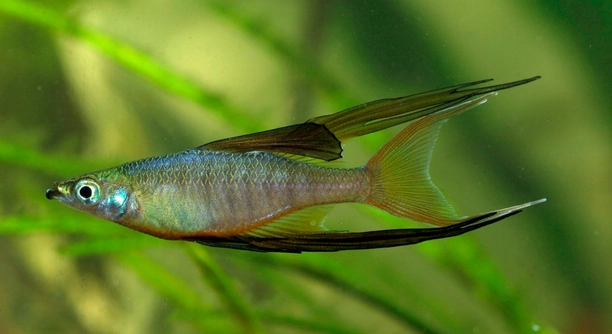
Threadfins are graceful fish often admired for their silvery bodies and delicate fins. They respond keenly to changes in their surroundings, including light and movement. Observing them in an aquarium reveals subtle behaviors many aquarists might not notice.
Threadfins exhibit heightened sensitivity to moving shadows near their tank. These fish often react by changing direction, pausing swimming, or seeking shelter. Their responses are instinctive and tied to survival, helping them avoid potential threats in their environment.
Recognizing these behaviors provides insight into their natural instincts and enhances the overall care and observation of these elegant fish.
Understanding Threadfins’ Sensory Perception
Threadfins rely heavily on their vision and lateral line system to detect changes in their environment. Moving shadows near the tank often trigger a cautious response, as the fish may interpret this as potential predators or disturbances. Observing their reactions can help identify patterns in behavior, such as sudden turns, rapid swimming, or hovering near tank decorations. Lighting conditions and the angle of the shadow also affect their response. Even minor movements outside the tank, like someone walking by or shifting objects, can cause noticeable reactions. Aquarists often notice that threadfins remain closer to the tank bottom or cluster together during these moments. Their natural instincts are strong, and understanding these behaviors provides insight into stress levels and comfort within the aquarium. Consistent observation allows adjustments to lighting, tank placement, or decoration to create a calmer environment. The more familiar you become with their responses, the easier it is to maintain a stable tank ecosystem.
Monitoring threadfins’ reactions helps maintain a calm tank environment, reducing stress and encouraging natural behavior patterns.
Awareness of these sensory triggers is essential. Over time, adjusting tank lighting and minimizing sudden movements can prevent unnecessary stress. Adding hiding spots and ensuring consistent conditions allows threadfins to feel secure. Gradual exposure to gentle movement outside the tank can also help them adapt without causing fear. Observing their body language, such as fin position and swimming patterns, provides clues about comfort levels. Ensuring proper tank maintenance, including water quality and decoration placement, further supports their well-being. By understanding how shadows influence their behavior, caretakers can promote healthier, more natural interactions and a stable aquatic environment, enhancing both observation and care.
Minimizing Stress from Shadows
Small adjustments can reduce stress, such as repositioning lights or covering reflective surfaces around the tank.
Creating a controlled environment involves careful lighting placement, consistent tank maintenance, and strategic decoration arrangement. Threadfins respond best to minimal sudden changes. Using opaque backgrounds and avoiding overhead movements can help them feel secure. Monitoring their reactions after adjustments ensures that changes are effective. Consistency in feeding and environmental conditions further reduces stress responses. Over time, these efforts promote natural swimming patterns and comfort in the tank, allowing the fish to thrive. Caretakers can implement gradual changes, providing quiet observation to track improvements. Observing interactions among multiple threadfins also reveals social behaviors affected by environmental changes. By prioritizing stability and reducing external disturbances, threadfins maintain healthier routines, swim confidently, and exhibit their typical elegant movements. With patience and attention, minor environmental modifications yield significant benefits in fish well-being and overall tank harmony.
Common Reactions to Shadows
Threadfins often freeze or dart away when a shadow passes near the tank. They may move toward hiding spots or gather in groups, displaying instinctive caution. These reactions are normal and show their awareness of potential threats in their environment.
Repeated exposure to moving shadows can cause threadfins to adjust their swimming patterns. They may reduce activity during high-traffic times near the tank or avoid certain areas entirely. Observing these subtle changes helps understand their comfort levels and provides insight into how environmental factors influence behavior. Adjustments to lighting or tank placement can make a noticeable difference in their stress levels. Over time, threadfins may show less intense reactions, indicating gradual adaptation. Monitoring these behaviors allows for better care and improved tank conditions. Recognizing patterns ensures that stressors are minimized, promoting a healthier and more stable environment.
Some threadfins react by swimming rapidly along the tank’s edges or changing depth quickly. Others display fin clamping or slight color changes. Understanding these behaviors allows caretakers to respond appropriately. Providing consistent conditions, hiding spots, and gentle movement around the tank helps reduce stress. Observing interactions with tank mates also reveals how shadows influence social behavior. Adjusting external light sources and minimizing sudden movements can lead to calmer, more natural swimming patterns. Threadfins gradually become accustomed to mild changes, showing resilience and adaptability. Tracking these responses contributes to maintaining a stable and comfortable habitat, benefiting both fish and caretaker.
Long-Term Impacts of Shadow Sensitivity
Frequent exposure to moving shadows can lead to heightened stress and affect overall health in threadfins.
Chronic stress from constant shadow movement may result in reduced feeding, slower growth, and weakened immune response. Threadfins exposed to frequent disturbances can develop avoidance behaviors, spending more time in shelters or clustered together. Long-term sensitivity may also impact social interactions and swimming activity, altering natural behavior patterns. Careful observation and environmental adjustments, including stable lighting and tank placement, are crucial for reducing stress. Regular monitoring ensures that fish remain healthy and display normal behaviors, while minimizing potential negative effects of environmental stressors. Maintaining consistency in tank conditions supports their well-being and encourages natural activity.
Adjusting Tank Lighting
Proper lighting can minimize stress caused by moving shadows. Soft, evenly distributed light reduces sudden contrasts and creates a stable environment for threadfins.
Avoid placing tanks near windows or areas with frequent overhead movement. Using diffused light or shaded fixtures helps maintain consistency and prevents startling the fish.
Creating Hiding Spaces
Adding rocks, plants, and other decorations provides threadfins with places to retreat. These shelters reduce anxiety when shadows pass across the tank. Providing multiple hiding spots encourages natural behavior and gives them control over their environment, helping them feel secure and confident within the aquarium.
Observing Social Behavior
Threadfins often adjust their interactions when shadows appear. Some may cluster, while others maintain distance. Monitoring these behaviors helps understand their comfort levels and guides adjustments to tank conditions, improving both social harmony and individual well-being.
Maintaining Consistency
Regular feeding schedules, clean water, and stable conditions support overall health. Consistency reduces stress responses, helping threadfins remain calm and display natural swimming patterns throughout the day.
FAQ
How do threadfins react to sudden movements outside the tank?
Threadfins are highly sensitive to changes in their environment. Sudden movements, such as someone walking past or objects shifting nearby, often cause them to pause, swim quickly to a hiding spot, or cluster together. These responses are instinctive, reflecting a natural survival mechanism rather than fear of a specific person or object.
Do all threadfins react the same way to shadows?
Not all threadfins respond identically. Some may dart to the tank bottom, while others hover near decorations. Individual differences, such as age, size, and previous exposure to disturbances, affect how each fish interprets moving shadows. Observing their behavior over time helps understand their unique responses.
Can repeated exposure to shadows stress threadfins?
Yes, frequent exposure to moving shadows can increase stress levels. Chronic stress may reduce feeding, alter swimming patterns, and impact overall health. Minimizing disturbances and creating a stable environment with hiding spots, consistent lighting, and calm surroundings helps mitigate these effects.
Are threadfins more active at certain times of day?
Threadfins often show heightened activity during daylight or periods when the tank is well-lit. Reduced lighting or shadows may cause them to seek shelter or move cautiously. Adjusting light schedules to simulate natural conditions helps maintain normal behavior patterns and reduces stress responses.
Do shadows affect their social interactions?
Shadows can influence how threadfins interact. Some may cluster for security, while others may keep distance to avoid perceived threats. Monitoring these changes allows caretakers to identify potential stressors and adjust tank conditions to encourage healthy social behavior.
What are the best ways to reduce shadow-related stress?
Minimizing abrupt light changes, using diffused lighting, and placing the tank away from high-traffic areas are effective strategies. Adding rocks, plants, or other shelters gives threadfins control over their environment. Observing reactions and adjusting conditions gradually ensures a calmer and healthier tank habitat.
Do threadfins adapt over time to shadows?
With consistent exposure in a controlled environment, threadfins often show reduced reactions to mild shadows. Gradual adaptation allows them to distinguish between real threats and minor environmental changes. Patience and careful observation are key to helping them feel secure.
Can improper tank placement increase sensitivity to shadows?
Yes, placing a tank near windows, doors, or areas with frequent overhead movement can increase stress. Strategic placement, away from constant external activity, ensures threadfins experience fewer disturbances and promotes natural, relaxed swimming patterns.
How can I tell if a threadfin is stressed by shadows?
Signs include rapid swimming along tank edges, fin clamping, hiding excessively, or changes in coloration. Observing feeding behavior and interactions with other fish also indicates stress levels. Taking note of these patterns helps in making timely adjustments to the environment.
Are some types of lighting better for threadfins?
Soft, diffused lighting is preferable, as it reduces harsh contrasts and sudden shadows. Avoiding direct sunlight or strong overhead lights ensures more consistent conditions. Using timers for gradual light transitions further supports a calm, predictable environment, enhancing overall fish well-being.
Do hiding spots help threadfins feel safer?
Yes, hiding spots such as plants, rocks, or tank decorations allow threadfins to retreat when disturbed. Multiple shelters encourage natural exploration and social behavior while providing a sense of security. Properly placed hiding areas reduce stress and support healthy activity throughout the tank.
Is monitoring their reactions important for tank management?
Observing threadfin behavior is crucial. Monitoring how they respond to shadows, movements, and lighting changes informs necessary adjustments. Regular observation ensures a stable, low-stress environment, helping maintain health, natural behavior, and long-term tank harmony.
Can stress from shadows affect feeding habits?
Stress caused by shadows or sudden movements may lead to reduced appetite. Threadfins may hesitate to approach food or eat less. Maintaining calm conditions, consistent feeding schedules, and safe hiding spaces encourages normal feeding behavior and overall health.
How long does it take for threadfins to adjust to a new environment?
Adjustment time varies, typically ranging from a few days to several weeks, depending on tank conditions and individual temperament. Consistent lighting, minimal disturbances, and secure hiding spots accelerate adaptation. Patience and careful observation help ensure successful acclimation and stress reduction.
Do tank mates influence reactions to shadows?
Yes, the presence of other fish can affect responses. Grouped threadfins may display collective caution, while solitary individuals may react differently. Observing interactions helps understand social dynamics and informs decisions on tank layout, hiding spots, and environmental adjustments.
Can stress from shadows cause illness?
Chronic stress may weaken the immune system, making threadfins more susceptible to disease. Maintaining stable environmental conditions, minimizing disturbances, and monitoring for stress behaviors are essential to prevent health issues and support long-term well-being.
How often should I check the tank for stress triggers?
Regular daily observation is recommended. Watching threadfins’ behavior during feeding, lighting changes, and external activity helps identify stress triggers early. Prompt adjustments maintain a calm environment, support natural behavior, and promote a healthy tank ecosystem.
Is it necessary to use background covers on tanks?
Background covers help reduce visual disturbances from outside movement, creating a stable environment. Solid or neutral-colored backgrounds limit sudden shadows and reflections, contributing to calmer behavior and reducing stress in threadfins.
Do threadfins prefer certain water conditions when stressed by shadows?
Stable water parameters, including temperature, pH, and clarity, support overall resilience. Threadfins are better able to handle minor environmental changes if water quality is consistent. Sudden fluctuations can amplify stress responses to shadows or other stimuli.
Can environmental enrichment reduce shadow-related stress?
Yes, adding plants, rocks, and varied terrain encourages exploration and provides safe retreat areas. Environmental enrichment allows threadfins to engage in natural behaviors, reducing sensitivity to shadows and fostering a more balanced, comfortable aquarium environment.
Is it helpful to limit external activity near the tank?
Reducing frequent movement around the tank decreases startling events. Limiting high-traffic areas, overhead motion, and reflective surfaces creates a calmer environment, enabling threadfins to establish stable routines and exhibit natural behavior without constant stress.
How can I track progress in reducing stress?
Observe changes in swimming patterns, social behavior, and feeding habits over time. Fewer sudden reactions to shadows, more confident movement, and normal appetite indicate successful adaptation. Keeping a simple log helps measure progress and guide further environmental adjustments.
Do threadfins ever completely ignore shadows?
With consistent exposure and a controlled environment, some threadfins may become less reactive to minor shadows. However, instinctive caution remains, and complete disregard is rare. Gradual exposure and environmental stability help them differentiate between harmless movements and potential threats, fostering confidence and calm behavior.
What role does tank size play in shadow sensitivity?
Larger tanks provide more space and hiding spots, reducing the impact of sudden shadows. Smaller tanks limit retreat options and may amplify stress responses. Proper tank size supports natural swimming behavior and helps threadfins manage environmental changes more effectively.
Can shadow sensitivity affect breeding behavior?
Stress from frequent shadows may reduce mating activity or disrupt normal reproductive behavior. Ensuring calm, stable conditions with adequate hiding spots supports both comfort and the likelihood of successful breeding in the aquarium.
Are there any signs of long-term adaptation to shadows?
Signs include calmer swimming patterns, reduced clustering, consistent feeding, and normal social interactions. Threadfins gradually distinguish between real threats and minor disturbances, showing improved confidence and comfort in their environment.
How important is observation compared to physical adjustments?
Observation is equally important as adjustments. Noting reactions to shadows informs effective changes to lighting, placement, and tank setup. Without careful monitoring, physical adjustments may not address the underlying causes of stress or improve overall fish well-being.
Do seasonal changes affect sensitivity to shadows?
Yes, changes in daylight or room lighting can alter reactions. Threadfins may be more sensitive during periods of higher natural light or fluctuating indoor conditions. Maintaining consistent tank lighting throughout seasonal shifts helps minimize stress responses and supports routine behavior.
Can stress responses be used to gauge overall health?
Behavioral reactions, including responses to shadows, often reflect overall health. Persistent heightened stress may indicate underlying issues, while calm, normal behavior suggests a well-maintained environment. Observing stress responses is a practical tool for assessing fish well-being.
Is there a recommended number of hiding spots per tank?
Providing multiple hiding spots proportional to tank size ensures each threadfin can access shelter when needed. A combination of plants, rocks, and decorations creates a comfortable environment, promoting confidence and reducing stress caused by shadows or sudden movements.
How does tank cleanliness affect shadow sensitivity?
Dirty or cloudy water can exacerbate stress by reducing visibility and comfort. Regular maintenance ensures clear water and allows threadfins to perceive shadows accurately, minimizing unnecessary reactions and supporting normal behavior.
Do threadfins’ reactions change with age?
Younger fish may be more reactive to shadows, while older, acclimated threadfins often show reduced sensitivity. Experience and familiarity with their environment contribute to calmer behavior and improved adaptation over time.
Can multiple stress factors combine with shadows to impact health?
Yes, combined stressors such as poor water quality, aggressive tank mates, or inconsistent lighting amplify reactions to shadows. Addressing all potential stressors ensures a stable environment and promotes long-term health and natural behavior in threadfins.
Is it beneficial to observe at different times of day?
Observing at varying times captures a full range of behavior, including responses to light changes, feeding, and social interactions. Multiple observations provide a more accurate understanding of stress patterns and allow targeted adjustments for calmer, healthier fish.
Do threadfins show memory of past disturbances?
Threadfins can associate repeated disturbances with stress, avoiding areas where shadows frequently appear. Providing consistent conditions and minimizing repeated startling events helps prevent long-term anxiety and supports normal, confident behavior.
How can I gradually acclimate threadfins to unavoidable shadows?
Introduce minor, controlled movements near the tank over time. Monitor reactions and allow gradual exposure, ensuring they retain hiding options. Consistent observation and patience help threadfins adjust without causing chronic stress, promoting comfort and resilience in their environment.
Are there specific tank shapes that reduce shadow effects?
Rectangular tanks with deeper areas and multiple hiding spots reduce sudden visual disturbances. Avoid narrow or shallow tanks where shadows travel quickly across the space, increasing stress. Proper layout enhances natural swimming patterns and provides safe retreat options.
Can stress from shadows shorten lifespan?
Chronic stress may impact immune function and overall vitality. Reducing environmental stressors, including shadows, supports longevity, natural behavior, and overall well-being of threadfins in captivity. Regular care and monitoring are essential for a healthy, long-lived aquarium population.
Do threadfins react differently to moving versus static shadows?
Moving shadows trigger more immediate and noticeable responses compared to static shadows. Dynamic changes activate instinctive caution, while stationary shadows are often ignored after initial assessment. Understanding this distinction informs tank placement, lighting, and environmental management strategies.
How can I measure the effectiveness of adjustments?
Track behavior, feeding, social interactions, and swimming patterns. Reduced darting, fewer hiding instances, and normal activity indicate successful environmental adjustments. Keeping notes helps refine strategies and maintain a calm, healthy habitat.
Is there a role for natural light in managing reactions?
Controlled natural light can be beneficial if consistent. Excessive or fluctuating sunlight increases moving shadows and stress. Using blinds, diffusers, or supplemental lighting ensures predictability and minimizes unnecessary reactions.
Do threadfins ever completely ignore shadows?
While they may become less reactive with acclimation, instinctive caution remains. Some mild shadows are ignored over time, but complete disregard is uncommon. Gradual exposure and environmental stability encourage confidence and calm behavior.
How do I know if my adjustments are too extreme?
Excessive hiding spots, dim lighting, or overly obstructed tanks may limit natural behavior. Observing normal exploration, feeding, and social interaction indicates a balanced environment. Adjust gradually to maintain comfort without restricting activity.
Can stress reduction improve overall tank harmony?
Yes, calmer threadfins display more consistent social behavior, natural swimming patterns, and feeding routines. Reducing stress from shadows contributes to healthier, more balanced interactions among all tank inhabitants.
Is it important to maintain quiet around the tank?
Minimizing noise and vibrations reduces startling events. A calm environment supports natural behavior, lowers stress levels, and complements other adjustments like lighting, hiding spots, and tank placement. Quiet surroundings help threadfins feel secure and confident.
Do seasonal changes in room activity affect reactions?
Higher household activity, seasonal visitors, or shifts in lighting patterns may increase shadow-related stress. Maintaining consistent conditions helps threadfins adjust and reduces the impact of fluctuating external factors.
Can I use observation logs for long-term management?
Recording behaviors, reactions, and environmental changes over time helps identify trends and stressors. Logs guide adjustments, evaluate progress, and ensure consistent care, promoting a stable, comfortable environment for threadfins.
Is it helpful to compare multiple tanks?
Comparing tanks with similar setups allows observation of how environmental variables affect shadow sensitivity. Insights from multiple setups inform best practices for tank arrangement, lighting, and stress reduction strategies.
Do individual personalities affect reactions?
Yes, temperament and previous experiences influence responses. Some threadfins are naturally more cautious, while others are more confident. Recognizing individual differences ensures tailored care and effective stress management.
How often should I adjust lighting or tank layout?
Adjustments should be gradual and infrequent unless necessary. Sudden changes may increase stress. Observing responses to minor modifications helps determine the right balance for maintaining a stable, comfortable environment.
Can stress from shadows affect reproduction?
High stress levels may reduce mating activity or disrupt spawning behavior. Providing calm conditions, hiding spots, and stable lighting supports reproductive health and encourages natural breeding patterns.
Are reflections similar to shadows in causing stress?
Yes, reflections can trigger similar responses. Minimizing reflective surfaces and positioning tanks carefully reduces both shadow- and reflection-related stress. Proper placement encourages calmer, natural behavior patterns in threadfins.
Do threadfins ever show habituation to regular disturbances?
With consistent, non-threatening exposure, threadfins may show reduced reactions over time. Habituation allows them to distinguish harmless movements from real threats, supporting confidence, normal activity, and lower stress levels.
Is it necessary to rotate hiding spots periodically?
Occasional changes keep the environment stimulating but should be gradual. Sudden rearrangements can increase stress. Rotating decorations carefully maintains engagement without causing undue anxiety.
Can combining hiding spots and diffused lighting improve adaptation?
Yes, combining shelters with soft, even lighting reduces visual disturbances and provides control over their environment. This combination supports natural behavior, lowers stress, and enhances overall well-being.
How do I balance observation with minimal disturbance?
Watch from a distance or use indirect viewing angles. Avoid tapping the glass or creating shadows yourself. This approach allows accurate monitoring without adding stress, supporting natural behavior and effective care.
Do threadfins react differently to shadows depending on water clarity?
Clear water allows better perception of shadows, often leading to more noticeable reactions. Cloudy or tinted water may reduce visibility but can also increase anxiety. Maintaining clean, clear water supports accurate environmental cues and natural responses.
Can gradual acclimation help new threadfins adapt?
Introducing new fish slowly to tank lighting, shadows, and movement reduces initial stress. Gradual exposure, combined with hiding spots and stable conditions, helps them settle more quickly and confidently.
Is there a role for observation technology, like cameras?
Cameras allow monitoring without constant human presence, reducing disturbances. Video observation helps track behavior, identify stress triggers, and guide adjustments, ensuring a calmer, healthier environment for threadfins.
How do I handle sudden unavoidable shadows?
Providing multiple hiding spots, maintaining calm surroundings, and avoiding additional disturbances helps threadfins manage brief, unavoidable shadows. Over time, they often recover quickly without lasting stress.
Are smaller or larger threadfins more sensitive to shadows?
Smaller or younger threadfins tend to be more reactive due to inexperience and vulnerability. Larger, acclimated fish often show more confidence but still respond instinctively to sudden movements.
Do seasonal light changes affect shadow sensitivity?
Yes, longer daylight periods or fluctuating indoor light can increase reactivity. Consistent tank lighting and controlled exposure help maintain stable behavior regardless of seasonal shifts.
Can stress from shadows affect color or appearance?
Chronic stress may cause slight color dulling or fin clamping. Reducing disturbances and maintaining calm conditions help threadfins maintain their natural appearance and overall health.
How do I know if a hiding spot is effective?
Fish should use the area comfortably, retreating when disturbed but still exploring other parts of the tank. Observing usage indicates if the shelter provides adequate security and reduces stress.
Do threadfins communicate stress to tank mates?
Yes, heightened stress can influence group behavior. Fish may cluster, mirror reactions, or avoid certain areas. Understanding these dynamics helps manage tank layout, social interactions, and environmental stability.
Is it necessary to adjust feeding times to reduce shadow stress?
Feeding at predictable times under calm conditions encourages normal behavior. Avoiding feeding during periods of high external movement reduces stress and promotes healthy appetite and routine.
Can regular water changes help reduce stress from shadows?
Maintaining clean, stable water supports overall health and resilience. Consistent conditions make threadfins less reactive to minor disturbances, including shadows, contributing to a calmer, more stable environment.
How important is patience in reducing shadow-related stress?
Patience is essential. Gradual exposure, consistent conditions, and careful observation allow threadfins to adapt safely. Rushed changes or over-monitoring can worsen stress rather than alleviate it.
Do threadfins ever become completely fearless of shadows?
Complete disregard is unlikely. Even acclimated fish retain instinctive caution. However, careful environmental management and gradual exposure significantly reduce unnecessary reactions, supporting calm and confident behavior over time.
Can excessive external movement undo progress?
Yes, sudden or frequent disturbances may trigger stress responses despite previous acclimation. Minimizing external movement, maintaining stable conditions, and ensuring sufficient hiding spots preserve progress and promote ongoing well-being.
How can I combine multiple strategies for best results?
Integrate consistent lighting, hiding spots, minimal disturbances, and careful observation. Combining these methods provides a comprehensive approach, promoting adaptation, reducing stress, and supporting natural behavior in threadfins.
Do environmental changes impact sleep or rest patterns?
Yes, frequent shadows or sudden light changes may disrupt resting periods. Maintaining calm, predictable conditions helps threadfins rest properly, supporting overall health and reducing stress.
Is there a limit to how much threadfins can adapt?
Adaptation has limits; instinctive caution remains. Providing a stable environment and gradual exposure helps maximize comfort, but complete elimination of stress responses is unrealistic and unnecessary for healthy behavior.
How often should I reassess tank conditions?
Regular
Final Thoughts
Observing threadfins’ reactions to moving shadows offers valuable insight into their natural behavior and instincts. These fish are highly sensitive to changes in light and movement, and their responses are a normal part of how they perceive potential threats. Pausing, darting to hiding spots, or clustering with other fish are instinctive behaviors that help them feel secure in their environment. Understanding these reactions is essential for anyone caring for threadfins, as it provides a clearer picture of their comfort levels and overall well-being. Creating a stable tank environment with minimal sudden disturbances allows threadfins to maintain natural swimming patterns and reduces stress. Even small adjustments, like relocating the tank to a quieter area or controlling overhead lighting, can make a significant difference in their behavior. Over time, careful observation and attention to environmental cues help caretakers anticipate and address potential stressors before they become serious issues. By learning to recognize subtle signs, such as changes in fin position or swimming speed, it becomes easier to maintain a calm and supportive habitat for these fish.
Providing hiding spots and varied tank decorations is another key factor in ensuring threadfins feel safe. Plants, rocks, and other structures give them control over their surroundings and allow for retreat when disturbances occur. Multiple shelters distributed throughout the tank encourage exploration while offering refuge during moments of perceived threat. Combining these physical adjustments with controlled lighting helps reduce the intensity of stress responses caused by shadows. Gradual exposure to mild environmental changes allows threadfins to adapt without feeling overwhelmed, and consistent monitoring ensures that their habitat continues to meet their needs. Maintaining clean water and stable conditions further supports health and reduces susceptibility to stress-related issues. It is important to remember that each fish may react differently, and individual personalities influence how they respond to external stimuli. Some threadfins may be more cautious, while others appear bolder, yet all benefit from a stable, predictable environment that allows them to express natural behaviors comfortably.
Long-term observation and attentive care are essential for keeping threadfins healthy and thriving. By monitoring how they respond to shadows, changes in light, and interactions with tank mates, caretakers can make informed adjustments that promote well-being. Reducing stress not only improves behavior and activity levels but also supports feeding habits, social interactions, and overall immune function. Patience is crucial, as adaptation can take time and varies between individual fish. Even with careful management, threadfins retain instinctive caution, and occasional reactions to environmental changes are normal. The goal is not to eliminate all responses but to minimize unnecessary stress while providing a secure, comfortable habitat. By combining stable tank conditions, proper lighting, adequate hiding spots, and attentive observation, caretakers can foster a healthy, harmonious environment. Supporting natural behavior and minimizing stress ensures that threadfins maintain their vitality and elegance, making the aquarium a more enjoyable and balanced space for both the fish and the caretaker.

Hello,
If you enjoy the content that we create, please consider saying a "Thank You!" by leaving a tip.
Every little bit helps us continue crafting quality advice that supports the health, happiness, and well-being of pets around the world, for pets of all shapes, sizes, and species.
We really appreciate the kindness and support that you show us!