
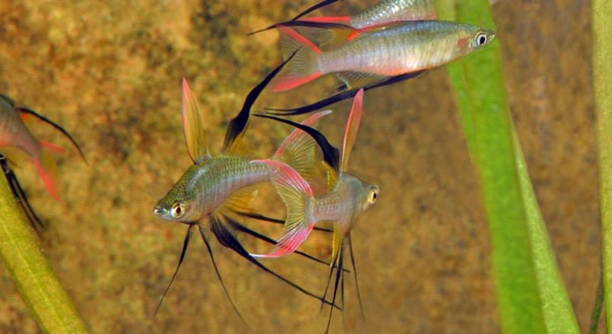
Do you ever find yourself watching your threadfin rainbowfish and wondering which one seems to take the lead in the tank each day?
The alpha threadfin rainbowfish can be identified through subtle traits involving posture, movement, and interaction with other fish. These behaviors establish dominance and hierarchy, helping the alpha maintain its position within the group setting.
Noticing these traits can help you better understand your rainbowfish community and keep their environment balanced, peaceful, and engaging.
Subtle Signs of Dominance
Threadfin rainbowfish are gentle by nature, yet within their group, there is always one that quietly takes the lead. The alpha fish often displays slightly more vibrant colors, standing out when the light catches its body. Its fins may appear fuller, and the way it swims carries a level of confidence that is hard to miss. Unlike others that dart nervously, the alpha glides smoothly, controlling space without needing to chase constantly. Its feeding behavior also sets it apart, often reaching food first with steady precision. Observing these details allows you to notice subtle but consistent signs of dominance.
The alpha’s body language and position in the tank are enough to reveal its standing. These traits might look small, but together, they form a clear pattern of authority.
By paying attention to posture, movements, and interactions, you begin to see how the alpha secures its role and influences the group’s behavior.
How the Alpha Interacts
An alpha threadfin rainbowfish does not need to act aggressively to hold its place. Instead, it establishes order through measured interactions. This often includes calmly swimming ahead of the group or maintaining favored spots in the aquarium.
The alpha’s presence shapes the behavior of other fish in subtle ways. Subordinates often follow its movements, creating a ripple of coordination across the tank. Feeding time highlights this even more, as the alpha typically reaches food first while others adjust their positions around it. Rarely does the alpha display aggression; instead, it sets boundaries through gentle nudges or quick fin displays. This keeps the group balanced while minimizing stress. Over time, this quiet authority strengthens the tank’s hierarchy, ensuring a smoother dynamic overall. Watching these behaviors unfold can make caring for your rainbowfish feel more rewarding, as you see their natural social order come to life right before your eyes.
Feeding Habits
The alpha threadfin rainbowfish usually eats first and most confidently. It moves with purpose toward food, claiming the best spots while others wait their turn. This behavior demonstrates its control and subtly reinforces its dominance in the tank environment.
Observing feeding time closely reveals more than just who eats first. The alpha often positions itself centrally, making sure subordinate fish respect its space. Its approach is deliberate, slow, and unhurried, showing a calm confidence. Subordinate fish typically adjust their behavior, yielding space without confrontation. Over time, these patterns become predictable, giving you clear insight into the social hierarchy. The alpha’s selective feeding strategy also helps it maintain vibrant coloration and robust health, contributing to its noticeable presence in the tank.
Feeding patterns can also indicate stress or illness in the group. The alpha’s consistent approach provides a point of comparison to detect changes. By noting these habits, you gain a better understanding of both dominance and overall fish well-being, allowing timely adjustments to diet or tank management for a balanced aquarium environment.
Social Interactions
Alpha threadfin rainbowfish maintain subtle control over social dynamics. They lead the group in swimming patterns, influence feeding order, and often occupy the most desirable areas of the tank. Their presence is both guiding and commanding, ensuring a stable group hierarchy.
Interactions among fish are heavily shaped by the alpha’s behavior. Subordinates rarely challenge it, often mirroring its movements or avoiding certain spaces entirely. The alpha communicates dominance through posture, fin displays, and gentle nudges, rather than overt aggression. Its leadership creates a rhythm within the tank, helping reduce conflicts and stress among the group. Over time, these interactions become a predictable system, where the alpha’s role is respected and the social structure remains intact. Observing these patterns can deepen your understanding of how threadfin rainbowfish naturally organize themselves.
Territorial Behavior
The alpha threadfin rainbowfish claims certain areas of the tank as its own. It swims through these zones regularly, ensuring other fish avoid these spaces. This behavior helps maintain order and signals its position without needing constant confrontation.
Other fish recognize these boundaries and adjust their movement accordingly. The alpha’s control over territory keeps the tank balanced, preventing unnecessary stress or disputes.
Courtship Displays
The alpha often shows more elaborate colors and fin movements when near potential mates. These subtle displays signal health, strength, and suitability for pairing, distinguishing it from other fish in the group.
Response to Threats
The alpha reacts quickly to any perceived threat. It positions itself strategically, often between the danger and other fish, guiding the group safely through potential disturbances.
Confidence in Movement
Alpha threadfin rainbowfish move with steady, assured strokes. Their swimming is smooth and deliberate, demonstrating control over both space and group behavior within the tank.
FAQ
How can I tell which threadfin rainbowfish is the alpha?
The alpha shows subtle signs of dominance, like leading swimming patterns, claiming central or favored spots, and eating first. Its colors may appear slightly brighter, and its movements are confident and steady. Subordinate fish often yield space and follow its lead without direct confrontation. Watching these patterns over several days gives a reliable view of who holds the alpha role.
Do alpha fish bully others?
Not usually. The alpha maintains order mostly through subtle cues like posture, positioning, and nudges rather than constant aggression. Rare displays of fin-flaring or minor nudging establish hierarchy, but most interactions are calm and measured. This behavior keeps the tank’s social structure stable and minimizes stress among subordinate fish.
Will the alpha always be the largest fish?
Size is not the only factor. While alpha fish are often slightly larger, dominance is more about confidence, assertive movement, and strategic positioning. Smaller fish can become alphas if they consistently display leadership behaviors, assert space effectively, and maintain healthy, vibrant colors that signal strength to the group.
Can there be more than one alpha?
In most small to medium groups, there is usually a single clear alpha. Larger or densely populated tanks may have temporary leaders for specific areas, but the main alpha generally dominates feeding and central positions. Observing interactions over time helps identify who truly holds the top position.
How does the alpha affect feeding times?
The alpha consistently reaches food first and often takes the most desirable spots. Subordinate fish adjust their behavior to avoid conflicts, often waiting or feeding around the alpha. This pattern ensures calm feeding and reinforces the social hierarchy without unnecessary stress or fighting over food.
Does the alpha influence tank harmony?
Yes. Its calm and confident behavior sets the tone for the group. Subordinates follow its lead, swim in coordinated patterns, and avoid unnecessary conflicts. This structure reduces stress in the aquarium, helping all fish feel secure and improving overall group dynamics and well-being.
What happens if the alpha is removed?
Removing the alpha temporarily disrupts the social structure. Other fish may compete for dominance, displaying fin-flaring or chasing behaviors. A new alpha usually emerges after several days, establishing the same order as before. Keeping an eye on these shifts helps maintain a balanced tank environment.
Can the alpha fish change over time?
Yes. Changes in health, age, or behavior can result in a different fish taking the alpha role. Subtle shifts in confidence, feeding patterns, or territorial claims often signal a new leader emerging. Monitoring these changes ensures you understand your tank’s evolving hierarchy.
How can I support a healthy alpha?
Provide balanced nutrition, proper tank space, and stable water conditions. A healthy environment allows the alpha to display natural behaviors without stress. Maintaining plants or decorations for hiding spots also helps subordinate fish feel safe, which reinforces the alpha’s role while promoting overall tank stability.
Do female threadfin rainbowfish respond differently to an alpha?
Females tend to follow the alpha’s lead in swimming and feeding. They respond to subtle courtship displays, including color flashes and fin movements. The alpha’s calm presence reduces stress among females, creating a balanced social environment that encourages healthy interactions and natural behaviors.
How do I observe alpha behaviors without stressing the fish?
Watch quietly from outside the tank, avoid sudden movements, and feed on a predictable schedule. Regular observation allows you to notice leading behaviors, subtle nudges, and territorial patterns. Minimal interference helps the alpha maintain its natural role while keeping the group relaxed.
Can tank decorations influence alpha behavior?
Yes. Open swimming areas allow the alpha to assert control, while plants and hiding spots let subordinate fish navigate without stress. Properly arranged decorations balance visibility and shelter, supporting the alpha’s leadership and ensuring a calm, structured environment for all fish.
Is it normal for the alpha to swim alone sometimes?
Absolutely. The alpha often patrols territory or claims favored spots, temporarily separating from the group. This behavior reinforces dominance, allows strategic positioning, and provides a clear signal to others about territory and leadership within the tank.
How long does it take to identify the alpha?
Typically, consistent observations over several days to a week reveal clear patterns. Watching feeding behavior, swimming order, territorial claims, and interactions with other fish makes it easier to recognize which individual consistently leads the group.
Can stress affect the alpha’s behavior?
Yes. Poor water conditions, overcrowding, or sudden changes can reduce confidence and alter leadership behavior. The alpha may become less assertive, hesitate at feeding, or lose territory. Maintaining a stable environment is key to ensuring the alpha continues to thrive and guide the group naturally.
Final Thoughts
Understanding the behavior of an alpha threadfin rainbowfish is a helpful way to observe social dynamics within your tank. The alpha often leads without aggression, using subtle cues like positioning, posture, and smooth movements. Watching these behaviors can make caring for your rainbowfish more engaging, as you notice how the group interacts around a single confident fish. Recognizing these traits allows you to support a healthy environment where all fish can coexist comfortably. Paying attention to feeding order, swimming patterns, and territorial boundaries provides insight into the natural hierarchy, showing that dominance does not require constant confrontation but relies on consistent, confident behavior. This understanding can make tank management easier and more satisfying, as you see the group function in a balanced way.
Maintaining a proper environment for your rainbowfish strengthens the alpha’s role and keeps the group stable. Balanced nutrition, clean water, and adequate space are key to allowing natural behaviors to appear. Decorations such as plants and hiding spots give subordinate fish areas to retreat, reducing stress and reinforcing the alpha’s leadership without conflict. A healthy tank supports the alpha’s vibrant colors and calm movements, signaling well-being to other fish. Observing how the alpha interacts with its group helps you notice when something changes, whether due to stress, illness, or environmental shifts. By creating the right conditions, the alpha can continue to guide the group while all fish remain healthy, active, and engaged.
Watching an alpha threadfin rainbowfish over time provides a deeper appreciation for these subtle behaviors. Each fish develops its own personality, and the alpha’s confident presence sets the tone for others. Subtle displays like gentle nudges, fin positioning, and careful movement patterns create a structured and predictable social order. Understanding this hierarchy also gives insight into how subordinate fish adjust, showing the balance between leadership and cooperation in the tank. Observing these interactions not only enriches the experience of keeping rainbowfish but also helps ensure that each fish thrives in a peaceful, well-managed environment. Paying attention to details like feeding, swimming, and territory allows for informed decisions, supporting both the alpha’s role and the overall harmony of the group. This approach encourages a calm, healthy aquarium where natural behaviors are respected and appreciated.

Hello,
If you enjoy the content that we create, please consider saying a "Thank You!" by leaving a tip.
Every little bit helps us continue crafting quality advice that supports the health, happiness, and well-being of pets around the world, for pets of all shapes, sizes, and species.
We really appreciate the kindness and support that you show us!