
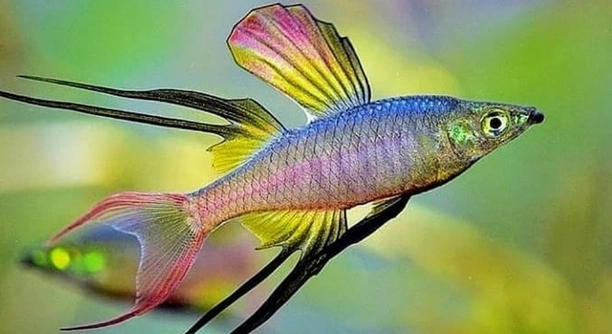
Threadfins are known for their synchronized swimming and large, organized schools in coastal waters. These fish often move together gracefully, creating a mesmerizing display that attracts both predators and observers alike, making them a fascinating species to watch closely.
Threadfins may suddenly stop schooling due to environmental stressors, sudden changes in water temperature, predator presence, or disruptions in their food sources. Such factors affect their communication and cohesion, causing individuals to disperse and alter their typical schooling behavior.
Understanding why these changes occur can provide insights into their behavior, survival strategies, and the delicate balance of their aquatic environment.
Environmental Changes Affecting Threadfins
Threadfins are highly sensitive to shifts in their surroundings. Sudden changes in water temperature, salinity, or oxygen levels can disturb their schooling patterns. Even small fluctuations may cause stress, making them scatter instead of moving in unison. Coastal development and industrial activity can alter their habitats, introducing pollutants or debris that interrupt their swimming. Natural events, like storms or tidal shifts, also impact water clarity and current strength, affecting how threadfins coordinate their movement. When conditions become unstable, threadfins instinctively break formation to seek safer or more comfortable areas. This behavior helps them reduce the risk of predation and ensures they remain close to adequate food sources. Observing these changes highlights the delicate balance these fish maintain with their environment and emphasizes the importance of stable coastal ecosystems for their survival. Maintaining clean waters and monitoring environmental conditions are crucial for supporting threadfin populations.
Stress from environmental changes can cause threadfins to leave their schools temporarily to find stable conditions.
Monitoring these factors provides insight into their behavior and how human activity impacts schooling patterns and overall survival.
Predation and Threat Response
Predators play a significant role in schooling behavior. When a predator is nearby, threadfins may suddenly disperse to avoid being targeted. This rapid response minimizes the chance of multiple fish being caught at once. Their usual tight formation becomes a protective strategy under threat, but it can quickly dissolve if the predator’s presence is overwhelming. Smaller predators or sudden movements can trigger the same reaction, causing disorientation within the school.
Predation pressure forces threadfins to adapt constantly, affecting feeding and migration patterns.
When threat levels are high, schooling behavior can become irregular for extended periods. This disruption affects feeding efficiency because dispersed fish may struggle to find sufficient food. Juvenile threadfins are particularly vulnerable, as they lack the size and speed to evade predators alone. Human activity, such as boating or fishing, can increase perceived threats, further altering school cohesion. Over time, repeated disruptions may lead to long-term behavioral changes, influencing reproductive success and population stability. Understanding these dynamics is essential for fisheries management and conservation efforts. Protecting habitats and minimizing human-induced stressors help maintain healthy schooling behavior, ensuring threadfins can thrive and continue their natural patterns.
Food Availability and Foraging
Threadfins often stop schooling when searching for food. Scarcity or uneven distribution of prey forces them to spread out and explore individually.
When food becomes limited, threadfins must adjust their behavior to ensure survival. Schools break apart so fish can cover more area and increase their chances of finding prey. Individual foraging allows them to exploit resources that might be missed when moving in a tight group. This behavior is more common during seasonal changes or in areas where human activity affects the abundance of smaller fish and plankton.
Dispersal for feeding also reduces competition within the school. By spreading out, threadfins can access prey without constantly jostling or being blocked by other fish. This strategy helps maintain energy levels and supports growth. Even when schooling resumes, these periods of separation are essential for their overall health and ensure each fish has enough food to survive and reproduce effectively.
Reproduction and Spawning Behavior
During spawning seasons, threadfins temporarily stop schooling to focus on reproduction. Individual fish often seek specific spawning grounds.
Spawning requires precise timing and location, so large groups may separate to increase mating success. Fish move to shallow waters or areas with specific currents to lay eggs safely. Males and females concentrate on pairing and guarding eggs, which interrupts their usual synchronized swimming. This temporary separation is critical for ensuring fertilization and protecting the next generation from predators.
The need to reproduce influences many aspects of threadfin behavior. Fish may return to schooling after spawning, but patterns can remain irregular until environmental conditions stabilize and juveniles grow. During this period, schools may be smaller or scattered, reflecting the balance between reproductive needs and group cohesion. Understanding these behaviors helps explain why threadfins sometimes act unpredictably and highlights the complex interplay between survival, feeding, and reproduction.
Social Hierarchy and Internal Dynamics
Threadfins sometimes stop schooling due to internal social structures. Dominant individuals can influence group movement and cause temporary splits.
Conflicts over leadership or access to resources may lead some fish to separate. Subordinate fish might avoid dominant members, creating smaller groups or temporary isolation.
Disease and Health Concerns
Illness can disrupt schooling behavior. Infected fish may lag behind or isolate themselves to reduce stress and avoid spreading pathogens within the group. This behavior protects the school while allowing affected individuals a chance to recover.
Seasonal Migrations
Threadfins often stop schooling during migrations. Changing currents, temperature shifts, and food distribution require fish to move at different speeds, temporarily scattering the group.
Human Interference
Boating, fishing, and coastal construction can disturb schools. Sudden noise or movement can startle threadfins, causing them to break formation and swim erratically.
FAQ
Why do threadfins stop schooling suddenly?
Threadfins stop schooling suddenly due to environmental changes, predator threats, food scarcity, reproductive behavior, disease, or human interference. Any factor that affects their safety, energy, or ability to coordinate can trigger dispersal. This is a natural survival strategy that allows individuals to respond quickly to changing conditions.
How does water temperature affect schooling behavior?
Water temperature directly impacts threadfin metabolism and activity levels. Sudden drops or spikes can stress the fish, causing them to separate from the school. Cooler water may slow swimming, while warmer water can increase energy needs, forcing individuals to find suitable conditions independently.
Can predators really make schools break apart?
Yes, predators are a major reason for sudden dispersal. A predator’s presence triggers instinctive responses, causing threadfins to scatter. This reduces the likelihood of multiple fish being captured at once. Even smaller threats can cause temporary chaos within a school, altering normal behavior.
Do threadfins ever leave their schools for food?
Threadfins often break from the group to forage. Scarce or unevenly distributed prey makes individual searching more efficient. Spreading out allows them to access food without competition and ensures each fish maintains energy levels necessary for survival and growth.
Does reproduction affect schooling patterns?
Spawning disrupts schooling because fish prioritize mating over group cohesion. They seek specific spawning grounds and pair off for egg laying. Males may guard nests while females return to feeding areas. During this time, schools are smaller, scattered, and less synchronized.
Can illness impact schooling behavior?
Yes, sick or injured threadfins often isolate themselves from the group. This prevents stress and reduces the risk of spreading disease. Dispersal due to health concerns is temporary, but it helps maintain overall school stability and survival rates.
How do seasonal migrations influence school formation?
During migrations, threadfins face changing currents, temperatures, and food distribution. Fish move at different speeds or stop intermittently, temporarily scattering the school. Once conditions stabilize, cohesion gradually returns, but migration periods often produce smaller or loosely connected groups.
Does human activity disrupt threadfin schools?
Human interference, like boating, fishing, or coastal construction, can startle threadfins. Sudden noise or movement causes erratic swimming and breaks formation. Frequent disturbances may have long-term effects on schooling behavior, feeding efficiency, and reproductive success.
Are there signs that indicate schooling stress?
Signs include erratic swimming, sudden dispersal, slower movement, or prolonged isolation of some individuals. Observing these behaviors often signals environmental stress, predator presence, or scarcity of resources. Early detection can help researchers and conservationists manage habitats more effectively.
How long does it take for schools to reform?
School cohesion often returns once stressors are removed. Recovery time varies depending on the cause, fish density, and environmental stability. Minor disturbances may see schools reform within hours, while major changes, such as habitat disruption or spawning periods, can take days or weeks.
Can threadfins adapt to repeated disturbances?
Threadfins can adjust behavior over time, learning to avoid certain areas or respond differently to threats. However, repeated or intense disturbances may permanently alter schooling patterns, reduce reproductive success, or cause population decline if conditions remain unfavorable.
What role does schooling play in survival?
Schooling provides protection from predators, helps with efficient foraging, and improves navigation during migrations. Breaking formation is only a temporary adaptation. The ability to return to coordinated movement ensures threadfins maintain social structure and safety while meeting their survival needs.
How can humans help maintain healthy schools?
Minimizing coastal pollution, regulating fishing practices, and reducing boat traffic in sensitive areas help threadfins remain in cohesive schools. Conserving habitats and monitoring environmental conditions ensures populations remain stable, allowing natural behaviors to continue safely and effectively.
Do juvenile threadfins behave differently from adults?
Juveniles are more vulnerable and often rely heavily on school cohesion for protection. They may lag behind or scatter more easily under stress, making them more sensitive to environmental changes, predators, or human disturbances than adults.
Are there seasonal patterns to schooling disruptions?
Yes, disruptions are more common during spawning and migration periods. Seasonal changes in temperature, currents, and prey availability also influence school size and formation. Fish adapt by temporarily dispersing to meet energy, reproductive, and safety needs before reforming schools.
Final Thoughts
Threadfins are remarkable fish that rely heavily on schooling for safety, feeding, and navigation. Their coordinated movements make them efficient at avoiding predators and finding food. However, schooling is not constant. Various factors can disrupt it, and observing these changes provides insight into how sensitive these fish are to their environment. Environmental conditions, including water temperature, oxygen levels, and salinity, play a major role. Sudden changes in these factors can stress threadfins, prompting them to scatter temporarily. Human activities, such as boating, coastal construction, and fishing, also impact schooling behavior. Even minor disturbances can cause erratic swimming and temporary dispersal, demonstrating how closely their behavior is tied to surrounding conditions. These disruptions, while often temporary, highlight the importance of stable and clean aquatic habitats for the continued health of threadfin populations. Understanding these triggers helps researchers, conservationists, and coastal managers protect both the species and the ecosystems they inhabit.
Food availability and reproductive needs are additional reasons threadfins may stop schooling. When food is scarce or unevenly distributed, individual fish must forage independently to maintain energy levels. This behavior ensures that each fish can access adequate nutrition, even if it means leaving the safety of the school. Similarly, spawning periods require fish to separate and seek specific locations for reproduction. During these times, males and females focus on pairing and egg-laying, temporarily reducing cohesion within the school. Disease and health concerns also influence behavior. Sick or injured fish often isolate themselves, preventing further stress and reducing the risk of spreading pathogens. These natural behaviors demonstrate the balance between survival needs and group dynamics. While it may appear that threadfins are vulnerable when dispersed, these adaptations help individuals thrive in changing conditions and maintain long-term population stability.
Predation is another critical factor affecting schooling patterns. When predators are present, threadfins instinctively scatter to reduce the risk of multiple fish being captured at once. This behavior emphasizes the importance of schooling for protection, as well as the flexibility needed to respond to immediate threats. Seasonal migrations further affect cohesion, as fish adjust their speed and movement based on currents, temperature, and food availability. Juvenile threadfins are particularly sensitive to disruptions, relying on the school for safety while adapting to environmental changes. Overall, observing when and why threadfins stop schooling provides a clearer understanding of their behavior and survival strategies. By maintaining stable habitats, minimizing human disturbances, and monitoring environmental conditions, we can support these fish in continuing their natural patterns. The balance between schooling and individual needs highlights the complexity of their behavior and the careful management required to ensure their ongoing health.

Hello,
If you enjoy the content that we create, please consider saying a "Thank You!" by leaving a tip.
Every little bit helps us continue crafting quality advice that supports the health, happiness, and well-being of pets around the world, for pets of all shapes, sizes, and species.
We really appreciate the kindness and support that you show us!