
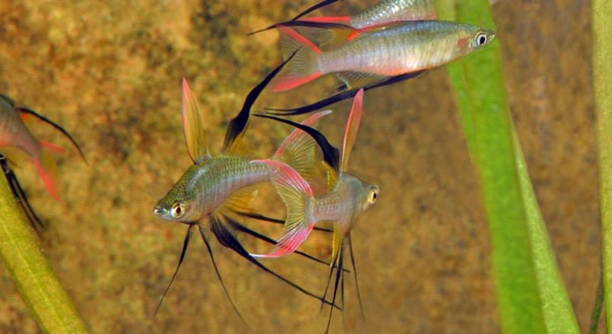
Observing threadfins can be both relaxing and rewarding, yet it is easy to overlook small details that affect your understanding of these fascinating fish. Many enthusiasts may unintentionally miss cues that indicate health and behavior.
Common mistakes when observing threadfins include misjudging their movement patterns, ignoring environmental cues, and failing to monitor subtle changes in coloration or fin activity. Accurate observation requires patience, attention to detail, and consistent documentation of their behavior over time.
Learning to notice these simple errors can improve your observation skills and enhance your enjoyment of threadfins in their natural environment.
Misreading Threadfin Behavior
Threadfins often exhibit subtle movements that can be easy to misinterpret. They may swim quickly across the water or hover near structures, which some assume is normal activity. However, sudden darting or staying in one area too long can indicate stress, poor water conditions, or minor injuries. Observing without context may lead to false conclusions about their health. Taking notes on patterns over several days helps distinguish normal activity from signs that need attention. Feeding times can also influence movement; they may appear frantic when food is introduced. Similarly, environmental changes like lighting, water temperature, or tank mates can alter behavior, making it seem unusual when it is not. Being patient and consistent with observation reduces mistakes and allows for a better understanding of each fish’s unique habits.
Small changes in behavior often signal underlying issues that need correction before they escalate. Regular monitoring ensures early detection of problems.
Tracking movement and behavior over time allows you to notice trends and variations. For instance, repeated hovering near the surface may indicate oxygen levels, while consistent rapid swimming along the tank edges could point to stress or irritation. Environmental factors like current, light intensity, or the presence of other fish impact activity, and misreading these signals is common. By observing under consistent conditions, you can distinguish normal fluctuations from concerning patterns. Recording daily notes, including feeding times, water temperature, and any new stimuli, provides a clearer picture of threadfin habits. Over time, this data helps refine your observations and reduces the likelihood of misinterpretation, ensuring a more accurate understanding of their health and wellbeing.
Ignoring Environmental Conditions
Threadfins are sensitive to changes in their surroundings. Water temperature, quality, and lighting all influence their behavior and health. Observing without accounting for these factors can lead to inaccurate assessments.
Water clarity, temperature, and oxygen levels directly affect activity levels. Improper conditions may mimic illness or stress, misleading observations.
Environmental monitoring is critical when observing threadfins. Fluctuations in water temperature can cause them to become lethargic or overly active. Poor water quality increases susceptibility to disease, making minor signs of illness more apparent. Lighting plays a role in color vibrancy and feeding behavior, which, if ignored, may appear as behavioral anomalies. Even minor changes, such as moving decorations or introducing new tank mates, can alter swimming patterns or cause hiding, complicating observation. By maintaining stable, optimal conditions and recording any variations, you ensure that behavior reflects natural tendencies rather than reactions to avoidable stressors. Consistent care and environment awareness allow for accurate assessments, helping you identify real behavioral issues rather than environmental misinterpretations.
Overlooking Fin Health
Threadfins’ fins can reveal early signs of stress or disease. Torn, clamped, or discolored fins are often subtle but important indicators that something in their environment or diet needs attention.
Careful observation of fins helps prevent serious issues. Frayed or curled fins may indicate poor water quality, injury from tank decorations, or aggressive tank mates. Discoloration or spots could suggest fungal or bacterial infections. Regular inspection, ideally during feeding or rest periods, makes it easier to notice changes. Maintaining a consistent cleaning schedule, monitoring water parameters, and providing a balanced diet all contribute to healthier fins and reduce the likelihood of long-term damage.
Ignoring fin issues can quickly lead to more severe problems. Small tears can become infected, and stress-induced fin clamping may affect swimming and feeding. Addressing these issues early keeps threadfins active and resilient. Observing daily and taking notes on subtle changes ensures problems are caught before they escalate.
Misidentifying Species Differences
Threadfin species vary in size, color, and behavior. Assuming all threadfins behave identically can lead to incorrect conclusions about activity and health.
Different species have unique patterns and growth rates. For example, some may be more active during the day, while others prefer dimmer lighting. Recognizing these distinctions allows more accurate monitoring of behavior and environmental preferences. Misidentifying species-specific traits can result in unnecessary interventions or stress from altering tank conditions incorrectly. Observing over time and comparing characteristics ensures correct identification.
Species variations extend to feeding habits and compatibility. Some threadfins require specific diets, while others are more adaptable. Environmental tolerance differs as well, with certain species thriving in higher currents or slightly varying temperatures. Misreading these differences may lead to improper care, affecting both health and behavior. Accurate identification helps establish realistic expectations for growth, activity levels, and interactions with tank mates. Taking time to research each species ensures observations reflect true natural tendencies rather than perceived problems.
Neglecting Water Flow
Threadfins rely on consistent water flow to stay healthy and active. Ignoring the importance of proper circulation can result in lethargy, uneven swimming, or stress-related behaviors.
Poor water flow also affects oxygen distribution and waste removal. Ensuring currents mimic natural conditions keeps threadfins comfortable and supports overall tank health.
Mismanaging Feeding
Overfeeding or inconsistent feeding can confuse threadfins and disrupt natural behaviors. Excess food leads to poor water quality, while irregular schedules cause stress. Observing how they respond to feeding helps maintain balance and prevents long-term health issues.
Overcrowding the Tank
Too many threadfins in one space reduces swimming room and increases aggression. Maintaining proper population density ensures healthier, more natural behavior patterns.
FAQ
What is the best way to monitor threadfin behavior?
Observing threadfins requires consistency. Watch them at the same times each day and note any changes in movement, fin position, or coloration. Keeping a small journal with feeding times, water temperature, and activity patterns helps distinguish normal behavior from signs of stress or illness. Patience is key; sudden movements or brief changes are often temporary, while repeated patterns indicate areas that need attention.
How often should I check water conditions for threadfins?
Water quality is crucial for threadfins’ health. Checking temperature, pH, oxygen levels, and clarity daily helps prevent stress and disease. Weekly testing for ammonia, nitrite, and nitrate ensures proper balance. Any fluctuations should be addressed immediately, as threadfins are sensitive to changes in their environment. Consistent monitoring keeps them active and reduces unexpected health issues.
What are common signs of stress in threadfins?
Stress can show through clamped fins, erratic swimming, loss of appetite, or hiding more than usual. Sudden color changes or fin damage may also indicate environmental stressors. Identifying these signs early allows corrective actions, such as adjusting water flow, improving filtration, or checking for aggressive tank mates. Stress left unaddressed can quickly lead to illness.
How should I feed threadfins to prevent mistakes?
Feed small amounts at consistent times. Overfeeding leads to waste buildup, poor water quality, and obesity. Underfeeding can cause stress and slower growth. Observe how much they consume within a few minutes and remove leftover food. Varying diet with high-quality pellets, live food, or frozen options provides proper nutrition and keeps behavior predictable.
Can threadfins live with other fish safely?
Threadfins are generally peaceful but sensitive to overcrowding and aggressive species. Compatible tank mates should be calm and similar in size. Overcrowding increases stress, while incompatible species can cause injuries or alter normal behavior. Observing interactions over several days ensures harmony and reduces unexpected behavioral changes.
How do I prevent disease in threadfins?
Maintaining clean water, proper feeding, and a stable environment reduces disease risk. Quarantine new fish before introduction, and regularly inspect fins, scales, and gills for abnormalities. Early detection of minor issues prevents more serious illnesses and keeps the tank ecosystem stable.
Is lighting important for observing threadfins?
Yes. Proper lighting enhances visibility and supports natural activity patterns. Too bright or dim light may hide subtle behaviors or stress signs. Adjust lighting gradually to mimic natural conditions, allowing threadfins to feel secure while making observation easier.
How do I tell if a threadfin is sick?
Look for loss of appetite, unusual swimming, faded coloration, fin clamping, or sudden isolation. Consistent observation combined with checking water parameters and diet often reveals early health concerns. Quick intervention ensures recovery and prevents spread of disease in the tank.
How much space do threadfins need in a tank?
Adequate swimming room is essential. Crowding leads to stress, aggression, and poor water circulation. A spacious tank with proper hiding spots allows threadfins to display natural behavior, reduces injuries, and improves overall health. Proper stocking density supports long-term observation success.
What should I do if I notice unusual behavior?
Document the behavior, check water conditions, and review feeding routines. Compare observations over several days to determine if it’s temporary or ongoing. Adjust the environment if necessary, and isolate the fish if illness is suspected. Quick, measured responses maintain healthy, active threadfins.
How do I avoid common observation mistakes?
Be consistent, patient, and aware of environmental influences. Track daily behavior, water quality, feeding, and tank interactions. Avoid assumptions based on short-term changes. Recognizing subtle patterns and species-specific traits reduces errors and helps maintain healthy, well-observed threadfins.
How important is tank setup for observation?
A well-structured tank with proper flow, hiding spots, and clear sightlines allows easier monitoring. Decorations and substrate should not obstruct visibility but should provide comfort. Thoughtful design improves natural behavior and ensures accurate, stress-free observations.
How long should I observe threadfins each day?
Short, focused observation periods several times a day are better than long, continuous sessions. Frequent monitoring captures different behaviors while preventing disturbance or stress. Keeping observation consistent builds a reliable record of activity patterns.
Are there tools that can help with observing threadfins?
Journals, cameras, and timers help track feeding, movement, and environmental changes. Recording observations reduces human error and provides references for trends over time. Consistent documentation supports accurate interpretation of behavior and health indicators.
Can threadfins adapt to minor environmental changes?
Yes, but adaptation depends on species and severity of the change. Sudden shifts in water flow, temperature, or tank mates can stress them. Gradual adjustments reduce risk, while consistent monitoring ensures they recover quickly and maintain normal activity patterns.
What is the biggest mistake people make when observing threadfins?
Assuming short-term changes reflect long-term issues. Temporary variations in swimming, color, or appetite are normal. Accurate observation relies on patterns over days or weeks, careful note-taking, and attention to species-specific traits rather than isolated events.
How can I improve my observation skills?
Practice daily, take detailed notes, and compare behaviors with known species traits. Adjust environmental factors deliberately and observe responses. Over time, you’ll notice subtle cues, improving accuracy and helping maintain the health and well-being of threadfins in the tank.
This FAQ covers key aspects of observing threadfins, from behavior and feeding to environmental factors and disease prevention. Consistent, patient observation ensures healthier fish and a more accurate understanding of their natural patterns.
Final Thoughts
Observing threadfins requires patience, attention, and consistency. These fish display a variety of behaviors that can seem subtle at first, but noticing small changes can provide important insights into their health and wellbeing. Fins, coloration, swimming patterns, and interactions with other fish all carry information about how comfortable or stressed they are in their environment. Taking time each day to watch their behavior, especially during feeding or when the tank environment changes, allows for a clearer understanding of what is normal versus what may signal a problem. Consistent observation also helps identify issues early, preventing them from escalating into more serious conditions that could affect the entire tank. A structured approach—documenting daily patterns, noting environmental factors like water flow, temperature, and lighting, and paying attention to interactions between tank mates—builds a reliable record that supports better decision-making regarding care and adjustments to their habitat.
Water conditions are a key factor in maintaining healthy threadfins. Regular monitoring of temperature, oxygen levels, pH, and cleanliness ensures they remain in an environment that supports natural behavior. Sudden changes or poor water quality can stress the fish, affecting swimming, feeding, and overall health. Maintaining proper filtration, controlling overfeeding, and preventing overcrowding contribute significantly to their wellbeing. Even small adjustments, like adding decorations for hiding spots or adjusting the flow of water, can have noticeable effects on behavior. Understanding how each species responds to environmental factors also makes observation more accurate. By keeping the tank conditions stable and suitable for threadfins, the chances of misinterpreting normal variations as problems are reduced, and the fish are more likely to thrive. Careful management of the environment ensures that observed behaviors reflect their natural tendencies rather than reactions to stress.
Accurate observation is about patience and attention to detail rather than constant monitoring. Brief, focused observation sessions multiple times a day can provide a more accurate picture of behavior than prolonged periods that may stress the fish. Documenting patterns, noting feeding responses, and keeping track of changes over time all contribute to better understanding. Recognizing species differences, avoiding overcrowding, and monitoring interactions between fish also help reduce common mistakes when observing threadfins. Over time, consistent and careful observation improves both knowledge and confidence in interpreting behavior, allowing for more effective care. A well-maintained tank combined with regular, thoughtful monitoring ensures threadfins remain active, healthy, and able to display natural behaviors, making observation both informative and rewarding.

Hello,
If you enjoy the content that we create, please consider saying a "Thank You!" by leaving a tip.
Every little bit helps us continue crafting quality advice that supports the health, happiness, and well-being of pets around the world, for pets of all shapes, sizes, and species.
We really appreciate the kindness and support that you show us!