
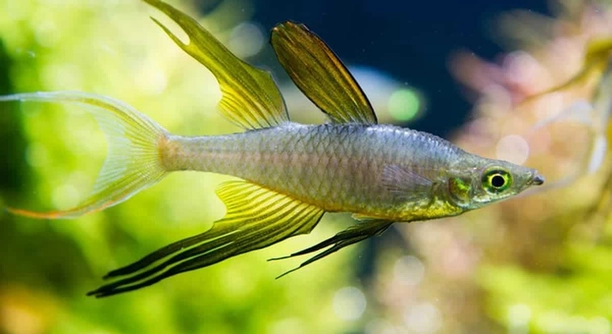
Do you ever notice your Threadfin Rainbowfish swimming in strange patterns, sometimes darting suddenly or floating awkwardly near the surface? These behaviors can be worrying for both new and experienced fish owners observing their vibrant tanks.
Threadfin Rainbowfish often swim oddly due to water quality issues, nutritional deficiencies, stress, disease, or injury. Correcting tank conditions, providing balanced food, and monitoring fish behavior can help restore normal swimming patterns and improve overall health.
Understanding the causes of these unusual movements will help you provide a safer, healthier environment for your fish while maintaining the beauty of your aquarium.
Poor Water Quality
Threadfin Rainbowfish are very sensitive to their water environment. If the water is dirty or has high levels of ammonia, nitrites, or nitrates, the fish can become stressed and swim erratically. Even small changes in pH or temperature can affect their comfort and overall health. Maintaining consistent water conditions is crucial for keeping them active and healthy. Regular water testing and partial water changes can prevent sudden swimming problems. Using a reliable filtration system helps remove waste and toxins that may accumulate. Overcrowding the tank can also worsen water quality and increase stress. Paying attention to tank maintenance routines can save your fish from long-term issues. When water quality is optimal, Threadfin Rainbowfish will swim naturally and display their bright colors more vividly, making the tank visually pleasing. It’s important to act quickly if you notice unusual swimming patterns, as prolonged exposure to poor conditions can lead to serious health problems.
Water clarity, temperature, and chemical balance directly impact swimming behavior, making regular checks essential for maintaining a healthy tank.
Consistent monitoring is key. I make it a habit to test water weekly, changing about 20% if anything seems off. Even minor adjustments can help stabilize fish behavior. Using gentle aeration and avoiding sudden temperature swings keeps the fish calm. Observing how they interact with the environment also gives clues about water stress. Feeding habits and swimming speed often reveal underlying issues that aren’t immediately visible.
Nutritional Deficiencies
Balanced nutrition is essential for Threadfin Rainbowfish. Feeding them low-quality or inappropriate food can lead to weak muscles, affecting swimming patterns.
Ensuring a mix of high-quality flakes, pellets, and occasional live food helps keep their energy levels stable.
I like to rotate their diet weekly, offering small portions to prevent overeating. Deficiencies in vitamins or proteins often show up as lethargy or unusual swimming. Including foods rich in carotenoids enhances their coloration, while high-protein treats improve stamina and muscle control. Some of my fish responded quickly once I added live brine shrimp, showing more natural swimming and activity. Even subtle dietary changes can make a big difference, so it’s important to observe how they respond over time. Supplements may help if natural food options are limited, but I always prioritize fresh, varied meals. Overfeeding can also cause bloating, affecting buoyancy and movement, so careful portion control is just as important as food quality. Proper nutrition supports strong, coordinated swimming and overall well-being.
Stress from Tank Mates
Aggressive or overly active tank mates can make Threadfin Rainbowfish swim erratically or hide constantly. Peaceful, similarly sized fish help maintain calm and prevent unnecessary stress.
I’ve noticed that when I added a few larger, territorial fish, my Rainbowfish started darting and bumping into decorations. Removing the aggressive fish and replacing them with calm species immediately improved swimming behavior. Stress affects appetite, color, and energy levels, so it’s important to choose compatible tank mates. Sometimes, even playful fish can cause temporary stress, so monitoring interactions daily helps. Small adjustments in tank population and layout often resolve erratic swimming quickly.
Creating hiding spots and ensuring plenty of open swimming space reduces stress. I added small plants and rocks, which allowed my Rainbowfish to retreat when needed. Over time, they became more confident, swimming smoothly around the tank. Observing their behavior closely shows whether stress is the issue, allowing for timely corrections.
Disease or Parasites
Infections or parasites often cause unusual swimming patterns, such as spinning, floating unevenly, or lying at the bottom. Prompt attention is crucial to prevent worsening health issues.
When I first noticed my fish swimming sideways and scraping against decorations, I suspected a parasite. Testing water ruled out environmental causes, so I treated the tank with medication recommended for internal parasites. After several days, swimming behavior improved noticeably. External parasites can also irritate the skin and gills, causing sudden bursts of erratic swimming. Quarantining new fish and maintaining proper hygiene prevents many common infections. Observation is key: minor changes in behavior often signal early-stage disease, allowing faster intervention.
Regular tank cleaning, monitoring food intake, and checking for visible signs like spots or discoloration helps catch problems early. I keep a small observation notebook to track behavior, which makes it easier to spot deviations. Ensuring that medications are dosed correctly and following treatment schedules restores normal swimming patterns while protecting the entire tank’s health. Early detection reduces stress on affected fish and helps maintain harmony among all tank inhabitants.
Physical Injury
Injuries from sharp decorations or rough handling can affect swimming. Even minor fin tears or bumps can make Threadfin Rainbowfish swim unevenly or avoid certain areas of the tank.
I once noticed one of my Rainbowfish rubbing against a rock after a small fin tear. Removing sharp objects and providing smoother surfaces helped it recover.
Sudden Water Changes
Abrupt temperature or pH shifts can shock Threadfin Rainbowfish, causing disoriented swimming. Sudden changes disturb their balance and comfort in the tank.
I learned the hard way when doing a large water change too quickly. The fish swam near the surface and seemed confused. Gradually adjusting water conditions and monitoring temperature restored normal activity within a day. Even slight, slow changes are safer and reduce stress.
Overfeeding
Too much food can cause bloating, affecting buoyancy and swimming patterns. Portion control is key to maintain proper movement and health.
I now feed small amounts twice a day, observing how much is eaten. Overfeeding used to make my Rainbowfish float awkwardly near the top.
FAQ
Why is my Threadfin Rainbowfish swimming upside down?
Upside-down swimming usually signals swim bladder issues or internal infection. I’ve seen it happen after overfeeding or sudden changes in water temperature. Slowly adjusting diet, performing partial water changes, and isolating affected fish often helps restore normal swimming patterns.
Can poor water quality cause erratic swimming?
Yes. High ammonia, nitrite, or nitrate levels, along with pH swings, can make Rainbowfish swim unpredictably. I make it a habit to test water weekly and maintain a stable environment. Clean water reduces stress and prevents long-term health problems.
Could stress from tank mates be affecting their swimming?
Absolutely. Aggressive or overly active tank mates can force Rainbowfish to dart, hide, or bump into tank structures. I noticed calmer fish swim smoothly once I replaced aggressive species with peaceful ones. Providing hiding spots also reduces stress.
Is improper diet a reason for unusual swimming?
Yes. Nutritional deficiencies can weaken muscles, making coordinated swimming difficult. I rotate high-quality flakes, pellets, and live food weekly. Vitamin and protein-rich meals support energy, stamina, and natural swimming patterns. Overfeeding can also lead to bloating, which affects buoyancy.
How do diseases or parasites impact swimming behavior?
Internal or external infections often cause spinning, floating unevenly, or lying at the bottom. I noticed one fish scraping against rocks due to parasites. Quarantining new fish and observing behavior helps catch problems early. Proper medication can restore swimming within days.
Can physical injuries affect swimming?
Yes. Fin tears, bumps, or scrapes can make Rainbowfish swim awkwardly or avoid certain areas. I remove sharp decorations and provide smoother surfaces. Recovery usually happens quickly with minimal stress if the tank is safe.
Do sudden water changes disturb swimming?
Sudden temperature or pH changes can shock Rainbowfish, making them disoriented. I learned to perform gradual water adjustments to prevent erratic movements. Even small, incremental changes reduce stress and maintain normal activity.
How does overfeeding affect swimming?
Overfeeding leads to bloating and poor buoyancy. I now feed small amounts twice a day, observing how much is eaten. Portion control helps the fish swim naturally and prevents digestive issues.
Can temperature fluctuations cause unusual swimming patterns?
Yes. Threadfin Rainbowfish prefer stable water temperatures. I maintain a consistent heater setting and avoid sudden drops or spikes. Stability ensures smooth swimming and reduces stress, keeping the fish active and healthy.
What can I do if my Rainbowfish is still swimming oddly after all corrections?
Persistent abnormal swimming may require professional advice. I’ve contacted local aquatic specialists when minor adjustments didn’t help. They can identify hidden infections, internal organ issues, or subtle environmental factors affecting behavior. Observation and patience are essential during recovery.
How long does it take for swimming to normalize?
Recovery depends on the cause. Water quality or diet improvements may show results within a day or two. Stress reduction and healing injuries can take a week or longer. I track changes daily to ensure the fish is improving steadily.
Are there preventive steps to avoid swimming issues?
Yes. Regular water tests, balanced diets, compatible tank mates, proper decorations, and careful feeding routines prevent most swimming problems. I find a weekly checklist helps maintain a healthy, calm environment for my Rainbowfish.
This FAQ addresses the main reasons Threadfin Rainbowfish swim strangely and provides practical ways I’ve seen them return to normal behavior, ensuring a healthier and more enjoyable aquarium experience.
Threadfin Rainbowfish are beautiful and lively fish, but unusual swimming patterns can signal underlying problems. Observing their behavior closely is the first step in identifying any issues. Water quality, diet, stress, injuries, and disease all affect how these fish move in the tank. I have noticed that even small changes in water parameters or tank setup can make a big difference. By monitoring the fish daily, I can often catch problems before they become serious. Keeping a consistent routine for feeding, water changes, and tank maintenance helps create a stable environment where the fish feel safe and comfortable.
Addressing unusual swimming is usually a combination of several adjustments. Sometimes improving water quality alone is enough to restore normal movement, while other times dietary changes, stress reduction, or medical treatment may be needed. I make it a habit to observe how the fish respond to each change. Gradual adjustments work best, as sudden changes can worsen stress or swimming issues. Providing proper hiding spots and maintaining compatible tank mates is just as important as ensuring clean water. Over time, these small, consistent efforts usually result in healthier, more active fish that swim naturally and display their full coloration.
Prevention is always better than correction. Regular testing of water parameters, balanced feeding schedules, and careful observation of behavior reduce the risk of swimming problems. Injuries, infections, and stress can often be avoided through careful tank management and proper handling of fish. I also find that keeping a simple checklist for weekly maintenance and diet rotation makes it easier to catch subtle changes early. When issues do arise, addressing them promptly ensures the fish recover more quickly and maintain long-term health. Consistent care, patience, and observation are key to enjoying the vibrant and active behavior of Threadfin Rainbowfish in a healthy, balanced aquarium.

Hello,
If you enjoy the content that we create, please consider saying a "Thank You!" by leaving a tip.
Every little bit helps us continue crafting quality advice that supports the health, happiness, and well-being of pets around the world, for pets of all shapes, sizes, and species.
We really appreciate the kindness and support that you show us!