
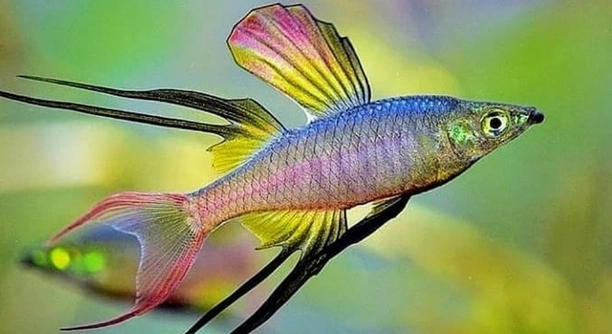
Do you ever notice threadfins staying perfectly still in one spot, seemingly frozen in the water? This behavior is common and can be surprising to observers, as these fish often remain motionless for extended periods.
Threadfins may stay motionless in one spot primarily to conserve energy and maintain a low profile in their environment. This behavior aids in ambushing prey, avoiding predators, and minimizing unnecessary movement in their natural habitat.
Observing threadfins in this calm state provides insight into their feeding strategies and survival instincts, offering a closer look at the subtle behaviors that define their daily life.
Energy Conservation and Ambush Behavior
Threadfins often remain motionless to conserve energy, especially in warm or low-current waters. By staying still, they reduce the effort needed to maintain position and avoid exhausting themselves. This stationary behavior also allows them to ambush prey more effectively. Small fish or invertebrates that swim nearby may not notice a motionless threadfin, giving it a clear advantage for a quick strike. Additionally, remaining in one place can help threadfins blend with their surroundings, such as sandy or rocky bottoms. This camouflage increases survival chances, as predators may overlook them. Energy conservation is particularly important for adult threadfins that require consistent nutrition to maintain growth and reproductive readiness. During periods of low food availability, staying still helps preserve essential energy stores. This behavior is not random; it is a deliberate strategy shaped by both predator avoidance and feeding efficiency, reflecting the careful balance threadfins maintain between risk and reward in their natural habitat.
Stationary periods also help threadfins regulate their metabolism, reducing stress and increasing overall health over time.
Observing this behavior up close reveals how strategic their stillness is. It’s not just about hiding or resting; threadfins calculate when to act and when to remain motionless. This makes them highly efficient predators. Their ability to stay in one place for extended periods without tiring shows the precision of their instincts. By minimizing unnecessary movement, they conserve energy while maximizing opportunities to capture prey. The stillness also provides insight into their social interactions, as they may adjust positions based on nearby fish or environmental changes. Over time, these patterns become predictable, allowing researchers to understand feeding cycles and preferred habitats. Recognizing the purpose behind these quiet moments enhances appreciation for their adaptive strategies and survival techniques.
Environmental Factors Influencing Stillness
Temperature, current, and water clarity significantly affect how long threadfins remain motionless. Calm, warm waters tend to encourage longer stationary periods.
Environmental conditions play a critical role in threadfin behavior. In areas with strong currents or murky water, threadfins may move more frequently to maintain position or locate prey. Conversely, in stable, clear waters, remaining still becomes advantageous. These conditions influence feeding efficiency, as still threadfins can better detect approaching prey without being swept away. Light levels also affect their visibility to predators, meaning they may adjust stillness based on the time of day or cloud cover. Seasonal changes impact their metabolism, further altering movement patterns. Understanding these environmental factors is essential for predicting behavior, managing habitats, and ensuring that threadfins thrive. Monitoring water quality, temperature, and flow can provide insights into their health and feeding success. By adapting to environmental variations, threadfins demonstrate remarkable flexibility in balancing energy conservation with survival needs. Maintaining a suitable environment encourages natural behaviors, including the strategic stillness that defines much of their activity.
Predation and Defense Strategies
Threadfins use stillness to avoid predators effectively. By remaining motionless, they reduce visibility and make it harder for predators to detect them. This strategy is essential for survival in areas with higher predator activity.
Remaining motionless allows threadfins to blend with the seabed, rocks, or vegetation. This camouflage makes it challenging for birds, larger fish, or marine mammals to notice them. When a predator approaches, a sudden burst of movement is often enough to escape, minimizing energy expenditure. Staying still also reduces vibrations in the water that predators can detect, further lowering the risk of attack. This behavior demonstrates how threadfins prioritize safety while conserving energy, balancing survival needs with feeding opportunities.
Some threadfins adopt specific postures to enhance their defense. Angling their bodies against currents or staying near cover like rocks and corals increases protection. The positioning also helps them monitor their surroundings carefully. Even subtle shifts in fins or tail can make them less noticeable while preparing for a quick escape. These tactics are consistent across different habitats, showing a learned or instinctual approach to predator awareness. Over time, threadfins refine their stillness strategy to suit the particular threats in their environment, enhancing both survival and efficiency.
Feeding Advantages of Remaining Motionless
Remaining still allows threadfins to ambush prey with minimal effort. This approach increases hunting success without expending unnecessary energy.
Stationary hunting is highly efficient for threadfins, especially when targeting small, fast-moving prey. By staying motionless, they can observe patterns in prey movement and strike at the precise moment. This reduces wasted energy compared to constant swimming. They often position themselves near food-rich areas, such as shallow waters with abundant crustaceans or schools of small fish. The patience involved in waiting for prey demonstrates a calculated strategy, ensuring the highest chance of capturing food while avoiding exposure to predators. Threadfins’ feeding behavior highlights their ability to balance energy conservation with active hunting.
In addition, motionless positioning allows threadfins to remain undetected while prey swims nearby. This reduces the chance of scaring away potential food and increases the efficiency of each strike. The technique also helps them conserve energy for multiple hunting attempts throughout the day. Threadfins often adjust their position based on water clarity, light, and current to optimize hunting. By combining camouflage, patience, and precise strikes, they maximize intake while minimizing effort. Observing this behavior provides insight into their adaptive strategies and the subtle ways they interact with their environment, blending stealth and efficiency seamlessly.
Resting and Energy Recovery
Threadfins often remain motionless to rest and recover energy. Periods of stillness reduce fatigue and help maintain strength for feeding and escaping predators.
Even brief moments of immobility allow threadfins to restore stamina. This behavior is particularly important after long periods of swimming or hunting, ensuring they remain alert and ready for action.
Social and Territorial Behavior
Threadfins sometimes stay still to monitor territory or nearby fish. Remaining motionless allows them to observe competitors or potential mates without drawing attention.
Seasonal and Environmental Adjustments
Threadfins adjust stillness based on seasonal changes, water temperature, and food availability. Cooler temperatures or low food supply may increase motionless periods, conserving energy.
Subtle Movements and Sensory Awareness
Even when appearing still, threadfins make slight movements to sense currents and detect prey. These micro-adjustments enhance survival and feeding efficiency.
FAQ
Why do threadfins sometimes stay still for hours?
Threadfins often remain motionless for long periods to conserve energy and reduce exposure to predators. By staying still, they can also monitor their surroundings carefully. This strategy allows them to ambush prey efficiently while minimizing unnecessary movement. Environmental factors like water temperature, current, and light levels can influence how long they stay in one spot.
Is remaining motionless a sign of poor health?
Not necessarily. While illness can reduce activity, stillness in threadfins is often normal behavior. Healthy threadfins use motionless periods for energy conservation, hunting, and predator avoidance. Observing eating habits and physical condition alongside stillness helps determine if health is an issue.
Do threadfins sleep while staying motionless?
Threadfins do rest during periods of stillness, though it is not identical to human sleep. They lower activity levels, reduce energy expenditure, and remain alert to environmental changes. Micro-movements may continue to maintain balance and detect predators or prey.
Can motionless behavior indicate stress?
Yes, in some cases, extended stillness can reflect stress caused by poor water quality, overcrowding, or sudden changes in environment. Monitoring other behaviors like appetite, coloration, and interaction with other fish can indicate whether stress is a factor.
Do threadfins hunt while staying still?
Absolutely. Threadfins often use motionless behavior to ambush prey. They position themselves near food sources, remaining still until small fish or invertebrates come close. This reduces energy expenditure and increases hunting success. Timing and precision are critical, showing a careful balance of patience and action.
How does water clarity affect their stillness?
Water clarity impacts threadfins’ ability to remain hidden and detect prey. In clear water, they may increase motionless periods to avoid detection by predators and carefully observe prey. Murky water can reduce visibility, prompting more movement to locate food.
Do threadfins stay still in captivity the same way as in the wild?
They can, but behavior may differ depending on tank size, water conditions, and presence of other fish. Providing hiding spots, proper lighting, and minimal stress encourages natural stillness. Observing their positioning and hunting patterns helps gauge their comfort and health.
Are all threadfins equally still, or does it vary?
It varies based on species, age, and environmental factors. Some species are naturally more active, while others prefer longer stationary periods. Younger fish may move more frequently, while adults conserve energy and focus on efficient hunting strategies.
Does stillness improve survival rates?
Yes, staying motionless can reduce predation risk and increase hunting efficiency. By blending with their environment and conserving energy, threadfins enhance their chances of survival, especially in areas with high predator activity.
How can I tell if a motionless threadfin is healthy?
Check for normal feeding, clear eyes, smooth scales, and appropriate body coloration. Consistent stillness without signs of stress is usually healthy. Changes in posture, breathing, or sudden inactivity may indicate health issues. Observing behavior over time provides the most reliable insight into their well-being.
Do environmental changes affect motionless behavior?
Definitely. Temperature shifts, current variations, seasonal changes, and food availability all influence how long threadfins remain still. They adapt their behavior to conserve energy and optimize feeding opportunities in response to these conditions.
Is motionless behavior linked to breeding?
During breeding periods, threadfins may adjust stillness to monitor territory, attract mates, or guard eggs. Remaining motionless helps them stay alert and avoid drawing attention from rivals or predators, increasing reproductive success.
Can stillness be encouraged in captivity?
Yes, creating a calm environment with proper hiding spots, stable temperature, and minimal disturbances supports natural motionless behavior. Observing their positioning and interaction with other tank inhabitants helps maintain a balance between activity and rest.
Does diet affect how often they stay still?
Diet impacts energy levels and activity. Well-fed threadfins may reduce unnecessary movement, while hungry ones may increase activity to locate food. Consistent nutrition supports natural patterns of stillness and hunting efficiency.
How do predators influence motionless behavior?
Predator presence often increases the time threadfins remain motionless. By staying still, they reduce detection risk and improve chances of escape. In areas with fewer predators, they may move more freely, balancing feeding and energy conservation.
Are there any risks to staying motionless too long?
Excessive inactivity can reduce muscle tone and readiness to escape sudden threats. In captivity, poor water quality or lack of stimulation can exaggerate stillness, potentially affecting health. Balanced movement and environmental enrichment help maintain natural behaviors.
Does water current affect stillness?
Yes, strong currents may require more movement to maintain position, while calm waters allow longer stationary periods. Threadfins adjust their posture and fin movements to counter currents, ensuring stability while remaining mostly motionless.
How can I observe this behavior safely?
Use minimal disturbance, maintain proper lighting, and avoid sudden movements. Watching quietly over time allows observation of natural stillness and subtle movements, providing insight into hunting, resting, and defensive strategies.
Do threadfins interact with others while staying still?
They may observe or monitor nearby fish while motionless, using stillness to gauge territory or competition. Interaction is subtle, relying on positioning and micro-movements rather than active swimming or chasing.
Can stillness predict feeding times?
Motionless behavior often precedes feeding. Threadfins position themselves strategically, waiting for prey to come close before striking. Observing patterns of stillness can provide clues about preferred feeding windows and environmental conditions.
How long can threadfins remain motionless?
Duration varies by species, environment, and individual energy needs. Some can stay perfectly still for hours when hunting, resting, or avoiding predators. Micro-movements continue to maintain balance and sensory awareness, allowing them to respond quickly when needed.
Does stillness affect growth?
By conserving energy and optimizing hunting efficiency, stillness indirectly supports growth. Less energy spent on unnecessary movement allows threadfins to allocate resources to muscle development, reproduction, and overall health, enhancing their ability to thrive in their habitat.
Are younger threadfins as motionless as adults?
Younger fish tend to be more active, exploring and practicing hunting skills. Adults rely more on energy conservation and ambush strategies, showing longer periods of stillness. Observing changes in behavior with age helps understand their development and survival strategies.
Does motionless behavior vary by time of day?
Yes, threadfins may remain more still during high-light periods or when predators are most active. They adjust activity based on environmental cues, balancing safety with feeding needs to maintain energy and avoid danger.
Do threadfins communicate while motionless?
Communication is subtle. Motionless threadfins may use body positioning, fin flicks, or slight movements to signal territory, readiness to mate, or alertness to nearby fish. These cues are often only detectable to other threadfins or closely observing researchers.
Can stillness indicate maturity?
Longer periods of calculated stillness are often seen in mature adults. This behavior reflects refined hunting strategies, predator awareness, and energy management developed through experience and environmental adaptation.
Are there specific locations where threadfins stay still more often?
Shallow areas, near vegetation, or close to rocks provide cover and food sources. These locations allow threadfins to remain motionless while maintaining safety, monitoring prey, and minimizing energy use. Environmental features directly influence the frequency and duration of stillness.
Does motionless behavior affect social hierarchy?
Yes, dominant individuals may occupy prime spots for stillness, allowing better access to prey and protection. Subordinates may adjust positioning, moving more frequently or staying at the edges to avoid conflict while still conserving energy.
How can I differentiate between natural stillness and stress-related inactivity?
Observe feeding, coloration, breathing, and interaction. Natural stillness includes subtle micro-movements and alertness, while stress may cause erratic positioning, rapid gill movement, or decreased appetite. Continuous monitoring provides the clearest distinction.
Are there seasonal patterns to motionless behavior?
Threadfins may remain still longer during colder months or periods of low food availability. Seasonal changes in water temperature, currents, and prey abundance influence energy conservation strategies and the duration of motionless behavior.
Do threadfins adjust stillness based on human presence?
Yes, they may become more cautious in the presence of humans or boats, increasing stillness or retreating to cover. Minimizing disturbances allows observation of natural behavior without causing stress or altering movement patterns.
Can stillness improve hunting accuracy?
Absolutely. Remaining motionless reduces detection by prey and allows precise timing for strikes. Patience combined with minimal movement ensures higher hunting success while conserving energy, reflecting the efficiency of threadfins’ feeding strategy.
How important is stillness for survival overall?
Stillness is critical for energy conservation, predator avoidance, and hunting efficiency. It allows threadfins to balance the need for food, safety, and reproduction, demonstrating a sophisticated approach to survival in varying environments.
Does motionless behavior vary across habitats?
Yes, habitat type influences duration and frequency. Open water, rocky areas, or vegetated zones each present different predator risks and prey availability, shaping how threadfins use stillness strategically.
How does water temperature affect motionless behavior?
Warmer waters may increase activity, but extreme heat encourages energy conservation. Cooler water slows metabolism, often resulting in longer stationary periods to maintain energy balance while waiting for prey.
Is motionless behavior instinctive or learned?
It is primarily instinctive, though experience refines it. Threadfins learn optimal positions, timing, and responses from interactions with prey, predators, and environmental conditions, enhancing the effectiveness of stillness over time.
Do threadfins rely on senses while staying still?
Yes, subtle movements and sensory input help detect prey, predators, and changes in currents. Staying still enhances their ability to perceive environmental cues without alerting others to their presence, making them efficient and cautious hunters.
Can prolonged stillness impact physical condition?
Moderate stillness supports energy conservation, but prolonged inactivity without sufficient exercise may reduce muscle tone. In captivity, providing space and opportunities for movement ensures balance between rest and physical fitness.
Does stillness influence interactions with other species?
Threadfins may stay still to observe or avoid other fish, reducing conflict while monitoring potential prey or predators. This careful positioning supports survival and efficient feeding without unnecessary confrontation.
Are there times when stillness is disadvantageous?
Yes, in strong currents or low-oxygen environments, excessive stillness can be harmful. Threadfins must adjust movement to maintain position, ensure adequate respiration, and access food efficiently, balancing stillness with necessary activity.
Do threadfins adjust stillness based on food availability?
Yes, abundant food allows longer periods of waiting and ambushing, while scarcity increases movement to search for prey. This flexibility optimizes energy use and supports survival across changing conditions.
Can observing stillness reveal individual behavior patterns?
Yes, careful observation shows differences in hunting style, risk tolerance, and territory use. These patterns offer insight into personality-like traits and adaptive strategies among threadfins.
Does stillness have a role in reproductive success?
Remaining motionless allows monitoring of mates, rivals, and suitable spawning sites. Careful positioning reduces risk and increases the likelihood of successful breeding, demonstrating the connection between behavior and reproduction.
How do threadfins balance stillness with other activities?
They alternate between motionless periods for hunting, resting, or predator avoidance and active swimming for feeding or territory maintenance. This balance ensures energy efficiency while meeting survival and reproductive needs.
Can environmental enrichment affect stillness in captivity?
Yes, adding hiding spots, proper lighting, and varied substrates encourages natural stillness and hunting behavior. Enrichment reduces stress and promotes balanced energy use, replicating conditions that support instinctive behavior in the wild.
Does stillness differ between day and night?
Yes, threadfins may stay still longer during daylight when predators are more active and adjust activity at night to feed or explore. Timing depends on species, habitat, and predator-prey dynamics, reflecting adaptive behavior.
Are subtle movements during stillness important?
Absolutely. Micro-movements help maintain balance, detect currents, and sense prey. Even minimal motion is critical for staying alert while remaining largely motionless, ensuring survival and hunting efficiency.
Can stillness be measured scientifically?
Yes, researchers track duration, posture, and micro-movements to study energy use, hunting success, and predator avoidance. Quantifying stillness provides insight into behavioral ecology and adaptation strategies.
Do threadfins ever move deliberately to enhance camouflage?
Yes, slight repositioning or angling can improve blending with surroundings. Adjusting fins, body angle, or proximity to cover enhances protection and ambush success while conserving energy.
Does stillness contribute to long-term survival?
Yes, by reducing energy expenditure, minimizing predation risk, and improving hunting efficiency, motionless behavior supports growth, reproduction, and overall fitness, playing a critical role in threadfins’ adaptive strategies.
Can external stressors disrupt stillness patterns?
Yes, noise, pollution, or human activity may cause increased movement or hiding, interrupting natural stillness. Maintaining a stable environment supports healthy behavior and energy management, reflecting their natural instincts.
Do threadfins have favorite spots to remain motionless?
Preferred locations often offer cover, prey access, and safety. These spots vary by habitat but consistently provide strategic advantages for hunting, resting, and avoiding predators.
Are motionless periods predictable?
Patterns often emerge based on environmental cues, predator presence, and prey availability. Observing over time reveals consistent behaviors that reflect survival strategies and adaptive instincts.
Do threadfins adjust stillness based on social dynamics?
Yes, interactions with conspecifics influence positioning, duration, and alertness. Dominance, territory, and competition shape how and when threadfins remain motionless, balancing safety with opportunity.
Can diet and nutrition influence stillness?
Yes, sufficient nutrition supports longer stationary periods for hunting and resting, while poor diet may increase activity as they search for food. Proper feeding ensures natural patterns are maintained.
Is stillness more common in certain habitats?
Shallow waters, vegetated areas, and regions with abundant prey favor longer motionless periods. Open or turbulent waters require more movement to maintain position and access food.
Do threadfins communicate threats while still?
Subtle body positioning or fin movements can alert nearby fish to danger without active swimming, providing indirect communication while conserving energy.
Does stillness change with age?
Younger threadfins move more to explore and practice hunting. Adults use stillness strategically for ambushing prey and conserving energy, reflecting maturity and experience.
Can prolonged stillness affect feeding efficiency?
If balanced with active hunting periods, stillness improves efficiency. Excessive inactivity without foraging reduces intake, highlighting the importance of timing and positioning in natural behavior.
Do threadfins coordinate stillness in groups?
In some cases, small groups may position themselves strategically, each remaining motionless to monitor territory, prey, or predators, enhancing collective survival and reducing individual risk.
Is motionless behavior instinctive across all threadfin species?
While common, duration and frequency vary by species, environmental conditions, and individual traits. Instinct drives stillness, but experience and habitat influence effectiveness and patterns.
Does water flow influence stillness posture?
Yes, threadfins adjust fins, body angle, and position relative to currents. This ensures stability and minimizes effort while maintaining alertness for prey and predator detection.
Can stillness behavior indicate environmental health?
Yes, consistent, natural motionless behavior suggests suitable conditions. Changes in duration or positioning can indicate stressors like poor water quality, pollution, or disturbances, offering insight into ecosystem health.
How can observation of stillness help research?
Studying motionless behavior provides insight into energy conservation, predator-prey interactions, and habitat preferences. It informs conservation strategies, species management, and understanding of adaptive survival mechanisms in different environments.
Are there any misconceptions about motionless behavior?
Some assume stillness indicates inactivity or laziness, but in reality, it is a strategic, adaptive behavior crucial for hunting, safety, and energy management. Recognizing this helps avoid misinterpretation of their natural instincts.
Can micro-movements during stillness be detected without close observation?
Often subtle, micro-movements require careful observation or video analysis. They maintain balance, sense environmental cues, and prepare threadfins for immediate action, making them essential to survival despite appearing completely motionless.
Does stillness vary by feeding style?
Yes, ambush hunters rely more on motionless behavior, while active foragers move frequently. Threadfins primarily use ambush techniques, making stillness a central component of their feeding strategy.
Can stillness indicate reproductive readiness?
Yes, adult threadfins may use stillness to monitor mates, rivals, and suitable spawning sites. Patience and positioning increase chances of reproductive success while avoiding threats.
Does stillness help threadfins during migration?
During local movement or short migrations, stillness allows energy conservation and predator avoidance. Long-distance migration may require more continuous swimming, but short pauses are still strategically used to maintain energy balance.
Are there behavioral signs preceding stillness?
Threadfins often slow movements, orient toward cover, or angle fins before becoming completely motionless. These preparatory actions ensure stability and readiness to ambush prey or react to threats.
Do threadfins show individual differences in stillness?
Yes, some are naturally more patient or cautious. Variations reflect experience, personality-like traits, and adaptation to specific habitats, influencing how long and where they remain motionless.
Is motionless behavior more common in certain seasons?
Yes, during colder months or low food availability, stillness increases to conserve energy. Seasonal shifts in temperature, light, and prey abundance directly influence behavior patterns.
Can observation of stillness be used for species identification?
Patterns of stillness, preferred locations, and micro-movements may help differentiate species. Combined with physical characteristics, these behaviors contribute to accurate identification and ecological understanding.
Does stillness affect interaction with prey?
Remaining motionless improves strike success and reduces prey detection. By minimizing movement, threadfins enhance hunting efficiency while conserving energy, reflecting a carefully balanced feeding strategy.
Are there specific behaviors that interrupt stillness?
Sudden threats, changes in current, or prey presence can trigger rapid movement. Threadfins transition quickly from stillness to action, showing the adaptability and precision of their behavioral responses.
Do threadfins communicate visually while still?
Subtle posture changes, fin movements, and orientation can signal alertness, dominance, or readiness to other fish, providing indirect communication without drawing attention to themselves.
Can stress reduce the duration of stillness?
Yes, stressful conditions like overcrowding, poor water quality
Final Thoughts
Threadfins’ motionless behavior is an important part of their survival and daily life. Remaining still allows them to conserve energy, monitor their environment, and ambush prey effectively. By staying motionless, they can reduce unnecessary swimming, which preserves stamina for hunting and escaping predators. This behavior also helps them blend with their surroundings, making them less noticeable to both predators and prey. Observing threadfins in this calm, stationary state gives a clear view of how they balance energy use with the demands of feeding and avoiding danger. Their stillness is not a sign of laziness, but rather a careful, strategic behavior shaped by instincts and environmental needs. Over time, threadfins refine their ability to remain still for long periods, adjusting based on factors like water clarity, temperature, and current. The balance between action and stillness is essential for their overall health and survival.
In addition to energy conservation, stillness plays a key role in hunting. Threadfins often position themselves in areas where prey is likely to pass, remaining motionless until the right moment to strike. This approach reduces wasted energy and improves feeding success. Slight movements of fins or body adjustments help maintain balance and allow them to detect approaching prey without drawing attention. Predators are also less likely to notice them when they remain still, making motionless behavior an effective defense strategy. Environmental factors, such as the availability of cover, the presence of other fish, and seasonal changes, influence how often and how long threadfins stay motionless. Even in captivity, threadfins exhibit similar behavior, adjusting their stillness based on tank conditions, water flow, and nearby activity. Understanding this behavior can improve care for captive threadfins, ensuring their habitat supports natural movement patterns and energy conservation.
Finally, observing threadfins’ stillness offers insight into their adaptability and instinctive intelligence. This behavior shows how they balance risk, energy, and feeding efficiency to thrive in various environments. Motionless periods are not random pauses but deliberate strategies shaped by survival needs. Threadfins adjust their position, posture, and alertness to maximize camouflage, hunting success, and predator avoidance. Their ability to remain still while staying aware of their surroundings highlights the precision of their instincts. For researchers and hobbyists alike, noticing these subtle behaviors provides a deeper understanding of their habits, health, and environmental interactions. By respecting the importance of motionless behavior, we gain a better appreciation for the careful balance threadfins maintain every day between survival, feeding, and conserving energy, which is central to their overall wellbeing.

Hello,
If you enjoy the content that we create, please consider saying a "Thank You!" by leaving a tip.
Every little bit helps us continue crafting quality advice that supports the health, happiness, and well-being of pets around the world, for pets of all shapes, sizes, and species.
We really appreciate the kindness and support that you show us!