
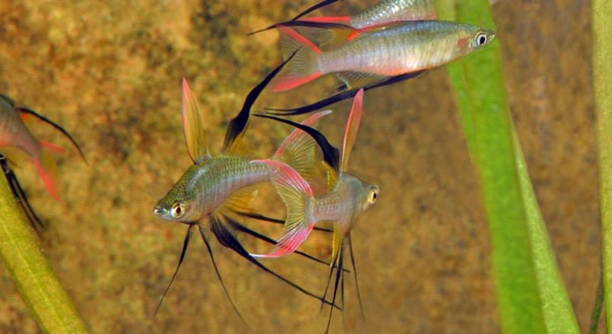
Are your Threadfin Rainbowfish thriving in your aquarium but showing subtle signs of discomfort? These delicate freshwater fish require attentive care, as their vibrant colors and lively behavior can mask underlying health concerns, including parasites that affect internal organs.
Threadfin Rainbowfish can be susceptible to internal parasites, especially in crowded or poorly maintained tanks. Common parasites include protozoans and nematodes, which can impact digestion and overall health. Regular monitoring, proper diet, and maintaining clean water conditions reduce the risk significantly.
Understanding these risks will help maintain your fish’s health and vibrant appearance. This knowledge ensures your aquarium remains a safe, thriving environment for your Rainbowfish.
Common Internal Parasites in Threadfin Rainbowfish
Threadfin Rainbowfish can host several types of internal parasites, most commonly protozoans, nematodes, and trematodes. Protozoans are microscopic organisms that can infect the intestines, causing lethargy, poor appetite, and abnormal swimming patterns. Nematodes, or roundworms, are more visible and can block digestive tracts if left untreated, affecting nutrient absorption. Trematodes, also called flukes, attach to the fish’s internal organs, sometimes leading to organ damage. In many cases, parasites enter through contaminated food, live feeder fish, or unclean tank water. Fish with weakened immune systems are particularly vulnerable. Maintaining optimal water quality, performing regular tank cleaning, and providing balanced nutrition can reduce infection risk. Observation is key—changes in behavior, weight loss, or unusual fecal matter often indicate an internal problem. Treating infections promptly with targeted medication helps restore health and prevents the parasites from spreading to other fish in the tank, ensuring a stable and vibrant environment.
Regular tank maintenance and monitoring fish behavior significantly lower the chances of internal parasites.
Internal parasites thrive in poorly maintained aquariums where organic waste accumulates and stress levels rise. Overcrowding increases competition for food, weakening immunity. Feeding live or frozen foods that may carry parasites adds another layer of risk. Temperature fluctuations and inconsistent water parameters can also stress fish, creating ideal conditions for parasites to establish. Proactive measures like quarantine for new fish, routine water testing, and careful observation of diet and behavior are crucial. Early intervention through medication or dietary changes can reverse minor infestations, while severe infections may require more intensive treatment. Keeping a consistent cleaning schedule and avoiding overfeeding limits organic buildup, which reduces parasite development. Healthy, well-fed fish with stable water conditions are far less likely to become infected. Recognizing subtle signs, such as reduced activity or slight discoloration, helps address issues before they escalate. By combining preventive care with careful observation, Threadfin Rainbowfish can thrive with minimal internal health issues.
Symptoms and Detection
Lethargy, loss of appetite, and unusual swimming are early signs of internal parasites. Quick recognition improves treatment success.
Visible signs such as bloated abdomen, stringy feces, or sudden weight loss indicate more serious infestation. Internal parasites disrupt digestion, affecting nutrient absorption and overall vitality. Observation during feeding and regular health checks are essential for early detection. Detecting infection early allows for targeted treatments before the parasite spreads, minimizing stress and recovery time. Treatment plans often include antiparasitic medications, dietary adjustments, and improvements in tank hygiene to eliminate the source of infection. Understanding these symptoms helps maintain a healthy, thriving environment for Threadfin Rainbowfish and ensures long-term wellbeing.
Preventing Internal Parasites
Maintaining clean water and proper filtration is key to preventing internal parasites in Threadfin Rainbowfish. Avoid overcrowding and provide a balanced diet. Quarantining new fish before introducing them helps reduce the risk of infections spreading in the tank.
Regular water changes are essential to remove waste and harmful bacteria that can harbor parasites. Monitoring water temperature, pH, and ammonia levels keeps the environment stable, which strengthens fish immunity. Feeding high-quality foods and avoiding live feeder fish from unreliable sources minimizes the chance of introducing parasites. Stress reduction through hiding spaces and moderate lighting also contributes to overall health, lowering susceptibility to infection.
Routine observation of fish behavior complements preventive measures. Watching for changes in activity, appetite, or swimming patterns allows for early intervention. Catching problems before they escalate ensures treatments are more effective and reduces overall stress on the fish. Consistency in tank care builds a strong foundation for parasite prevention, supporting vibrant, active Threadfin Rainbowfish and a stable aquarium environment.
Treatment Options
Medications specifically formulated for freshwater parasites are effective for treating internal infestations. Administer according to instructions to ensure safety.
Selecting the right medication depends on the type of parasite present. Antiprotozoal and antihelminthic drugs target common internal parasites, while supportive treatments like vitamins can improve recovery. Treat the entire tank when necessary, as some parasites can spread rapidly. Maintaining clean water during treatment enhances effectiveness and reduces stress on the fish. Careful monitoring during this period helps identify whether the infection is responding or if adjustments are needed.
In addition to medications, adjusting feeding practices can support recovery. Offering easily digestible foods helps reduce strain on the digestive system, while small, frequent meals ensure nutrition is absorbed efficiently. Removing contaminated food or debris limits reinfection risk. Observing behavior and physical signs throughout treatment ensures the fish respond well. Combining medical intervention with diligent tank maintenance provides the best chance for restoring health. By following these steps, Threadfin Rainbowfish can recover fully and return to normal activity, minimizing long-term impacts from internal parasites.
Quarantine Practices
Quarantining new Threadfin Rainbowfish before adding them to the main tank prevents the introduction of internal parasites. A separate tank allows for observation and early treatment of any infections without risking other fish. Proper quarantine duration is essential for effectiveness.
During quarantine, monitor fish closely for lethargy, loss of appetite, or abnormal swimming. Treat immediately if any symptoms appear. Clean the quarantine tank regularly and maintain stable water conditions. This practice significantly reduces the risk of spreading parasites to established fish populations.
Water Quality Management
Consistently maintaining optimal water quality is crucial for preventing internal parasites. Regular testing for ammonia, nitrites, nitrates, and pH ensures a stable environment. Filtration systems must be cleaned and functioning properly. Avoid overfeeding, as leftover food contributes to parasite development.
Diet and Nutrition
Providing a balanced, high-quality diet strengthens fish immunity and reduces susceptibility to parasites. Include a mix of flakes, pellets, and occasional frozen foods. Avoid live feeders from unreliable sources. Nutritional support helps maintain digestive health, allowing fish to resist and recover from potential infections more effectively.
Observation and Monitoring
Regularly observing Threadfin Rainbowfish behavior and appearance allows early detection of internal parasites. Changes in swimming, appetite, or body shape can indicate infection. Prompt response ensures timely treatment, minimizing health risks and supporting a thriving aquarium environment.
FAQ
How do I know if my Threadfin Rainbowfish has internal parasites?
Signs of internal parasites include lethargy, loss of appetite, unusual swimming patterns, bloating, and stringy or discolored feces. Subtle changes may appear first, so close observation during feeding and daily activities is important. Early detection improves treatment success.
Can internal parasites kill Threadfin Rainbowfish?
Yes, severe infestations can be fatal if left untreated. Parasites interfere with nutrient absorption and organ function, weakening the fish. Prompt treatment and proper care can prevent serious health consequences and support recovery.
Are some fish more prone to internal parasites than others?
Fish under stress, in overcrowded tanks, or with weakened immune systems are more susceptible. Poor water quality, temperature fluctuations, and inconsistent feeding increase vulnerability. Healthy, well-maintained aquariums significantly reduce the risk of parasite infections.
How do parasites enter the aquarium?
Parasites can be introduced through contaminated food, live or frozen feeder fish, and unclean water. Even new fish may carry undetectable parasites. Quarantining new additions and maintaining a clean tank are essential preventive measures.
What medications are effective for internal parasites?
Antiprotozoal and antihelminthic medications target common internal parasites. Follow dosage instructions carefully. Treating the entire tank may be necessary in severe cases. Supportive care, such as vitamins and diet adjustments, improves recovery. Monitoring response to treatment ensures effectiveness.
Can I prevent internal parasites without medication?
Yes, prevention relies on proper tank maintenance, high water quality, balanced nutrition, and stress reduction. Avoid overcrowding and quarantine new fish. Observing behavior regularly helps catch potential problems early, minimizing the need for medication.
How long does it take for fish to recover?
Recovery time depends on parasite type, severity, and fish health. Minor infestations may resolve within a week with proper care, while severe cases can take several weeks. Maintaining optimal conditions throughout recovery is critical.
Do internal parasites affect other fish in the tank?
Yes, some parasites can spread quickly in shared tanks. Treating the entire aquarium and isolating infected fish when necessary reduces transmission risk. Good hygiene and preventive practices protect all fish.
Can diet help in treating or preventing parasites?
A high-quality, balanced diet strengthens the immune system and improves digestive health. Easily digestible foods during treatment reduce stress and support recovery. Avoid live feeders from unreliable sources, as they may carry parasites.
Should I remove decorations or plants during treatment?
Cleaning or removing decorations may help prevent reinfection, as parasites or eggs can hide on surfaces. Rinse artificial plants and substrate thoroughly. Maintaining cleanliness enhances the effectiveness of medication and limits parasite survival.
How often should I check my fish for parasites?
Daily observation during feeding is recommended. Look for changes in appetite, swimming, or body appearance. Early detection allows prompt treatment, minimizing health risks and ensuring your Threadfin Rainbowfish remains active and healthy.
Are internal parasites common in Threadfin Rainbowfish?
They can occur, especially in tanks with poor maintenance or high stress. Healthy aquariums with proper care experience fewer infestations. Awareness and preventive measures reduce the likelihood of internal parasite problems.
Can stress make internal parasites worse?
Yes, stress weakens immunity, allowing parasites to multiply and cause more harm. Maintaining stable water conditions, avoiding overcrowding, and providing hiding spots reduce stress and help fish fight infections.
Is it safe to mix treated fish with untreated fish?
No, untreated fish may carry parasites and reinfect treated fish. Quarantine and treat all affected fish together to prevent recurring infections and protect the tank’s overall health.
What role does tank hygiene play in parasite prevention?
Regular water changes, substrate cleaning, and proper filtration remove waste and bacteria that support parasite development. Clean tanks reduce infection risk and create a healthier environment for Threadfin Rainbowfish.
How often should I perform water changes?
Weekly partial water changes of 20–30% are recommended. This removes waste, stabilizes water parameters, and supports fish immunity, lowering the risk of parasite infestation.
Can parasites come back after treatment?
Yes, reinfection is possible if preventive measures are not followed. Maintaining hygiene, quarantining new fish, and monitoring behavior help prevent recurrence. Consistency is key for long-term parasite control.
Do internal parasites affect breeding in Rainbowfish?
Yes, infected fish may have reduced fertility or difficulty spawning. Healthy, parasite-free fish are more likely to breed successfully. Preventing and treating infections supports reproduction and long-term population health.
Are there natural remedies for internal parasites?
Some natural treatments, like garlic or herbal supplements, may support immunity but are generally less effective than targeted medications. They can be used alongside proper care but should not replace conventional treatment for serious infections.
When should I consult a veterinarian?
If parasites persist despite treatment, symptoms worsen, or multiple fish are affected, professional guidance is necessary. A veterinarian can identify the parasite type and recommend precise treatment for effective recovery.
This FAQ section covers the most common concerns regarding internal parasites in Threadfin Rainbowfish, offering guidance on prevention, treatment, and maintaining a healthy aquarium environment.
Final Thoughts
Internal parasites in Threadfin Rainbowfish are a concern that requires consistent attention and care. These parasites, including protozoans, nematodes, and trematodes, can affect the digestive system and overall health of your fish. While not every fish will encounter these issues, maintaining awareness and taking preventive measures greatly reduces the risk. Proper tank maintenance, balanced nutrition, and observing fish behavior are key factors in keeping your Rainbowfish healthy. By focusing on these areas, you create a stable environment where your fish can thrive. Consistent care also allows you to detect early signs of illness, which is essential for effective intervention and treatment.
Preventive care goes beyond simple maintenance. Quarantining new fish before introducing them into your main tank helps avoid the introduction of parasites. Monitoring water quality by testing for ammonia, nitrites, nitrates, and pH ensures a stable environment that supports fish immunity. Overfeeding and overcrowding create stress, which can make fish more susceptible to internal infections. Providing high-quality, easily digestible food and maintaining proper filtration and tank cleaning routines are crucial steps. Observation is equally important. Watching for changes in swimming, appetite, or physical appearance allows for early detection of parasites, making treatments more effective. A combination of good hygiene, proper nutrition, and careful monitoring forms the foundation for parasite prevention and overall fish health.
Treatment and recovery require patience and attention. Medications such as antiprotozoal and antihelminthic drugs are effective when used correctly, but supportive care, including a balanced diet and optimal water conditions, plays an important role in helping fish regain strength. Recovery time varies depending on the severity of the infestation, but maintaining consistent care throughout the process ensures the best outcome. Even after treatment, preventive measures should continue to minimize the risk of reinfection. By focusing on proactive care and observing your fish closely, you can protect Threadfin Rainbowfish from internal parasites and ensure they remain active, vibrant, and healthy in your aquarium. This approach not only maintains the health of individual fish but also contributes to a stable and thriving tank environment over the long term.

Hello,
If you enjoy the content that we create, please consider saying a "Thank You!" by leaving a tip.
Every little bit helps us continue crafting quality advice that supports the health, happiness, and well-being of pets around the world, for pets of all shapes, sizes, and species.
We really appreciate the kindness and support that you show us!