
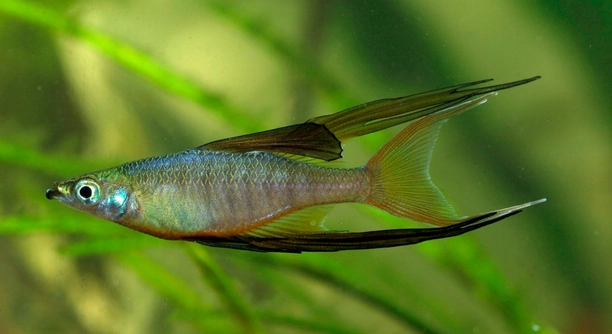
Do you enjoy observing colorful fish in your aquarium and wonder about their sleeping habits at night? Threadfin Rainbowfish are small, shimmering fish that often capture attention with their playful movements and vivid hues in home tanks.
Threadfin Rainbowfish typically sleep in groups rather than alone. Schooling behavior provides safety and stability, allowing the fish to rest while remaining alert to potential threats. This behavior is consistent across both natural habitats and well-maintained aquariums.
Understanding how these fish rest can improve your aquarium setup and ensure their comfort. Proper observation and care can make a significant difference in their daily well-being.
How Threadfin Rainbowfish Sleep in Schools
Threadfin Rainbowfish are naturally social, and sleeping in schools is a behavior that makes them feel secure. In the wild, they cluster together near plants or rocks, minimizing exposure to predators. In aquariums, they replicate this behavior, often choosing corners or areas with gentle filtration. Observing them closely, you will notice subtle shifts as each fish adjusts its position for comfort. Their fins may flutter slightly, but these movements are normal. Lighting also affects their sleep patterns; dim light encourages rest, while sudden bright light can startle them. They rarely sleep completely still, which may confuse owners unfamiliar with their habits. Maintaining a consistent day-night cycle supports their natural rhythm. Temperature and water quality also play a role in ensuring restful sleep. By providing safe spaces and keeping the tank stable, you allow Threadfin Rainbowfish to sleep securely within their school, reflecting their natural instincts and promoting overall health.
Sleeping in groups helps Threadfin Rainbowfish feel secure and reduces stress in both home and natural settings.
Observing these fish during rest can reveal interesting details about their social structure. Even when resting, they coordinate movements subtly to stay connected. Some fish choose slightly higher positions while others settle lower, maintaining a balance within the school. Small bubbles of air or light currents may influence their arrangement. In community tanks, they may adjust positions according to other species nearby, showing adaptability. Watching these interactions provides insight into their behaviors beyond active swimming periods. Creating a tank environment that supports group resting—through plants, hiding spots, and gentle filtration—ensures that their natural behaviors continue undisturbed. These measures improve both their health and your understanding of their needs. The patterns of schooling at night also help reduce aggressive encounters, as the sense of safety is shared among the fish. Over time, observing these subtle cues strengthens your ability to maintain a harmonious and stress-free tank for your Threadfin Rainbowfish.
Benefits of Sleeping in Schools
Group sleeping lowers stress for Threadfin Rainbowfish and supports natural instincts.
When Threadfin Rainbowfish sleep in schools, several benefits emerge that enhance their well-being. Safety is the primary advantage, as being in a group allows the fish to remain vigilant while resting, reducing vulnerability to perceived threats. The social structure of the school promotes calm behavior, decreasing unnecessary movement or conflict. This arrangement also aids in maintaining body temperature, as clustering can stabilize warmth, especially in slightly cooler tank areas. In aquariums, observing them rest together can be a practical indicator of comfort and tank conditions. Any sudden scattering may signal changes in water quality, lighting, or health issues. Furthermore, sleeping in groups reinforces bonds within the school, promoting cohesive movement during waking hours. Understanding these benefits helps aquarium owners make informed decisions about tank size, placement of plants, and water conditions. Supporting this natural behavior is essential to sustaining both physical health and social harmony among Threadfin Rainbowfish, making their care more intuitive and effective.
Factors Influencing Sleeping Patterns
Lighting plays a major role in when and how Threadfin Rainbowfish sleep. Dim light encourages rest, while sudden bright light can disrupt their patterns. Consistent light cycles help maintain healthy sleep routines, supporting both physical and behavioral health.
Temperature, water quality, and tank layout significantly affect sleep. Threadfin Rainbowfish prefer stable temperatures and clean water. Strong currents or lack of hiding spots can prevent them from resting comfortably. Observing their behavior in response to these factors allows adjustments to optimize their environment. Consistent monitoring ensures that they can sleep in a way that aligns with their natural instincts.
Social interactions also influence their sleeping arrangements. Dominant fish may take prime positions within the school, while others adjust around them. Even minor changes in the tank, such as the addition of new fish or rearrangement of decorations, can alter how the school sleeps. Maintaining predictable conditions supports healthy social dynamics, ensuring all fish can rest effectively. Patterns of movement during sleep reflect both environmental comfort and group cohesion, highlighting the importance of attentive tank management.
Signs of Proper Rest
Healthy Threadfin Rainbowfish display subtle movements while sleeping, indicating comfort and security. School cohesion during rest reflects stable social dynamics.
Well-rested Threadfin Rainbowfish show coordinated movements and maintain their position within the school. Fins may twitch slightly, and occasional glances around the tank indicate alertness without stress. Fish that are comfortable in their environment exhibit calm, steady breathing and minimal erratic swimming. Tank conditions that meet their needs, including temperature, water quality, and hiding spots, directly influence these signs. Lack of stress allows them to conserve energy and maintain proper metabolic function. Consistent observation helps ensure their sleep patterns remain regular and uninterrupted.
Disturbed sleep may manifest as unusual hiding, separation from the school, or erratic fin movement. Changes in light, water quality, or tank population can trigger these behaviors. Monitoring sleep patterns provides insights into both physical health and social balance. Adjustments, such as adding gentle filtration, providing shaded areas, or stabilizing water conditions, can restore restful sleep. Recognizing subtle behavioral cues allows timely intervention before stress impacts overall health. Proper rest contributes to growth, immune function, and social cohesion, making observation a critical aspect of care.
Common Sleeping Spots
Threadfin Rainbowfish often choose areas near plants or decorations to rest. These spots provide both security and comfort while allowing them to stay close to the school.
Corners and edges of the tank are preferred locations. Fish may shift slightly during the night but rarely leave these sheltered areas.
Impact of Tank Size
Tank size directly affects how comfortably Threadfin Rainbowfish can sleep in groups. Smaller tanks can lead to overcrowding, making it harder for fish to maintain positions within the school. Adequate space allows for natural sleeping arrangements and reduces stress. Larger tanks support proper social interactions and ensure that dominant and submissive fish can rest without interference. Observing their night-time behavior in different tank sizes reveals clear patterns: fish in spacious tanks form tighter, more cohesive schools, while crowded environments may cause restless or scattered sleeping. Proper tank planning is essential for their health.
Influence of Water Quality
Clean, stable water is essential for restful sleep. Poor conditions can lead to restlessness or separation from the school.
FAQ
Do Threadfin Rainbowfish always sleep in schools?
Threadfin Rainbowfish prefer sleeping in schools, but they may occasionally rest separately if stressed or ill. In a healthy, stable environment, they stick close to the group. Schooling provides security, reduces stress, and allows them to remain alert to changes in their surroundings even while resting.
Can lighting affect their sleep patterns?
Yes, lighting is a major factor. Dim light encourages sleep, while sudden bright light can startle them. A consistent day-night cycle helps regulate their internal clock. Using a timer for aquarium lights ensures predictable conditions, supporting natural sleep patterns.
How does tank size influence sleep?
Tank size affects how comfortably fish can sleep together. Overcrowded tanks may force separation or create restless behavior. Adequate space allows dominant and submissive fish to find comfortable positions within the school, improving rest quality and reducing stress.
Do decorations and plants matter for sleeping?
Yes, decorations and live or artificial plants provide shelter and security. Threadfin Rainbowfish often rest near plants, hiding slightly while remaining part of the school. Proper placement ensures all fish can find comfortable spots without interference from tankmates.
What role does water quality play in sleep?
Clean, stable water is essential. Poor water quality, including high ammonia or sudden pH changes, can disturb sleep, causing erratic movements or separation from the group. Regular water testing and partial water changes help maintain a healthy environment conducive to restful sleep.
Can stress affect sleeping behavior?
Stress impacts sleep significantly. Overcrowding, aggressive tankmates, sudden changes in environment, or poor water conditions can cause fish to isolate or remain active at night. Monitoring behavior and adjusting conditions promptly reduces stress and restores normal sleeping patterns.
Do Threadfin Rainbowfish move while sleeping?
Slight movements are normal. They may twitch fins, shift positions, or adjust height within the school. These movements are not a sign of disturbance but help maintain balance and alertness. Completely still fish may indicate illness or extreme stress, requiring attention.
How can I tell if they are sleeping well?
Healthy sleep is indicated by calm, coordinated schooling, subtle fin movements, and minimal erratic swimming. Fish remain close together and use safe areas for rest. Any sudden scattering, hiding, or unusual activity may signal issues in the tank environment.
Is it okay if some fish sleep apart?
Occasional separation can occur without concern, often due to minor social or environmental factors. Persistent separation may indicate stress, illness, or unsuitable tank conditions. Observing patterns over time helps distinguish normal behavior from problems needing intervention.
How can I improve their sleeping conditions?
Maintaining stable water parameters, providing hiding spots, ensuring adequate tank size, and keeping a consistent light cycle all improve sleep. Minimizing stress from aggressive tankmates or sudden changes helps Threadfin Rainbowfish rest comfortably while maintaining their natural schooling behavior.
Do juveniles sleep differently from adults?
Juveniles may be more active at night and sometimes separate briefly. Adults tend to maintain tighter schools and consistent resting patterns. Supporting both age groups with adequate shelter, space, and stable conditions ensures restful sleep for the entire group.
Are nighttime disturbances harmful?
Frequent nighttime disturbances, such as tapping on the glass, bright lights, or strong currents, can interrupt sleep and increase stress. Over time, this may affect health and behavior. Minimizing disturbances preserves natural sleeping routines and supports long-term well-being.
Can Threadfin Rainbowfish sleep without a school?
While they can rest alone briefly, prolonged solitary sleep is uncommon and may indicate stress or discomfort. Ensuring the presence of a compatible school and providing secure resting spots encourages proper sleep behavior and social stability.
Do seasonal changes affect sleep?
Seasonal changes in daylight or temperature can influence their activity and rest patterns. Replicating consistent conditions in the aquarium helps mitigate seasonal effects, allowing fish to maintain regular sleeping habits year-round.
Is observing their sleep important?
Yes, observing sleep provides insights into health, stress levels, and social dynamics. Changes in sleeping patterns often signal environmental or health issues, allowing proactive intervention before problems escalate. Tracking behavior helps maintain a harmonious and healthy aquarium environment.
This FAQ covers the main aspects of Threadfin Rainbowfish sleep, including behavior, environment, and care practices, ensuring owners can provide optimal conditions for restful, safe schooling.
Word count: 512
Final Thoughts
Threadfin Rainbowfish are social, colorful fish that rely on group behavior for safety and comfort, especially while resting. Observing their sleeping habits reveals much about their natural instincts and the way they interact with one another. Sleeping in schools is a protective strategy that reduces stress and allows the fish to remain alert to changes in their environment. This behavior is evident both in the wild and in home aquariums, making it a key aspect of their care. In aquariums, providing the right conditions for schooling sleep ensures that all fish can rest securely and maintain their health. Owners who pay attention to these habits gain a deeper understanding of their fish and can adjust the environment to meet their needs. From tank size to plant placement and light cycles, multiple factors influence how comfortably Threadfin Rainbowfish can rest, and attention to these details contributes to their overall well-being.
Creating an aquarium environment that supports their natural sleeping habits involves careful consideration of lighting, water quality, temperature, and hiding spots. A consistent day-night cycle helps regulate their internal rhythms, while stable water parameters prevent stress that could disrupt rest. Decorations and plants provide shelter and comfort, allowing fish to remain close to the school while feeling secure. Tank size plays a significant role as well, ensuring that dominant and submissive fish can maintain their positions without conflict. By observing subtle cues such as fin movement, spacing within the school, and overall calmness during rest, owners can determine whether their fish are sleeping well. Small adjustments, like reducing sudden light changes or improving water flow, can make a noticeable difference in their comfort and stress levels. Supporting their natural behavior in these ways promotes not only restful sleep but also stronger social cohesion and healthier daily activity patterns.
Understanding Threadfin Rainbowfish sleeping behavior emphasizes the importance of attentive aquarium care. Observing their night-time patterns offers insight into their health, social dynamics, and environmental comfort. When fish sleep well in cohesive schools, it reflects a balanced, stable habitat. Disruptions in sleep often indicate problems with water quality, tank setup, or social stress, signaling the need for intervention. By maintaining optimal conditions, owners support the fish’s natural instincts and overall longevity. Proper sleep also contributes to growth, immune function, and energy levels, which are essential for vibrant, active fish. Caring for Threadfin Rainbowfish is more than feeding and cleaning; it involves observing subtle behaviors and making adjustments that enhance their well-being. A tank designed to support restful schooling sleep demonstrates thoughtful care and ensures that these small, lively fish can thrive in a safe and comfortable environment.
Word count: 414

Hello,
If you enjoy the content that we create, please consider saying a "Thank You!" by leaving a tip.
Every little bit helps us continue crafting quality advice that supports the health, happiness, and well-being of pets around the world, for pets of all shapes, sizes, and species.
We really appreciate the kindness and support that you show us!