
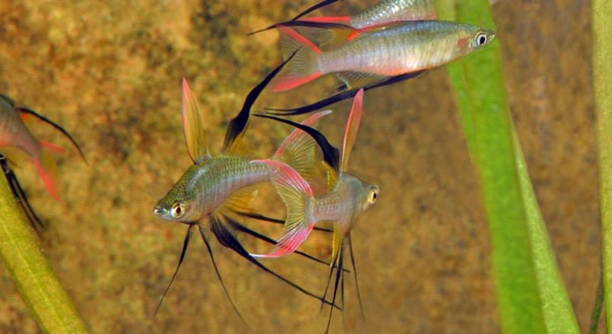
Have you ever noticed threadfins gently nudging one another while swimming together in groups? These subtle movements are common among these fish and can happen in different settings, whether in shallow waters or deeper currents.
Threadfins repeatedly nudge one another primarily as a social behavior to maintain group cohesion and communicate position within the school. This interaction can also indicate foraging coordination or mild dominance, ensuring the group moves efficiently and safely in its environment.
Observing these nudges can reveal surprising details about their social structure and daily habits in their natural habitat.
Understanding Nudge Behavior
Watching threadfins in a school can feel calming, especially when you notice how they subtly touch each other. These nudges aren’t random; they serve important functions. Often, the fish use gentle contact to keep the group organized, making sure no one strays too far. This behavior also helps them coordinate when searching for food. Each nudge sends a small signal, guiding neighbors without causing disruption. In some cases, the nudges can show minor competition, as fish test boundaries or claim slightly better positions. Observing these patterns over time shows a rhythm in their swimming that supports group safety. The nudges are repeated often enough that they become a reliable method of non-verbal communication. Unlike aggressive behaviors seen in other species, threadfins maintain calm interactions, relying on touch and proximity rather than overt displays. This keeps energy use low while still reinforcing social structure. Understanding this behavior gives insight into how subtle actions can maintain harmony in a moving group.
These nudges strengthen coordination, ensuring that every fish moves in sync and responds to environmental changes efficiently.
Over time, repeated nudging also reinforces familiarity among the fish. When fish recognize each other through these subtle touches, it reduces conflict and promotes cooperation. Younger or less experienced threadfins may learn optimal swimming positions by following the nudges of more confident individuals. Even slight variations in nudge intensity or frequency can communicate different messages, such as caution when predators are nearby or encouragement when moving toward food sources. Observing these behaviors gives a clear picture of how social patterns form and evolve in aquatic groups. The system is efficient: minimal energy is spent on signaling, yet the effects are noticeable across the entire school. Nudging creates a shared understanding without noise or risk of injury, making it a low-risk, high-benefit strategy for these fish.
Environmental Influences
Nudging frequency can change depending on water conditions and population density.
In denser schools or areas with strong currents, nudges occur more often to maintain cohesion. Environmental pressures, like the presence of predators or competition for food, can increase the need for tactile signals. Seasonal changes may also affect behavior, as spawning or migration prompts adjustments in group movement. Water clarity plays a role, too; in murky conditions, nudges become more important since visual cues are limited. Each factor subtly alters how often and how intensely threadfins interact, showing their sensitivity to surroundings. These influences highlight how behavior is not fixed but adapts to external conditions to improve survival and efficiency. Understanding the interplay between environment and social interaction provides a clearer view of their daily life and decision-making processes.
Different environments shape how threadfins communicate and interact. In open waters, nudges may be lighter and less frequent, relying on ample space for movement. In tight spaces, each touch carries more importance, guiding the school precisely. Currents can make swimming more challenging, so nudging helps fish stay aligned, avoiding collisions or getting separated. Predators amplify the behavior: the school tightens, and nudges serve as early warnings. Seasonal changes affect feeding habits, which also impact social interactions. Overall, the environment directly affects both the frequency and function of these nudges, demonstrating the dynamic relationship between habitat and behavior. Observing these patterns offers valuable insight into how threadfins adapt their communication strategies to stay coordinated and safe, revealing the complexity hidden behind simple touches.
Social Hierarchy Among Threadfins
Nudging helps establish a loose social order in threadfin schools. Fish that nudge more often may take lead positions, while those nudged frequently tend to follow. This interaction keeps the group balanced and reduces conflicts, creating smoother movement.
Leaders often guide the school toward food sources or safer areas. By nudging neighbors gently, they communicate direction and pace without aggression. Fish lower in the hierarchy learn from these cues, adjusting their swimming patterns to maintain harmony. This subtle social structure reduces the risk of collisions and confusion, especially in larger groups. Nudging is repeated enough to reinforce these roles continuously, supporting both safety and efficiency. Over time, patterns of nudging become predictable, allowing the group to function with minimal stress.
Even within the hierarchy, nudges are rarely hostile. The interactions are mostly cooperative, helping each fish understand its place and role. Those that are more assertive usually do not harm others, and subordinate fish respond by keeping position or adjusting speed. This balance ensures the group moves as a unit, with everyone benefiting from collective vigilance and coordinated foraging. Nudging is a key tool in maintaining this dynamic while allowing flexibility if the environment changes.
Communication Beyond Nudges
Threadfins also use body movement and positioning to communicate alongside nudges.
Tilting, speed changes, and subtle turns signal intention to nearby fish. This combination of touch and movement helps the school respond quickly to threats or opportunities.
Positioning signals are particularly important in murky or fast-moving waters. When visibility is limited, tactile cues may be supplemented by changes in swimming patterns. Fish might adjust spacing to indicate caution or speed up to signal food nearby. Coordinated shifts reduce the chance of separation and maintain group efficiency. These signals work in tandem with nudges, creating a communication system that is simple but highly effective, ensuring the school stays synchronized under varying conditions.
Threadfins rely on both nudges and spatial awareness to maintain communication. Observing how they adjust their relative positions, often while nudging, shows how sophisticated their coordination is. Subtle changes in swimming rhythm or angle can indicate urgency, direction, or attention to nearby fish. These combined signals allow the school to respond collectively, whether avoiding predators or navigating currents. The interplay of tactile and positional cues supports flexibility, letting the group quickly adapt to environmental changes while keeping social order intact. This integrated communication system highlights the complexity of their behavior despite appearing simple at first glance.
Foraging Coordination
Threadfins use nudges to coordinate when searching for food. A gentle touch can signal a shift in direction or indicate the discovery of a feeding spot.
This behavior helps the school cover more area efficiently while minimizing competition. Each nudge ensures that fish stay together and respond quickly to opportunities.
Predator Awareness
When danger approaches, nudges increase in frequency. Fish alert neighbors to potential threats, allowing the school to react as a single unit.
Quick, repeated nudges can signal urgency, prompting synchronized movement that reduces the risk of being singled out by predators. This instinctive behavior keeps the group safe.
Age and Experience Differences
Younger threadfins often receive more nudges than older fish. These interactions teach them proper positioning and timing within the school.
Learning through nudges allows juveniles to adapt faster, improving their survival odds while contributing to smoother group coordination.
Seasonal Changes
Nudging behavior can vary depending on the season. Fish may adjust interaction patterns to match migration or spawning periods.
During busy seasons, nudges help the school maintain structure despite increased activity and environmental challenges.
What does it mean when threadfins nudge each other?
When threadfins nudge each other, it is a form of communication. These gentle touches signal direction, position, or alertness to nearby fish. Nudging helps maintain group cohesion and ensures that the school moves smoothly without collisions. It is rarely aggressive and usually promotes harmony within the group.
Do nudges indicate dominance?
Yes, nudges can reflect social hierarchy. Fish that initiate more nudges often take leading positions in the school, guiding movement and coordinating responses to food or threats. Those nudged more frequently tend to follow and learn, helping maintain balance and reducing conflict within the group.
Are nudges connected to feeding behavior?
Absolutely. Nudging plays a significant role during foraging. A gentle touch can indicate the discovery of food or a change in direction toward a feeding area. It allows the school to spread out efficiently while staying together, minimizing competition and maximizing the success of finding resources.
How do environmental conditions affect nudging?
Environmental factors strongly influence nudging. In murky or fast-moving waters, nudges become more frequent because visibility is limited. Currents, predator presence, and seasonal changes also impact the intensity and frequency of nudging. Fish adjust their behavior to maintain cohesion and communicate effectively under different conditions.
Do younger fish nudge differently than older fish?
Juvenile threadfins often receive more nudges than older fish. Nudging teaches younger fish proper positioning, timing, and movement within the school. Over time, these interactions help them develop skills needed for survival, such as avoiding predators and coordinating during foraging, while maintaining social structure.
Can nudging signal danger?
Yes, nudging often increases when predators are near. Quick, repeated touches alert the school to potential threats, prompting synchronized movement. This behavior reduces the chance of a single fish being targeted and enhances overall group safety, showing how subtle physical contact conveys critical information.
Do threadfins nudge during migration or spawning?
Seasonal behaviors like migration and spawning can increase nudging frequency. During these periods, schools are more active, and maintaining structure is vital. Nudges help fish stay aligned, coordinate movement, and avoid separation, ensuring the group remains cohesive despite environmental challenges or high activity levels.
Is nudging unique to threadfins?
While nudging is particularly noticeable in threadfins, other schooling fish also use tactile signals for communication. What makes threadfins interesting is how consistent and subtle their nudges are, balancing social interaction, safety, and coordination without aggression or disruption.
Do nudges replace other forms of communication?
Nudges complement visual and positional cues rather than replace them. Tilting, speed adjustments, and changes in relative position work alongside nudges, creating a multi-layered communication system. This combination allows the school to respond quickly and efficiently to environmental changes.
How can observing nudges help understand fish behavior?
Watching threadfins nudge each other reveals patterns in social structure, group coordination, and environmental adaptation. By paying attention to how and when nudges occur, observers can learn about leadership, teaching of younger fish, predator awareness, and foraging strategies, highlighting the complexity of their interactions.
Are nudges always gentle?
Mostly, nudges are gentle and non-threatening. Aggression is rare; the touches are intended to communicate or guide rather than harm. This subtlety allows threadfins to maintain close proximity safely, strengthening cohesion while avoiding injury or stress within the school.
Do threadfins ever ignore nudges?
Sometimes a fish may not respond immediately to a nudge, especially if it is distracted or inexperienced. However, repeated nudging usually reinforces the intended message, ensuring that the group remains synchronized and social structure is maintained.
Can nudging indicate emotional states?
While fish don’t experience emotions like humans, nudging can reflect alertness, caution, or readiness to feed. Changes in frequency or intensity often indicate responses to environmental stimuli, such as predator presence or food availability, offering insight into their behavioral state.
Does nudging require energy?
Yes, but it is minimal. Gentle physical contact and slight adjustments in position cost little energy compared to the benefits of coordination, safety, and learning. This efficiency makes nudging an effective communication tool for maintaining group dynamics without significant physical strain.
How long do nudging interactions last?
Nudging is usually brief but frequent. A single touch communicates information quickly, while repeated nudges reinforce messages. Over time, these interactions create consistent patterns of communication that maintain social order and cohesion throughout the school.
Can humans influence nudging behavior?
Indirectly, yes. Changes in habitat, water quality, or presence of observers may alter nudging frequency or patterns. While threadfins generally maintain their routines, environmental disturbances can lead to slight shifts in how they communicate and interact within the group.
Do nudges vary among different threadfin populations?
Yes, factors like population density, local predators, and habitat conditions can cause variations. Nudging patterns may differ between coastal and open-water schools, or between younger and older populations, reflecting adaptation to specific environmental pressures and social dynamics.
What is the overall importance of nudging?
Nudging is central to threadfin life. It supports social hierarchy, group coordination, predator awareness, and foraging efficiency. By combining tactile signals with body movement and positioning, nudging ensures the school functions smoothly, adapts to changing conditions, and promotes the survival of each individual within the group.
How can observing nudges improve understanding of fish ecology?
Careful observation of nudging reveals how fish interact, adapt, and respond to their environment. Tracking these patterns helps ecologists understand population behavior, social dynamics, and survival strategies, offering a window into the subtle yet complex life of schooling fish like threadfins.
This FAQ provides a detailed look at the many roles of nudging, showing its significance in the social and ecological life of threadfins.
Final Thoughts
Observing threadfins and their nudging behavior offers a quiet glimpse into how fish interact in groups. These gentle touches are not random or meaningless; they are part of a system that keeps the school organized and connected. Each nudge communicates small but important details about movement, positioning, and alertness. Over time, the pattern of repeated nudges forms a rhythm that helps the group function efficiently. It is interesting to notice how subtle behaviors, often overlooked, play a crucial role in maintaining harmony within the school. While it may seem simple at first glance, nudging is part of a broader network of communication that includes body positioning, changes in speed, and coordinated movement. Together, these behaviors allow threadfins to move as a cohesive unit, responding to threats, finding food, and navigating their environment with precision.
The social aspect of nudging is also noteworthy. These interactions help establish a loose hierarchy within the school without aggression or conflict. Fish that initiate more nudges often guide the group, while others follow and adjust their positions accordingly. This structure reduces the chances of collisions or confusion, especially in larger groups. Younger threadfins benefit from repeated nudges as a learning tool, helping them understand proper positioning and timing within the school. Even when nudging is used to signal potential danger or changes in the environment, it remains a cooperative behavior. This balance between leadership and cooperation shows how threadfins manage social dynamics through subtle physical interactions, which ultimately contributes to the survival of each member. Observing this behavior highlights how even simple actions can support complex social structures.
Finally, nudging demonstrates the adaptability of threadfins to their surroundings. Environmental conditions, such as water clarity, currents, predator presence, and seasonal changes, all influence how often and in what ways these fish nudge each other. In denser schools or during active periods like migration or spawning, nudges become more frequent, reinforcing coordination and safety. Even small shifts in position or intensity can carry important messages that keep the group functioning smoothly. Understanding this behavior provides insight into the careful balance between social interaction and environmental adaptation. It shows that communication in fish is not just about survival in the moment but also about long-term efficiency and cohesion. Nudging may appear simple, but it is a key part of threadfins’ social life, helping them navigate challenges while staying connected as a group. This subtle, consistent behavior reminds us that even small actions can have meaningful effects in nature.

Hello,
If you enjoy the content that we create, please consider saying a "Thank You!" by leaving a tip.
Every little bit helps us continue crafting quality advice that supports the health, happiness, and well-being of pets around the world, for pets of all shapes, sizes, and species.
We really appreciate the kindness and support that you show us!