
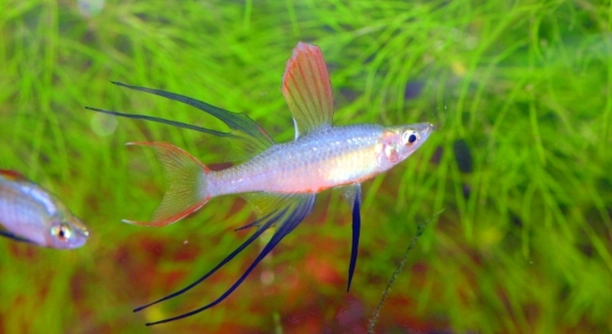
Do you ever notice your aquarium feels unbalanced when some fish seem to move so quickly while others linger slowly behind? Threadfins are known for their swift, gliding movements, which can stand out sharply among gentler species. Their constant motion adds energy to the tank, but it can also create tension or stress for fish that prefer a slower pace. Observing their interactions often reveals a delicate balance between activity and calmness that needs careful attention to maintain harmony.
Threadfins can be housed with slow swimmers if their tank is sufficiently large and offers ample hiding spots. Proper water flow, careful monitoring of feeding, and compatible tank mates are essential to minimize stress and aggression.
Keeping threadfins alongside more leisurely fish requires thoughtful planning and ongoing observation. By understanding their behaviors, aquarists can create a space where both fast and slow swimmers coexist comfortably.
Understanding Threadfins’ Temperament
Threadfins are fast-moving, active fish that constantly explore their environment. Their swimming style is smooth and graceful, but it can unintentionally intimidate slower species in the same tank. Observing threadfins closely, I noticed how they often circle the tank, creating ripples and currents that affect other fish. It’s important to recognize that their behavior isn’t aggressive by nature—it’s just their way of interacting with their surroundings. Providing enough space is essential, as a cramped environment increases stress for both the threadfins and slower swimmers. Adding decorations like plants, rocks, and caves can break up sight lines and give slower fish areas to rest safely. Maintaining a balanced feeding routine is also key because threadfins’ quick movements can make slower fish struggle to get food, potentially leading to nutritional gaps. Regular observation helps ensure all fish remain healthy and comfortable.
Threadfins require a calm tank environment and adequate space to prevent stress on slower, less active species.
By arranging hiding spots strategically, I’ve seen slower fish relax even with fast-moving companions. The tank feels more balanced when each species can access food and safe zones. Adjusting water flow can also help, as strong currents favor threadfins, leaving slower swimmers exhausted. A mix of open swimming areas and sheltered regions allows all fish to thrive, reducing tension and encouraging natural behaviors for each type.
Tank Setup Tips for Mixed Species
Proper tank setup is essential to keep both fast and slow fish comfortable. Using plenty of plants and structures helps slower swimmers find refuge and reduces stress.
Spacing and flow management make a big difference. I prefer arranging decorations so slower fish have calm corners away from threadfins’ main swimming paths. Adding gentle currents instead of strong ones prevents slower species from being pushed around constantly. Feeding techniques matter too: spreading food across the tank ensures everyone can eat without competition. Using floating, sinking, and slow-dispensing feeders works well. Lighting can influence fish behavior as well, so dimming certain areas allows slower swimmers to rest. Monitoring water parameters is crucial because threadfins are sensitive to sudden changes, and stressed fish are more likely to exhibit health issues. With consistent attention and a thoughtful setup, threadfins and slower fish can coexist peacefully, creating a visually appealing and lively aquarium.
Feeding Considerations
Threadfins are fast eaters and can easily outcompete slower fish during feeding. Spreading food evenly across the tank helps slower swimmers get their share without stress. Careful observation ensures all fish are eating enough.
I noticed that distributing different types of food works best. Floating pellets attract threadfins immediately, while sinking wafers give slower fish a chance to eat at their own pace. Feeding multiple times a day in smaller amounts reduces competition and prevents aggressive chasing. Watching the fish during feeding helps adjust quantities and placement so no species is left undernourished. Maintaining this routine keeps the tank peaceful and ensures everyone receives proper nutrition.
Adjusting feeding times to match each species’ natural habits can improve harmony. Early morning or late evening feedings give slower fish less stress from fast-moving threadfins. Supplementing with frozen or live food occasionally provides variety and supports health. I’ve found that feeding slowly while walking around the tank allows me to notice if any fish struggle or get excluded. This approach strengthens the balance, ensuring both fast and slow swimmers thrive without constant stress or missed meals.
Compatible Tank Mates
Slower fish with calm temperaments work best alongside threadfins. Avoid overly timid or tiny species that may become stressed easily.
Selecting fish based on size, swimming speed, and temperament is crucial. Medium-sized, peaceful fish tolerate threadfins’ activity better. Adding species that prefer the middle or bottom of the tank prevents constant confrontation over space. I once paired threadfins with slightly larger gouramis and corydoras, which offered natural coexistence. Observing interactions for the first few weeks is vital to spot any aggression or stress. Introducing tank mates gradually helps threadfins adjust without overwhelming slower species. Proper selection and careful monitoring create a stable community where all fish can flourish.
Water Flow Management
Threadfins prefer moderate currents, while slower fish need calmer areas. Creating zones with varied flow prevents stress and exhaustion.
I use a combination of filters and strategically placed decorations to break strong currents. Slower fish can rest, and threadfins still enjoy active swimming paths.
Monitoring Behavior
Regular observation is essential to spot signs of stress or aggression. Noticing changes early prevents long-term health issues. I check for hiding, rapid breathing, or avoidance. Adjusting tank conditions or rearranging decorations often resolves tension, keeping all fish comfortable.
Tank Size Recommendations
A spacious tank allows threadfins and slower swimmers to coexist without constant competition. Minimum tank size should accommodate fast swimming and resting areas. Providing vertical and horizontal space ensures freedom of movement for each species, reducing stress and supporting natural behaviors.
Hiding Spots and Decorations
Adding caves, plants, and other decorations gives slower fish safe retreats. Proper placement ensures calm zones are easily accessible, balancing the tank environment.
FAQ
Can threadfins live peacefully with all slow-swimming fish?
Not all slow swimmers are compatible. Threadfins do best with medium-sized, calm species that can tolerate their speed and activity. Very small or timid fish may get stressed or even injured. I’ve found that observing interactions for a few weeks is necessary to determine long-term compatibility.
How large should the tank be for a mixed community?
A spacious tank is essential. Threadfins need room to swim actively, and slower fish require resting areas. I recommend at least 55 gallons for a small group of threadfins with slower companions. Vertical and horizontal space allows everyone to establish their preferred zones without conflict.
What feeding strategies work best in a mixed tank?
Feeding in multiple spots helps reduce competition. I usually place floating pellets for threadfins and sinking wafers for slower fish. Smaller, frequent feedings prevent aggressive chasing and ensure all fish get enough nutrition. Observing mealtime behavior allows adjustments to feeding locations and quantities.
Do threadfins bully slower fish?
Threadfins are naturally active, not aggressive. However, their speed can overwhelm timid species. Providing hiding spots, gentle currents, and enough open swimming areas helps prevent accidental bullying. I’ve seen slower fish thrive when they have calm corners to retreat to while threadfins remain active.
What type of decorations work best for slow swimmers?
Dense plants, caves, and driftwood create safe zones. Slower fish use these to rest and escape from currents. I like arranging decorations to break sight lines and separate active swimming lanes from calm areas. This setup encourages natural behavior and reduces stress for all species.
How important is water flow in a mixed tank?
Water flow must suit both active and slower fish. Threadfins enjoy moderate currents, but strong flow can exhaust slower fish. I position filters carefully and use rocks or plants to create calmer areas, ensuring each species can swim comfortably without constant stress.
How can I tell if a slow fish is stressed?
Signs include hiding constantly, rapid breathing, clamped fins, or reduced appetite. I monitor my tank daily to catch early symptoms. Making small adjustments, such as rearranging decorations or slowing currents, often alleviates stress before it affects health.
Can feeding schedules reduce conflicts?
Yes. Feeding several times a day in smaller amounts gives slow fish a chance to eat without being chased. I rotate feeding locations and types of food to ensure all fish receive adequate nutrition and to minimize tension during meals.
Is tank mate selection critical for threadfins?
Absolutely. Choosing species with compatible size, speed, and temperament is key. Threadfins are lively and can stress overly timid fish. I often recommend medium-sized, peaceful species that occupy different parts of the tank to maintain balance and harmony.
How often should I observe the tank for issues?
Daily observation is ideal, especially in the first few weeks after introducing new fish. I pay attention to interactions, swimming patterns, and feeding behavior. Early detection of stress or aggression allows quick adjustments, ensuring both threadfins and slower swimmers remain healthy and comfortable.
Are live plants better than artificial ones for slow swimmers?
Live plants provide natural hiding spots and improve water quality. I use a mix of tall plants and broad-leafed species to create calm zones. Artificial decorations work too, but they should be arranged thoughtfully to mimic the shelter and separation that live plants naturally provide.
Can threadfins and slow swimmers breed in the same tank?
Breeding is possible, but stress from incompatible tank mates can reduce success. I usually separate breeding pairs to ensure eggs and fry are safe. Providing adequate space and hiding spots in the main tank helps prevent accidental disturbances during spawning.
What water parameters suit both threadfins and slow fish?
Stable temperature, pH, and cleanliness are essential. I keep water slightly warm and well-oxygenated, with moderate filtration. Avoid sudden changes, as both threadfins and slower species can become stressed easily, which may lead to disease or aggressive behavior.
How do I introduce new slow fish to a threadfin tank?
Introduce slow fish gradually, ideally using a quarantine or acclimation method. I float the new fish in a bag, slowly mixing tank water, then release them near calm areas. Watching their first interactions ensures they adjust without being overwhelmed.
Can slow swimmers survive with juvenile threadfins?
Juvenile threadfins are often smaller but just as active. They can unintentionally stress slow fish until they grow. I monitor juveniles closely and provide extra hiding spots until their activity blends naturally with the rest of the tank.
What are the best practices for long-term tank harmony?
Regular observation, proper tank size, hiding spots, gentle currents, and thoughtful feeding schedules maintain balance. I recommend periodic rearrangement of decorations to prevent territorial disputes and ongoing attention to each species’ health. Consistency and careful planning ensure all fish thrive together over time.
Threadfins are lively and beautiful fish that can bring a lot of energy to an aquarium. Their quick, graceful movements often make them the most noticeable swimmers in the tank. While this liveliness is appealing, it can create challenges when housing them with slower fish. Slow swimmers may get stressed if the tank is too small or lacks proper hiding spaces. I have seen tanks where slow fish were constantly pushed aside during feeding or when threadfins darted past them, leading to exhaustion and occasional health issues. It is important to recognize that this is not aggression but a natural result of their activity level. Creating an environment that allows both fast and slow swimmers to coexist requires careful planning and observation. Factors like tank size, water flow, decorations, and feeding routines all play a role in maintaining harmony. A well-thought-out setup can prevent stress, reduce competition, and support the overall health of all species in the tank.
Providing ample space is one of the most effective ways to ensure coexistence. Threadfins need room to swim freely, while slower species need calmer areas to rest and feed without interference. Using plants, caves, and other structures can break sight lines and create multiple zones, allowing each type of fish to enjoy their preferred environment. Proper feeding techniques are also crucial. Spreading food across different areas, using sinking or slow-dispensing options, and feeding smaller portions multiple times a day can help prevent faster fish from outcompeting slower ones. Observing the tank during feeding is helpful to make sure all fish receive enough nutrition and that no one is constantly stressed or excluded. Over time, these adjustments lead to a more balanced environment where threadfins remain active without overwhelming their tank mates. Regular monitoring allows quick intervention if any fish show signs of stress or aggression.
Long-term success with mixed tanks depends on consistency and attention to detail. Water quality, temperature, and flow should be stable to reduce stress. Choosing compatible tank mates based on size, temperament, and swimming habits makes a significant difference in maintaining harmony. Gradual introductions, careful observation, and adjustments in decoration or feeding routines help slow swimmers feel safe while allowing threadfins to maintain their natural activity. I have found that patience is key; it may take time for all species to adapt to one another. When done correctly, keeping threadfins with slower fish is rewarding. You can enjoy a lively, diverse aquarium where every fish has its space, feels safe, and thrives, creating a dynamic yet peaceful environment for all inhabitants.

Hello,
If you enjoy the content that we create, please consider saying a "Thank You!" by leaving a tip.
Every little bit helps us continue crafting quality advice that supports the health, happiness, and well-being of pets around the world, for pets of all shapes, sizes, and species.
We really appreciate the kindness and support that you show us!