
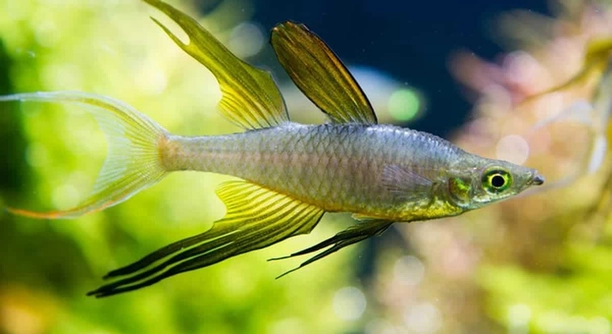
Threadfin are fascinating fish that often attract attention for their swift, gliding movements in freshwater and brackish environments. Observing them can be relaxing, yet their swimming patterns are influenced by many subtle factors in their habitat and behavior.
Threadfin swimming patterns are primarily affected by water temperature, salinity, oxygen levels, light exposure, food availability, presence of predators, and social interactions. Each of these elements interacts with their physiology and environment, causing variations in speed, direction, and depth of swimming.
Understanding these influences will help in managing their habitats effectively and promoting healthier, more natural behaviors in both wild and captive settings.
Water Temperature
Threadfin are very sensitive to changes in water temperature. When the water warms slightly, they tend to swim faster and move toward the surface. Cooler temperatures slow them down and make them stay closer to the bottom. Even small shifts can change their routine, affecting feeding and resting. In aquariums or controlled ponds, maintaining a stable temperature is essential. Sudden changes stress the fish, making them less active and more prone to illness. Seasonal variations also impact swimming patterns, as threadfin adjust to find comfortable conditions. Observing their behavior during these changes can give clues about their comfort and health. This sensitivity to temperature highlights the importance of careful habitat management, especially when replicating natural conditions for them. A consistent environment helps maintain normal swimming patterns, feeding habits, and overall well-being.
Keeping water within the ideal range ensures threadfin remain active and healthy throughout the year, reducing stress and promoting regular movement.
Temperature changes influence not only speed but depth preference. Warmer water encourages surface activity, while cooler conditions push them lower. Careful monitoring prevents sudden disruptions in swimming, helping threadfin behave naturally.
Salinity
Salinity affects threadfin’s swimming patterns significantly. Higher salt content can make them sluggish, while lower levels may increase activity and exploration.
Threadfin are adapted to brackish conditions, and deviations can disturb their comfort. Gradual adjustments in salinity help them maintain normal swimming.
In both ponds and tanks, keeping salinity steady is critical. Sudden spikes or drops force the fish to expend energy adapting to osmoregulation, slowing their movements. Over time, irregular salinity can affect feeding, social interaction, and stress levels. Observing their responses to changes in water chemistry gives insights into their preferred conditions. For instance, young threadfin often show more sensitivity, staying near calmer areas when salinity is uneven. Proper measurement and adjustment allow them to swim freely and maintain their typical patterns. When managing habitats, understanding local water salinity and matching it closely ensures healthier fish. Consistency promotes natural activity levels, supporting normal feeding, schooling, and resting behavior. Monitoring salinity along with temperature helps create a stable environment for threadfin.
Oxygen Levels
Threadfin need well-oxygenated water to swim actively. Low oxygen makes them slow, often staying near the surface or hiding in corners.
Oxygen directly influences their metabolism. When levels drop, threadfin reduce movement to conserve energy. In aquariums or ponds, aeration devices or plants can help maintain steady oxygen. Sudden changes in oxygen can cause erratic swimming or gasping behavior. Observing their positioning and speed gives clues about water quality. Young threadfin are more sensitive, so consistent oxygen levels are essential for growth and activity. Proper circulation also prevents stagnant areas that could affect swimming patterns, keeping them comfortable and healthy in their environment.
Even small oxygen fluctuations can alter schooling behavior. Fish may cluster near inflows or bubbled areas. Ensuring stable oxygen levels supports natural swimming, feeding, and social activity, reducing stress and promoting overall health.
Light Exposure
Threadfin respond strongly to light. Bright light can make them more active, while dim light often causes slower, cautious movement. They adjust swimming depth according to intensity.
Light cycles influence behavior and physiology. Threadfin exposed to sudden bright light may dart or hide, while gradual changes encourage normal patterns. Maintaining regular day-night cycles helps regulate feeding, schooling, and rest. Shadows and reflections can also affect movement, especially in tanks or shallow ponds. Consistent lighting supports natural circadian rhythms, making them more predictable in swimming patterns. Adjusting intensity gradually allows threadfin to explore their environment without stress. Observation under stable lighting can reveal true swimming behavior, helping optimize habitat design.
Proper light exposure encourages natural exploration and prevents erratic swimming. Overly bright or inconsistent light can cause stress, reducing activity. Managing intensity carefully ensures threadfin remain comfortable and active, promoting healthy patterns and regular social interactions.
Food Availability
Threadfin adjust their swimming based on how easy it is to find food. When food is plentiful, they move actively and spread out.
Limited food makes them slow and more competitive. They may cluster in feeding areas, conserving energy between bites.
Presence of Predators
The presence of predators strongly changes threadfin behavior. Fish swim closer to cover, move in tighter schools, and reduce surface activity. They prioritize safety over exploration, often slowing down or making sudden, short bursts of movement when sensing danger. In ponds or tanks, even small disturbances can trigger these behaviors. Understanding how predators influence swimming helps in habitat management and ensures threadfin maintain normal patterns without unnecessary stress.
Social Interactions
Threadfin swim differently when alone versus in groups. Grouped fish display coordinated schooling, while solitary fish move cautiously, often near shelter.
FAQ
How does water temperature affect threadfin swimming patterns?
Water temperature directly impacts threadfin activity. Warmer water increases metabolism, making fish swim faster and explore more. Cooler water slows their movement, often keeping them near the bottom. Rapid temperature changes can stress them, causing erratic or sluggish swimming. Maintaining a stable temperature helps ensure normal, healthy activity.
Can salinity changes disrupt their behavior?
Yes. Threadfin thrive in brackish conditions, so sudden changes in salinity can alter swimming patterns. Higher salinity may slow them down, while lower levels can increase activity. Gradual adjustments allow them to adapt without stress, promoting stable movement and natural behavior.
Why is oxygen level important for swimming activity?
Low oxygen reduces energy, causing threadfin to swim slowly or stay near the surface. Proper aeration or plant growth ensures steady oxygen, supporting normal swimming, feeding, and social interactions. Young fish are especially sensitive to low oxygen.
Does light exposure influence their swimming?
Threadfin respond to light intensity. Bright light often encourages movement and surface activity, while dim or inconsistent lighting makes them cautious or slower. Maintaining regular day-night cycles supports normal circadian rhythms, feeding, and schooling behavior.
How does food availability impact movement?
Plentiful food encourages active swimming and exploration, while limited food makes threadfin cluster in feeding areas and conserve energy. Regular feeding schedules help maintain natural swimming patterns and reduce stress from competition.
Do predators change their swimming habits?
Presence of predators makes threadfin swim in tighter schools, stay close to cover, and reduce surface activity. Sudden disturbances may cause quick bursts of movement. Even in safe habitats, perceived threats can alter their natural swimming behavior.
How do social interactions affect swimming?
Threadfin behave differently alone versus in groups. Schooling provides coordination and protection, resulting in smooth, collective movement. Solitary fish swim cautiously, often near shelter. Social dynamics influence energy use, feeding, and overall activity levels.
Are young threadfin more sensitive to environmental changes?
Yes, juvenile threadfin react more strongly to shifts in temperature, oxygen, salinity, and light. Their swimming patterns are more easily disrupted, making careful habitat management crucial during early growth stages. Stable conditions support healthy development and normal movement.
Can stress alter their swimming patterns?
Stress from overcrowding, sudden environmental changes, or aggressive tank mates can slow threadfin, cause erratic swimming, or increase hiding behavior. Reducing stress through proper habitat setup and consistent conditions helps maintain natural swimming activity.
What is the best way to monitor swimming behavior?
Observing their position, speed, and group behavior is key. Noticing changes in depth preference, schooling, or surface activity can indicate environmental issues. Consistent monitoring allows timely adjustments to temperature, oxygen, light, or salinity, keeping threadfin healthy and active.
How does habitat design affect their movement?
Complex habitats with cover and open areas encourage natural swimming and exploration. Sparse or uniform environments may reduce activity or increase stress. Providing a mix of plants, hiding spots, and swimming space supports balanced movement and social interactions.
Is it necessary to adjust conditions seasonally?
Yes, seasonal changes in temperature, light, and water chemistry can affect swimming. Gradual adjustments that mimic natural conditions help threadfin maintain consistent behavior and avoid stress, ensuring continued growth and activity throughout the year.
Can feeding routines influence swimming patterns long-term?
Regular feeding schedules stabilize activity, while irregular feeding may cause frantic or overly slow movements. Predictable routines reduce stress, improve social harmony, and support healthy swimming behavior. Observing responses to feeding helps refine schedules for optimal movement.
How do environmental interactions combine to influence behavior?
Temperature, salinity, oxygen, light, predators, food, and social dynamics all interact to shape swimming. Changes in one factor can amplify effects of another. Maintaining balanced, stable conditions ensures threadfin remain active, healthy, and display natural swimming patterns consistently.
Are there signs that swimming patterns indicate poor health?
Erratic, sluggish, or unusual swimming can signal stress, disease, or poor water quality. Observing consistent changes in movement or depth preference can help detect problems early, allowing corrective measures before serious issues arise.
Can threadfin adapt to new environments?
Gradual introduction and stable conditions help threadfin adjust. Rapid changes in temperature, salinity, oxygen, or lighting can cause abnormal swimming. Monitoring behavior during adaptation ensures they remain active and comfortable.
Do different life stages swim differently?
Juveniles are more cautious and sensitive to environmental changes, while adults are more resilient. Growth affects energy, schooling behavior, and exploration, so swimming patterns vary with age and size.
Is it important to monitor social hierarchy?
Yes, dominant or aggressive individuals can influence group swimming. Social stress may reduce activity in submissive fish. Proper group management ensures balanced schooling and healthy movement for all threadfin.
How can regular observation improve habitat management?
Frequent monitoring reveals subtle changes in swimming patterns caused by environmental shifts or stressors. Adjusting conditions based on behavior keeps threadfin healthy, reduces stress, and maintains natural activity patterns. Consistency is key for long-term well-being.
What are simple steps to maintain stable swimming behavior?
Maintain consistent temperature, salinity, oxygen, and light. Provide proper feeding schedules, adequate cover, and enough space for schooling. Monitor behavior regularly and adjust gradually. These steps ensure threadfin remain active, healthy, and display normal swimming patterns in any environment.
Threadfin are fascinating fish with delicate behaviors influenced by many aspects of their environment. Observing them can teach a lot about how water conditions, food, and social interactions affect their daily activity. Maintaining a balanced habitat is important because even small changes can make a noticeable difference in swimming patterns. Temperature, salinity, oxygen levels, and light are all key factors that determine how actively threadfin move and where they spend their time. Fish in comfortable conditions tend to swim more naturally, explore their surroundings, and interact with others. When any of these factors shift suddenly, threadfin may react by hiding, slowing down, or changing depth, which can signal stress or discomfort. Paying attention to these signals allows caretakers to respond before more serious issues arise.
Food availability and the presence of predators also play major roles in movement patterns. Threadfin with easy access to food tend to be more active and spread out across their habitat. Limited food can make them cluster and move less, conserving energy. Similarly, if predators are nearby, threadfin change their swimming habits to prioritize safety. They swim closer to cover, form tighter schools, or make sudden bursts of movement to avoid threats. Even in controlled environments, perceived dangers can influence behavior, so providing a safe space is essential. Social interactions further influence swimming. Fish in groups display coordinated schooling, which is very different from the cautious movement of solitary fish. Understanding these dynamics helps in creating a habitat that supports natural behavior, reduces stress, and encourages healthy activity.
Monitoring threadfin closely is the best way to ensure their well-being. Observing swimming patterns, depth preference, and social interactions can reveal if environmental conditions are suitable. Adjustments in temperature, salinity, oxygen, light, or food can then be made gradually to maintain stability. Young threadfin require extra care, as they are more sensitive to changes, and even small fluctuations can impact activity levels. Regular observation also helps identify signs of stress or illness early, allowing corrective action before problems worsen. By keeping conditions consistent and supporting natural behaviors, threadfin can thrive, displaying active, balanced swimming patterns. Attention to these details ensures they remain healthy, comfortable, and engaged in their environment, making both care and observation rewarding.

Hello,
If you enjoy the content that we create, please consider saying a "Thank You!" by leaving a tip.
Every little bit helps us continue crafting quality advice that supports the health, happiness, and well-being of pets around the world, for pets of all shapes, sizes, and species.
We really appreciate the kindness and support that you show us!