
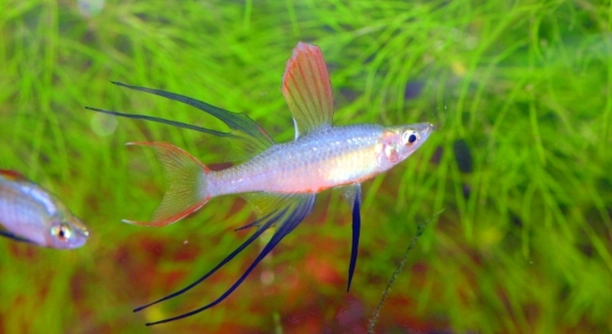
Do you ever notice threadfins floating in calm waters for long periods without moving? Observing them in their natural habitat can be surprisingly peaceful. Their stillness often draws attention, prompting many to wonder about the reasons behind it.
Threadfins can remain motionless for extended periods due to their low metabolic rate and natural buoyancy. Their swim bladder allows them to maintain position with minimal effort, conserving energy while remaining stable in the water column.
Understanding why threadfins float still offers insight into their behavior and environmental adaptation, providing valuable context for observing them safely and respectfully.
Understanding Threadfin Buoyancy
Threadfins have a specialized swim bladder that allows them to maintain buoyancy with minimal effort. This organ inflates or deflates depending on their depth, letting them float or sink without constant movement. Their body structure also contributes to stability, with lightweight bones and elongated fins that help balance in water. By reducing unnecessary motion, threadfins save energy for feeding and reproduction. Environmental conditions, such as water temperature and currents, influence their ability to stay still. In warmer waters, their metabolism is slightly faster, but they still rely on the swim bladder to conserve energy. Predation risk is another factor; floating quietly helps them avoid drawing attention. Observing threadfins in clear waters provides insight into how aquatic species adapt to conserve energy. This stillness is not a sign of weakness, but rather an effective survival strategy that allows them to thrive in calm and deeper areas.
Their buoyancy system is precise, allowing them to remain stable with minimal energy output.
Floating still helps threadfins regulate their energy while adjusting subtly to water conditions. It also supports their feeding patterns, as motionless positioning allows them to capture plankton and small prey efficiently. Remaining steady reduces unnecessary movement that could attract predators, giving them an advantage in survival. By relying on their swim bladder and fin positioning, they can maintain depth without constant swimming. Environmental factors such as salinity, temperature, and current strength affect their ability to stay still. In shallow areas, they may move more frequently, but deeper regions allow longer periods of stillness. This combination of physiology and environment creates a balance, letting threadfins float efficiently while conserving energy and staying alert for potential threats.
Environmental Influence on Stillness
Calm waters make it easier for threadfins to remain motionless, reducing energy expenditure.
Water clarity, temperature, and flow all impact their stillness. In clear, calm waters, threadfins can float near the surface or mid-depth with little effort, conserving energy for feeding. Strong currents or murky waters may force more movement, altering their usual behavior. Seasonal changes also influence their positioning, as warmer periods can increase metabolism and activity levels, while cooler periods encourage extended stillness. Additionally, areas with abundant plankton or small prey allow them to feed efficiently without moving much. Understanding these environmental factors helps explain why threadfins are observed floating in some regions more than others. Studying these patterns provides insight into how aquatic species interact with their habitat and maintain energy balance effectively. Observing their behavior across conditions highlights the adaptability of threadfins to varying aquatic environments, showing how stillness is both a natural and strategic response to their surroundings.
Energy Conservation Strategies
Threadfins conserve energy by limiting unnecessary movement. Floating still allows them to maintain position while using minimal effort, which is essential for survival in areas with scarce food sources or strong currents.
By relying on their swim bladder and body structure, threadfins reduce muscular exertion. This stillness conserves energy for feeding, growth, and reproduction, allowing them to allocate resources efficiently. Their elongated fins assist in minor adjustments, keeping balance without active swimming. Even small movements are calculated, minimizing caloric expenditure. In deeper waters, where predators are fewer, they can afford longer periods of inactivity, which supports overall energy management. This strategy demonstrates how physiology and behavior work together to optimize survival.
Energy conservation also improves feeding efficiency. Floating near prey zones allows threadfins to capture plankton or small fish without chasing them, reducing energy output. Maintaining position quietly reduces disturbance in the water, increasing the likelihood of successful feeding while remaining alert to predators. Their ability to adjust buoyancy for precise positioning further enhances efficiency. Environmental awareness, combined with physiological adaptations, ensures they maximize energy intake while minimizing waste, showing a sophisticated approach to survival.
Feeding Patterns and Stillness
Threadfins often float near the surface or mid-depth where plankton and small prey are abundant. This positioning allows them to feed efficiently with minimal movement, conserving energy for other activities.
Their stillness is closely linked to feeding behavior. By remaining motionless, threadfins can ambush or capture drifting prey with little effort. Constant swimming would expend unnecessary energy and reduce efficiency, so floating patiently near food sources is beneficial. Seasonal changes in prey availability also affect their positioning, as they may shift depths or locations depending on where food is concentrated. Calm water conditions allow longer periods of stillness, improving feeding success. Observing these patterns helps explain why threadfins appear inactive while still sustaining themselves effectively.
This method of feeding also reduces visibility to predators. By combining precise buoyancy control and minimal movement, threadfins can remain in optimal feeding zones without drawing attention. Their elongated fins support subtle adjustments in position, enabling quick reactions when prey drifts nearby. In addition, environmental factors like temperature, salinity, and water clarity influence where they float, ensuring they remain in productive feeding areas. This balance of energy conservation and strategic positioning demonstrates a practical adaptation that allows threadfins to thrive in varying aquatic conditions.
Predation Avoidance
Floating still helps threadfins avoid attracting predators. Minimal movement reduces visibility, making them less noticeable in open or shallow waters.
Their body shape and fin placement support quick adjustments if threatened. Remaining motionless allows them to blend with the water environment while staying alert to potential dangers nearby.
Seasonal Behavior Changes
Threadfins adjust their activity based on seasonal variations. Warmer months can increase metabolism, prompting more frequent movement for feeding and reproduction. Cooler periods slow activity, allowing longer stillness and energy conservation. These patterns show how threadfins adapt their behavior to environmental changes for survival.
Social Interaction
Threadfins sometimes float near others for safety. Grouping reduces individual risk while allowing them to feed efficiently without constant movement.
FAQ
Why do threadfins float without moving for so long?
Threadfins float still primarily because of their swim bladder and low metabolic rate. The swim bladder allows precise buoyancy control, letting them maintain depth without constant swimming. This stillness saves energy for feeding, growth, and avoiding predators. Their body shape and fin placement make subtle adjustments possible without noticeable movement.
Does floating still mean the fish is unhealthy?
Not at all. Floating quietly is a natural behavior for threadfins and is a sign of efficient energy management. Observing them still is normal unless accompanied by other symptoms like erratic swimming, discoloration, or labored breathing. In calm waters, it is common to see them motionless for extended periods.
How long can threadfins float without moving?
The duration depends on water conditions, temperature, and food availability. In stable, calm environments, threadfins can float for hours or even most of the day without moving. They make small adjustments to maintain balance but do not need to actively swim constantly.
Does water temperature affect their stillness?
Yes. Warmer waters increase metabolism slightly, prompting more frequent movement for feeding, while cooler temperatures slow them down, allowing longer periods of floating still. They adapt their behavior seasonally to balance energy use and feeding efficiency.
Do threadfins float still in groups or alone?
Both. Threadfins can float alone when food is abundant or predation risk is low. Group floating offers added safety, as being near others reduces individual risk while conserving energy. Social grouping may also help locate food and maintain optimal positions in the water column.
Are they easier to catch when floating still?
They can appear easier to catch, but their stillness is paired with alertness. Quick adjustments and subtle fin movements allow them to respond rapidly to threats, making them less vulnerable than they seem. Experienced predators or anglers may observe their position first before taking action.
Does their diet influence how long they float still?
Yes. Feeding on small, drifting prey like plankton or tiny fish supports stillness. Their position near feeding zones reduces the need to chase food actively. When prey is scarce or dispersed, they may move more frequently to reach productive areas.
Is floating still behavior unique to threadfins?
No, several fish species exhibit similar behavior, particularly those with a swim bladder. However, threadfins are notable for long periods of stillness combined with precision in buoyancy control. Their body structure and fin positioning make this behavior highly efficient.
Can environmental changes disrupt their floating behavior?
Absolutely. Strong currents, murky water, pollution, or sudden temperature shifts can force threadfins to move more frequently. They adapt to changes, but optimal stillness occurs in calm, clear, and stable waters. Environmental disruptions may increase energy expenditure temporarily.
How does floating still help with feeding efficiency?
Remaining motionless lets threadfins ambush drifting prey without expending energy chasing it. Their subtle fin adjustments allow them to position themselves precisely in productive feeding zones. This approach maximizes energy intake while minimizing waste, combining survival strategy with feeding efficiency.
Do juveniles float still like adults?
Juvenile threadfins float less often than adults because they are smaller, have higher relative metabolism, and need more frequent feeding. As they mature, their ability to float for extended periods improves due to increased control over buoyancy and more efficient energy management.
Can predators exploit their stillness?
While floating still may seem risky, threadfins’ subtle alertness and quick reaction to disturbances help them avoid predation. Remaining motionless reduces the chance of being noticed initially, which is a strategy rather than a vulnerability. Groups increase safety further by spreading awareness of threats.
Does water clarity affect their behavior?
Yes. In clear water, threadfins can remain still longer, as they can see threats and prey clearly. In murky water, they may move more frequently to avoid obstacles, find food, or adjust to changing conditions, slightly reducing periods of stillness.
Are there times when threadfins float still for rest?
Yes. Floating still allows them to conserve energy and rest muscles. This behavior is like a low-energy pause, helping them recover from periods of activity, avoid unnecessary exertion, and maintain alertness for feeding or predator detection.
Can humans observe this behavior without disturbing them?
Absolutely. Threadfins tolerate observation well if approached quietly. Sudden movements, splashing, or loud noises can startle them and disrupt floating behavior. Watching from a distance allows natural patterns of stillness and feeding to continue undisturbed.
Does floating still affect growth or reproduction?
Floating still supports overall energy efficiency, indirectly benefiting growth and reproduction. By conserving energy for feeding and survival rather than constant swimming, threadfins can allocate more resources to growth and reproductive activities during appropriate seasons.
How can I identify a threadfin while it is floating still?
Look for elongated fins, a slender body, and a calm, motionless posture in the water. Their head may subtly adjust, and fins may twitch for minor positioning, but the overall body remains stationary. Clarity of water helps in observing these characteristics more easily.
What is the main reason threadfins float still?
The primary reason is energy conservation paired with environmental adaptation. By remaining motionless in favorable conditions, they save energy, maintain effective feeding patterns, and reduce predation risk, demonstrating a strategic balance of survival behaviors.
Can this behavior be replicated in aquariums?
Yes, under controlled conditions. Proper water temperature, clarity, minimal currents, and sufficient feeding allow threadfins to float still in aquariums. Replicating natural buoyancy conditions is key, as stress or improper settings can force them to move more frequently.
Do all threadfins in a habitat float still equally?
Not necessarily. Individual behavior varies based on size, age, health, and position in the water column. Environmental factors like food availability, predator presence, and water conditions also influence how long each fish remains motionless. Observing patterns requires patience.
How important is floating still for survival?
It is crucial. Floating still conserves energy, improves feeding efficiency, reduces predation risk, and allows adaptation to environmental changes. This behavior is a core survival strategy, enabling threadfins to thrive in their natural habitat while balancing energy needs effectively.
Can threadfins adjust stillness based on threats?
Yes. They increase movement when predators are near or conditions change, then return to stillness once safe. This flexibility demonstrates adaptive behavior, balancing energy conservation with responsiveness to environmental cues.
Does floating still impact social behavior?
Yes. In groups, stillness provides safety while maintaining position near food sources. Grouping minimizes individual risk, ensures efficient feeding, and allows social awareness without significant movement, supporting both survival and energy management.
How do researchers study this behavior?
Researchers observe threadfins in natural or controlled environments, recording position, movement, and reactions to stimuli. Tracking buoyancy adjustments, fin movements, and feeding behavior helps understand how floating still supports energy conservation, predation avoidance, and overall survival strategies.
Are there misconceptions about threadfins floating still?
Many assume stillness indicates weakness or illness. In reality, it is a deliberate, energy-efficient strategy. Observing their subtle adjustments and alertness reveals a well-adapted survival behavior rather than inactivity or lethargy.
How do environmental threats affect their stillness long-term?
Pollution, habitat disruption, or climate changes may force more frequent movement, increasing energy expenditure. Over time, this can impact feeding efficiency, growth, and reproduction, highlighting the importance of stable, calm habitats for their natural behavior.
Can their stillness be used to predict behavior?
Yes. Observing periods of stillness can indicate feeding zones, predator presence, and environmental conditions. Patterns of stillness and movement help predict when and where threadfins are likely to feed or adjust position.
Do threadfins communicate while floating still?
Communication is subtle, mostly through movement cues or positioning in groups. Floating still allows them to observe peers, maintain spacing, and react collectively to threats or food availability without unnecessary swimming.
Is floating still a common survival strategy in other fish?
Yes. Many species with swim bladders or similar adaptations use stillness to conserve energy and remain alert. Threadfins are notable for combining long-duration stillness with precise buoyancy control and subtle environmental responsiveness, making it particularly efficient.
Can their stillness be influenced by human activity?
Yes. Boat traffic, noise, and water pollution can disrupt stillness. Stress from human activity forces more frequent movement, which can reduce energy efficiency and affect feeding or social patterns. Minimizing disturbances helps maintain natural behavior.
What should I look for to confirm natural stillness?
Stable posture, minimal fin adjustments, calm positioning near food zones, and alertness to surroundings indicate natural floating stillness. Any rapid or erratic movement may suggest environmental stress or disturbance rather than normal behavior.
How does stillness support reproductive behavior?
By conserving energy and maintaining optimal positioning, threadfins can allocate resources for reproductive activities. Reduced energy waste ensures they are healthy and capable of engaging in mating behaviors during appropriate seasons.
Do predators learn to exploit their stillness?
Predators may recognize areas where threadfins float still, but threadfins’ alertness and ability to react quickly reduce vulnerability. Grouping and subtle adjustments further mitigate risk, demonstrating a balance between energy conservation and survival awareness.
Can changes in prey availability alter their stillness?
Yes. When food is scarce, threadfins move more frequently to locate prey. In abundant zones, they can float still for longer periods, using minimal energy to feed effectively. Environmental conditions directly influence the duration of inactivity.
Is floating still more common in certain habitats?
Yes. Calm, clear, and nutrient-rich waters support longer periods of stillness. Areas with strong currents or high predator presence reduce stillness, forcing threadfins to move more frequently to maintain position and safety.
Does floating still affect swimming skill?
Not negatively. Threadfins remain capable of quick bursts of movement when necessary. Stillness does not reduce swimming ability; it enhances energy efficiency while retaining full capacity for escape or repositioning.
How do seasonal migrations impact stillness?
During migrations or seasonal shifts, threadfins may reduce stillness to move to feeding or breeding areas. Once settled in favorable conditions, they resume longer periods of floating still to conserve energy and feed efficiently.
Are juvenile and adult stillness patterns different?
Yes. Juveniles float less due to higher metabolic demands and frequent feeding needs. Adults have more controlled buoyancy and energy-efficient behaviors, allowing extended periods of stillness while maintaining feeding and predator awareness.
Do threadfins prefer stillness at certain depths?
Typically, mid-depth and calm surface areas allow optimal stillness. Deep areas offer fewer predators, supporting longer inactivity, while shallow or turbulent areas may require more movement. Depth selection balances feeding opportunities, safety, and energy conservation.
Can floating still be interrupted naturally?
Yes. Currents, prey movement, predators, or environmental changes can temporarily interrupt stillness. Threadfins respond quickly and resume floating when conditions stabilize, demonstrating adaptive flexibility in behavior.
Does floating still influence growth rate?
Yes. Energy conserved through stillness allows more resources to be directed toward growth. Efficient feeding without excessive swimming supports healthy development and overall vitality.
Are all threadfin species equally prone to floating still?
Behavior varies among species. Some threadfins rely more on active swimming, while others use extended floating periods. Differences depend on body structure, habitat, and feeding strategies specific to each species.
Can human observation alter their floating patterns?
Sudden presence, noise, or movement can disrupt floating behavior. Quiet observation allows natural stillness, providing accurate insight into feeding, social, and energy-conservation behaviors without interference.
How do threadfins respond to predators while floating?
They remain alert and ready to react. Quick fin movements or subtle body adjustments allow escape or repositioning while maintaining minimal energy use, combining vigilance with conservation.
Is floating still behavior energy-efficient compared to constant swimming?
Yes. Floating still reduces caloric expenditure, supports feeding efficiency, minimizes predator attention, and allows resource allocation for growth and reproduction. It is a core strategy for survival, demonstrating a sophisticated adaptation for energy management.
Can observing floating still help with conservation efforts?
Yes. Understanding patterns of stillness helps identify habitat preferences, feeding zones, and environmental sensitivities. This knowledge supports habitat protection, responsible human activity, and effective management strategies for threadfin populations.
Do threadfins adjust stillness for breeding season?
Yes. They may alter position or timing of stillness to maximize energy for mating or to access preferred breeding sites. Energy conservation remains essential for reproductive success.
Are there long-term effects if threadfins cannot float still?
Chronic disruption increases energy expenditure, reduces feeding efficiency, and may affect growth, reproduction, and survival. Maintaining stable habitats supports natural floating behavior and overall health.
Does social hierarchy influence floating behavior?
Yes. Dominant individuals may occupy prime stillness positions near food sources, while others adjust position to conserve energy while staying safe. Subtle interactions influence placement and duration of floating still.
How do they maintain orientation while floating still?
Fin positioning, subtle body adjustments, and sensory input allow threadfins to stay balanced and oriented. Their swim bladder provides vertical control, while fins handle minor horizontal or rotational corrections.
Are environmental pollutants a concern for stillness?
Yes. Pollutants can disrupt buoyancy, water clarity, and food availability, forcing more movement and increasing energy expenditure. Clean, stable environments support natural stillness and overall health.
Does floating still affect feeding competition?
Yes. Remaining still allows threadfins to occupy productive feeding zones without wasting energy. In groups, spacing reduces competition while maintaining efficiency. Disruption can increase conflict over resources.
Can humans mimic conditions to observe natural stillness in aquariums?
Yes. Calm water, clear visibility, stable temperature, and adequate feeding encourage floating still. Minimizing disturbances ensures threadfins display natural behavior for observation or research purposes.
Is floating still behavior consistent throughout life?
Patterns evolve with age. Juveniles move more often for feeding, while adults demonstrate longer still periods. Seasonal and environmental factors continue to influence behavior throughout life stages.
Does water salinity impact their stillness?
Yes. Optimal salinity supports buoyancy control and energy efficiency. Changes may require adjustments in fin movement or body positioning, slightly reducing periods of stillness until conditions stabilize.
How does floating still benefit overall survival?
It conserves energy, improves feeding efficiency, reduces predator exposure, and allows strategic positioning. This behavior enhances growth, reproduction, and adaptability, making it a vital survival strategy.
Can observing stillness indicate habitat quality?
Yes. Frequent, prolonged floating suggests stable, nutrient-rich, and predator-safe habitats, while disrupted behavior may signal environmental stress or lower habitat quality.
Do threadfins exhibit resting behavior while floating still?
Yes. Floating still allows low-energy resting periods while staying alert. Muscles relax, energy is conserved, and positioning near food or safety zones continues.
Are there seasonal variations in stillness duration?
Yes. Warmer months may increase movement for feeding and reproduction, while cooler months promote extended stillness to conserve energy. Seasonal adaptation ensures survival efficiency.
Does human fishing activity affect floating behavior?
Yes. Frequent disturbances force movement, reduce stillness, and can increase energy use. Sustainable practices minimize disruption, preserving natural behavior.
Can floating still be used to identify health issues?
Yes. Deviations from normal stillness, combined with erratic swimming or physical signs, may indicate stress, illness, or environmental issues, allowing early intervention or study.
Do threadfins ever float still at night?
Yes. Nighttime floating is common, especially in calm waters. Reduced movement conserves energy while remaining alert to nocturnal predators or drifting prey.
Is there a connection between floating still and lifespan?
Indirectly. Energy-efficient behaviors like floating still support growth, reproduction, and predator avoidance, contributing to longer survival and overall fitness.
How quickly can threadfins resume swimming from a still position?
Very quickly. Despite extended stillness, they can generate rapid bursts of movement using fin and body coordination, ensuring quick response to threats or opportunities.
Do environmental disruptions permanently change floating behavior?
Prolonged or severe disruptions can alter patterns, forcing frequent movement and higher energy use. Recovery is possible if conditions stabilize, but repeated stress may affect long-term behavior.
Can floating still indicate territory or feeding dominance?
Yes. Prime stillness positions near abundant food may reflect dominance or territorial preference. Less dominant individuals adjust positioning while maintaining efficiency and safety.
How precise is their buoyancy control while floating still?
Extremely precise. Swim bladder adjustments, subtle fin movements, and body alignment allow threadfins to maintain depth and position with minimal energy expenditure, demonstrating advanced physiological adaptation.
Are threadfins more still in natural habitats or aquariums?
Natural habitats support longer still periods due to familiar environmental cues and prey availability. Aquariums can replicate conditions, but minor disturbances or limited space may reduce floating duration.
Does water current influence floating still behavior?
Yes. Strong currents require more active swimming to maintain position, reducing still periods. Calm water allows prolonged floating with minimal energy expenditure.
Can floating still behavior be considered a survival strategy?
Absolutely. It conserves energy, optimizes feeding, reduces predator risk, and adapts to environmental conditions, making it a key strategy for threadfin survival.
Do threadfins maintain stillness during breeding?
Yes, strategically. Energy is conserved for reproductive effort, positioning near mates or food sources while minimizing unnecessary movement.
How can researchers use floating still to study behavior?
By observing duration, position, group dynamics, and responses to stimuli, researchers gain insight into energy management, feeding strategies, predator awareness, and habitat preferences.
Does floating still help with predator detection?
Yes. Minimal movement allows threadfins to observe surroundings, detect threats early, and respond efficiently without wasting energy.
Can stillness vary within the same habitat?
Yes. Factors like microcurrents, prey density, and social interactions influence how long each threadfin floats still, even within the same environment.
Do threadfins maintain orientation during floating still?
Yes. Body alignment, fin adjustments, and sensory input help maintain balance and correct positioning while conserving energy.
Is floating still observed in all water types?
Mostly. Calm, nutrient-rich, and low-predation areas promote stillness. Turbulent, murky, or stressful waters reduce duration and frequency of floating still.
Can floating still behavior be trained in captivity?
Indirectly. Providing conditions that mimic natural habitats—calm water, feeding zones, and minimal disturbance—encourages threadfins to display natural floating still behavior.
Does diet consistency affect floating still?
Yes. Reliable food sources reduce the
Threadfins are fascinating fish, especially when observing how they float still for long periods. This behavior is not random but rather a combination of physiology, environmental adaptation, and energy management. Their swim bladder allows precise control over buoyancy, making it possible to maintain depth without constant swimming. Coupled with a slender body and elongated fins, threadfins can adjust subtly to currents or minor disturbances while conserving energy. Floating still is a strategy that benefits multiple aspects of their survival, from feeding efficiency to avoiding predators. By understanding this behavior, it becomes clear that what may appear as inactivity is actually a highly effective way to thrive in their aquatic environment.
Energy conservation is a central reason threadfins remain motionless for so long. Constant swimming would require significant energy, which could otherwise be used for feeding, growth, or reproduction. Floating still near areas rich in plankton or small prey allows them to capture food without expending unnecessary effort. In addition, remaining motionless reduces visibility to predators, giving them an extra layer of safety. Their ability to balance stillness with alertness demonstrates a sophisticated adaptation to their surroundings. Seasonal changes, water temperature, and prey availability all influence how long threadfins float without moving. During warmer months or periods of abundant food, they may be slightly more active, while cooler conditions encourage extended stillness to maintain energy efficiency. This combination of internal control and external adaptation allows threadfins to survive and flourish in different habitats.
Observing threadfins in their natural environment provides insight into the subtle ways fish interact with water, food sources, and other species. Floating still is not simply a resting behavior; it supports their overall well-being and helps maintain balance in the ecosystem. Grouping can enhance safety, while solitary floating allows individuals to feed efficiently in productive areas. Even in captivity, recreating calm water, stable temperature, and sufficient feeding zones encourages threadfins to display this natural behavior. By studying and understanding their stillness, it becomes easier to appreciate the complexity of their survival strategies. Floating still is a deliberate, energy-conscious approach that underlines the adaptability and resilience of threadfins, highlighting the importance of preserving stable habitats for their continued success.

Hello,
If you enjoy the content that we create, please consider saying a "Thank You!" by leaving a tip.
Every little bit helps us continue crafting quality advice that supports the health, happiness, and well-being of pets around the world, for pets of all shapes, sizes, and species.
We really appreciate the kindness and support that you show us!