
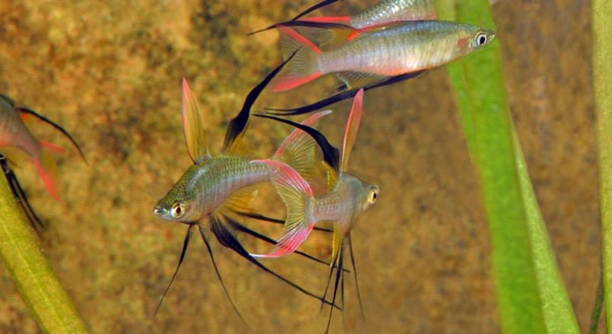
Watching threadfins in their natural habitat can be surprisingly calming. Their movements are subtle yet purposeful, and observing them closely reveals patterns and behaviors that are often overlooked by casual watchers. The details are fascinating and quiet.
Threadfins exhibit distinct swimming patterns, feeding behaviors, and social interactions that can be systematically recorded. Observing these behaviors closely allows for identification of habitat preferences, responses to environmental changes, and subtle cues in group dynamics, contributing to a deeper understanding of the species.
Noticing these small details opens up a richer perspective on the lives of threadfins. Observations often reveal patterns that are both surprising and informative, making careful watching a rewarding activity for enthusiasts and researchers alike.
Early Morning Movements
I often noticed threadfins becoming active just before sunrise. Their subtle shifts in position across shallow waters are almost hypnotic. They swim slowly at first, testing currents and the water temperature. Small groups often move together, almost like a quiet coordination that hints at an unspoken order. Observing their fins flick and tails adjust makes me realize how finely tuned they are to their environment. These early movements aren’t random; each action seems purposeful, whether it’s a slight turn toward a warmer patch of water or a small group spreading out to search for food. Watching them slowly become more active over thirty to forty minutes gives insight into their energy patterns. The way they respond to light, water clarity, and even small disturbances is fascinating. Their behavior in these early hours sets the tone for the day, giving clues about feeding routines and social interactions. Quiet observation reveals a surprising depth of communication between the fish.
These early movements often signal the start of feeding patterns.
By observing these patterns over several mornings, I noticed that threadfins rarely act alone. Groups move in synchrony, responding to each other’s subtle shifts. Some fish scout ahead, while others adjust positions to maintain spacing. Temperature changes influence their speed, and water clarity affects their willingness to venture into open areas. By mid-morning, the group disperses slightly but remains connected through these subtle movements. Understanding this behavior helps predict when and where they will feed, offering valuable insights into their daily routines.
Feeding Behavior
Threadfins tend to feed near the surface and mid-depths, adjusting constantly.
When they feed, they are precise yet adaptable. They respond to sudden changes in water flow or the presence of smaller fish, shifting formation to optimize their feeding efficiency. Observing their feeding reveals how they balance group dynamics with individual needs. Larger threadfins often take the lead, stirring small prey toward others. The feeding pattern can vary depending on water temperature and light, showing flexibility that is remarkable for schooling fish. Each fish has a role: some chase, some wait, and some subtly guide movement. Over several weeks, I noticed patterns emerging. Some threadfins return to specific spots consistently, while others explore more. This indicates memory and spatial awareness. Understanding these feeding behaviors also highlights their role in the ecosystem, controlling smaller fish populations and even affecting water clarity through movement. Watching them eat makes it clear that survival requires both cooperation and keen awareness, and each action seems carefully measured rather than instinctive alone.
Social Interactions
Threadfins often swim in loose groups, signaling each other with subtle fin movements. Small changes in position indicate dominance or willingness to follow.
I noticed that larger threadfins tend to lead while smaller ones adjust around them. During feeding or movement, minor nudges or tail flicks communicate intention. Sometimes two fish briefly pair up, coordinating turns or feeding, then rejoin the group. These interactions are consistent, suggesting an established social structure. Watching them repeatedly, I could predict which fish would lead next or how the group would respond to sudden disturbances, highlighting a level of social organization that is easy to miss.
Juveniles show a slightly different behavior. They tend to follow closely behind older fish, learning movement patterns and feeding spots. Occasional splashes or sudden darting motions are met with instant reactions from the group, demonstrating attentiveness and cohesion. This balance between leadership, following, and group cohesion ensures safety while allowing efficient feeding, showing that social structure is vital for survival and coordination.
Response to Environmental Changes
Threadfins adjust quickly to changes in water temperature or currents, often repositioning themselves within minutes. Their sensitivity is remarkable.
I have observed that even minor changes in water clarity or slight shifts in current can alter the entire group’s movement. Some fish pause while others lead a slow adjustment, showing a keen awareness of surroundings. The group spreads or contracts depending on obstacles, predatory shadows, or disturbances in the water. This adaptability ensures access to food while minimizing risk. Over several weeks, I noted repeated patterns of relocation following small environmental shifts, indicating a learning component in their responses.
Their response to environmental cues isn’t uniform. Some fish are more cautious, reacting to subtle changes faster, while others remain central, providing stability to the group. Temperature shifts, light intensity, and sudden disturbances influence their choice of depth and position, showing a balance between exploration and caution. Observing this dynamic highlights how threadfins integrate multiple environmental signals simultaneously, adjusting movement, spacing, and feeding behavior. Their ability to react cohesively ensures survival in fluctuating conditions and reflects a finely tuned interaction with their habitat.
Resting Patterns
Threadfins often rest in slightly deeper water during midday, staying close to cover. Their movements become minimal, conserving energy while remaining alert to nearby disturbances.
Even while resting, they subtly shift positions to maintain spacing within the group. Occasional fin flicks indicate awareness, showing that their rest is never complete inactivity.
Reaction to Predators
When a predator approaches, threadfins respond almost instantly. They scatter briefly, then regroup in coordinated formations. This quick response reduces vulnerability while maintaining group cohesion, showing an evolved balance between caution and social structure.
Breathing and Gulping Behavior
Threadfins surface occasionally to gulp air or adjust buoyancy. Watching this behavior reveals subtle differences between individuals and helps track health and activity levels. Their timing and frequency often correlate with water conditions, indicating a careful balance between energy use and environmental needs.
Interaction With Currents
Threadfins position themselves strategically within currents, using flowing water to conserve energy while feeding. Their ability to sense and respond to subtle changes demonstrates an adaptive approach that supports efficient movement and survival.
FAQ
How do threadfins communicate with each other?
Threadfins use subtle movements to signal one another. Tail flicks, fin adjustments, and small changes in swimming speed convey intent. Larger fish often lead while smaller ones follow cues. Even minor changes in position can indicate readiness to feed, move, or avoid danger. This communication is quiet but consistent, allowing the group to act almost as a single unit.
Do threadfins prefer certain water conditions?
Yes, they favor clear waters with gentle currents and moderate temperatures. Sudden changes in clarity, temperature, or flow affect their behavior, sometimes causing the group to shift depth or reposition. Observing these preferences repeatedly shows that water conditions strongly influence daily patterns, including feeding and social interactions.
Why do threadfins sometimes dart suddenly?
Sudden darting is often a reaction to perceived threats or changes in their environment. It could be a predator nearby, a quick shift in current, or the movement of other fish. These rapid motions help them avoid danger while maintaining group cohesion, as the rest of the school adjusts immediately to the movement.
How often do threadfins feed?
They feed in multiple short sessions throughout the day, often near the surface or mid-depths. Feeding frequency depends on water temperature, light, and availability of prey. Larger fish tend to lead feeding efforts, while younger or smaller individuals follow, learning patterns and safe spots for feeding.
Do threadfins form long-term social groups?
Yes, they show a consistent social structure. Larger fish often take leadership roles, guiding movement and feeding. Smaller fish follow, sometimes pairing temporarily with others for coordination. Over time, these patterns create a balance between individual needs and group cohesion, supporting survival and efficiency in daily activities.
How do threadfins react to predators?
When a predator approaches, they scatter briefly, then regroup in coordinated formations. This quick, collective response reduces vulnerability while maintaining social bonds. Some fish take lead positions, creating space for others to escape, while cautious individuals react immediately, showing a mix of instinct and learned behavior.
Do juveniles behave differently from adults?
Juveniles tend to follow older fish closely, learning movement and feeding patterns. They are more reactive to disturbances and often stay near cover or behind adults. Adults guide movement and feed more efficiently, helping younger fish develop skills necessary for survival. Over time, juveniles adopt similar roles in the group as they grow.
Why do threadfins rest in deeper water?
They often rest during midday to conserve energy and avoid bright light. Even while resting, subtle fin movements indicate alertness. Positioning near cover or slightly deeper areas balances safety and energy efficiency, allowing them to respond quickly to environmental changes or potential threats.
Do threadfins rely on currents?
Yes, currents play a role in feeding and movement efficiency. They position themselves strategically to conserve energy while accessing food. Adjusting to subtle shifts in flow demonstrates adaptability and ensures the group can move efficiently without expending unnecessary energy.
Can observing threadfins reveal environmental changes?
Absolutely. Changes in feeding behavior, movement patterns, or group cohesion can indicate shifts in temperature, clarity, or predator presence. Watching them over time provides insight into how subtle environmental variations influence their behavior and survival strategies.
Are threadfins sensitive to light changes?
Yes, light intensity affects activity and positioning. Early morning and late afternoon are peak activity times, while midday light encourages resting in deeper water. Sensitivity to light helps regulate energy use, feeding, and social interactions within the group, demonstrating a strong connection to natural cycles.
Do threadfins show memory or learned behavior?
Observations suggest they remember feeding spots, safe areas, and predator patterns. Repeated behaviors indicate learning from experience, particularly in juveniles following adults. This memory helps them navigate their habitat more effectively, avoid danger, and coordinate better with the group.
How can observing threadfins benefit research or hobbyists?
Watching their behavior provides insight into social structure, environmental preferences, and responses to stressors. Detailed observation can inform conservation efforts, improve habitat management, and enhance understanding of their ecological role. Even casual observation reveals patterns that may otherwise go unnoticed, making study rewarding.
Final Thoughts
Watching threadfins closely gives a quiet insight into their behavior and daily patterns. They are subtle in movement but deliberate in action, showing a mix of instinct and learning. Each shift in position, each flick of a fin, and each small dart across the water has meaning. Over time, it becomes clear that these fish are not just floating randomly; they are responding to each other and their environment with careful awareness. Observing them teaches patience, as many of their behaviors unfold slowly and without obvious drama. What seems simple at first—swimming, feeding, or resting—is actually part of a larger, interconnected set of routines that help them survive and thrive. From early morning activity to midday resting, threadfins follow patterns that repeat daily, yet small changes occur based on water temperature, light, or the presence of other creatures. These subtle differences make repeated observation rewarding because no two mornings look exactly the same, and small discoveries build over time.
Social structure is another striking feature. Larger threadfins often lead, while smaller or younger fish follow and learn from them. This hierarchy is not aggressive; it is functional. The group moves as a unit, responding to environmental changes and potential threats almost instantaneously. Leadership and following are balanced, allowing the school to feed efficiently, avoid predators, and conserve energy. Even during feeding, some fish take the lead in chasing prey, while others wait for opportunities. Juveniles often shadow adults, learning patterns that will serve them as they grow. Observing these social interactions highlights that threadfins are highly aware of each other and the space they occupy. The subtle cues they give—tiny tail flicks, shifts in speed, or minor position changes—communicate volumes without any noise. It is remarkable how such simple gestures can maintain cohesion and efficiency across a group, reinforcing the idea that even small creatures rely on social intelligence to navigate their environment successfully.
Environmental sensitivity is equally important. Threadfins adjust to currents, light, temperature, and water clarity with ease. Their movements are often dictated by these factors, showing a constant dialogue between the fish and their habitat. When currents change, they reposition strategically to conserve energy while feeding. Changes in light influence when and where they are most active, and subtle shifts in water clarity or temperature can affect movement, social interactions, and resting patterns. This responsiveness demonstrates adaptability that is essential for survival. By carefully observing them over time, patterns emerge that reveal not just individual behavior but also how the group as a whole reacts to its surroundings. The more one watches, the more it becomes clear that threadfins are finely tuned to their environment. Their behaviors reflect a balance of instinct, learned experience, and environmental awareness that allows them to thrive in a complex aquatic system. Each observation adds to understanding, making the study of threadfins a quietly fascinating pursuit that rewards attention to detail and patience.

Hello,
If you enjoy the content that we create, please consider saying a "Thank You!" by leaving a tip.
Every little bit helps us continue crafting quality advice that supports the health, happiness, and well-being of pets around the world, for pets of all shapes, sizes, and species.
We really appreciate the kindness and support that you show us!