
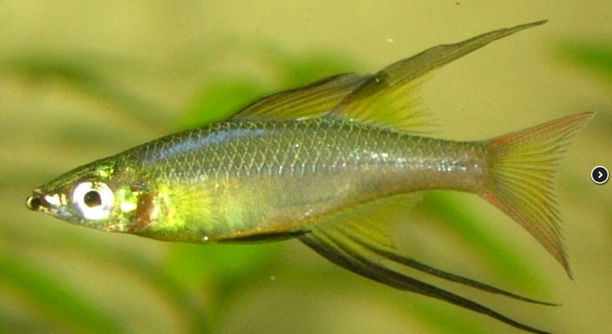
Have you ever noticed threadfins swimming in one area for long periods and wondered what makes them stay? Watching their calm, flowing movements can feel relaxing while showing patterns in how they interact with their surroundings.
Threadfins often concentrate in specific areas due to consistent food availability, suitable water temperatures, and gentle current patterns. These factors create ideal conditions for feeding, conserving energy, and safety, encouraging the fish to remain in one location consistently.
Learning about these patterns can help explain why threadfins favor certain spots and how their environment shapes their daily behavior.
Reasons Threadfins Stay in One Area
Threadfins often gather in specific areas because the conditions are just right for them. Food plays a big role, as small fish, plankton, and other nutrients are easier to catch where they are abundant. Water temperature also matters, since threadfins prefer areas that are not too cold or too warm. Gentle currents make it easier for them to move without expending too much energy. Safety is another factor; staying in areas where predators are less common allows the fish to feed and rest with less risk. Over time, these factors combine, creating a place that supports feeding, energy conservation, and protection. The fish naturally return to these spots regularly, making their behavior predictable. Even small changes in food or temperature can affect their patterns, but generally, threadfins favor locations that meet multiple needs. Their behavior reflects a balance between survival, comfort, and efficient use of their environment.
These areas often have consistent conditions that meet multiple needs, making them attractive for long periods.
The combination of food abundance, safe surroundings, and favorable water conditions explains why threadfins repeatedly use the same areas. Small variations in temperature or current can influence their movement, but overall, they prefer stability. Observing their patterns over days or weeks can reveal predictable routines. This behavior ensures they feed efficiently while conserving energy.
Environmental Factors and Feeding
Threadfins stay where food is plentiful and currents are gentle.
Environmental factors determine how threadfins choose their spots. Areas with abundant plankton, small crustaceans, or other prey provide reliable feeding opportunities. Water currents affect energy use, so calmer areas are preferred. Temperature consistency is essential, as rapid changes can stress the fish. Even subtle differences in depth or structure, like nearby rocks or sandbanks, can make a location more appealing. These environmental features work together, creating a balance of safety, comfort, and food access. Over time, threadfins learn which spots reliably provide these conditions. Understanding these factors helps explain their repeated patterns and why certain locations attract larger groups. Their behavior is not random but a response to environmental signals that optimize survival and efficiency. By observing their surroundings, it becomes clear why threadfins often return to the same area day after day.
Social Behavior and Grouping
Threadfins often swim in groups for protection and efficiency. Staying together reduces the risk of predators and makes finding food easier. Their social patterns influence where they gather and how long they remain in one spot.
Group behavior helps threadfins maintain safety while feeding. Moving together allows them to detect threats more quickly and respond as a unit. When food is abundant in a certain area, the group can exploit it efficiently, with each fish benefiting from the others’ movements. Social signals, such as position and speed, help maintain group cohesion. Over time, this behavior strengthens their preference for specific areas, as the fish learn which locations provide both safety and feeding opportunities.
In addition to safety, grouping reduces energy expenditure. Swimming in coordinated patterns takes advantage of hydrodynamic benefits, making movement easier for individuals. It also improves communication within the group, allowing them to respond to changing conditions. Grouping behavior reinforces their attachment to favorable areas, explaining why threadfins return regularly and stay longer in these spots compared to less favorable ones.
Seasonal and Environmental Changes
Changes in water temperature and food supply affect threadfin movement. They adapt by shifting locations when conditions change.
Seasonal variations impact how threadfins use certain areas. During warmer months, food may be more abundant, encouraging longer stays in one location. In cooler periods, fish may move to deeper or warmer waters to maintain comfort and conserve energy. Currents and tides also affect food distribution, influencing where the fish gather. Even slight changes in environmental conditions can prompt adjustments in group movement patterns. Observing threadfins over time shows that their locations are closely tied to these seasonal and environmental shifts, as the fish respond to optimize feeding and survival.
Environmental shifts, such as changes in water clarity or salinity, also play a role. Threadfins may favor areas that provide better visibility for detecting prey or avoiding predators. Habitats with stable conditions tend to attract larger groups, while areas with fluctuating environments see less consistent use. By responding to seasonal and environmental factors, threadfins maximize feeding efficiency and safety, demonstrating a strong link between their behavior and the surrounding conditions. These adaptations explain why certain locations consistently attract the fish while others do not.
Feeding Patterns and Habits
Threadfins often return to areas where food is reliable. They feed on small fish, crustaceans, and plankton, which are more abundant in certain spots. Consistent food sources influence their movement and keep them returning regularly.
Their feeding habits are shaped by availability and ease of capture. Areas with dense prey allow threadfins to conserve energy while getting enough nutrition. They adjust their swimming depth and timing to match prey activity. Over time, these patterns become predictable, as the fish learn which locations consistently meet their dietary needs. Feeding efficiency strongly influences where threadfins gather and how long they stay.
Resting and Energy Conservation
Threadfins stay in areas that allow them to rest and conserve energy. Calm waters with gentle currents reduce the effort needed to swim.
Predation and Safety
Safety from predators plays a major role in where threadfins remain. They prefer areas that provide visibility and escape routes while minimizing exposure.
Human Influence
Human activity can alter threadfins’ patterns. Boats, fishing, and coastal changes may push them to different areas or disrupt their usual routines.
FAQ
Why do threadfins stay in one area for so long?
Threadfins remain in areas that provide food, safety, and suitable water conditions. Consistent access to plankton, small fish, and crustaceans reduces the need to move frequently. Calm currents and ideal temperatures make swimming easier, allowing the fish to conserve energy. Areas that meet multiple needs naturally attract threadfins repeatedly.
Do threadfins move seasonally?
Yes, threadfins adjust their location based on seasonal changes in temperature, food availability, and currents. Warmer months often bring abundant prey, encouraging longer stays in certain areas. Cooler months may push them to deeper or slightly warmer waters to maintain comfort and energy efficiency.
How does group behavior affect where threadfins swim?
Threadfins often move in groups for safety and feeding efficiency. Grouping reduces predator risk and helps detect threats faster. Swimming together also allows them to share information about food locations. Social cohesion encourages them to return to the same areas where the group feels secure and well-fed.
Can human activity influence threadfin movement?
Human activity, such as boating, fishing, and coastal development, can disrupt the usual patterns of threadfins. Noise, water pollution, and habitat changes may push them to seek safer or less disturbed areas. Over time, repeated disturbances can alter which spots are preferred for feeding and resting.
Do water currents and tides impact their location?
Yes, currents and tides influence where threadfins gather. Gentle currents allow easier swimming and help conserve energy. Tides also affect the distribution of prey, so threadfins adjust their location to match favorable feeding conditions. Strong or turbulent currents may cause them to move temporarily to calmer zones.
How important is water temperature for threadfins?
Water temperature is critical in determining their location. Threadfins prefer moderate temperatures that support both comfort and metabolism. Sudden changes in temperature can stress the fish, prompting them to move to more stable areas where energy use is optimized and food capture is efficient.
Do threadfins return to the same spot every day?
Often, yes. Threadfins develop patterns based on food availability, safety, and energy conservation. Areas that consistently meet these needs become reliable locations. Observing them over several days or weeks usually shows predictable routines, as the fish favor spots that balance feeding, resting, and protection.
How do threadfins avoid predators while staying in one area?
Threadfins choose areas that offer visibility and escape routes. Grouping helps, as coordinated swimming allows faster detection and reaction. Calm waters near structures like sandbanks or rocks provide shelter while maintaining open space for spotting predators, creating a safe environment without constant movement.
Does the type of habitat affect their behavior?
Yes, threadfins respond to the structure and composition of their habitat. Sandy bottoms, shallow bays, or areas with gentle currents often attract them. These environments support prey availability, energy-efficient swimming, and safety from predators. Habitats that provide multiple advantages are consistently favored.
Can observing threadfins help predict environmental changes?
Threadfins are sensitive to food, temperature, and water quality. Sudden changes in their location or behavior can indicate shifts in environmental conditions. Studying their patterns over time can provide insights into water health, prey distribution, and potential impacts from human activity.
How do threadfins balance feeding and resting?
Threadfins balance feeding and resting by choosing areas with abundant prey and calm currents. Feeding occurs when energy needs are high, while resting in the same area allows them to conserve energy. Over time, areas that support both needs become habitual gathering spots.
Are all threadfins in a group related?
Not necessarily. Grouping is mostly social and safety-driven, not based on family relationships. Fish gather where conditions are favorable, and different individuals may join the same group to benefit from protection, food, and energy savings.
What happens if food becomes scarce in their favored area?
If food declines, threadfins may move to nearby locations with better availability. While they prefer familiar areas, survival takes priority. They adapt by expanding their range or temporarily splitting from groups until conditions improve, demonstrating flexibility in response to environmental changes.
How long do threadfins typically stay in one area?
The length of stay depends on food, water conditions, and safety. In ideal areas, fish may remain for weeks or months. Temporary disturbances or seasonal shifts can shorten this period, but areas that consistently meet their needs tend to see repeated occupancy.
Can observing threadfin patterns improve fishing or conservation efforts?
Yes, understanding where threadfins gather helps in both sustainable fishing and habitat protection. Predictable patterns reveal feeding grounds, resting areas, and preferred environmental conditions. Protecting these spots ensures the species thrives while supporting responsible human use of their habitats.
Do threadfins ever leave their preferred areas permanently?
Permanent relocation usually occurs when the area no longer meets their basic needs, such as drastic changes in food, water quality, or predation pressure. They seek alternative spots with better conditions, showing a balance between habit and survival instincts.
How do tides affect their feeding schedule?
Tides influence prey availability, so threadfins often feed when food is concentrated by rising or falling water. High tides can bring nutrients and small prey into shallow areas, while low tides may limit access. They adapt their movements to take advantage of these natural cycles.
Do threadfins communicate within their groups?
Yes, threadfins use body movements and positioning to signal direction, speed, and danger. Coordinated swimming allows them to maintain group cohesion, share information about food sources, and respond quickly to predators, reinforcing safety and efficiency in favored areas.
Can environmental stressors change their long-term patterns?
Environmental stressors, such as pollution, habitat destruction, or climate change, can alter long-term patterns. Threadfins may abandon familiar areas, change feeding schedules, or modify group behavior to cope with new conditions. Consistent monitoring shows how sensitive they are to these stressors.
Why do some areas attract larger groups than others?
Larger groups gather where multiple favorable factors align: food abundance, calm currents, suitable temperature, and safety. These areas allow more fish to feed efficiently while maintaining protection, creating hotspots where threadfins regularly concentrate and remain longer than in less optimal spots.
How do researchers track threadfin behavior?
Researchers observe patterns through tagging, underwater cameras, and direct observation. Monitoring movements over time reveals feeding habits, group dynamics, and responses to environmental changes. Data collected helps understand why certain areas are consistently preferred and how human activity may influence behavior.
What role does energy conservation play in site selection?
Energy conservation is crucial. Threadfins choose spots where swimming requires less effort, currents are gentle, and food is easy to access. By minimizing energy use while maximizing intake, they ensure survival and make repeated visits to the same locations efficient and beneficial.
How do threadfins react to sudden disturbances?
Sudden disturbances, like loud noise or predator presence, can temporarily scatter groups. Fish quickly relocate to nearby safer areas but often return once conditions stabilize. Their ability to resume patterns demonstrates both caution and a strong preference for familiar, favorable environments.
Can multiple environmental factors overlap to make one area ideal?
Yes, ideal areas typically meet several conditions at once: abundant food, safe surroundings, gentle currents, and proper temperature. When these factors align, threadfins concentrate there, showing that their behavior results from the interaction of multiple environmental influences rather than a single factor.
Do threadfins ever compete with other species for space?
Competition can occur when other species share similar prey or habitats. Threadfins may adjust their position or timing to reduce conflict, often prioritizing areas where competition is lower. This behavior helps maintain access to food and safety while minimizing stress.
How predictable are threadfin patterns for observation?
Threadfin behavior is quite predictable in stable environments. By tracking food availability, temperature, currents, and safety, observers can anticipate where groups will gather. Patterns may shift slightly with environmental changes, but overall tendencies remain consistent, making long-term observation practical and informative.
Do younger threadfins behave differently than adults?
Younger threadfins often stay closer to sheltered areas and in smaller groups. Their movement is more cautious, and feeding may occur in shallower zones. Adults typically dominate preferred spots, while juveniles adapt by finding safe feeding areas until they grow and integrate into larger groups.
How does water clarity affect their preferred locations?
Clear water improves visibility for feeding and predator detection. Threadfins favor areas where they can see prey and threats, avoiding murky zones that reduce efficiency and increase risk. Visibility is one of several factors that contribute to site preference.
Do threadfins ever explore new areas?
Yes, exploration occurs when current locations become less favorable or when juveniles mature. While they prefer familiar spots, necessity drives temporary or permanent relocation. Exploration helps locate food, escape disturbances, and adapt to environmental changes, balancing habit with survival needs.
Are all threadfins in a group feeding at the same time?
Not always. Feeding can be staggered within the group to reduce competition. Some fish may rest or maintain vigilance while others feed, ensuring group safety while allowing efficient use of available resources.
How long can threadfins stay in one area without moving?
Depending on food, safety, and environmental stability, threadfins can remain in one area for days or weeks. Consistent conditions support prolonged occupancy, while changes in prey abundance, currents, or threats may trigger temporary movement.
What can affect the predictability of their locations?
Factors like seasonal shifts, human activity, predators, or sudden environmental changes can alter patterns. While threadfins prefer consistent spots, these influences can make their presence less predictable, requiring observation to understand their current behavior fully.
How do threadfins adjust when their usual spots are disturbed?
When disturbed, threadfins move to nearby areas offering similar conditions. They may temporarily disperse, reduce feeding, or regroup elsewhere. Once conditions normalize, they often return, showing flexibility in balancing safety, feeding, and energy conservation.
Does group size affect how long they stay in one area?
Larger groups may stay longer if conditions are ideal because more fish benefit from safety and abundant food. Smaller groups might move sooner if resources are limited, showing how social dynamics influence site fidelity.
Can observing threadfins indicate ecosystem health?
Yes, their presence and behavior reflect food availability, water quality, and habitat stability. Changes in patterns can signal environmental stress, making threadfins useful indicators for monitoring ecosystem conditions and the impact of human activity.
Are threadfins influenced by light levels?
Light affects visibility for feeding and predator detection. Threadfins often adjust swimming depth or location based on sunlight, seeking optimal conditions for efficiency and safety during different times of day.
How do predation pressures shape their preferred locations?
Areas with cover or escape routes reduce risk from predators. Threadfins choose spots that balance food availability with safety, using social grouping, open visibility, and nearby shelters to reduce vulnerability while feeding or resting.
Do threadfins show loyalty to certain areas?
Yes, they repeatedly return to locations that meet their needs. While flexible, their patterns demonstrate a preference for reliable feeding, safety, and energy-efficient spots, reflecting a form of site fidelity that balances routine with adaptability.
How quickly can threadfins adapt to environmental changes?
Adaptation can be
Final Thoughts
Threadfins are remarkable fish that show how behavior is closely linked to their environment. They tend to stay in areas that provide reliable food, calm currents, and protection from predators. These factors work together, making some spots more attractive than others. Threadfins are not moving randomly; they respond to the conditions around them in a practical way. Observing where they gather gives insight into how they balance the need to eat, rest, and stay safe. Their repeated presence in certain locations reflects a combination of instinct, learned behavior, and environmental cues that guide their movement patterns.
Food availability is one of the most important reasons threadfins return to the same area. Areas rich in small fish, crustaceans, and plankton give them enough energy to survive without having to swim long distances. Gentle currents in these areas allow them to save energy while feeding efficiently. Over time, threadfins learn which spots reliably offer enough food. Safety is another major factor in their site selection. Open areas with clear visibility, or areas near natural shelters, reduce the risk of predators. Groups of threadfins often stay together because this social behavior increases protection, allowing them to feed without constant fear. These combined factors explain why certain areas are favored for extended periods.
Threadfins also respond to changes in their surroundings. Seasonal shifts, temperature changes, and human activity can affect where they gather. If a familiar spot loses its food supply or becomes disturbed, they may move to a nearby area that still meets their needs. Despite this flexibility, they often return to preferred locations once conditions stabilize. Observing threadfins provides useful insight into both the species’ behavior and the overall health of their environment. Their patterns show the importance of reliable food, safety, and energy conservation. Understanding these habits can inform habitat protection, conservation efforts, and responsible fishing practices. Threadfins are practical in their choices, showing that even small fish make decisions based on survival and efficiency. Watching their routines gives a clear picture of how behavior and environment interact in nature.

Hello,
If you enjoy the content that we create, please consider saying a "Thank You!" by leaving a tip.
Every little bit helps us continue crafting quality advice that supports the health, happiness, and well-being of pets around the world, for pets of all shapes, sizes, and species.
We really appreciate the kindness and support that you show us!